Stenager Mølle, Vejle Travel Guide
Free Guide: A lovingly preserved 19th‑century brook mill on the edge of Vejle Ådal, where turning waterwheels, old machinery and quiet countryside tell Denmark’s rural story.


A brief summary of Stenager Mølle
A lovingly preserved 19th‑century brook mill on the edge of Vejle Ådal, where turning waterwheels, old machinery and quiet countryside tell Denmark’s rural story.
Stenager Mølle is a small historic brook mill set on the northern side of the Vejle River Valley near Skibet, west of Vejle. Built in 1868, it is one of Denmark’s few remaining water-powered bækmøller, with a working waterwheel, old grinding stones and rollers preserved in a tranquil rural setting. Surrounded by fields, a small vineyard and rich birdlife, it offers a gentle mix of cultural history and quiet nature, often opened to visitors by arrangement and on special open-mill days.
On-site amenities
 Seating areas
 Information boards
- Address
- Knabberupvej 164, 7100 Vejle
Getting there
Car from Vejle city centre
Bicycle from Vejle
Regional bus plus walking
Discover more about Stenager Mølle
A rare brook mill on the edge of Vejle Ådal
Stenager Mølle sits where a clear brook drops towards the broad Vejle River Valley, using the natural fall of the water to power one of Denmark’s few surviving bækmøller – small brook mills that once dotted the countryside. Built in 1868, the mill occupies a sheltered fold in the landscape on the northern side of the valley, a short distance from the village of Skibet. Here, pasture, hedgerows and the soft contours of the moraine hills create a setting that feels distinctly rural despite being close to Vejle.From the outside, the mill appears modest in scale, almost like a farm outbuilding, but its position right by the water and the presence of the wheel immediately reveal its purpose. The low buildings, traditional materials and intimate yard space make it easy to imagine the time when grain from the surrounding farms arrived here by cart, to be turned into flour and animal feed.
Waterwheel, grinding stones and working machinery
The heart of Stenager Mølle is its waterwheel and milling gear. The current wheel is a newer construction that replaces earlier installations, but it follows historic principles and is again capable of turning with the flow from the brook. Inside, old millstones and roller mills are preserved, giving a clear impression of how the mill functioned right up until the late 20th century.Belts, shafts and wooden chutes link the different parts of the mechanism, leading the eye from the wheel outside through the wall into the building, and further up to hoppers and storage spaces. When the mill is demonstrated, the soft rumble of the stones and the rhythmic creak of the machinery make the building come alive, while the smell of ground grain lingers in the air and fine flour dust hangs in narrow beams of light.
From working farm mill to carefully tended heritage site
For more than a hundred years, Stenager Mølle served local agriculture, adapting gradually as methods changed but always reliant on its brook. Milling here continued into the late 1900s, making it a relatively recent example of traditional rural technology. Over time, as industrial mills and modern feed systems took over, the small brook mills disappeared; Stenager Mølle survived thanks to dedicated owners who chose to restore and care for the buildings and machinery rather than let them decay.Today, the mill is privately owned yet consciously shared. Open-mill days and visits by arrangement allow people to step into a working piece of agricultural history. Restoration projects have included clearing the millpond and stream, installing the new wheel and safeguarding the structure, always with an eye to preserving the authentic character while keeping the technical elements understandable and safe.
Natureside setting with vineyard and birdlife
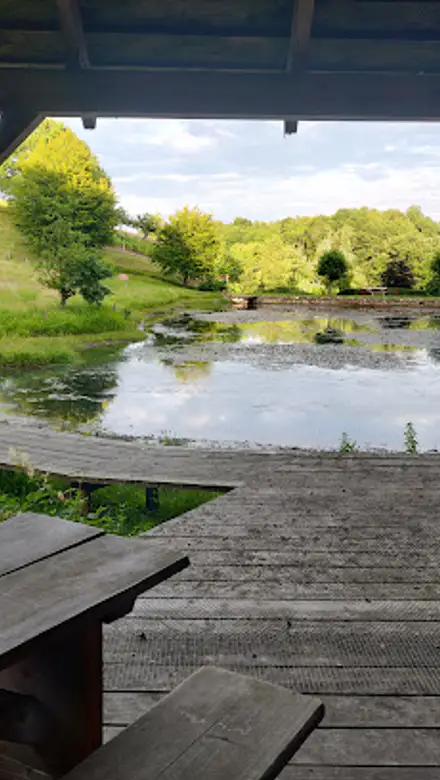
The surroundings are an essential part of the experience. Just uphill from the mill a small vineyard of around 300 vines has been planted on a sunny slope, an unusual but striking feature in this part of Denmark. The neat rows of vines contrast with older fields and meadows, hinting at evolving forms of land use in the valley.Along the brook and in the valley below, the area is rich in wildlife. Kingfishers sometimes flash past as a blue streak low over the water, while wagtails flit along the stones. The wider Vejle Ådal is known for varied birdlife and a patchwork of wetlands, woodland slopes and open pasture, and Stenager Mølle lies right on its edge. Simple footpaths in the area connect the mill to broader walking routes through the valley landscape.
Quiet rural atmosphere and visiting experience
A visit to Stenager Mølle is a slow, low-key experience focused on atmosphere and detail rather than spectacle. The lane that leads here, the sound of the brook and the relative absence of traffic noises all contribute to a sense of stepping into a small, self-contained world. On open days there may be informal demonstrations of the machinery and time to talk about the history of the place and the wider valley.There is no large visitor infrastructure or commercial development; the charm of the site lies precisely in its scale and authenticity. Simple seating spots, the mill yard and the close contact with water and landscape make it a pleasant pause on longer walks through Vejle Ådal or a gentle half-day outing from Vejle town for those interested in rural heritage and quiet countryside.
Evendo Review Centre
 Google
Guest reviews
Best time to go
Quietest: Jan, Feb & Mar · before 8am or at 7pm
Busy times are Evendo estimates for a typical year, to help you plan. Actual crowds vary with events, school holidays and the weather.
Explore Stenager Mølle on the map
A handpicked selection of must-see spots near Stenager Mølle, mapped for you.
Get your free copy of our complete guide to Stenager Mølle, delivered straight to you.
Everything on this page, from opening hours and how to get there to Eve’s tips and the best time to go, in one PDF you can read offline, print or share.
Already have an account? Sign in
Your Stenager Mølle guide is ready.
We'll send it to · Not you? Sign out

Getting your guide ready…
We are putting together a fresh copy of the Stenager Mølle guide. This can take up to a minute.
This can take a few moments. If your browser asks, choose Allow so the download can start. You'll find the guide in your Downloads folder.
Nothing happened? Download it again
Sorry, the guide is taking longer than usual. Please try again in a minute, or get it by email instead.
Other nearby places you may find interesting
The closest places of the same kind, if this one is not quite what you had in mind.
-
-
-
-
-


Swipe for more places
More to explore near Stenager Mølle

 Best experiences near Stenager Mølle
 Best hotels near Stenager Mølle
 Best landmarks near Stenager Mølle
 Best attractions near Stenager Mølle
 Best shops near Stenager Mølle
 Best restaurants near Stenager Mølle
 Best bars near Stenager Mølle
Do you manage this location?
Take control to get all the benefits, like improved information, better appearance, and stronger visibility across AI-powered discovery.
Explore more

Explore more of Vejle
Discover Vejle, Denmark's hidden gem, where natural beauty meets vibrant urban life. Explore historic sites, enjoy outdoor adventures, and savor delicious Danish cuisine.
Explore Vejle
Explore more of Denmark
Discover Denmark: A perfect blend of history, modern design, and the cozy concept of hygge. Explore vibrant cities, serene landscapes, and world-class cuisine.
Explore Denmark