Schleswig-Holstein Wadden Sea National Park: A Natural Wonder
Explore the Schleswig-Holstein Wadden Sea National Park, a UNESCO World Heritage Site, and discover a unique landscape of tidal flats, diverse wildlife, and charming coastal towns.
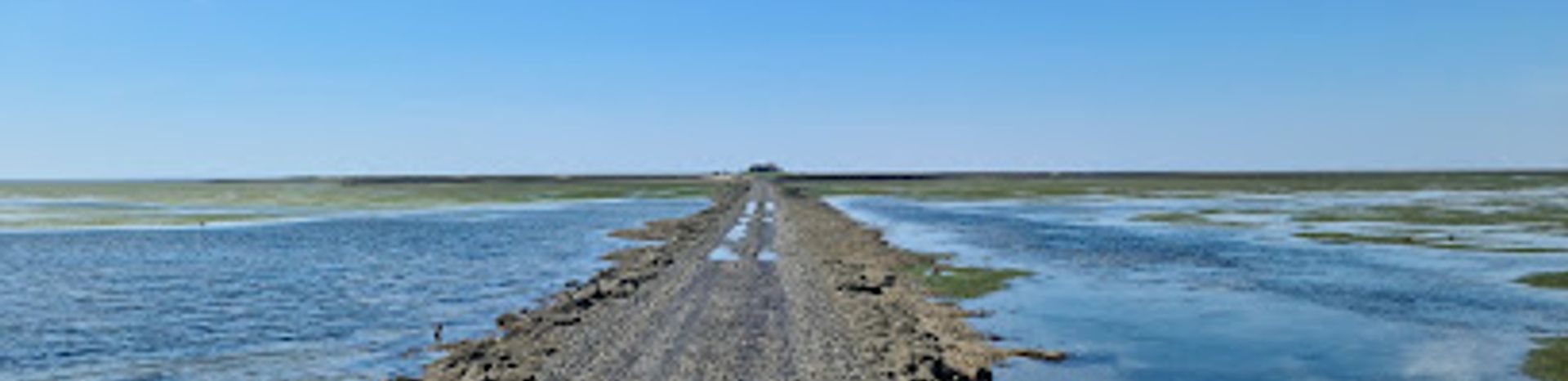
The Schleswig-Holstein Wadden Sea National Park, a UNESCO World Heritage Site, is Germany's largest national park and a vital part of the Wadden Sea ecosystem. This unique landscape of tidal flats, salt marshes, and islands teems with diverse wildlife, including millions of migratory birds, harbor seals, and porpoises. Visitors can explore the mudflats on guided walks, take boat trips to spot seals, or cycle through charming coastal towns. The park offers a fascinating glimpse into the dynamic interplay of land and sea, showcasing the raw beauty and ecological importance of this protected area. Whether you're a nature enthusiast, a birdwatcher, or simply seeking a tranquil escape, the Wadden Sea National Park promises an unforgettable experience. Don't miss the Multimar Wattforum in Tönning, an interactive visitor center that brings the Wadden Sea to life with fascinating exhibits and aquariums.
A brief summary to Schleswig-Holstein Wadden Sea National Park
- Schloßgarten 1, Tönning, 25832, DE
- +4948616160
- Visit website
Local tips
- Join a guided mudflat walk to experience the unique ecosystem up close and learn about the fascinating creatures that inhabit the mudflats.
- Visit the Multimar Wattforum in Tönning, an interactive visitor center that brings the Wadden Sea to life with fascinating exhibits and aquariums.
- Take a boat trip to spot seals basking on sandbanks and observe the diverse birdlife of the Wadden Sea.
- Explore the charming coastal towns and villages by bicycle, enjoying the scenic views along the dikes.
- Check the tide schedule before planning your visit to make the most of the mudflat experiences.

Getting There
-
Public Transport
From Tönning train station, take bus line 184 or 186 towards Kating. Get off at the Tönning-Kating Eichenweg stop, which is a short walk from the National Park administration building. A single bus fare costs approximately €3-5. Alternatively, from Husum, take the train (RB64) to Tönning and then the bus as described above.
-
Taxi/Ride-Share
A taxi or ride-share from Tönning train station to the National Park administration building (Schloßgarten 1) will cost approximately €10-€15, depending on traffic. The journey takes about 5-10 minutes.
-
Driving
From Tönning, follow the signs towards Kating. The National Park administration building is located at Schloßgarten 1 in Tönning. Limited parking is available near the building. Parking fees are approximately €1-2 per hour. Be aware that parking can be scarce during peak season.
Discover more about Schleswig-Holstein Wadden Sea National Park
Iconic landmarks you can’t miss

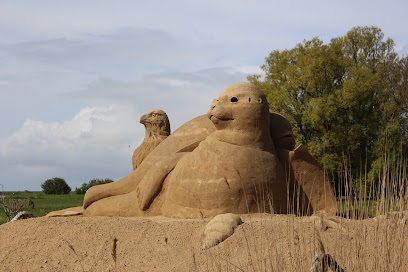
SANDIEK Sandskulpturen-Workshops
18.8 km
Experience the joy of sand sculpting at SANDIEK Sandskulpturen-Workshops in Westerhever, where creativity meets the beauty of nature.
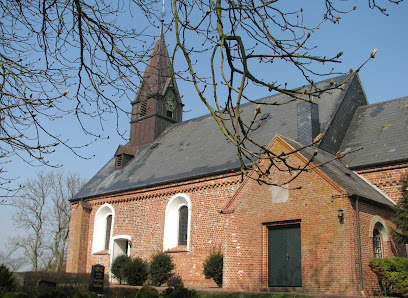
St. John's church Poppenbüll
24.5 km
Discover the tranquil beauty of St. John's Church in Poppenbüll, a serene Evangelical sanctuary amidst picturesque North Frisian landscapes.
Dreilandenhalle
27.2 km
Discover the vibrant sports culture at Dreilandenhalle in Garding, a community hub for athletic events and activities in the heart of Germany.
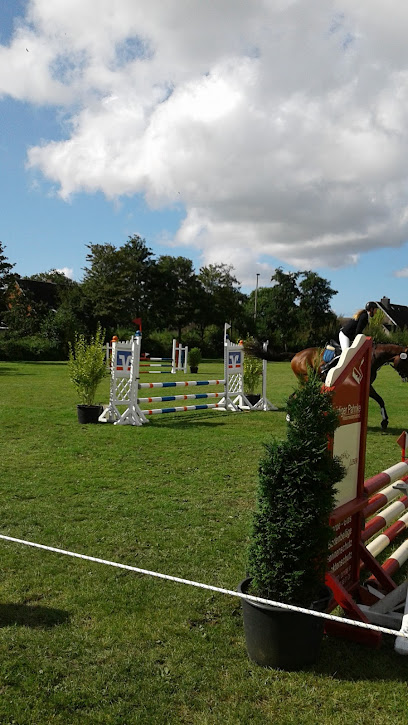
Haus Peters - Historischer Kaufmannsladen von 1820 - Förderverein Haus Peters e.V.
28.5 km
Discover the rich history of commerce at Haus Peters, an authentic 1820 merchant shop museum in Tetenbüll.
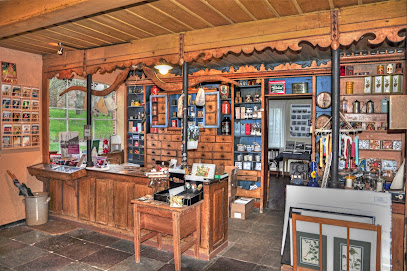
Schlüttsiel Badestrand
29.6 km
Experience the tranquil beauty of Schlüttsiel Badestrand in Ockholm, where outdoor swimming meets serene relaxation amidst stunning landscapes.
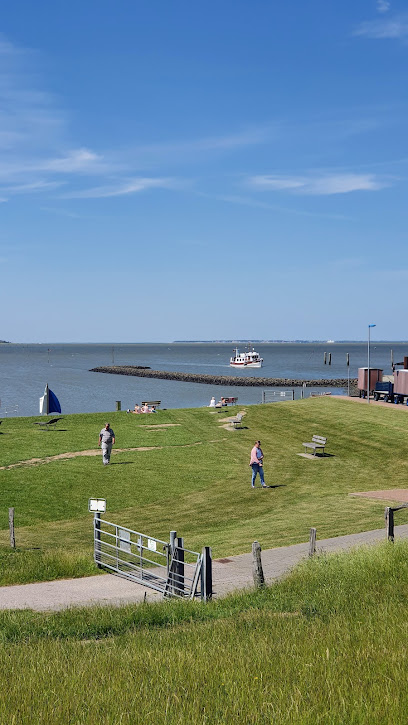
WoMoLand Nordstrand
31.6 km
Experience the natural beauty of WoMoLand Nordstrand, a serene campground perfect for outdoor enthusiasts and nature lovers in Germany.
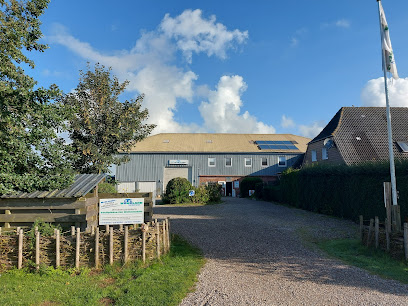
Beltringharder Koog
32.4 km
Explore Beltringharder Koog, a tranquil wildlife refuge in Hattstedtermarsch, where nature thrives and unforgettable wildlife experiences await.
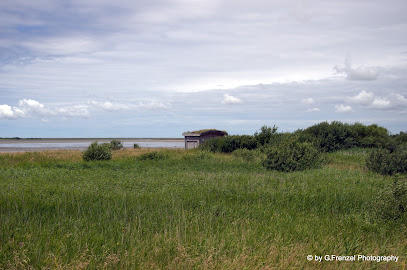
Nordseecamping zum Seehund
34.1 km
Experience the beauty of the North Sea coast at Nordseecamping zum Seehund, a perfect spot for camping and outdoor adventures.

Roter Haubarg
34.2 km
Experience the authentic flavors of northern Germany at Roter Haubarg, a charming restaurant in Witzwort offering local dishes in a cozy setting.
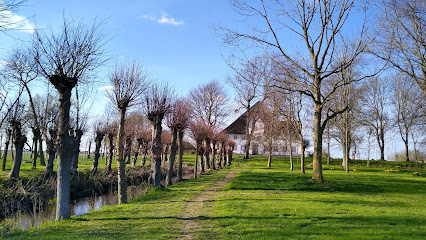
Kirchlein am Meer - Ev.-Luth. Kirchengemeinde Schobüll
36.1 km
Explore Kirchlein am Meer, a serene Evangelical church in Husum, offering spiritual solace and beautiful architecture amidst nature's tranquility.
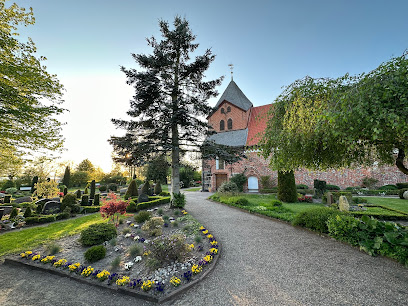
Dockkoog
36.2 km
Discover the breathtaking beauty of Dockkoog, a premier hiking area in Husum, Germany, where scenic trails meet coastal splendor and nature's tranquility.
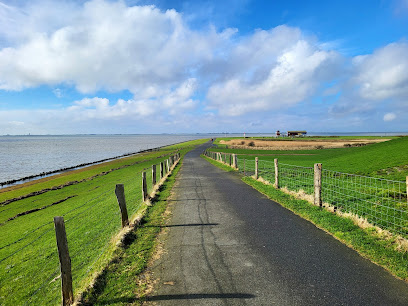
Friedhof Bredstedt
36.6 km
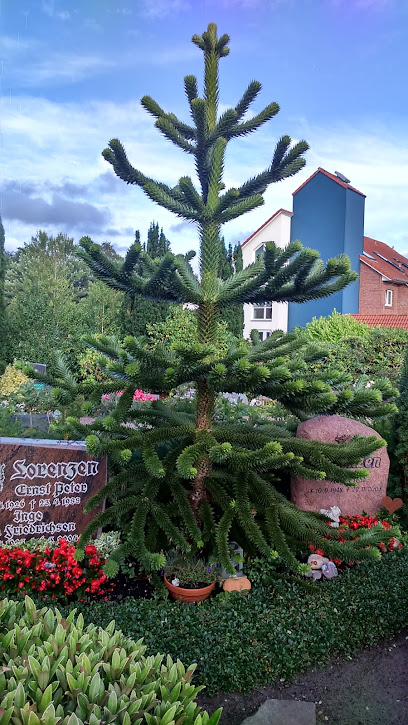
Discover the history and tranquility of Friedhof Bredstedt, a serene cemetery in the heart of Bredstedt, offering a unique glimpse into the past.
Küstenkirche Husum
38.7 km
Discover the serene beauty and rich history of Küstenkirche Husum, a stunning church in the heart of Husum, Germany, where spirituality meets architectural splendor.
Rice Garden
38.9 km
Experience the rich flavors of sushi and Vietnamese cuisine at Rice Garden in Husum, a must-visit for food enthusiasts.
St. Marienkirche
39.1 km
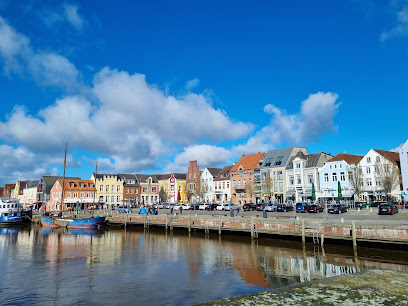
Discover the architectural beauty and rich cultural heritage of St. Marienkirche, a must-visit Evangelical church in the heart of Husum.
Unmissable attractions to see

Hallig Süderoog Bird Sanctuary
7.2 km
Explore the serene Hallig Süderoog Bird Sanctuary, a captivating nature preserve ideal for birdwatching and experiencing the beauty of Northern Germany's landscapes.
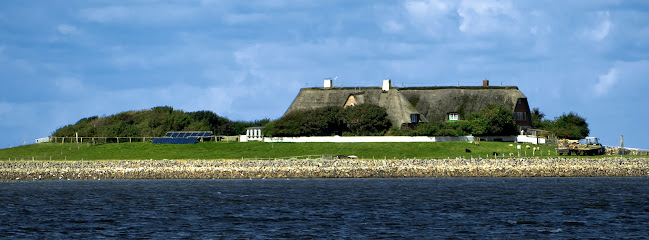
Rungholtmuseum Bahnsen
11.2 km
Discover the captivating history of Pellworm at Rungholtmuseum Bahnsen - an enriching experience for all visitors.
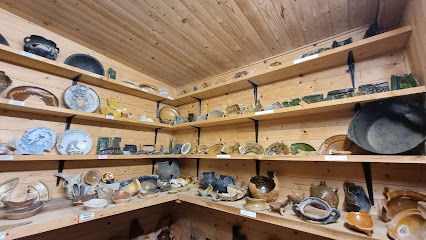
Maren Bendixen = der „Königspesel“
11.3 km
Explore the Maren Bendixen Museum in Hooge, a captivating journey through the region's rich cultural heritage and maritime history.
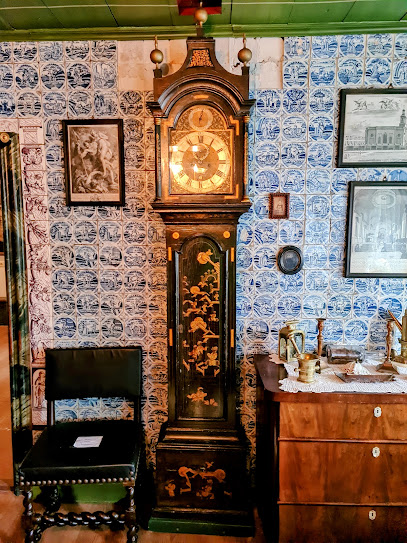
Hallig Hooge
12.3 km
Experience the serene beauty and rich cultural heritage of Hallig Hooge, a hidden gem in the North Frisian Wadden Sea, perfect for nature lovers.
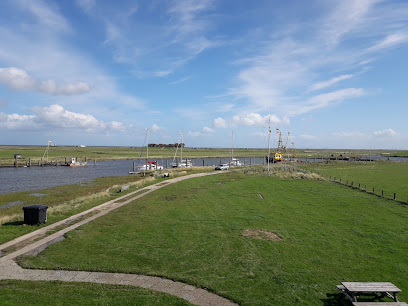
Leuchtturm Pellworm
14.2 km
Discover the historic Leuchtturm Pellworm, a scenic lighthouse on Pellworm island, offering breathtaking views and rich maritime history.
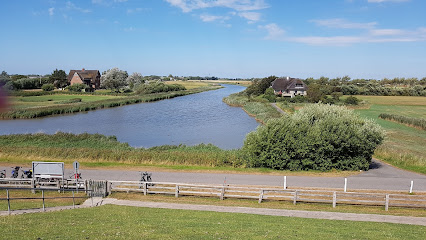
Amrum Lighthouse
17.4 km
Experience the stunning views and rich history at Amrum Lighthouse, a picturesque must-visit destination in Nebel, Germany.
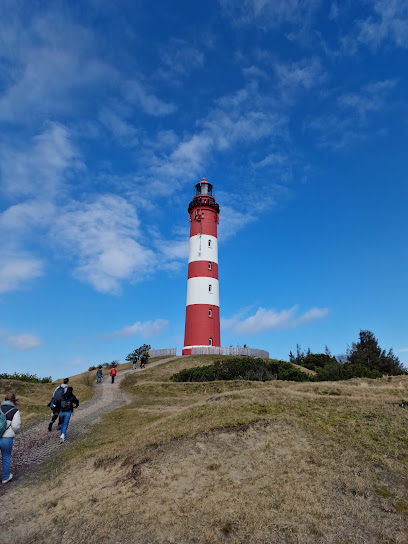
Westerheversand lighthouse
17.5 km
Discover the stunning Westerheversand Lighthouse, a historic emblem of maritime heritage on the breathtaking North Sea coast, perfect for nature lovers and explorers.
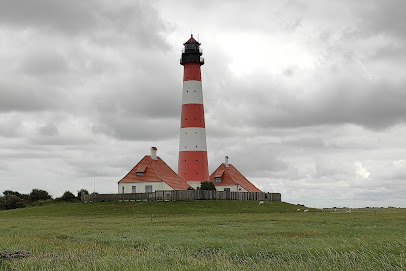
Öömrang-Hüs
19.5 km
Discover the rich heritage of the Frisian islands at Öömrang-Hüs, a captivating museum in Nebel showcasing unique cultural artifacts and traditions.
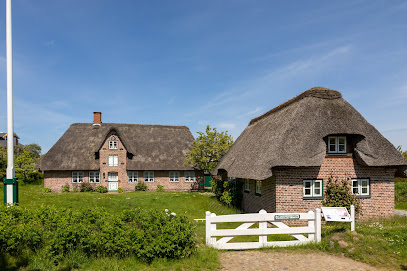
Tümlau Bay
20.6 km
Experience the serene beauty of Tümlau Bay in Germany, a picturesque coastal retreat perfect for relaxation and nature exploration.
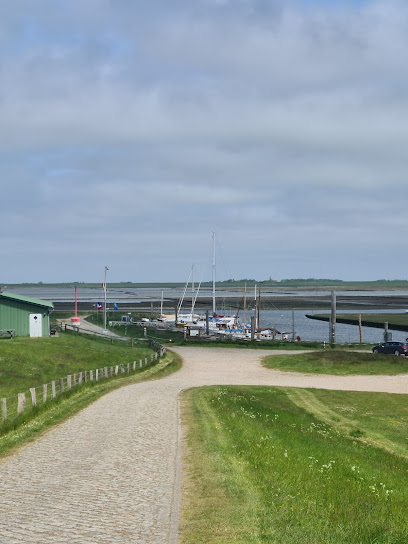
Amrumer Dünen
20.6 km
Explore the natural beauty of Amrumer Dünen, a stunning nature preserve in Germany, perfect for relaxation, wildlife spotting, and breathtaking photography.
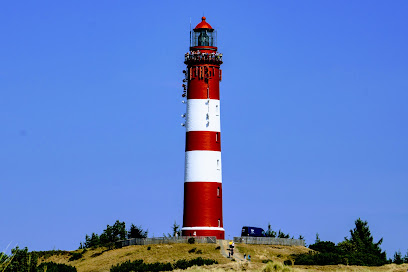
Erlebnispromenade II
22.0 km
Experience the vibrant Erlebnispromenade II in Sankt Peter-Ording, a perfect blend of beachside relaxation, adventure, and local flavors.
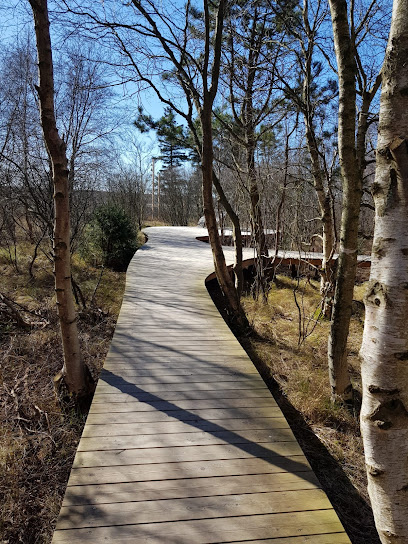
Goting Kliff
22.3 km
Discover the breathtaking Goting Kliff on Föhr Island, where stunning sea views and nature trails await every traveler.
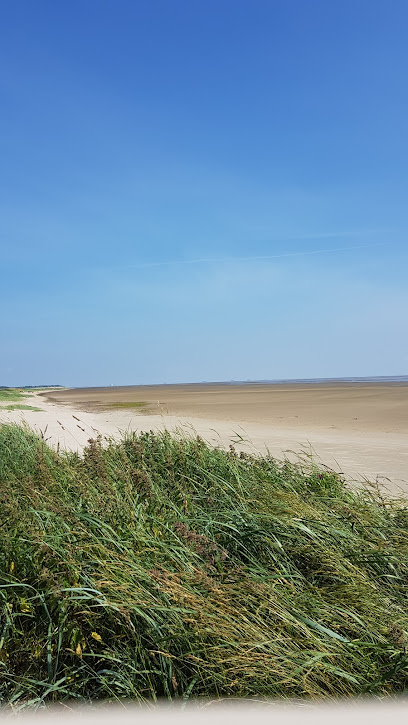
Leit- und Quermarkenfeuer Norddorf
22.5 km
Explore the enchanting Leit- und Quermarkenfeuer Norddorf, a historic lighthouse offering breathtaking views and a glimpse into maritime heritage.
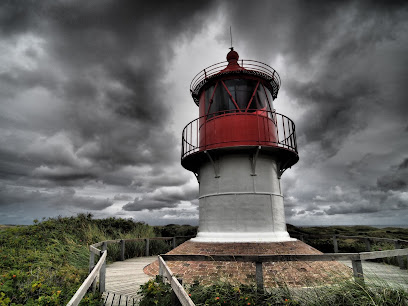
Haus Redlefsen
22.7 km
Discover the tranquil beauty of Haus Redlefsen in Wyk auf Föhr, a coastal attraction perfect for nature lovers and cultural enthusiasts alike.
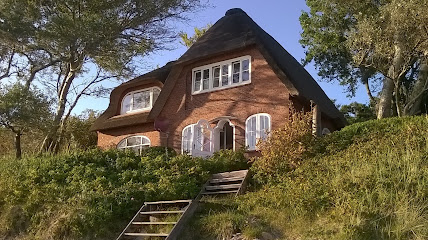
Salzwiesen
23.7 km
Explore Salzwiesen in St. Peter-Ording for breathtaking coastal views, rich wildlife, and serene landscapes perfect for adventure and relaxation.
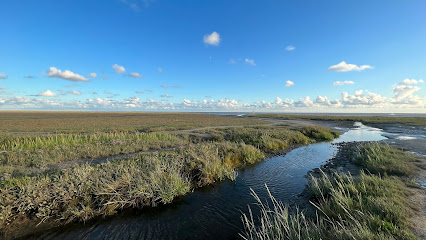
Essential places to dine

Ristorante - Cafe - Pizzeria Strand No.1
21.7 km
Discover exquisite Italian cuisine at Ristorante - Cafe - Pizzeria Strand No.1, where seaside charm meets culinary excellence in Sankt Peter-Ording.
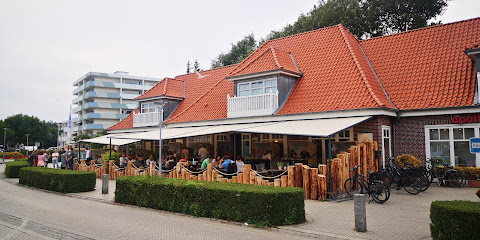
Eiderstedter Krog
24.4 km
Discover authentic German cuisine at Eiderstedter Krog in Tating - where flavor meets tradition in a cozy setting.
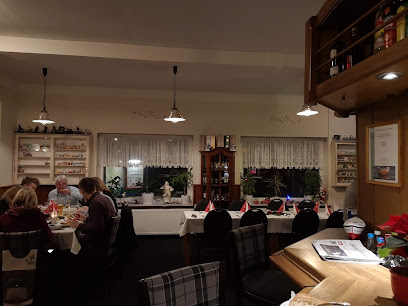
Hallig Krog
27.0 km
Experience authentic regional cuisine at Hallig Krog in Hamburger Hallig – where culinary excellence meets stunning natural beauty.
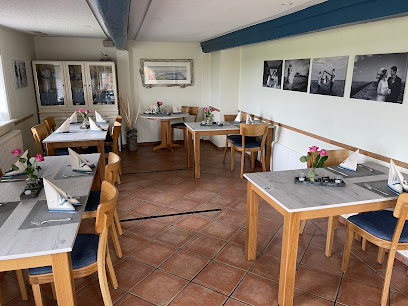
Salt & Silver am Meer
27.1 km
Experience exquisite seafood dining with breathtaking ocean views at Salt & Silver am Meer in Sankt Peter-Ording.
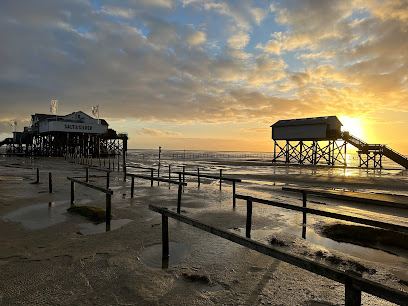
Hotel-Restaurant England
27.9 km
Experience serene comfort and exceptional cuisine at Hotel-Restaurant England in Nordstrand - your perfect getaway.
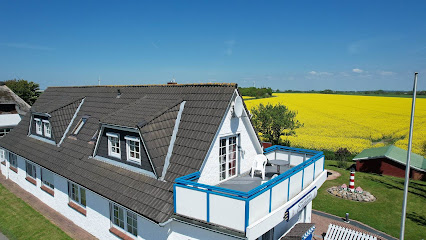
Siel59 - Hotel | Restaurant
29.7 km
Experience authentic German flavors at Siel59 – your cozy hotel and restaurant retreat in Ockholm.
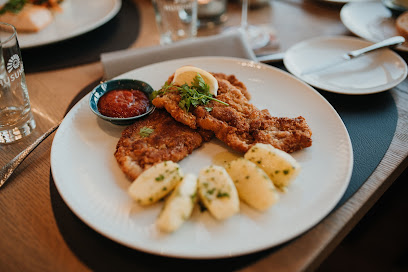
MS Glücklich am Meer GbR - Markus Siegesmund
35.9 km
Experience delicious pizza takeout at MS Glücklich am Meer in Husum, where fresh ingredients meet coastal charm.
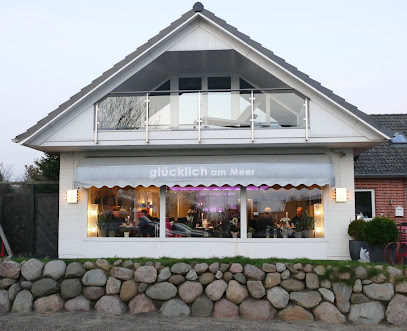
DREILANDE-das Restaurant
37.0 km
Discover authentic German flavors at DREILANDE-das Restaurant in Tönning - where every meal tells a story.
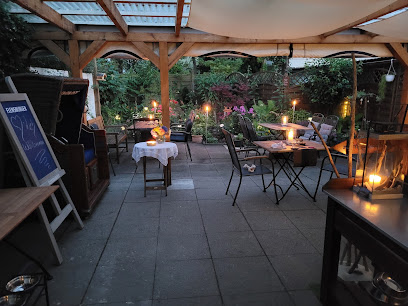
Restaurant Roter Hahn
37.0 km
Experience local flavors at Restaurant Roter Hahn in Tönning – where tradition meets taste in a cozy setting.
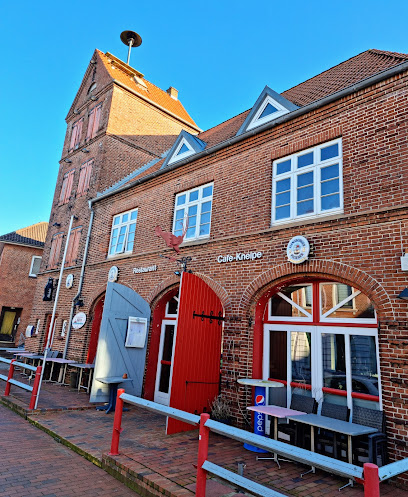
Gaststätte Herrngabe
37.1 km
Discover authentic German flavors at Gaststätte Herrngabe in Breklum - where tradition meets taste in every dish.
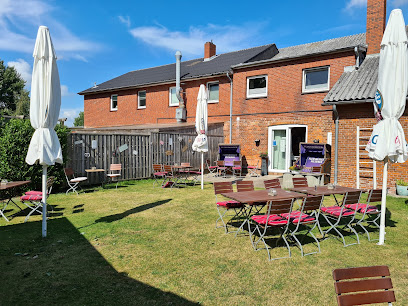
Restaurant Zum Alten Anleger
37.3 km
Experience exquisite seafood dining at Restaurant Zum Alten Anleger in Tönning - where local flavors meet breathtaking views.
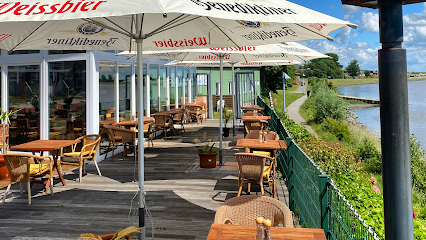
Kirchspielskrug Möllgaard
37.6 km
Discover authentic German cuisine at Kirchspielskrug Möllgaard in Breklum – where local ingredients meet warm hospitality.
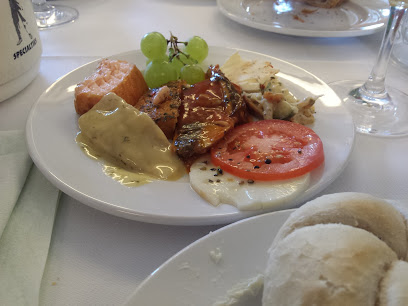
Nordfriesisches Lammkontor
38.6 km
Discover Nordfriesisches Lammkontor in Husum - where gourmet meats meet antique charm in an inviting bistro setting.
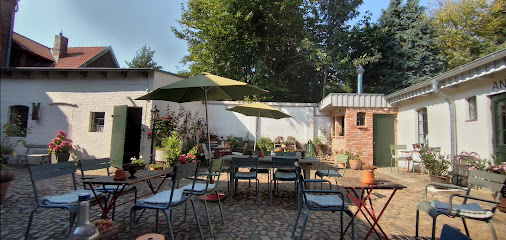
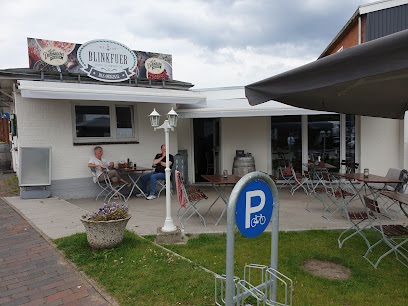
Blinkfuer by Oliver Borchert
38.6 km
Experience exquisite European dining at Blinkfuer by Oliver Borchert in Husum with stunning harbor views and exceptional seafood.
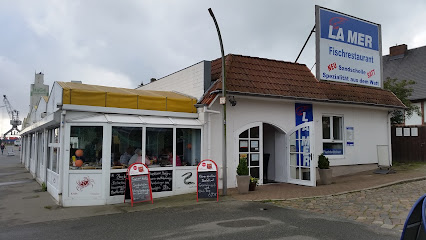
Restaurant La Mer
38.6 km
Experience exquisite seafood dining at Restaurant La Mer in Husum – where local flavors meet stunning harbor views.
Markets, malls and hidden boutiques

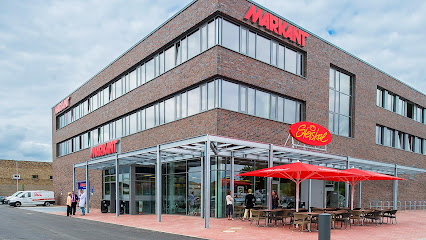
Markant-Markt Husum
38.7 km
Explore Markant-Markt Husum, the ultimate destination for local produce and gourmet delights in the heart of Husum.
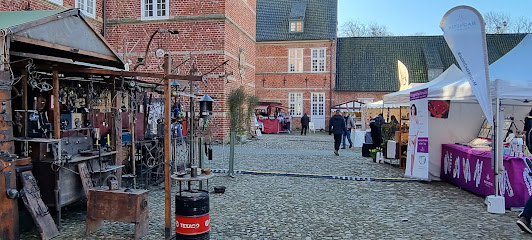
Action Husum
38.7 km
Explore Action Husum: Your one-stop shop for unique gifts, DIY supplies, and local treasures in the heart of Husum.
Neptun
38.8 km
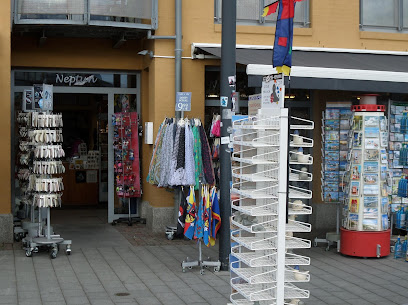
Explore Neptun in Husum, a delightful gift shop filled with unique souvenirs and local treasures reflective of the coastal charm.
bonnie+susi der gute laden
38.8 km
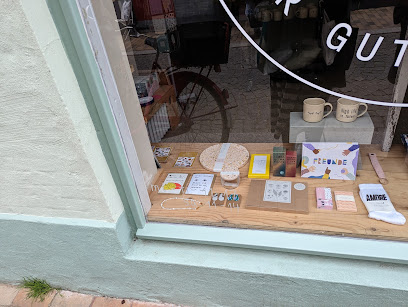
Discover unique gifts and local crafts at Bonnie + Susi Der Gute Laden in Husum, a charming gift shop showcasing the artistry of the region.
Merlinum Magic Candy
38.8 km
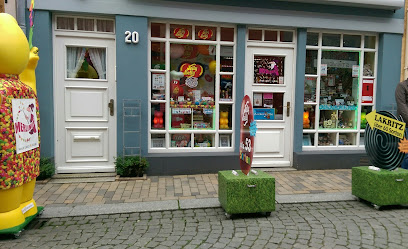
Discover a whimsical candy wonderland at Merlinum Magic Candy in Husum, offering a delightful selection of sweets and gifts for all ages.
Zeitgeist Husum
38.8 km
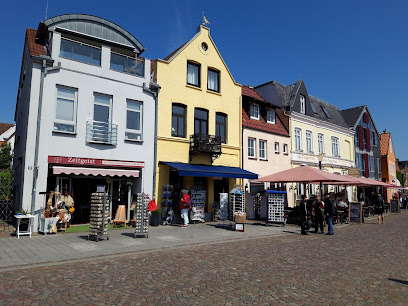
Explore the charm of Husum at Zeitgeist Husum, where unique gifts and local crafts await every traveler.
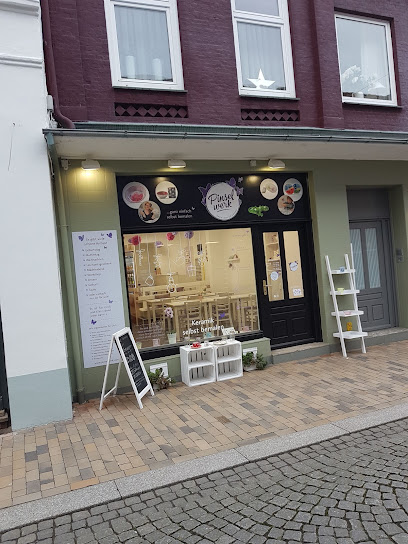
Pinselwerk
38.8 km
Explore Pinselwerk, Husum's premier pottery store, showcasing exquisite handmade ceramics that embody local craftsmanship and culture.
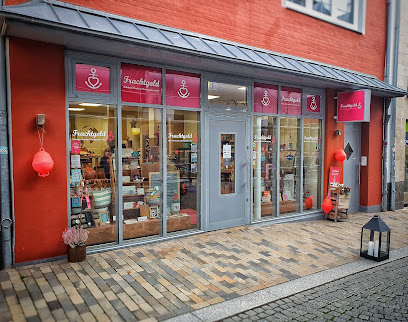
FRACHTGOLD
38.9 km
Explore FRACHTGOLD in Husum for unique gifts and local delicacies, capturing the essence of the region.
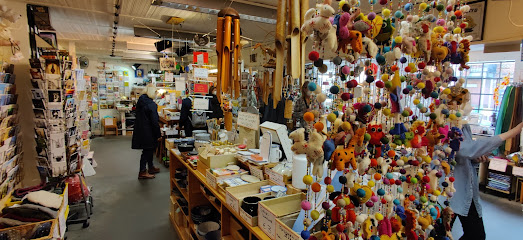
MISCHMASCH
38.9 km
Discover unique gifts and local crafts at MISCHMASCH – a charming gift shop in the heart of Husum, perfect for souvenirs and memories.
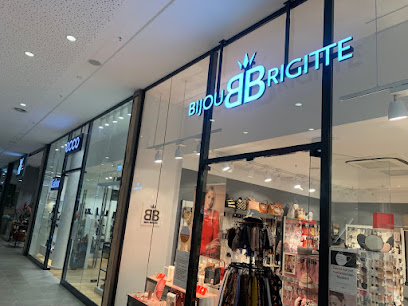
Bijou Brigitte modische Accessoires AG
39.0 km
Bijou Brigitte in Husum: Your ultimate destination for stylish fashion accessories, from chic jewelry to trendy handbags, for every occasion.
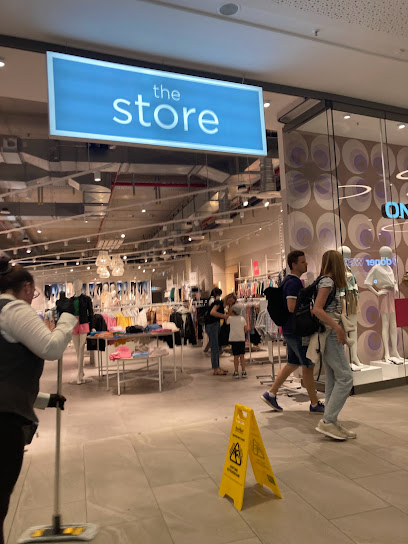
the Store
39.0 km
Explore Husum's fashion scene at The Store, where style meets quality in a delightful shopping experience.
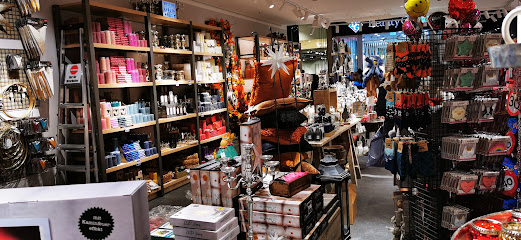
NANU-NANA
39.0 km
Discover unique gifts and home decor at NANU-NANA in Husum, where creativity meets charm in every aisle.
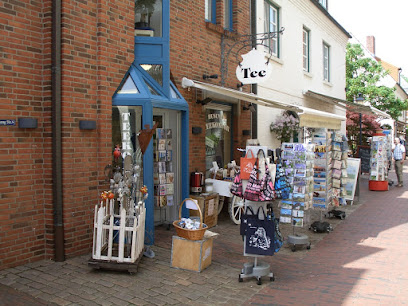
Teekontor Nordfriesland Inh. Carola Hansen
39.0 km
Discover the aromatic world of teas at Teekontor Nordfriesland, a must-visit tea store in Husum offering a diverse selection and expert advice.
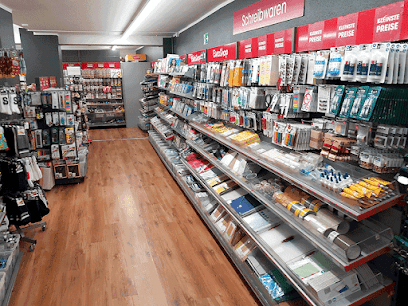
EuroShop
39.0 km
Explore EuroShop in Husum for unique gifts, affordable home goods, and delightful stationery that captures the essence of your travels.
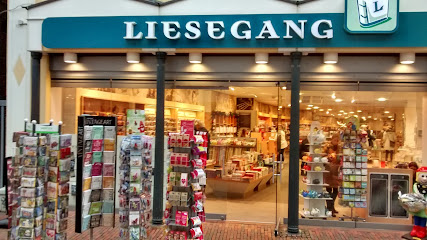
Buchhandlung Liesegang
39.1 km
Discover a charming bookstore and gift shop in Husum, offering a wide selection of books, stationery, and local event tickets.
Essential bars & hidden hideouts

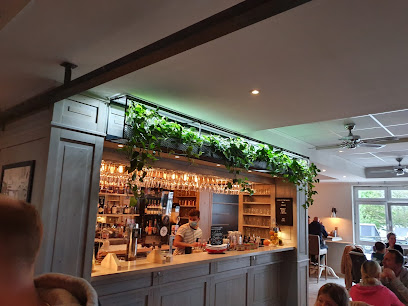
O.N.O old night owl
19.6 km
Discover the cozy atmosphere and delightful menu at O.N.O Old Night Owl, a must-visit bar and restaurant in St. Peter-Ording.
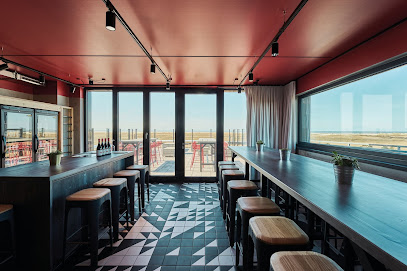
Scraper's Club
21.8 km
Discover the cozy Scraper's Club in Sankt Peter-Ording, where local flavors and a vibrant atmosphere await you.
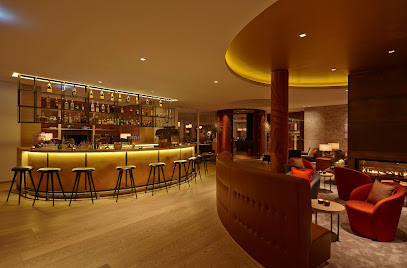
Carls Lobby & Bar
22.4 km
Experience the perfect blend of comfort and style at Carls Lobby & Bar in Sankt Peter-Ording, where exceptional drinks meet a cozy atmosphere.
Treffpunkt St. Peter-Ording
23.0 km
Discover the cozy charm of Treffpunkt St. Peter-Ording, a welcoming pub in the heart of Sankt Peter-Ording, perfect for relaxation and local brews.
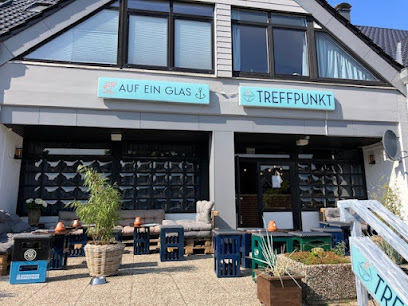
Egan's Pub
23.5 km
Experience the vibrant atmosphere and authentic German hospitality at Egan's Pub in Tating, where locals and tourists come together to enjoy great drinks and good company.
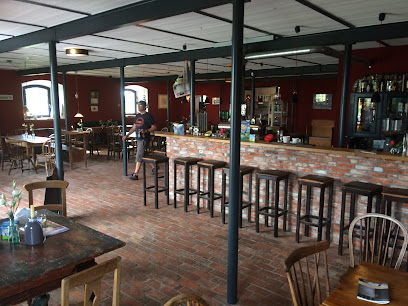
Felix Bar
24.0 km
Discover the lively atmosphere of Felix Bar in Tating, where exquisite cocktails, delicious cuisine, and a vibrant setting come together for an unforgettable experience.
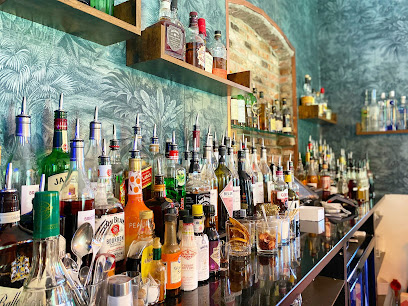
Dat Kontor / Tina Pieschke
27.7 km
Discover the vibrant atmosphere of Dat Kontor, Garding's charming bar offering local drinks and delightful experiences in a cozy setting.
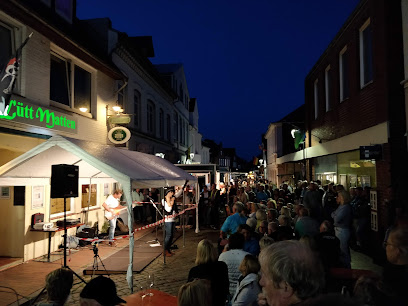
Bartelli
38.7 km
Discover Bartelli, a vibrant bar in Husum offering a cozy atmosphere, diverse drink selection, and stunning harbor views for an unforgettable night out.
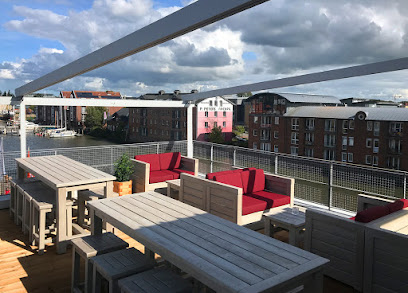
Blockhütte
38.7 km
Experience local charm and vibrant atmosphere at Blockhütte, a cozy pub in Husum offering delightful drinks and hearty fare.
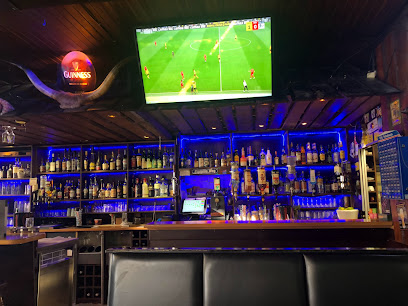
Friesenhütte
38.8 km
Discover the vibrant nightlife at Friesenhütte, a cozy bar in Husum, perfect for unwinding after a day of exploration with friends and local brews.
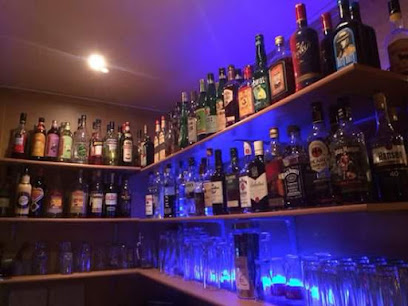
Aristos Pub
38.8 km
Discover the charm of Aristos Pub in Husum, where cozy vibes meet a delightful selection of drinks and a friendly atmosphere.
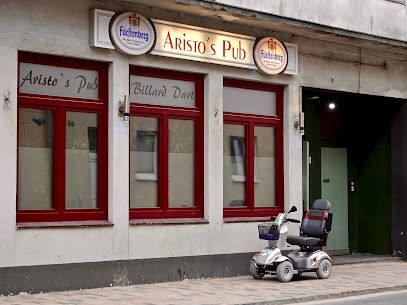
Husum Pub
38.9 km
Discover the inviting atmosphere and delightful flavors at Husum Pub, where local and Irish cuisine meet in the heart of Husum.
Zum goldenen Anker
38.9 km
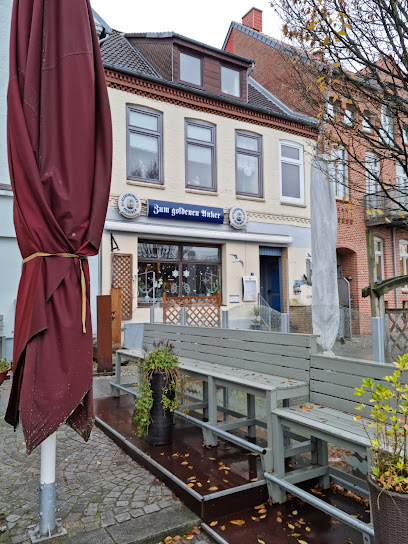
Discover the lively atmosphere of Zum goldenen Anker, a charming pub in Husum ideal for enjoying local brews and authentic German dishes.
Beachbar Husum
38.9 km
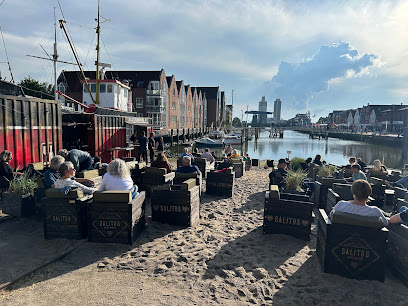
Experience the charm of Beachbar Husum, where stunning harbor views meet refreshing drinks in a laid-back coastal paradise.
Krüger´s
39.0 km
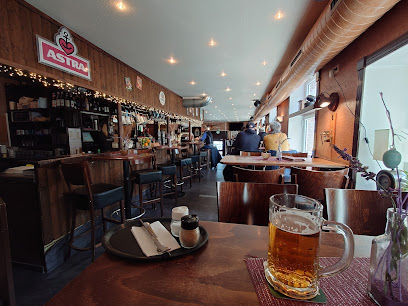
Experience the cozy charm of Krüger's, a delightful bar in Husum serving a wide selection of drinks in a friendly atmosphere.