
Mid and West Jutland Railway Museum (Midt- og Vestjyllands Jernbanemuseum)
A compact railway museum in Struer’s former freight office, where locomotives, archives and an old command post reveal how the rails transformed Mid and West Jutland.
Housed in the former DSB freight office by the tracks in Struer, the Mid and West Jutland Railway Museum is a compact, characterful museum dedicated to the railways that transformed this corner of Denmark. Among locomotives, wagons, signalling gear and piles of photos and archives, you uncover how a tiny Limfjord settlement became a major railway junction. Hands-on details, evocative objects and the chance to peek into the old command post make this a rewarding stop for rail fans and curious visitors alike.
A brief summary to Mid and West Jutland Railway Museum
- Godthåbsvej 10, Struer, 7600, DK
- +4540938469
- Visit website
- Duration: 1 to 2 hours
- Budget
-
 Mixed
Mixed
- Mobile reception: 4 out of 5
- Monday 9 am-12 pm
- Wednesday 9 am-12 pm
Local tips
- Check seasonal opening hours in advance; regular hours are limited, with extra afternoon and weekend openings mainly in summer and school holidays.
- Plan around one to two hours for the museum itself, and allow extra time if you are particularly interested in the rolling stock or archival material.
- Ask staff on arrival whether the historic command post is open during your visit, as access depends on staffing on the day.
- Bring a light jacket: parts of the rolling stock area can feel cool or draughty, even on otherwise mild days.
- Combine your visit with nearby cultural attractions in Struer to make a rewarding half-day focused on local history and technology.

For the on-the-go comforts that matter to you
- Restrooms
- Seating Areas
- Trash Bins
- Information Boards
Getting There
-
Train from regional Jutland towns
From nearby regional hubs such as Holstebro or Skive, take a regional train to Struer Station; most journeys take about 20–40 minutes depending on the route. A standard adult single ticket within this part of Jutland typically costs around 40–80 DKK. Services generally run at least once an hour during the day, with reduced frequency in late evenings and on some weekends. From the station area it is a short, level walk to the museum, suitable for most visitors.
-
Train from Aarhus or Aalborg
From larger cities like Aarhus or Aalborg, direct or connecting regional trains run to Struer, usually taking about 2–3 hours depending on timetable and transfers. Expect an adult single ticket to cost in the region of 140–220 DKK, with advance purchase and off-peak options sometimes cheaper. Trains offer toilets and space for luggage, and seat reservations are optional on most regional services. Once in Struer, the museum is located close to the station area.
-
Car from surrounding areas
Arriving by car from nearby West Jutland towns typically takes 20–45 minutes on well-maintained regional roads. There is usually free or low-cost parking available in the vicinity of the station and museum area, but spaces can be busier on weekday mornings. Fuel costs vary with distance and vehicle, but day visitors from within 50–70 km can expect fuel expenses broadly in the 60–150 DKK range for a return trip.
-
Bicycle within Struer
If you are staying in Struer itself, reaching the museum by bicycle is straightforward, as the town is compact and relatively flat. Most routes from residential areas take about 10–20 minutes of easy cycling. Surfaces are a mix of quiet streets and cycle-friendly roads, making this an accessible option for families with older children. Bring a basic lock so you can secure your bicycle near the station area while you visit.
Mid and West Jutland Railway Museum location weather suitability
-
 Any Weather
-
 Rain / Wet Weather
-
 Cold Weather
-
 Mild Temperatures
Discover more about Mid and West Jutland Railway Museum
From quiet Limfjord village to busy junction
Struer’s story is inseparable from the railway, and this museum tells that story where it actually happened. When the first line from Aarhus and Langå reached Struer in 1865, the town was a small Limfjord community of around 150 people. Within three decades, rail connections and new lines had turned it into a bustling transport hub with thousands of inhabitants and, later, full market-town status. The museum walks you through this transformation, showing how tracks, timetables and workshops reshaped daily life and work across Mid and West Jutland. Panels, maps and photographs explain how Struer grew into a key junction with four railway lines radiating across the region. You get a sense of the complex operations hidden behind a simple departure board: traffic control, planning offices, track maintenance and engineering all concentrated here, radiating influence far beyond the town itself.Engines, wagons and the machinery of movement
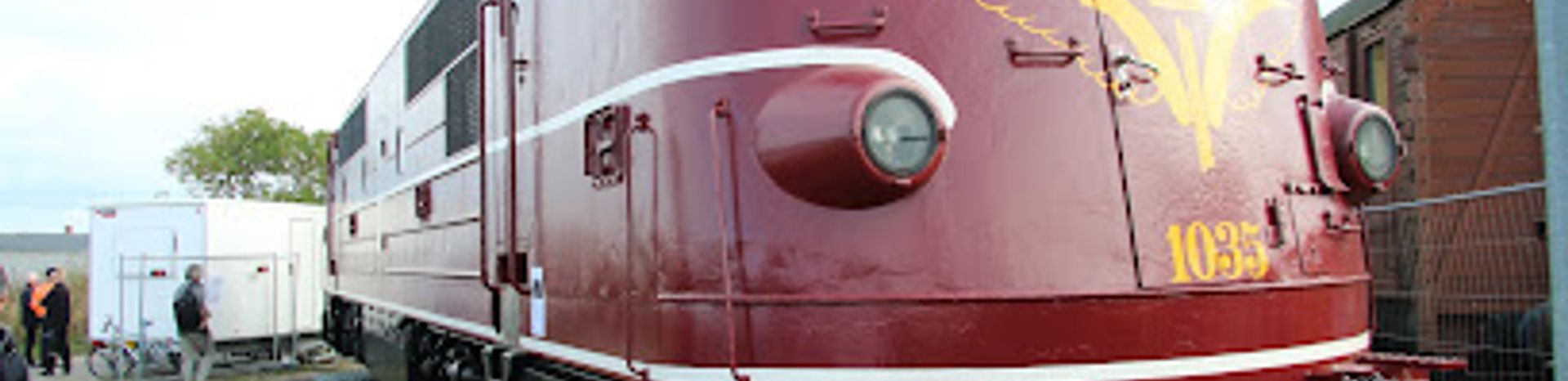
The heart of the museum is its collection of rolling stock and railway equipment. Over several decades, a dedicated support association has assembled diesel locomotives, shunting tractors, maintenance trolleys, freight wagons and a mix of historic carriages. Walking alongside them you can compare compact industrial machines with more powerful mainline engines, each bearing the patina of decades in service. Look closer and you find a wealth of small details: worn footplates, maker’s plates, couplings, lamps and tools. A post wagon hints at the era when letters and parcels criss-crossed the country by rail, while a lying coach evokes overnight journeys through Jutland’s flat landscapes. Interpretive notes help you understand what each vehicle did and why it mattered to such a sparsely populated region.Inside the old freight office and command post
The museum occupies DSB’s former freight expedition building right by the railway area, so the architecture itself is part of the exhibit. Brick walls, large doors and office rooms recall a time when goods arrived in wagons rather than trucks. Here freight was registered, weighed and forwarded, connecting farmers, factories and shops to the rest of Denmark. One of the most atmospheric experiences is the chance, when staffing allows, to visit Struer’s historic command post. This elevated nerve centre once coordinated train movements around the junction. Surrounded by levers, diagrams and communication devices, you can imagine the responsibility of keeping busy lines running safely and on time, especially during harsh winters or summer holiday peaks.People behind the uniforms and timetables
Beyond machinery and buildings, the museum also highlights the human side of railway life. For decades, more than a quarter of Struer’s working population drew their income from the railways. Drivers, guards, signalmen, clerks and maintenance crews created a tight-knit professional community that shaped local culture, rhythms and even fashion. Photographs and archival material reveal staff groups, family outings and everyday scenes from stations across Mid and West Jutland. The writer Johannes Buchholtz, himself a railway man, famously described Struer as a “uniform town” because of the many employees in DSB attire. At the museum, this phrase materialises in caps, badges, rulebooks and personal effects, each giving a glimpse into pride, hierarchy and camaraderie on and off duty.Exploring at your own pace – and with expert guidance
The museum is compact enough to explore in an hour or two yet dense with objects. You can browse photo collections and documents from stations throughout the region, compare timetables across decades and trace closed branch lines on old maps. Enthusiasts will enjoy identifying locomotive classes and technical details, while casual visitors can simply soak up the atmosphere of an industry that once dominated local life. At set times or by prior arrangement, guided tours are available for groups outside regular opening hours. These walks through the collection and command post offer deeper technical insights, anecdotes from former staff and stories of incidents, innovations and everyday routines along the Jutland rails.Practical visiting notes
The museum keeps limited but regular opening hours year-round, with extra days in the summer weeks and selected holidays. Admission is free for children and young people under 18, while adults pay a modest entry fee, making it a good-value stop on a wider visit to Struer. The location by the active tracks gives constant background sounds of contemporary trains, linking the preserved past to the living railway outside. Simple facilities and the manageable size make this an easy inclusion in a half-day in town, especially when combined with nearby cultural sights. Whether you arrive as a rail devotee, a family with children fascinated by big machines or simply someone curious about how transport reshapes communities, the Mid and West Jutland Railway Museum offers a focused, authentic window into Denmark’s railway heritage.For the vibe & atmosphere seeker
- Scenic
- Fun-filled
- Unique
- Casual
For the architecture buff
- Historic
- Industrial
- Landmarks
For the social media creator & influencer
- Photo Spots
- Architectural Shots
- Reel-Friendly
For the eco-conscious traveler
- Low Impact
- Public-Transport Accessible
- Locally Managed
For the kind of experience you’re after
- Cultural Heritage
- Photowalk
- Adventure Photo Shoot
- Day Trip
- Roadtrip Stop
For how adventurous you want the journey to be
- Easy Access
Location Audience
- Family Friendly
- Senior Friendly
- Child Friendly
- Teen Friendly
- Solo Friendly
- Couple Friendly
- Solo Female Friendly
- Business Friendly


