

Free West Jutland Travel Guide & Mobile App
Explore West Jutland with free travel guides. Discover regional history, expert tips, proposed trips, and audio guides on web or mobile app.


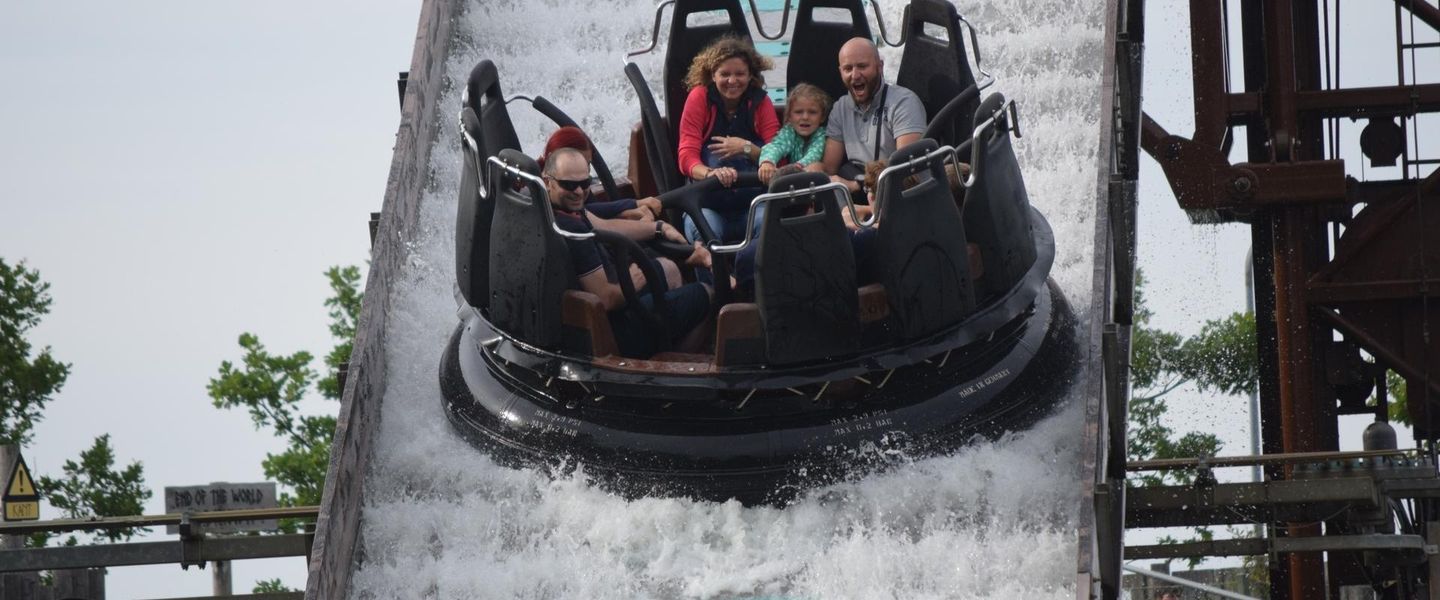


Explore West Jutland’s North Sea beaches, tidal Wadden Sea, Viking heritage, fishing towns, dunes and wide-open coastal landscapes.
Read more about West Jutland
When is the best time to visit West Jutland?
Best: June–August · 18–20°C| Month | High (°C) | Rainfall (mm) |
|---|---|---|
| January | 4 | 55 |
| February | 4 | 45 |
| March | 6 | 50 |
| April | 10 | 45 |
| May | 15 | 50 |
| June (best) | 18 | 60 |
| July (best) | 20 | 65 |
| August (best) | 20 | 70 |
| September | 17 | 65 |
| October | 13 | 60 |
| November | 8 | 60 |
| December | 4 | 65 |
Getting to and around West Jutland
How to get there
Transportation
Top city travel guides in West Jutland
The cities of West Jutland, and the easiest places to base yourself.
-

-

-

-

-

-


Swipe for more cities
Destinations in West Jutland
Resorts, valleys and scenic spots worth a trip of their own.
-

-

-

-

-

-


Swipe for more destinations
Best attractions in West Jutland
West Jutland’s attractions are defined by the meeting of sea, tidal wetland and working countryside. The Wadden Sea National Park in the south offers birdwatching, salt-marsh landscapes and guided walks across tidal flats, while the coast around Esbjerg and Ribe combines maritime museums, historic streets and access to the wide southern beaches. Ribe’s Viking heritage and medieval centre provide the region’s richest concentration of cultural history. Further north, the North Sea coast brings broad beaches, dune systems, fishing harbours and nature areas around Hvide Sande, Thyborøn and the Ringkøbing Fjord. National Park Thy extends across a large landscape of dunes, lakes, heath and plantation, with walking and cycling routes that reveal a wilder side of western Jutland. Inland attractions include open-air heritage environments, local museums, manor landscapes and market towns such as Ringkøbing and Lemvig. Families can find activity parks and coast-focused museums, while outdoor visitors are drawn to hiking, cycling, birdwatching, fishing and watersports. The attraction landscape is dispersed, making regional planning important but rewarding visitors with varied contrasts between tidal south, central fjord country and the exposed northern coast.
-
Theme park
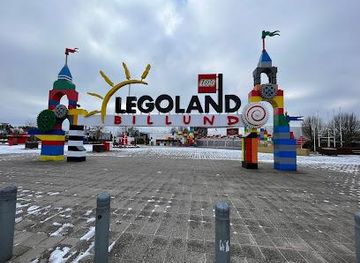
LEGOLAND® Billund Resort
The original LEGO theme park, where detailed brick-built worlds, gentle coasters and hands-on play come together in a colourful family resort beside Billund.
-
History museum
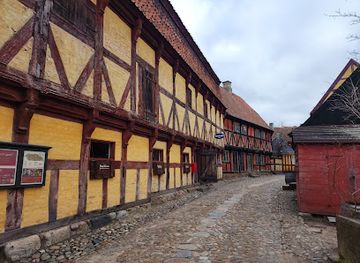
The Old Town
Step into a full‑scale Danish town of cobbled streets and time‑capsule homes, where centuries of everyday life unfold from timber‑framed markets to modern city life.
-
Amusement park
Djurs Sommerland
Scandinavia's largest amusement park with 60+ rides, world-class coasters, and unlimited access once admitted.
-
Museum
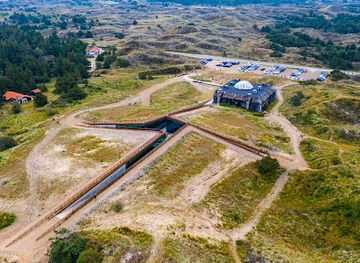
Tirpitz Museum
A bunker-turned–“invisible museum” buried in the dunes, Tirpitz blends cutting-edge design, wartime history and North Sea stories in one striking coastal complex.
Best landmarks in West Jutland
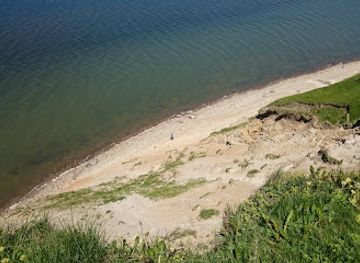
Ribe Cathedral is West Jutland’s most recognisable historic landmark, rising above Denmark’s oldest town and reflecting the settlement’s medieval importance as a bishopric and trading centre. In Esbjerg, the monumental white sculpture Man Meets the Sea stands beside the coast at Sædding and has become a powerful symbol of the city’s relationship with the North Sea. The region’s natural landmarks are equally significant: the tidal flats and open horizon of the Wadden Sea, the dune landscapes along the North Sea, and the long waterline of the Ringkøbing Fjord define West Jutland visually and geographically. The Atlantic Wall bunkers scattered through coastal dunes form a stark twentieth-century layer, linking beaches with the history of occupation and wartime defence. In northern West Jutland, the exposed cliffs and coastal formations around Bovbjerg, including Bovbjerg Lighthouse, show the force of erosion on the western shore. Harbours at Hvide Sande, Thyborøn and Hanstholm are working landmarks rather than preserved monuments, offering a direct view of fishing, shipping and the region’s continuing maritime economy.
-
Memorial park
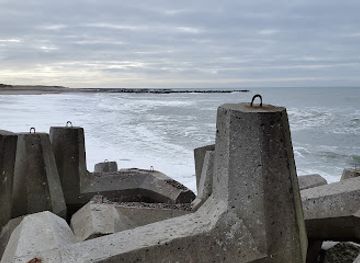
Memorial Park for the Battle of Jutland / Mindeparken for Jyllandsslaget
A solemn granite memorial to 8,645 sailors lost in history's largest naval battle, set amid North Sea dunes.
Explore West Jutland on the map
Plan your trip on one map. See where the top cities, national parks and sights are, and book hotels and experiences in a few clicks.
Best hotels in West Jutland
Best restaurants in West Jutland
West Jutland’s food culture reflects its maritime ports, dairy farms, sandy soils and practical rural cooking. Fresh North Sea fish, prawns, smoked products and seasonal catches feature prominently in harbour restaurants, smokehouses and cafés, while many menus also draw on lamb, beef, potatoes, rye bread and locally produced dairy. The Wadden Sea and coastal marshes support food traditions connected with salt-marsh grazing and seasonal produce, although exact dishes vary from town to town. Ribe and Esbjerg offer the broadest choice of restaurants, whereas smaller coastal communities tend towards fish restaurants, bakeries, traditional inns and informal cafés. Farm shops and food markets are useful places to find preserves, cheeses, beer and other regional products. Dining times can be quieter outside the summer season, particularly in small villages, so advance planning is sensible for evening meals. Contemporary restaurants increasingly combine Danish cooking with local ingredients, but the strongest sense of place often comes from simply eating fish, rye bread or dairy products close to the harbour or countryside where they are produced.
-
Pizza
Ristorante Pizzeria Italia
Cosy Italian trattoria in the heart of Ringkøbing, serving crisp pizzas, hearty pasta and three‑course menus from lunchtime through relaxed coastal evenings.
-
Seafood
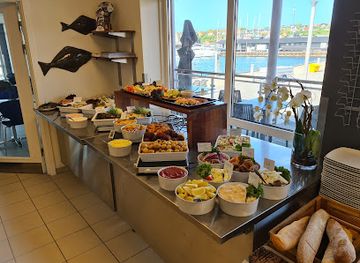
Bjarnes Fisk og Fisketeria
Harborfront fish shop and casual seafood eatery in Lemvig, serving fresh catch from Thyborøn, smoked specialties and Danish classics with a Limfjord view.
-
Danish
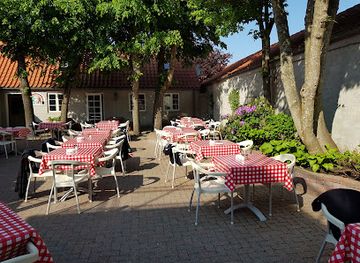
Den Bette Kro
Cosy Aalborg kro specialising in generous smørrebrød, classic Danish comfort dishes, beer and snaps, served in an intimate tavern room and sheltered courtyard.
-
French
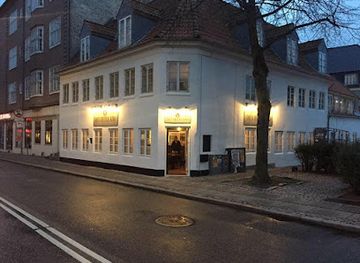
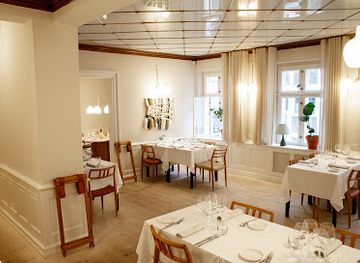
Restaurant ET
French bistro spirit, Danish ingredients and a serious wine cellar come together in a cosy 19th‑century courtyard restaurant in the heart of central Aarhus.
Best bars in West Jutland
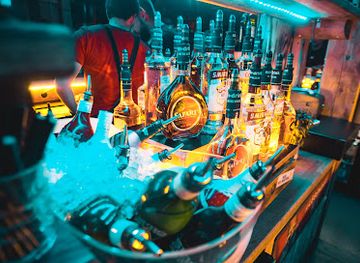
Nightlife in West Jutland is generally modest and town-centred rather than built around large club districts. Esbjerg has the widest choice of bars, pubs, live-music settings and late-evening venues, while Ribe, Ringkøbing, Holstebro and other larger towns provide traditional pubs, cafés, restaurants and occasional cultural events. Along the holiday coast, Hvide Sande, Søndervig, Blåvand and related resorts become busier in the main season, with relaxed bars and venues connected to tourism, but the atmosphere varies considerably outside summer. In fishing towns, harbour pubs and informal restaurants remain more characteristic than nightclubs. Visitors should expect Danish social drinking customs to be fairly relaxed and direct, with many evenings built around conversation, food or music rather than a fixed nightlife itinerary. Rural areas can become quiet early, and taxis or public transport may be limited late at night, so arranging a return journey is important.
-
Bar
Ølluminati Brewbar
Intimate microbrewery bar in Viborg’s old town, pouring inventive house-brewed craft beers amid candlelight, quirky décor and relaxed Danish hygge.
-
Pub
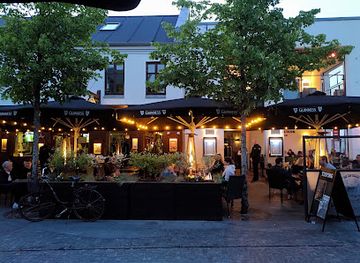
Big Ben Old English Pub
Easy-going English-style pub on Varde’s main square, serving hearty comfort food, cold draft beer and relaxed entertainment from lunchtime to late night.
-
Bar
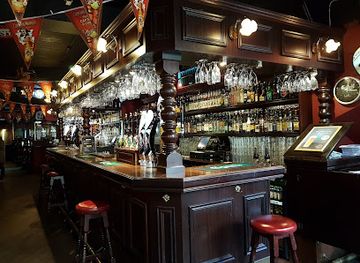
Fox and Hounds
A cozy British-style pub in central Herning, pairing hearty comfort food with a broad beer list and late-night bar energy on lively Östergade.
-
Bar
Zwei Grosse Bier Bar
German-themed beer bar with Alpine après-ski vibes and free table reservations in central Viborg.

Best nightclubs in West Jutland
Nightlife in West Jutland is generally modest and town-centred rather than built around large club districts. Esbjerg has the widest choice of bars, pubs, live-music settings and late-evening venues, while Ribe, Ringkøbing, Holstebro and other larger towns provide traditional pubs, cafés, restaurants and occasional cultural events. Along the holiday coast, Hvide Sande, Søndervig, Blåvand and related resorts become busier in the main season, with relaxed bars and venues connected to tourism, but the atmosphere varies considerably outside summer. In fishing towns, harbour pubs and informal restaurants remain more characteristic than nightclubs. Visitors should expect Danish social drinking customs to be fairly relaxed and direct, with many evenings built around conversation, food or music rather than a fixed nightlife itinerary. Rural areas can become quiet early, and taxis or public transport may be limited late at night, so arranging a return journey is important.
-
-
Disco club
East End Holstebro
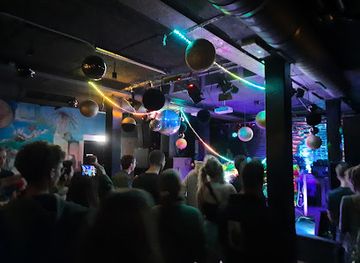
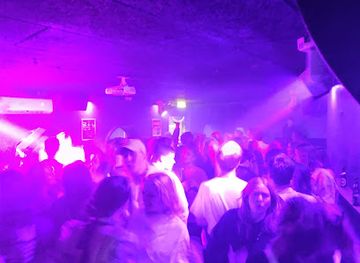
Lively late-night nightclub in central Holstebro, mixing DJs, colorful lights and a packed dance floor for partygoers looking to extend the night until dawn.
-
Night club
GBAR
Lively LGBTQ+ bar and nightclub in central Aarhus, mixing drag shows, pop anthems and a cosy roof terrace into one welcoming late‑night dance spot.
-
Night club
Bernhardt Natklub
High-energy weekend nightclub on Aarhus’ central square, serving cocktails, big beats and late-night dancing in stylish, modern surroundings until the early hours.

Best shops in West Jutland
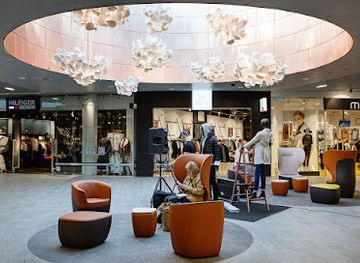
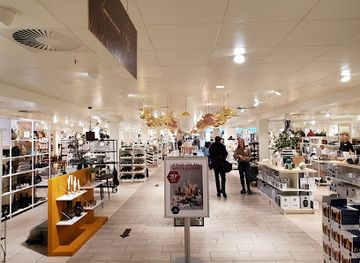
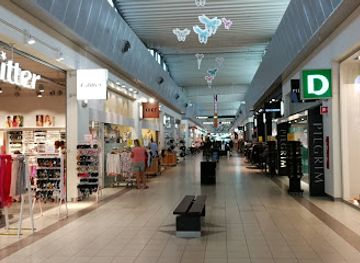
Shopping in West Jutland is concentrated in market towns, coastal resorts and the larger urban centre of Esbjerg rather than in extensive luxury districts. Esbjerg provides the broadest selection of mainstream shops, department-style retail, cafés and independent businesses, while Ribe, Ringkøbing, Lemvig and Holstebro are better known for walkable town centres with smaller shops, galleries, antiques, books and locally oriented products. Coastal resorts add seasonal boutiques, outdoor clothing, beach goods and holiday souvenirs. Farm shops and food producers are particularly worthwhile for cheeses, smoked fish, preserves, chocolate, beer and other Danish specialities, although opening arrangements vary outside the main season. Craft galleries may offer ceramics, textiles, jewellery and contemporary design, often reflecting the region’s links with landscape and the sea. Visitors should distinguish durable local products from generic beach merchandise, and should check market days or seasonal opening times before making a special journey to a smaller town.
-
Shopping mall
Aalborg Storcenter
North Jutland’s biggest shopping centre, blending Denmark’s largest Bilka, over 70 shops and cafés, free parking and family‑friendly indoor comfort in City Syd.
-
Shopping mall
Bruuns Galleri
Aarhus’ central city mall, blending fashion, food, cinema and rooftop mini golf in a lively complex built directly into the main railway station.
-
Department store
Salling Aarhus
Flagship Aarhus department store where fashion, food, design and a panoramic rooftop terrace with glass skywalk and city views all meet under one central roof.
-
Shopping mall
Randers Storcenter
Modern, single-level mall in southern Randers with nearly 60 shops, cafés, Bilka and 1,800 free parking spaces, offering easy, weatherproof shopping for all ages.

Get your free copy of our complete guide to West Jutland, delivered straight to you.
Everything on this page, from attractions and restaurants to essentials and local phrases, in one PDF you can read offline, print or share.
Already have an account? Sign in
Your West Jutland guide is ready.
We'll send it to · Not you? Sign out

Getting your guide ready…
We are putting together a fresh copy of the West Jutland guide. This can take up to a minute.
This can take a few moments. If your browser asks, choose Allow so the download can start. You'll find the guide in your Downloads folder.
Nothing happened? Download it again
Sorry, the guide is taking longer than usual. Please try again in a minute, or get it by email instead.
West Jutland essentials
Currency and Payment
Safety
Emergency Situations
Do's and Don'ts
Local Tips
From Eve
Local phrases worth knowing
You don't need to get them perfect. A few words go a long way, and locals appreciate the effort.
Basics
| English | Local | Say it |
|---|---|---|
| Hello | Hej | [hay] |
| Goodbye | Farvel | [far-vel] |
| Yes | Ja | [yah] |
| No | Nej | [nai] |
| Please/You're welcome | Venligst/Det var så lidt | [ven-list/det var so lit] |
| Thank you | Tak | [tahk] |
| Excuse me/Sorry | Undskyld | [oon-skuld] |
| How are you? | Hvordan har du det? | [vor-den har du deh] |
| Fine. And you? | Fint. Og dig? | [feent. oh die?] |
| Do you speak English? | Taler du engelsk? | [tay-ler doo en-gelsk] |
| I don't understand | Jeg forstår ikke | [yai for-stor ik-eh] |
Eating & Drinking
| English | Local | Say it |
|---|---|---|
| I'd like to see the menu, please | Jeg vil gerne se menuen, tak | [yai vil gern-eh say men-yu-en, tahk] |
| I don't eat meat | Jeg spiser ikke kød | [yai spee-ser ik-eh kuhth] |
| Cheers! | Skål! | [skawl] |
| I would like to pay, please | Jeg vil gerne betale, tak | [yai vil gern-eh be-ta-leh, tahk] |
Emergencies
| English | Local | Say it |
|---|---|---|
| Help! | Hjælp! | [yelp] |
| Go away! | Gå væk! | [go vek] |
| Call the Police! | Ring til politiet! | [ring til po-li-ti-et] |
| Call a doctor! | Ring efter en læge! | [ring ef-ter en lay-eh] |
| I'm lost | Jeg er faret vild | [yai air far-et vil] |
| I'm ill | Jeg er syg | [yai air sue] |
Shopping
| English | Local | Say it |
|---|---|---|
| I'd like to buy... | Jeg vil gerne købe... | [yai vil gern-eh ku-beh...] |
| I'm just looking | Jeg kigger bare | [yai kee-ger bar-eh] |
| How much is it? | Hvor meget koster det? | [vor mai-eth koster deh] |
| That's too expensive | Det er for dyrt | [det air for dyurt] |
| Can you lower the price? | Kan du sænke prisen? | [kan doo sen-keh pree-sen] |
Time & Numbers
| English | Local | Say it |
|---|---|---|
| What time is it? | Hvad tid er det? | [vath teed air deh] |
| It's one o'clock | Klokken er et | [klok-en air et] |
| Half past (10) | Halv (10) | [halv (ten)] |
| Morning | Morgen | [mor-en] |
| Afternoon | Eftermiddag | [ef-ter-mi-dag] |
| Evening | Aften | [af-ten] |
| Yesterday | I går | [ee gor] |
| Today | I dag | [ee day] |
| Tomorrow | I morgen | [ee mor-en] |
| 1 | 1 | [1] |
| 2 | 2 | [2] |
| 3 | 3 | [3] |
| 4 | 4 | [4] |
| 5 | 5 | [5] |
| 6 | 6 | [6] |
| 7 | 7 | [7] |
| 8 | 8 | [8] |
| 9 | 9 | [9] |
| 10 | 10 | [10] |
Transport & Directions
| English | Local | Say it |
|---|---|---|
| Where's a/the...? | Hvor er en...? | [vor air en...?] |
| What's the address? | Hvad er adressen? | [vath air a-dres-en] |
| Can you show me (on the map)? | Kan du vise mig (på kortet)? | [kan doo vee-seh mai (po kort-et)?] |
| When's the next (bus)? | Hvornår går den næste (bus)? | [vor-nor gor den nes-te (bus)?] |
| A ticket (to ....) | En billet (til ....) | [en bi-let (til ....)] |
History of West Jutland
Prehistoric Coastal Settlement and Heathland
West Jutland has been inhabited since the Stone Age, when changing coastlines, estuaries and inland waters supported communities of hunters, fishers and farmers. Archaeological remains across the region record settlement on the sandy coastal plain as well as later cultivation of poorer heath soils. Bronze Age and Iron Age burial mounds, tools and landscape traces show that the apparently open countryside has been shaped by people for thousands of years. Dune movement, storms and rising water have concealed or damaged some evidence, but the interaction between human settlement and a demanding environment remains a central theme of West Jutland’s history.
Ribe and the Viking North Sea Network
Ribe emerged beside the River Ribe and the Wadden Sea in the early eighth century, becoming one of Scandinavia’s earliest urban settlements and an important centre of craft production and long-distance trade. Excavations have revealed workshops, imported goods and evidence of contact across the North Sea and the wider Viking world. The town later developed as a Christian and episcopal centre, but its early commercial importance established a durable connection between western Jutland and foreign markets. Ribe’s medieval streets, cathedral and archaeological collections preserve successive layers of this development.
Medieval Churches, Markets and the Wadden Sea
During the Middle Ages, western Jutland was organised around market towns, bishoprics, manors, farming communities and maritime trade. Ribe became the region’s leading ecclesiastical centre, while settlements such as Ringkøbing served local exchange and connections with the coast. The Wadden Sea was productive but hazardous: tides, sandbanks and storms influenced travel, fishing and settlement, and severe flooding periodically altered the shoreline. Churches and merchant houses that survive in several towns reflect the prosperity generated by agriculture, trade and administration, while the region’s exposed position also made it vulnerable to conflict and environmental change.
Agricultural Change and the Struggle with the Heath
For centuries, much of inland West Jutland consisted of nutrient-poor heath, sandy soils and scattered farms. Agricultural improvement accelerated from the eighteenth and nineteenth centuries through drainage, fertilisation, enclosure and the conversion of heathland to farmland or plantation. The process increased agricultural output but also transformed habitats and traditional land-use patterns. The survival of protected heath, dune and plantation landscapes today reflects both the scale of this earlier transformation and later efforts to conserve representative environments. Rural museums and open-air heritage sites help explain the hard work required to make a living on the western plain.
Esbjerg and the Rise of the Modern Port
Esbjerg was established in the nineteenth century as Denmark sought a major North Sea export port after losing access to important southern harbours in the Schleswig conflicts. Its harbour, railway connections and links with agricultural producers encouraged rapid growth. Fishing, shipping, food processing and trade shaped the town’s economy, while planned streets and new civic buildings reflected its relatively recent foundation. In the twentieth century, Esbjerg’s maritime role expanded into offshore energy and related industries. The city therefore represents West Jutland’s transition from dispersed rural and medieval economies to modern industrial and logistical systems.
The Atlantic Wall and Wartime West Jutland
During the German occupation of Denmark in the Second World War, the exposed west coast was incorporated into the Atlantic Wall, a chain of defensive positions stretching along the occupied European coastline. Bunkers, gun emplacements, observation posts and anti-landing obstacles were built around harbours, beaches and strategic approaches. Many structures remain in the dunes, where erosion and shifting sand have made some increasingly visible or unstable. The fortifications are now historical evidence of occupation, military planning and the disruption of coastal communities, rather than simply scenic curiosities.
Fishing, Conservation and Offshore Energy
Post-war West Jutland has been shaped by both economic change and growing recognition of its environmental value. Fishing communities faced changing stocks, regulation and market conditions, while ports diversified into transport, aquaculture, tourism and offshore industries. The development of wind power and other maritime energy activities has reinforced the region’s role in Denmark’s energy economy. At the same time, the Wadden Sea, dune systems, heathlands and coastal wetlands have received stronger protection through national parks and conservation designations. Contemporary West Jutland consequently combines working landscapes with internationally important natural habitats.
West Jutland in Photos
Browse through our photo collection highlighting the charm and character of the destination.
Neighbouring regions of West Jutland
The closest regions to West Jutland, if you have time for more than one.
-

-

-

-

-


Swipe for more regions
Explore more

Explore more of Denmark
Discover Denmark: A perfect blend of history, modern design, and the cozy concept of hygge. Explore vibrant cities, serene landscapes, and world-class cuisine.
Explore Denmark