Danish Architecture Centre, Zealand Travel Guide
National hub for architecture and city life inside the bold BLOX building, with exhibitions, skyline views, creative family spaces and a design-forward Nordic café.
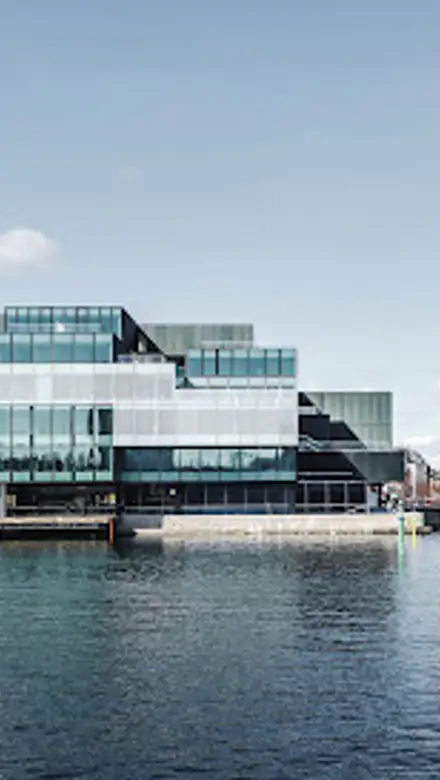
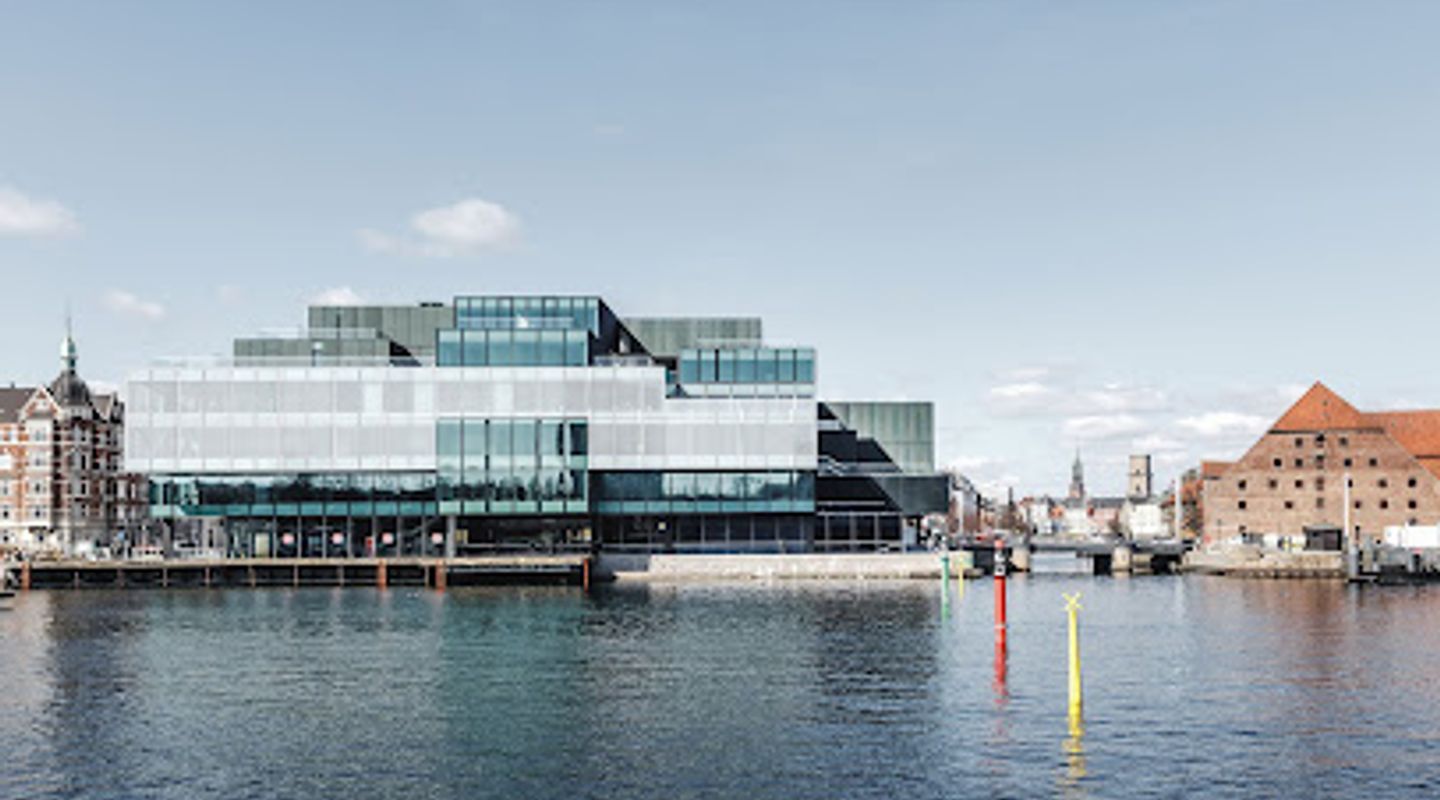
The Danish Architecture Center (DAC) is Denmark’s national hub for architecture, design and urban culture, housed in the striking BLOX building on Copenhagen’s waterfront. Inside, you’ll find forward-looking exhibitions on sustainable cities and Danish design, the permanent “So Danish!” gallery tracing 1,000 years of architecture, family-friendly creative workshops, a design shop, and a café with sweeping harbour and skyline views from multiple rooftop terraces.
A brief summary to Danish Architecture Centre
- Bryghusgade 10, Copenhagen, Indre By, 1473, DK
- Click to display
- Click to display
- Duration: 1 to 4 hours
- Mid ranged
-
 Indoor
- Mobile reception: 5 out of 5
- Monday 10 am-6 pm
- Tuesday 10 am-6 pm
- Wednesday 10 am-6 pm
- Thursday 10 am-9 pm
- Friday 10 am-6 pm
- Saturday 10 am-6 pm
- Sunday 10 am-6 pm

Know before you go
Hi, I'm Eve. Here are a few practical things to know before exploring Danish Architecture Centre.
- Visit on a Monday or Thursday late afternoon to enjoy the exhibitions first, then linger over dinner or drinks in DAC Café when the rooftop terraces are still open into the evening.
- Set aside time for the “So Danish!” exhibition before exploring temporary shows; it gives you a strong foundation for understanding the rest of the centre.
- If you are visiting with children, check the current family workshop themes and make the DAC Slide a highlight stop between galleries to break up the visit.
- The design shop is accessible without a ticket, so even if you are short on time you can drop in for architecture books and Danish design gifts.
- Pair your DAC visit with a self-guided walk along the harbourfront to compare the centre’s ideas about sustainable urbanism with the surrounding waterside developments.
Do you manage this location?
Take control to get all the benefits, like improved information, better appearance, and stronger visibility across AI-powered discovery. Learn more about listing your business on Evendo
Activate your presenceOther nearby places you may find interesting
The closest places of the same kind, if this one is not quite what you had in mind.




Explore Danish Architecture Centre on the Map
A handpicked selection of must-see spots near Danish Architecture Centre, mapped for you.
Unlock the Best of Danish Architecture Centre
Buy tickets
-
No tickets available
Book tours with entry


Getting There
-
Walk from central Copenhagen
From the Rådhuspladsen and City Hall area, reaching the Danish Architecture Center on foot typically takes around 10–15 minutes at a relaxed pace. The route is flat and paved the entire way, crossing through the historic centre and along the harbourfront, and is suitable for wheelchairs and strollers in most weather conditions. As there are frequent opportunities to stop at benches and plazas en route, this is a comfortable and cost-free option for most visitors.
-
Metro and short walk
Using the M3 Cityringen or other metro lines to reach nearby stations such as Gammel Strand or Christianshavn is a convenient way to access the area, with typical travel times of 5–15 minutes from many central neighbourhoods. A single zone ticket within Copenhagen usually costs about 20–25 DKK, depending on how you purchase it, and trains run every few minutes during the day and evening. From these stations, expect an additional 10–12 minutes of level walking on city pavements to reach the centre.
-
Bus services within the city
Several city bus lines run along the central corridors of Copenhagen and stop within a short walk of the waterfront near the Danish Architecture Center, with total journey times commonly between 10 and 25 minutes from inner districts. Standard bus fares are aligned with metro prices, generally around 20–25 DKK for a single journey within the central zones, and services are frequent throughout the day. Buses have low-floor access and designated spaces for wheelchairs and prams, making this a practical option in wet or windy weather.
-
Bicycle and harbourfront approach
Cycling is one of the most efficient ways to reach the centre from neighbourhoods across Copenhagen, with typical travel times of 5–20 minutes from most inner-city areas using the city’s extensive bike-lane network. You can use your own bicycle or rent a city bike, which commonly costs in the range of 15–40 DKK for a short ride depending on the scheme and duration. Dedicated lanes lead along main streets and sections of the harbourfront, and the terrain is almost entirely flat, though you should be prepared for wind and rain at certain times of year.
For the on-the-go comforts that matter to you
-
 Restrooms
-
 Drink Options
-
 Drinking Water
-
 Food Options
-
 Seating Areas
-
 Sheltered Areas
-
 Trash Bins
-
 Information Boards
-
 Visitor Center
Discover more about Danish Architecture Centre
BLOX on the Harbour: A Home for Architecture
The Danish Architecture Center occupies the heart of BLOX, a bold glass-and-steel complex that seems to hover above Copenhagen’s inner harbour. Its stacked, cubic volumes frame views of the waterfront and the city’s historic spires, while a busy road slices directly through its lower levels, an engineering feat that underlines the building’s urban ambitions. Inside, DAC functions as Denmark’s national architecture centre, bringing together exhibitions, events and education under one roof.The building’s interior is a maze of ramps, staircases and bridges that encourage you to move, look and discover. Light filters in from unexpected angles, revealing industrial details and glimpses of the harbour outside. It feels less like a conventional museum and more like a vertical city block, where galleries, café, shop and workspaces overlap and interact.So Danish! and the Story of a Design Nation
At the core of DAC is “So Danish!”, a permanent exhibition that traces more than a millennium of Danish architecture, from Viking longhouses and medieval churches to modernist housing estates and contemporary eco-friendly districts. Models, drawings, films and full-scale installations explain how architecture has helped shape Denmark’s welfare state, its democratic ideals and its everyday way of living.The exhibition highlights signature periods and figures in Danish design, but it also focuses on ordinary streets, homes and public spaces. You move through themes such as housing, public institutions and infrastructure, seeing how ideas of light, functionality and human scale have guided Danish architects. It is as much a social history as an architectural one, offering a clear narrative even if you arrive with little prior knowledge.Future Cities, Green Ideas and Urban Experiments
Beyond the permanent gallery, DAC hosts changing exhibitions that look ahead to how cities can respond to climate change, biodiversity loss and rapid urbanisation. Installations explore topics like carbon-neutral construction, circular materials, resilient waterfronts and nature-inclusive design. Some shows zoom in on Copenhagen, while others present global case studies from megacities and remote landscapes.Interactive elements invite you to test design solutions, reimagine neighbourhoods or consider your own footprint as a city-dweller. The centre positions architecture as a tool for societal transformation rather than just aesthetics. Diagrams and hands-on displays keep complex subjects accessible, making it a rewarding stop even for visitors who would not usually seek out an architecture museum.Families, Workshops and the DAC Slide
DAC devotes significant space to children and intergenerational learning. In the family workshop areas, kids can build with cardboard and recycled materials, sketch cityscapes or experiment with simple structural principles. Activities often connect to current exhibitions, turning big themes like climate and community into playful, tangible projects.One of the most eye-catching features is the DAC Slide, a long, tube-shaped slide that cuts through several floors of the building. It offers a kinetic way to experience the architecture and is particularly popular with younger visitors, though adults can join in as well. Combined with the workshop spaces and kid-height exhibits, it makes the centre feel more like an exploratory playground than a quiet gallery.Café Views and Design Shop Treasures
On the upper levels, DAC Café opens onto broad rooftop terraces with sweeping views of the harbour basin, the bridges and Copenhagen’s skyline of towers and copper roofs. Indoors, floor-to-ceiling windows wrap the space in light, while a Nordic-inspired menu focuses on seasonal, often organic ingredients. It is a pleasant spot for lunch, a coffee break or an early evening drink with the city spread out below.At ground level, the DAC Design Shop extends the architectural theme into a curated retail space. Shelves are packed with Scandinavian design objects, architecture and design books, prints, toys and thoughtful gifts that pick up on the centre’s exhibitions and on wider Danish design traditions. The shop’s emphasis on sustainable production and materials mirrors DAC’s broader commitment to the green transition.Events, Talks and Architecture in the City
Throughout the year, DAC runs an active programme of guided tours, talks and debates. Architecture walks lead out into Copenhagen’s streets, waterfronts and new districts, treating the city itself as the main collection. Indoors, evening events bring together architects, artists, planners and thinkers to discuss topics ranging from housing and public space to art, identity and technology.Whether you stay for a focused hour in the galleries or spend half a day combining exhibitions, city walks and a café break, the centre offers layered ways to understand how buildings and urban spaces influence daily life. It is both a lens onto Copenhagen’s past and present, and a laboratory for imagining the cities of tomorrow.More to explore near Danish Architecture Centre













Your all‑in‑one travel companion app
Explore expert travel guides, compare and book tours, experiences, hotels, and more—all from the palm of your hand. Download now for seamless trip planning wherever your wanderlust takes you.


Explore More of Zealand
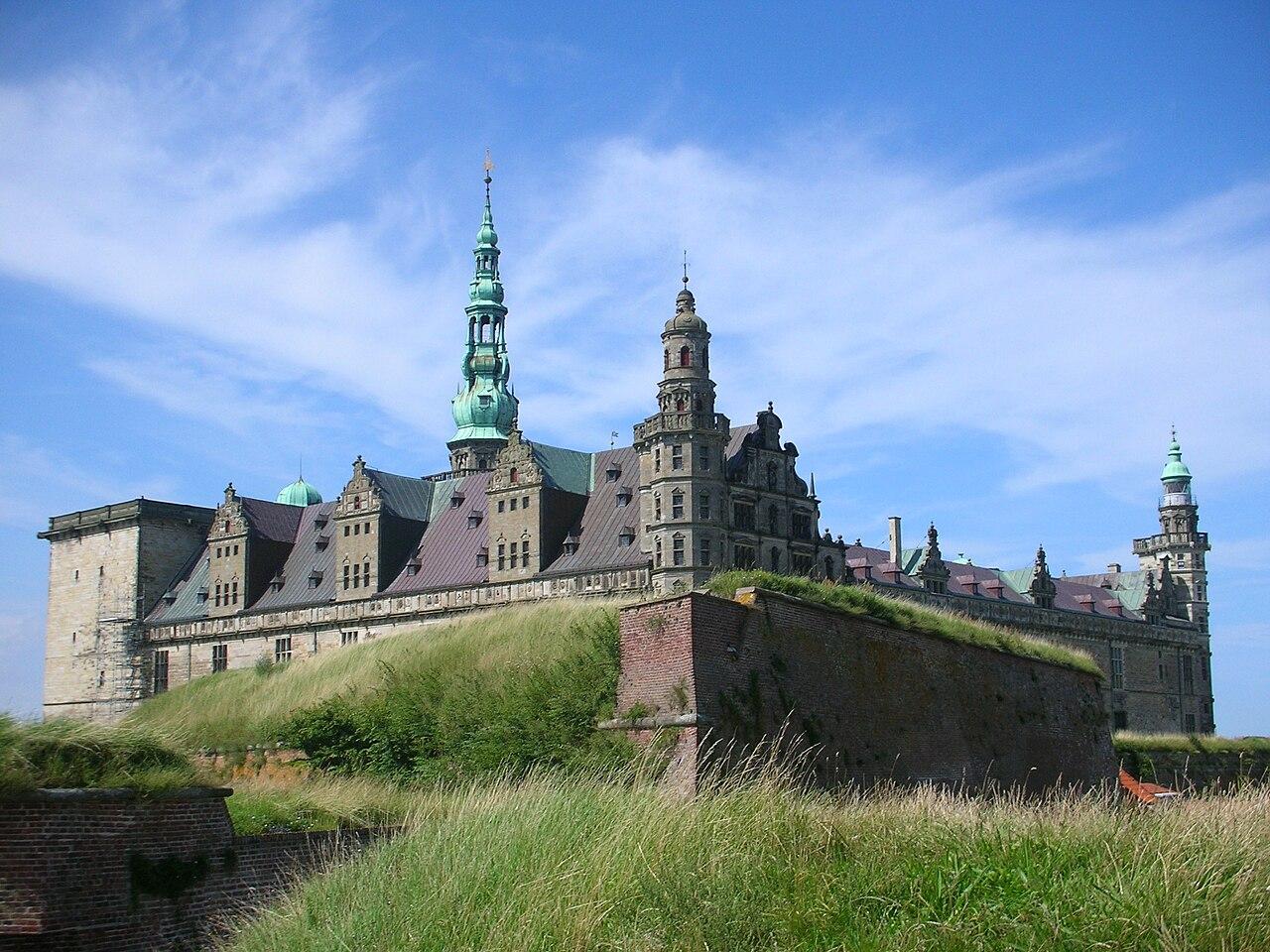
Looking beyond Danish Architecture Centre? Discover Zealand for broader travel guides, local hot-spots, and regional highlights.
Explore Zealand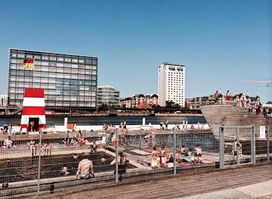
Copenhagen’s original harbor bath, where city skyline views, clean canal water and lively lawns create an urban beach atmosphere at Islands Brygge.
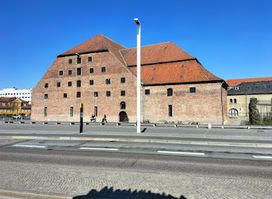
A fortress-turned-brewery on Slotsholmen where royal stone giants gather beneath a vast timber roof, blending military history, sculpture and Copenhagen charm.