

Free Zealand Travel Guide & Mobile App
Explore Zealand with free travel guides. Discover regional history, expert tips, proposed trips, and audio guides on web or mobile app.


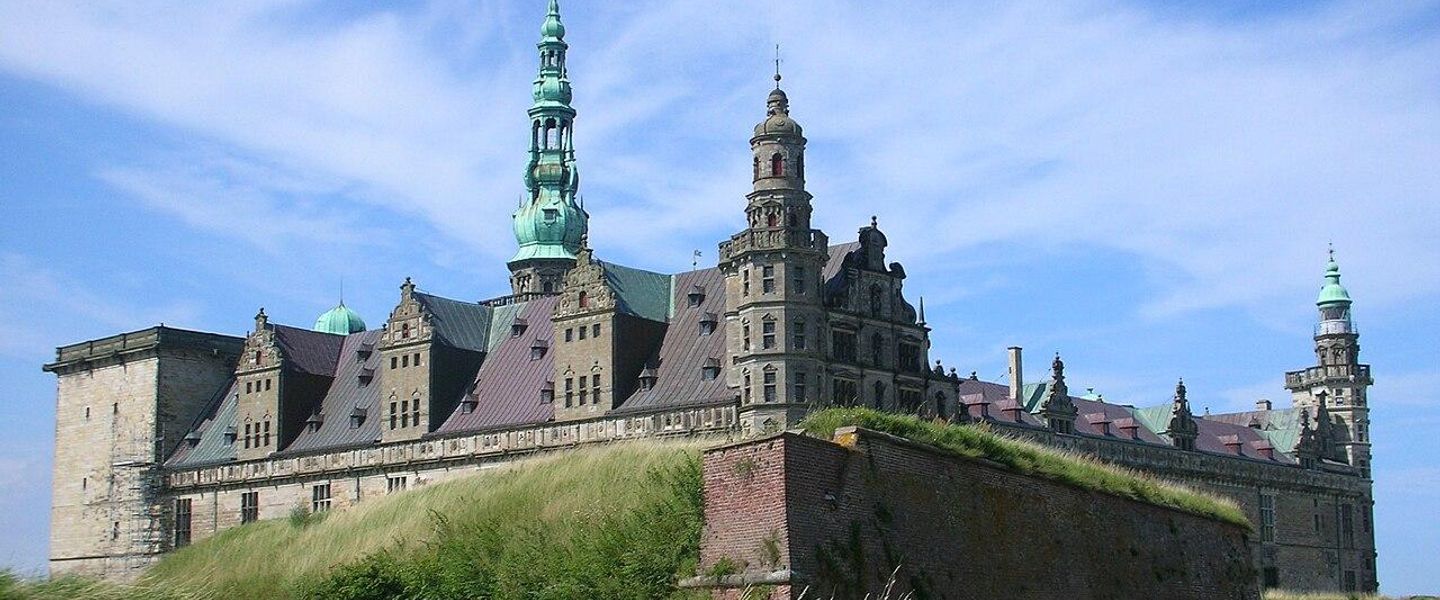


Explore Zealand in Denmark for Copenhagen culture, royal castles, Viking heritage, coastal landscapes, cycling routes and historic market towns.
Read more about Zealand
When is the best time to visit Zealand?
Best: June–August · 20–22°C| Month | High (°C) | Rainfall (mm) |
|---|---|---|
| January | 2 | 40 |
| February | 3 | 35 |
| March | 6 | 40 |
| April | 11 | 40 |
| May | 17 | 50 |
| June (best) | 20 | 55 |
| July (best) | 22 | 60 |
| August (best) | 22 | 60 |
| September | 18 | 55 |
| October | 13 | 50 |
| November | 8 | 55 |
| December | 4 | 50 |
Getting to and around Zealand
How to get there
Transportation
Top city travel guides in Zealand
The cities of Zealand, and the easiest places to base yourself.
-

-
-
-

-

-


Swipe for more cities
Best attractions in Zealand
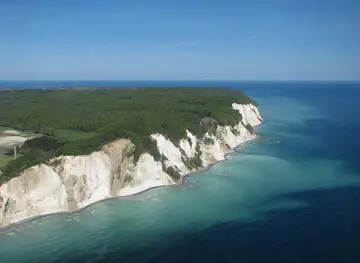
Zealand’s attractions range from Copenhagen’s museums, galleries, historic quarters and harbour institutions to rural sites that reveal the island’s older landscapes. Roskilde Cathedral and the Viking Ship Museum provide complementary views of medieval monarchy and Viking-age seafaring, while Frederiksborg Castle and the royal surroundings of North Zealand introduce Renaissance architecture, formal gardens and royal history. The Louisiana Museum of Modern Art at Humlebæk combines major modern-art exhibitions with sculpture and views across the Øresund. Forests, beaches and open farmland offer walking, cycling, birdwatching and seasonal outdoor recreation, particularly around the north coast and the deer park of Dyrehaven. In the south-east, Stevns Klint brings geology and nature together in a coastal setting of chalk cliffs and walking paths. Historic market towns such as Køge, Næstved and Holbæk add museums, churches, local galleries and independent cultural venues, while small harbours and seaside communities provide a quieter counterpoint to Copenhagen. Because the island’s attractions are widely distributed, a rail-based itinerary suits the main towns, whereas a car or carefully planned cycling route is more practical for combining rural estates, coast and countryside.
-
Theme park
Tivoli Gardens
Storybook gardens, vintage coasters and glowing lanterns create Copenhagen’s most magical mix of amusement park, concert venue and seasonal fairytale.
-
Theme park
LEGOLAND® Billund Resort
The original LEGO universe brought to life in Denmark, blending imaginative brick-built worlds with family-friendly rides, shows and creative play across a full-scale resort.
-
Observatory
The Round Tower
Copenhagen’s 17th-century spiral tower, where a gentle climb through history leads from brick-lined ramp and library hall to sweeping rooftops and a historic observatory.
-
Zoo
Copenhagen Zoo
Meet 4,000+ animals across 250 species in Europe's most innovative zoo, open year-round.


Best landmarks in Zealand
Roskilde Cathedral is Zealand’s most consequential ecclesiastical landmark, a red-brick Gothic church and royal burial place whose architecture records successive periods of Danish history. Frederiksborg Castle at Hillerød, rebuilt in the Renaissance as a royal residence, is distinguished by its imposing waterways, towers and richly decorated interiors. Kronborg Castle stands at Helsingør on the north-eastern coast, where its position beside the Øresund reflects the strategic importance of the maritime passage; it is also strongly associated with Shakespeare’s Hamlet. Stevns Klint forms a very different landmark, with layers in its chalk cliffs preserving evidence of the geological crisis at the end of the Cretaceous Period. Copenhagen contributes major urban monuments, including the royal complex at Amalienborg, the old harbour front and the historic defences of Kastellet. In the north, Dyrehaven’s broad avenues, ancient woodland and free-ranging deer represent a historic landscape shaped by royal hunting. Together these places show Zealand through architecture, geology, monarchy and maritime geography rather than through a single national style.
-
Tourist attraction
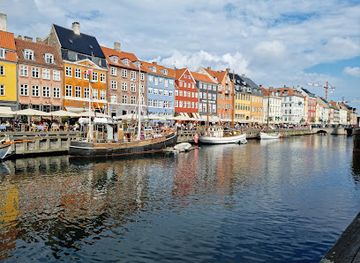
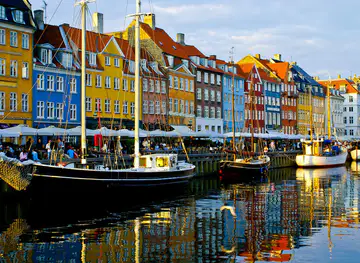
Nyhavn
Copenhagen's enchanting 17th-century harbor where maritime history, literary legacy, and vibrant café culture converge.
-
Sculpture
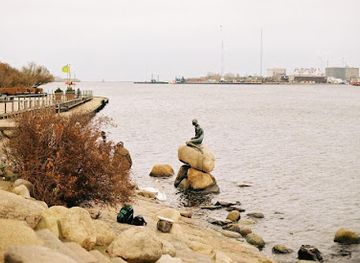
The Little Mermaid
Copenhagen’s small yet iconic harbor muse, a bronze mermaid on a rock weaving together fairy tale, maritime history, and waterfront city life.
-
Plaza
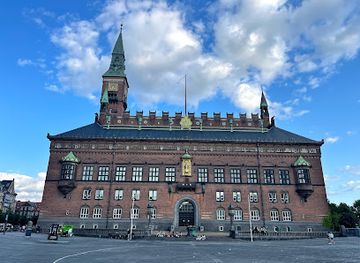
City Hall Square
Copenhagen's iconic civic plaza where history, architecture, and urban energy converge beneath a legendary clock tower.
-
Church
Church of Our Saviour
Copenhagen’s iconic spiral-towered church, blending daring Baroque architecture, a working parish interior, and a vertigo-tinged climb to sweeping city views.

Explore Zealand on the map
Plan your trip on one map. See where the top cities, national parks and sights are, and book hotels and experiences in a few clicks.
Best hotels in Zealand
Best restaurants in Zealand
Dining on Zealand reflects the meeting of Copenhagen’s international culinary scene with a productive agricultural island and fishing coast. In the capital, visitors will find everything from bakeries, open sandwiches and food halls to contemporary Nordic restaurants and cuisines brought by Denmark’s diverse communities. Outside Copenhagen, traditional Danish fare remains visible in inns, cafés and market-town restaurants: rye bread, pickled fish, pork, seasonal vegetables, potatoes, dairy products and pastries are common reference points, though menus vary widely. Coastal towns may feature local fish and shellfish, while farms and orchards contribute apples, berries, vegetables and other seasonal produce. Roskilde, Køge, Næstved and other larger towns offer a mixture of cafés, casual dining and more formal restaurants, and rural areas often centre on pubs or inns rather than late-opening venues. Danish beer is widely available, alongside aquavit and a growing range of small-scale beverages; responsible drinking is expected, and tap water is normally available in restaurants.
-
Fine Dining
Høst
Award-winning Nordic harvest cuisine served in a candlelit, design-forward Copenhagen townhouse where rustic textures and modern Danish style meet.
-
Restaurant
Restaurant Tight
Cosy multi-level bistro in Copenhagen’s old town, blending Nordic produce with southern flavours, craft drinks and a warmly lit, brick-and-beam interior.
-
Modern European
Vækst
Nordic fine dining wrapped in living greenery, where seasonal cuisine meets botanical beauty in Copenhagen's heart.
-
Latin American
Llama
A vibrant Latin American–inspired den beneath central Copenhagen, blending ceviche, tacos, cocktails and Copenhagen design into one lively night out.


Best bars in Zealand
Nightlife on Zealand is concentrated in Copenhagen, where the centre and surrounding neighbourhoods offer traditional pubs, cocktail bars, music venues, theatres and clubs with changing programmes. The capital’s evening culture is varied but generally expensive compared with many European destinations, and specific venues, door policies and opening arrangements can change. Outside Copenhagen, Roskilde has a sizeable student and cultural population, while Helsingør, Køge, Næstved and other larger towns provide pubs, wine bars, cafés and occasional live music rather than a continuous club scene. In smaller communities, historic inns and local pubs often form the main evening meeting places, with rural nightlife usually ending earlier. Summer brings more activity to coastal towns, but it remains seasonal. Visitors should check the latest programme for concerts and performances rather than assuming that a venue operates every night, and should use public transport or pre-arranged taxis when returning from rural locations.
-
Pub
The Dubliner
Lively Irish pub on Copenhagen’s Amagertorv, pouring well-kept Guinness, showing big-screen sports and serving hearty pub grub in a warm, wood-paneled setting.
-
Bar
Taphouse
Central Copenhagen’s 61-tap craft beer haven, pairing Scandinavian simplicity with one of Europe’s broadest and most constantly changing draft selections.
-
Brewpub
BRUS
A buzzing Nørrebro brewpub where a working brewery, inventive kitchen and bottle shop share one industrial‑chic space from midday to late night.
-
Cocktail bar
Ruby
A discreet canal-side townhouse where vintage charm, candlelit rooms and precision-mixed cocktails define one of Copenhagen’s most atmospheric bars.


Best nightclubs in Zealand
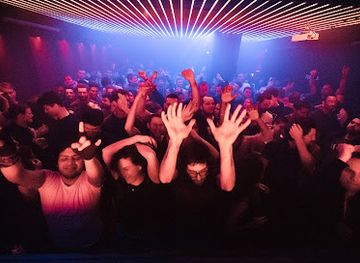
Nightlife on Zealand is concentrated in Copenhagen, where the centre and surrounding neighbourhoods offer traditional pubs, cocktail bars, music venues, theatres and clubs with changing programmes. The capital’s evening culture is varied but generally expensive compared with many European destinations, and specific venues, door policies and opening arrangements can change. Outside Copenhagen, Roskilde has a sizeable student and cultural population, while Helsingør, Køge, Næstved and other larger towns provide pubs, wine bars, cafés and occasional live music rather than a continuous club scene. In smaller communities, historic inns and local pubs often form the main evening meeting places, with rural nightlife usually ending earlier. Summer brings more activity to coastal towns, but it remains seasonal. Visitors should check the latest programme for concerts and performances rather than assuming that a venue operates every night, and should use public transport or pre-arranged taxis when returning from rural locations.
-
Night club
Culture Box
Copenhagen’s dedicated home for underground electronic music, with marathon weekend nights, powerful sound systems and a clear safer-space attitude code.
-
Night club
Club Mambo
Latin rhythms and cocktails in Copenhagen's vibrant heart—where salsa dancers and night owls converge.
-
Night club
Arch
Copenhagen's futuristic nightclub with mirrored architecture, world-class DJs, and immersive dance experiences.
-
Night club
Baggen
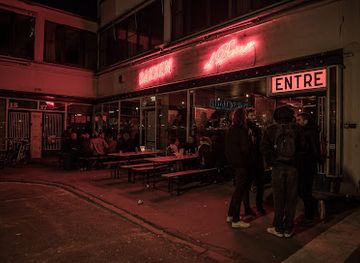
Raw basement beats and open-minded energy in the heart of Copenhagen’s Meatpacking District, where industrial halls turn into an underground, LGBTQ-friendly late-night club.


Best shops in Zealand
Copenhagen is Zealand’s main shopping centre, with department stores, international brands, design shops, independent boutiques, booksellers, galleries and neighbourhood streets offering a more local selection. For a smaller-scale experience, the market towns of Køge, Roskilde, Næstved and Helsingør combine historic high streets with cafés, practical shops, antiques, crafts and independent retailers. Food is one of the most useful regional purchases: look for Danish rye products, confectionery, locally made preserves, seasonal produce and carefully packaged beer or spirits where permitted for travel. Design goods, ceramics, textiles and homewares reflect Denmark’s wider design tradition, although they are not exclusive to Zealand. Farmers’ markets and seasonal village stalls vary through the year, so visitors should check dates locally rather than rely on permanent market claims. Rural shopping is usually limited and dispersed, making towns the best places to combine provisions with browsing. When buying food, art or crafts, ask about packaging and transport restrictions, particularly for international journeys.
-
Department store
Magasin du Nord
Copenhagen’s grand old department store, where historic architecture, Scandinavian design, fashion, beauty and gourmet food come together on Kongens Nytorv.
-
Shopping mall
Ringsted Outlet
Open-air designer village on Zealand where big-name brands, Danish design and everyday comforts meet in one convenient, walkable outlet town.
-
Home goods store
Notre Dame
A cozy Copenhagen interiors institution packed with colorful Nordic homeware, thoughtful design and giftable treasures opposite the Church of Our Lady.
-
Sporting Goods Shop
Nike Factory Store
Denmark's outlet destination for discounted Nike athletic wear, footwear, and sportswear with savings up to 70%.


Get your free copy of our complete guide to Zealand, delivered straight to you.
Everything on this page, from attractions and restaurants to essentials and local phrases, in one PDF you can read offline, print or share.
Already have an account? Sign in
Your Zealand guide is ready.
We'll send it to · Not you? Sign out

Getting your guide ready…
We are putting together a fresh copy of the Zealand guide. This can take up to a minute.
This can take a few moments. If your browser asks, choose Allow so the download can start. You'll find the guide in your Downloads folder.
Nothing happened? Download it again
Sorry, the guide is taking longer than usual. Please try again in a minute, or get it by email instead.
Zealand essentials
Currency and Payment
Safety
Emergency Situations
Do's and Don'ts
Local Tips
From Eve
Local phrases worth knowing
You don't need to get them perfect. A few words go a long way, and locals appreciate the effort.
Basics
| English | Local | Say it |
|---|---|---|
| Hello | Hej | [hay] |
| Goodbye | Farvel | [far-vel] |
| Yes | Ja | [yah] |
| No | Nej | [nay] |
| Please/You're welcome | Vær så venlig | [vair saw ven-lee] |
| Thank you | Tak | [tak] |
| Excuse me/Sorry | Undskyld | [oon-skuld] |
| How are you? | Hvordan har du det? | [vor-den har doo deh] |
| Fine. And you? | Godt. Og dig? | [got. oh die?] |
| Do you speak English? | Taler du engelsk? | [tay-ler doo engelsk] |
| I don't understand | Jeg forstår ikke | [yai for-stor ikk-eh] |
Eating & Drinking
| English | Local | Say it |
|---|---|---|
| I'd like to see the menu, please | Jeg vil gerne se menuen, tak | [yai vil gair-neh say meh-noo-en, tak] |
| I don't eat meat | Jeg spiser ikke kød | [yai spee-ser ikk-eh kerth] |
| Cheers! | Skål! | [skawl] |
| I would like to pay, please | Jeg vil gerne betale, tak | [yai vil gair-neh beh-tah-leh, tak] |
Emergencies
| English | Local | Say it |
|---|---|---|
| Help! | Hjælp! | [yelp] |
| Go away! | Gå væk! | [gaw vek] |
| Call the Police! | Ring til politiet! | [ring til po-li-ti-et] |
| Call a doctor! | Ring efter en læge! | [ring ef-ter en lay-eh] |
| I'm lost | Jeg er faret vild | [yai air far-et vil] |
| I'm ill | Jeg er syg | [yai air soo-ee] |
Shopping
| English | Local | Say it |
|---|---|---|
| I'd like to buy... | Jeg vil gerne købe... | [yai vil gair-neh ku-buh] |
| I'm just looking | Jeg kigger bare | [yai kee-ger bar-eh] |
| How much is it? | Hvor meget koster det? | [vor mai-ehd koster deh] |
| That's too expensive | Det er for dyrt | [deh air for dyert] |
| Can you lower the price? | Kan du sænke prisen? | [kan doo sen-keh pree-sen] |
Time & Numbers
| English | Local | Say it |
|---|---|---|
| What time is it? | Hvad tid er det? | [vadh teed air deh] |
| It's one o'clock | Klokken er et | [klok-en air et] |
| Half past (10) | Halv (10) | [halv (ten)] |
| Morning | Morgen | [mor-en] |
| Afternoon | Eftermiddag | [eff-ter-mi-dahg] |
| Evening | Aften | [af-ten] |
| Yesterday | I går | [ee gor] |
| Today | I dag | [ee day] |
| Tomorrow | I morgen | [ee mor-en] |
| 1 | 1 | [1] |
| 2 | 2 | [2] |
| 3 | 3 | [3] |
| 4 | 4 | [4] |
| 5 | 5 | [5] |
| 6 | 6 | [6] |
| 7 | 7 | [7] |
| 8 | 8 | [8] |
| 9 | 9 | [9] |
| 10 | 10 | [10] |
Transport & Directions
| English | Local | Say it |
|---|---|---|
| Where's a/the...? | Hvor er en...? | [vor air en...?] |
| What's the address? | Hvad er adressen? | [vadh air ah-dress-en] |
| Can you show me (on the map)? | Kan du vise mig (på kortet)? | [kan doo vee-seh mai (poh kor-tet)?] |
| When's the next (bus)? | Hvornår går den næste (bus)? | [vor-nor gor den nes-te (bus)?] |
| A ticket (to ....) | En billet (til....) | [en bee-let (til....)] |
History of Zealand
Stone Age Settlements and Coastal Economies
People have lived on Zealand since prehistoric times, exploiting its forests, wetlands, farmland and surrounding waters. Neolithic communities left passage graves, settlements and agricultural traces, while later Bronze Age societies created burial mounds and deposited distinctive metal objects. The island’s position between the Baltic and the Kattegat encouraged movement and exchange, and its shallow coastal waters supported fishing and other maritime activities. Although much of the earliest evidence is archaeological rather than monumental, it established long-lasting patterns of settlement around fertile land, sheltered shores and crossing points.
Viking Zealand and Roskilde’s Rise
During the Viking Age, Zealand was central to the maritime networks linking Denmark with the wider Baltic and North Sea worlds. Roskilde developed as a royal and ecclesiastical centre, and the ships found at nearby Skuldelev, now displayed at the Viking Ship Museum, demonstrate the range of vessels used for trade, warfare and transport. The island’s waterways and access to the Øresund made it strategically important. These connections helped support the consolidation of Danish kingship and left a legacy still visible in Roskilde’s museums, cathedral and archaeological landscape.
Medieval Towns, Churches and Royal Power
Christianity and an increasingly organised monarchy transformed Zealand during the medieval period. Roskilde Cathedral became the burial church of Danish rulers, while towns such as Køge, Næstved and Slagelse grew through trade, crafts and regional administration. Churches and monasteries shaped both townscapes and rural life, and defensive works protected important settlements and routes. Zealand’s central position meant that royal authority, ecclesiastical influence and commercial activity were closely connected, creating the historic foundations of many modern towns.
The Reformation and the Danish Monarchy
The Reformation of the sixteenth century ended Denmark’s Catholic ecclesiastical order and transferred substantial church property to the Crown. Zealand’s royal institutions and estates benefited from this reorganisation. Castles and palaces were built or remodelled to express royal power, including Frederiksborg Castle at Hillerød, whose Renaissance architecture and later national-history collections remain major cultural landmarks. Copenhagen also expanded as a fortified royal and commercial city, increasingly shaping the island’s political and economic life.
Copenhagen, Trade and the Sound
From the early modern period onwards, Copenhagen’s harbour and its position beside the Øresund made Zealand central to Denmark’s trade, administration and naval power. The Sound was an international maritime passage, and Denmark’s control of access through the strait brought both revenue and strategic competition. Wars with Sweden repeatedly affected Zealand, while Copenhagen grew as a capital of government, commerce, science and culture. The island’s towns and agricultural districts supplied the expanding capital with food and labour.
Agricultural Change and Industrialisation
Agricultural reforms from the eighteenth century altered landholding and rural settlement across Zealand, encouraging more efficient farming and reshaping villages and estates. In the nineteenth century, railways, improved roads and industrial production tied market towns more closely to Copenhagen and to ports on the surrounding coasts. Food processing, brewing, engineering and manufacturing developed alongside expanding urban districts. The railway network also changed tourism, making royal residences, seaside resorts and countryside excursions more accessible to a growing Danish middle class.
Modern Zealand and the Øresund Region
Twentieth-century Zealand combined rapid metropolitan growth with the preservation of rural landscapes, historic towns and coastal environments. Copenhagen became the centre of a wider urban region, while universities, design, technology, shipping and cultural institutions strengthened the island’s international connections. The opening of the Øresund Bridge in 2000 linked Zealand directly with Skåne in Sweden and reinforced cross-border commuting, trade and tourism. Today, the island remains Denmark’s administrative heart while its smaller communities retain distinct agricultural, maritime and heritage identities.
Zealand in Photos
Browse through our photo collection highlighting the charm and character of the destination.
Neighbouring regions of Zealand
The closest regions to Zealand, if you have time for more than one.
-
-

-
-

-


Swipe for more regions
Explore more

Explore more of Denmark
Discover Denmark: A perfect blend of history, modern design, and the cozy concept of hygge. Explore vibrant cities, serene landscapes, and world-class cuisine.
Explore Denmark