

La Carolina (Quito) Travel Guide - Free
Explore La Carolina in Quito with Evendo's free guide. Find the best shops, historic streets, restaurants, and gems on web or mobile.


La Carolina in Quito, Ecuador; explore northern Quito’s park, museums, botanical gardens, shopping, dining and Andean city life in one walkable district.
Parkland at the Heart of Northern Quito
La Carolina is one of Quito’s most recognisable modern neighbourhoods, organised around the broad, carefully used lawns and sports grounds of Parque La Carolina. The district lies in the capital’s northern commercial corridor, where high-rise offices, shopping centres, hotels and busy avenues meet one of the city’s principal public parks. Its name recalls the former Hacienda La Carolina, agricultural land that was absorbed by Quito’s northward expansion during the twentieth century.Read more about La Carolina
Culture, Sport and Everyday Life
A Contemporary City Landscape
Best attractions in La Carolina
Parque La Carolina is La Carolina’s principal attraction, offering broad lawns, sports fields, paths, a boating lake and lively weekend scenes that show how Quito uses public space. Within the park and its immediate grounds, the Quito Botanical Garden presents Andean, Amazonian and other Ecuadorian plant environments, while the Museo de Ciencias Naturales introduces visitors to the country’s biodiversity and the Vivarium focuses on reptiles and amphibians. The park’s recreational areas, including skating and exercise spaces, are as significant to the local experience as its formal institutions. On the surrounding avenues, the Estadio Olímpico Atahualpa provides a glimpse of Quito’s sporting culture, although access depends on scheduled events. The district is also well suited to an architectural walk among office towers, apartment buildings, commercial centres and the broad urban avenues that define northern Quito.
-
Tourist attraction
Parque La Carolina
Discover the beauty and vibrant culture of Parque La Carolina, Quito's premier urban oasis for relaxation and recreation.
4 min walk · 0.3 km from neighbourhood centre
-
Tourist attraction
La Cruz del Papa
Discover La Cruz del Papa, a monumental cross in Quito offering stunning views and a serene atmosphere for reflection and photography.
2 min walk · 0.2 km from neighbourhood centre
-
Tourist attraction
Laguna del parque La Carolina
Discover tranquility and recreation at Laguna del Parque La Carolina, a beautiful lake and park in the heart of Quito, Ecuador.
9 min walk · 0.7 km from neighbourhood centre
-
Tourist attraction
Japanese Garden
Experience tranquility and cultural beauty at the Japanese Garden in Quito, blending nature and traditional Japanese design for a peaceful retreat.
6 min walk · 0.5 km from neighbourhood centre


Best landmarks in La Carolina
Parque La Carolina is the neighbourhood’s defining landmark, both for its scale and for the way it interrupts the dense commercial fabric of northern Quito. Its open grounds, paths and recreational facilities preserve the memory of the former hacienda while functioning as a contemporary civic space. The Quito Botanical Garden gives the park a scientific and environmental dimension, and the Museo de Ciencias Naturales and Vivarium add educational significance. Nearby, the Estadio Olímpico Atahualpa is a prominent concrete stadium and an important symbol of Ecuadorian sporting life. Centro Comercial Iñaquito and Quicentro are less historic but culturally revealing landmarks of Quito’s late twentieth-century commercial growth. Together these places show the district’s layered identity: former agricultural land transformed into a public park, surrounded by institutions, retail architecture, offices and modern residential buildings.
-
City park
Parque La Carolina
Escape to Quito's vibrant Parque La Carolina: recreation, nature, and culture in the heart of the city. A green oasis for all ages.
4 min walk · 0.3 km from neighbourhood centre
-
Garden
Quito Botanical Gardens
Discover Ecuador's diverse flora at Quito's Botanical Garden, a serene escape in the city's heart, showcasing unique ecosystems and plant collections.
7 min walk · 0.6 km from neighbourhood centre
-
Sculpture
La Cruz del Papa
Visit La Cruz del Papa in Quito for breathtaking panoramic views, a serene atmosphere, and a touch of spiritual reflection.
2 min walk · 0.2 km from neighbourhood centre
-
Water park
Laguna del parque La Carolina
Enjoy paddle boating and serene views at Laguna del Parque La Carolina, a tranquil escape in the heart of Quito's bustling city center.
9 min walk · 0.7 km from neighbourhood centre


Explore La Carolina on the map
A handpicked selection of must-see spots in La Carolina, mapped for you.
Best hotels in La Carolina
Best restaurants in La Carolina
Dining in La Carolina reflects its position as a busy business, shopping and residential district rather than a single specialist food quarter. Around Avenida Amazonas, Naciones Unidas, República, Eloy Alfaro and the streets near the shopping centres, visitors find cafés, bakeries, casual restaurants and more formal dining rooms serving Ecuadorian food alongside international cuisines. The area is a practical place to sample familiar local dishes such as locro de papa, llapingachos, fritada or ceviche, although menus change from one establishment to another. Shopping-centre food courts provide convenient choices, while independent cafés and restaurants around the park cater to office workers, residents and visitors between attractions. Dining is generally more dispersed than in Quito’s historic centre, so checking the exact location is useful; venues close to the park and main avenues are easiest to combine with sightseeing, while quieter side streets offer a more local evening rhythm.
-
American
Lucia Pie House & Grill (La Carolina)
Discover Lucia Pie House & Grill in Quito: A haven for American cuisine lovers offering delicious pies and grill specialties in a cozy ambiance.
6 min walk · 0.5 km from neighbourhood centre
-
Ecuadorian
De La Llama
Experience authentic Ecuadorian cuisine at De La Llama in Quito – where tradition meets innovation in every delicious bite.
9 min walk · 0.7 km from neighbourhood centre
-
Restaurant
Restaurante Botánico - Quito
Savor authentic Ecuadorian cuisine at Restaurante Botánico in Quito - where local ingredients meet innovative flavors.
6 min walk · 0.5 km from neighbourhood centre
-
Italian
Ciao bella
Experience authentic Italian cuisine at Ciao Bella in Quito - where every dish is crafted with passion and quality ingredients.
7 min walk · 0.6 km from neighbourhood centre


Best bars in La Carolina
La Carolina’s evening life is varied but mainly commercial and restaurant-led rather than concentrated around a famous club street. Bars and casual drinking venues operate along the main avenues and around the wider northern business district, with sports bars becoming particularly noticeable when events take place at the Estadio Olímpico Atahualpa. Restaurants, hotel lounges and café-bars provide quieter options near the park, while more energetic nightlife is often found in the adjoining La Mariscal area rather than in the central park precinct itself. Auditorium, concert and cultural programmes elsewhere in northern Quito may also draw evening visitors, but schedules change and should be checked locally. After dark, the broad avenues can feel traffic-heavy and less pedestrian-oriented than the park during daytime, so plan the return route in advance and use a registered taxi or reputable ride service when travelling late.
-
Bar
Malibú Lounge Bar Karaoke
Discover the vibrant nightlife of Quito at Malibú Lounge Bar Karaoke, where music and fun come together for an unforgettable experience.
4 min walk · 0.4 km from neighbourhood centre
-
 Bar
Bailador Bar
Discover the lively ambiance and diverse drink offerings at Bailador Bar, a must-visit nightlife destination in Quito, Ecuador.
4 min walk · 0.4 km from neighbourhood centre
-
Bar
Chosen Bar
Experience the vibrant nightlife of Quito at Chosen Bar, where exceptional cocktails and a lively atmosphere create unforgettable memories.
11 min walk · 0.9 km from neighbourhood centre
-
Grill
LIVE TEATRO BAR
Discover the vibrant arts scene in Quito at Live Teatro Bar, where grilled delights meet live performances and unforgettable nights.
4 min walk · 0.4 km from neighbourhood centre


Best nightclubs in La Carolina
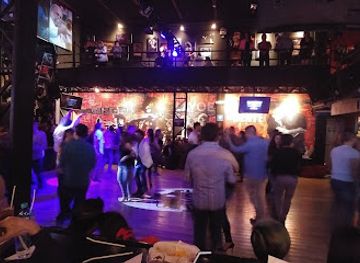
La Carolina’s evening life is varied but mainly commercial and restaurant-led rather than concentrated around a famous club street. Bars and casual drinking venues operate along the main avenues and around the wider northern business district, with sports bars becoming particularly noticeable when events take place at the Estadio Olímpico Atahualpa. Restaurants, hotel lounges and café-bars provide quieter options near the park, while more energetic nightlife is often found in the adjoining La Mariscal area rather than in the central park precinct itself. Auditorium, concert and cultural programmes elsewhere in northern Quito may also draw evening visitors, but schedules change and should be checked locally. After dark, the broad avenues can feel traffic-heavy and less pedestrian-oriented than the park during daytime, so plan the return route in advance and use a registered taxi or reputable ride service when travelling late.
-
Disco club
Lavoe Salsa Danceclub
Immerse yourself in the vibrant nightlife of Quito at Lavoe Salsa Danceclub, where rhythm and energy come alive on the dance floor.
10 min walk · 0.8 km from neighbourhood centre
-
Night club
Night Club 512 QSQ
Discover the pulse of Quito at Night Club 512 QSQ, where vibrant music and electrifying atmosphere create unforgettable nights.
6 min walk · 0.5 km from neighbourhood centre

Best shops in La Carolina
Shopping is one of La Carolina’s strongest urban functions, centred on established commercial complexes and the retail corridors around Avenida Naciones Unidas, Avenida Amazonas and Avenida 10 de Agosto. Centro Comercial Iñaquito, commonly known as CCI, and Quicentro bring fashion, electronics, services, cafés and everyday retail under one roof, while surrounding streets contain banks, pharmacies, convenience shops and smaller businesses. The neighbourhood is not primarily an artisan market district, so visitors looking for traditional crafts or a broad produce market may need to travel elsewhere in Quito. Its value lies instead in convenience and variety, with modern shopping centres contrasting with independent cafés, specialist stores and ordinary local commerce around the park. The commercial landscape also reflects the area’s clientele: office workers, residents, families attending park attractions and visitors staying in the northern business corridor.
-
Used clothing store
Mi Closet Boutique
Explore Mi Closet Boutique in Quito for unique secondhand fashion and a sustainable shopping experience.
9 min walk · 0.7 km from neighbourhood centre
-
Clothing store
Jenny Boutique
Explore the vibrant fashion of Quito at Jenny Boutique, where contemporary style meets local craftsmanship in an inviting atmosphere.
9 min walk · 0.7 km from neighbourhood centre
-
Gift shop
Dilo con dulzura
Discover the essence of Ecuador at Dilo con dulzura, where local crafts and sweets meet in a delightful gift shop experience.
9 min walk · 0.7 km from neighbourhood centre
-
Gift shop
J.P.S. Market
Explore J.P.S. Market in Quito for unique gifts, fashion accessories, and local artwork that embody Ecuador's rich culture and artistry.
10 min walk · 0.8 km from neighbourhood centre


La Carolina essentials
Getting There
Getting Around
Safety
Emergency Situations
Do's and Don'ts
Local Tips

From Eve
Local phrases worth knowing
You don't need to get them perfect. A few words go a long way, and locals appreciate the effort.
Basics
| English | Local | Say it |
|---|---|---|
| Hello | Hola | [oh-lah] |
| Goodbye | Adiós | [ah-dee-ohs] |
| Yes | Sí | [see] |
| No | No | [noh] |
| Please/You're welcome | Por favor/De nada | [por fah-vor/de nah-dah] |
| Thank you | Gracias | [grah-see-as] |
| Excuse me/Sorry | Perdón/Lo siento | [pear-dohn/loh see-en-toh] |
| How are you? | ¿Cómo estás? | [koh-moh es-tahs] |
| Fine. And you? | Bien. ¿Y tú? | [bee-en. ee too] |
| Do you speak English? | ¿Hablas inglés? | [ah-blahs een-glays] |
| I don't understand | No entiendo | [noh en-tee-en-doh] |
Eating & Drinking
| English | Local | Say it |
|---|---|---|
| I'd like to see the menu, please | Me gustaría ver el menú, por favor | [may goos-tah-ree-ah ver el meh-noo, por fah-vor] |
| I don't eat meat | No como carne | [noh koh-moh kahr-neh] |
| Cheers! | ¡Salud! | [sah-lood] |
| I would like to pay, please | Me gustaría pagar, por favor | [may goos-tah-ree-ah pah-gar, por fah-vor] |
Emergencies
| English | Local | Say it |
|---|---|---|
| Help! | ¡Ayuda! | [ah-yoo-dah] |
| Go away! | ¡Vete! | [veh-teh] |
| Call the Police! | ¡Llame a la Policía! | [yah-meh ah lah poh-lee-see-ah] |
| Call a doctor! | ¡Llame a un doctor! | [yah-meh ah oon dohk-tohr] |
| I'm lost | Estoy perdido/a | [eh-stoy pear-dee-doh/ah] |
| I'm ill | Estoy enfermo/a | [eh-stoy ehn-fehr-moh/ah] |
Shopping
| English | Local | Say it |
|---|---|---|
| I'd like to buy... | Me gustaría comprar... | [may goos-tah-ree-ah kohm-prahr] |
| I'm just looking | Solo estoy mirando | [soh-loh ehs-toy mee-rahn-doh] |
| How much is it? | ¿Cuánto cuesta? | [kwan-to kwehs-tah] |
| That's too expensive | Eso es muy caro | [eh-soh es moo-ee kah-roh] |
| Can you lower the price? | ¿Puede bajar el precio? | [pweh-deh bah-har el pree-syoh] |
Time & Numbers
| English | Local | Say it |
|---|---|---|
| What time is it? | ¿Qué hora es? | [keh oh-rah es] |
| It's one o'clock | Es la una | [es lah oo-nah] |
| Half past (10) | Son las diez y media | [son lahs dyehs ee meed-yah] |
| Morning | Mañana | [mah-nyah-nah] |
| Afternoon | Tarde | [tahr-deh] |
| Evening | Noche | [noh-cheh] |
| Yesterday | Ayer | [ah-yehr] |
| Today | Hoy | [oy] |
| Tomorrow | Mañana | [mah-nyah-nah] |
| 1 | Uno | [oo-noh] |
| 2 | Dos | [dohs] |
| 3 | Tres | [trehs] |
| 4 | Cuatro | [kwah-troh] |
| 5 | Cinco | [seen-koh] |
| 6 | Seis | [says] |
| 7 | Siete | [syeh-teh] |
| 8 | Ocho | [oh-choh] |
| 9 | Nueve | [nweh-veh] |
| 10 | Diez | [dyehs] |
Transport & Directions
| English | Local | Say it |
|---|---|---|
| Where's a/the...? | ¿Dónde está...? | [dohn-de es-tah] |
| What's the address? | ¿Cuál es la dirección? | [kwal es lah dee-rek-syon] |
| Can you show me (on the map)? | ¿Puede mostrarme (en el mapa)? | [pweh-deh mohs-trar-meh (en el mah-pah)] |
| When's the next (bus)? | ¿Cuándo es el próximo (bus)? | [kwan-doh es el proh-ksee-moh (boos)] |
| A ticket (to ....) | Un boleto (a ....) | [oon boh-leh-toh (ah)] |
History of La Carolina
From Hacienda to Northern Expansion
The area now known as La Carolina developed from the former Hacienda La Carolina, a large agricultural estate in what was once Quito’s northern fringe. Its name survived the transformation from rural land to urban district, although the neighbourhood itself is principally a product of twentieth-century expansion. As Quito grew northwards beyond the historic centre, estates and open plots were progressively incorporated into a developing city of roads, residential blocks, commercial premises and civic facilities.
The Park Takes Shape
Parque La Carolina became the defining public space of the district during the late 1930s, with its inauguration commonly associated with 1939. The park’s creation reflected Quito’s changing ideas about public recreation and urban planning: instead of allowing the northern expansion to become entirely built up, the city retained a substantial open area for sport, leisure and communal life. Its broad scale remains unusual in Quito and helped establish the neighbourhood’s identity around accessible public parkland.
Sport and Civic Modernisation
The construction and development of facilities around La Carolina accompanied Quito’s emergence as a modern capital with expanding connections across the northern part of the city. The Estadio Olímpico Atahualpa, inaugurated in 1951, became an important sporting venue and a visible marker of this transformation. Roads such as Avenida Amazonas and Avenida 10 de Agosto strengthened links between the area, the city centre and newer northern districts, encouraging offices, housing, retail and institutional uses around the park.
A Commercial and Cultural District
From the later twentieth century onwards, La Carolina became one of Quito’s principal business and shopping areas. Shopping centres including Centro Comercial Iñaquito and Quicentro, together with office towers and hotels, changed the surrounding streets from a largely expanding suburban zone into a dense metropolitan quarter. The park remained the constant public anchor, while museums, educational attractions, restaurants and sports facilities added civic and cultural functions. Today the neighbourhood expresses Quito’s contemporary northern identity rather than the colonial character associated with the historic centre.
La Carolina in Photos
Browse through our photo collection highlighting the charm and character of the destination.
Neighbourhoods near La Carolina
The closest neighbourhoods to La Carolina, if you have time for more than one stop.
-

-

-


Swipe for more neighbourhoods
Explore more

Explore more of Quito
Quito, Ecuador’s high-Andean capital, pairs UNESCO-listed colonial architecture with volcano views, lively markets, museums and memorable cultural experiences.
Explore Quito