Temple of Amada: Nubia's Oldest Temple
Discover the Temple of Amada, Nubia's oldest temple, featuring vibrant reliefs and a rich history dating back to the 18th Dynasty.
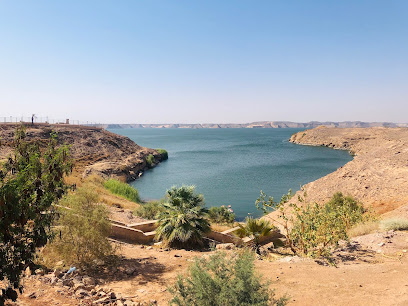
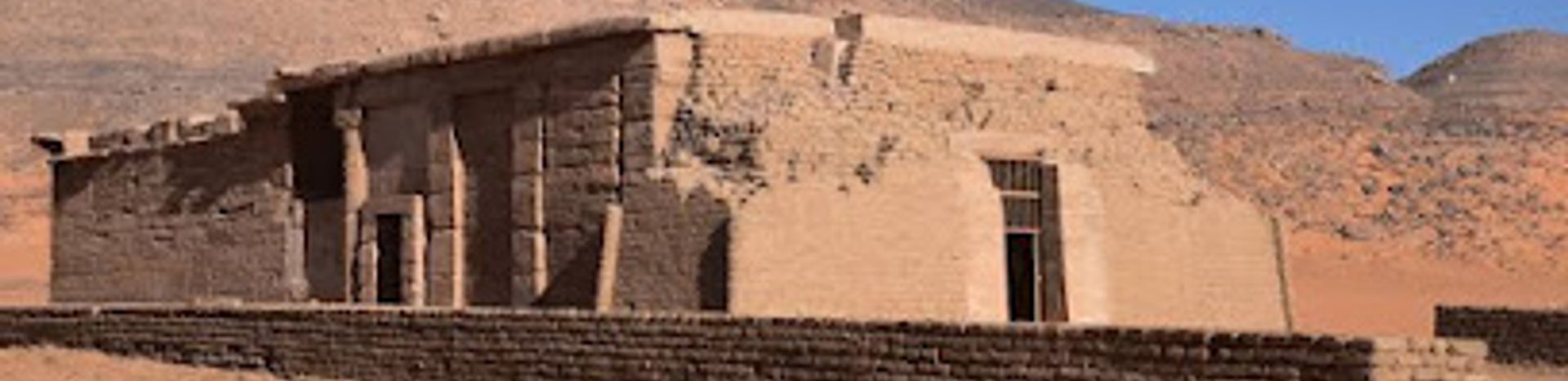
The Temple of Amada, dating back to the 18th Dynasty (around 1400 BCE), is the oldest standing temple in Nubia. Built by Pharaoh Thutmose III and expanded by his successors, it features well-preserved reliefs and inscriptions, offering a glimpse into ancient Egyptian and Nubian history. Saved from the rising waters of Lake Nasser in the 1960s, it stands as a testament to ancient artistry and engineering.
A brief summary to Temple of Amada
- P7J7+F32, Aswan, Aswan Governorate, 1230151, EG
- Visit website
Local tips
- Visit early in the morning or late afternoon to experience the temple in the soft light, which beautifully illuminates the carvings.
- Consider hiring a local guide to gain deeper insights into the temple's history and significance.
- Photography with a mobile phone is free of charge.

Getting There
-
Public Transport
From Aswan, take a local bus or minibus towards Abu Simbel. The buses typically depart from the Aswan bus station, with a fare of around 50 EGP. Inform the driver that you wish to visit the Temple of Amada, and they will drop you off at the nearest accessible point. From there, it is approximately a 1-2 km walk to the temple. Check the bus schedule for the return trip.
-
Taxi
Hire a taxi from Aswan to the Temple of Amada. Negotiate the fare with the driver before departure; a round trip should cost approximately 200-300 EGP. The journey takes around one hour. Ensure the driver knows your destination and agrees to a return time.
Discover more about Temple of Amada
Unmissable attractions to see

Temple of Derr
0.1 km
Explore the Temple of Derr, a historical gem in Aswan Governorate, showcasing ancient Egyptian architecture and rich cultural heritage.
Lake Nasser
6.8 km
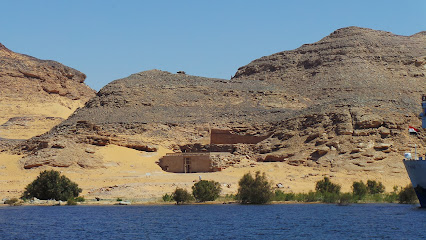
Discover the beauty and adventure of Lake Nasser – a vast man-made lake surrounded by stunning desert landscapes and rich history.
Wadi es-Sebua
29.8 km
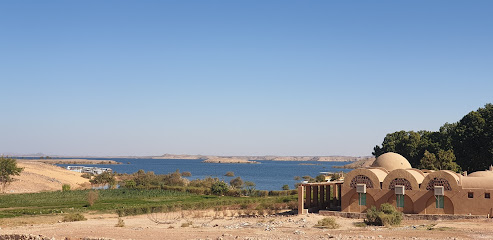
Discover the ancient marvels of Wadi es-Sebua, where history and the desert landscape converge in a breathtaking journey through Egypt's past.
Temple of Dakka
30.1 km
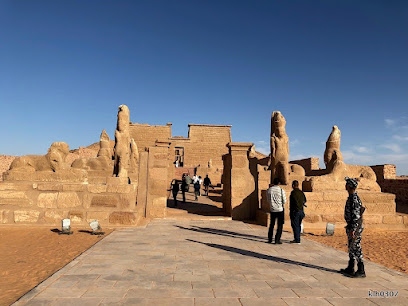
Explore the Temple of Dakka, a hidden gem in Aswan, rich in ancient history and stunning architecture, perfect for cultural enthusiasts.
Temple of Maharraqa
30.2 km
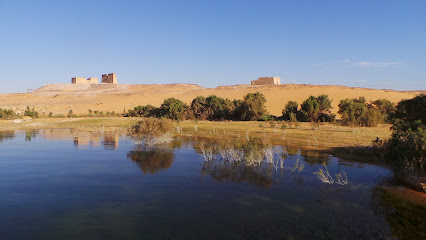
Explore the Temple of Maharraqa, a stunning historical landmark in Aswan that offers a glimpse into ancient Egyptian civilization and its architectural marvels.
Abu Simbel Temples
78.7 km
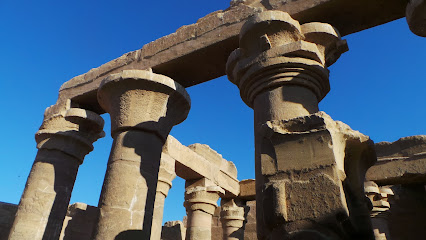
Experience the breathtaking Abu Simbel Temples, an architectural marvel and UNESCO World Heritage site, showcasing the grandeur of ancient Egypt.