

Free Nubia Travel Guide & Mobile App
Explore Nubia with free travel guides. Discover regional history, expert tips, proposed trips, and audio guides on web or mobile app.


Explore Egyptian Nubia from Aswan to Abu Simbel through ancient temples, Lake Nasser, colourful villages and enduring Nubian culture.
Read more about Nubia
When is the best time to visit Nubia?
Best: December–February · 22–24°C| Month | High (°C) | Rainfall (mm) |
|---|---|---|
| January (best) | 22 | 0 |
| February (best) | 24 | 0 |
| March | 28 | 0 |
| April | 34 | 0 |
| May | 38 | 0 |
| June | 41 | 0 |
| July | 43 | 0 |
| August | 43 | 0 |
| September | 39 | 0 |
| October | 35 | 0 |
| November | 28 | 0 |
| December (best) | 23 | 0 |
Getting to and around Nubia
How to get there
Transportation
Top city travel guides in Nubia
The cities of Nubia, and the easiest places to base yourself.
-

-

-


Swipe for more cities
Best attractions in Nubia
Egyptian Nubia combines major archaeology with river travel, desert scenery and living cultural experiences. In Aswan, visitors can explore Elephantine Island, the Nubian Museum, the granite landscape around the First Cataract and the relocated Temple of Philae on Agilkia Island. Boat journeys lead to west-bank villages, palm gardens and viewpoints, while felucca sailing offers a slower way to understand the river’s geography. South of Aswan, the Lake Nasser area contains a chain of ancient sites accessible by selected cruises or organised excursions, including New Kalabsha and the temples at Amada. Abu Simbel is the region’s most celebrated monument, with colossal rock-cut temples whose relocation after the High Dam became a landmark of international conservation. The attraction landscape is not limited to temples: local guesthouses, village meals, Nubian music, traditional architecture and desert-edge walks provide insight into a culture affected by relocation yet still strongly connected to the Nile. Because distances are considerable and services can be seasonal or limited, visitors should treat southern sites as planned journeys rather than spontaneous day trips.
-
Archaeological site
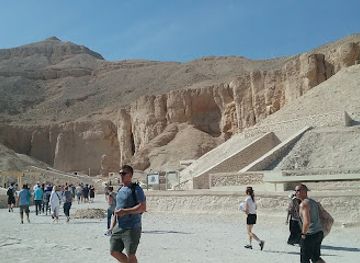
Valley of the Kings
Explore the Valley of the Kings, a UNESCO World Heritage site in Luxor, Egypt, home to the tombs of ancient pharaohs and stunning hieroglyphics.
-
Monument
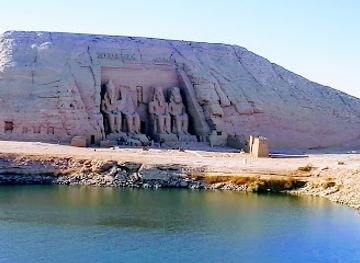
Abu Simbel Temples
Explore the grandeur of the Abu Simbel Temples, a UNESCO World Heritage site showcasing ancient Egyptian architecture and history in the heart of Egypt.
-
Historical landmark
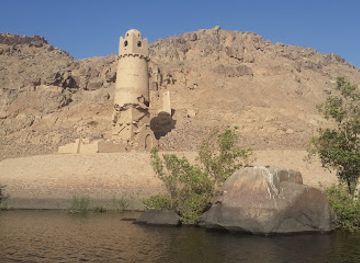
Philae Temple
Explore the enchanting Philae Temple, a UNESCO World Heritage site that reveals the ancient wonders and rich mythology of Egypt's past.
-
Historical landmark
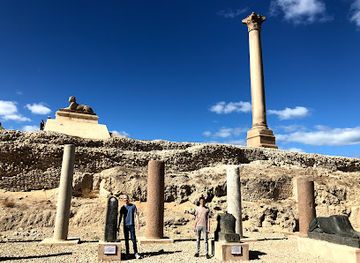
Serapeum of Alexandria
Explore the Serapeum of Alexandria, an ancient historical landmark showcasing the rich cultural heritage and architectural grandeur of ancient Egypt.
Best landmarks in Nubia
The Temple of Philae, relocated to Agilkia Island after the creation of Lake Nasser, is one of Nubia’s defining landmarks. Its colonnades and sanctuaries preserve a long religious history associated especially with Isis, while the island setting recalls the original relationship between monument and river. On Elephantine Island, the ancient settlement area and surviving temple remains mark the strategic importance of the First Cataract, where Egypt’s southern frontier was monitored and trade passed upriver. Farther south, Abu Simbel’s colossal seated figures and rock-cut sanctuaries form the most recognisable image of Egyptian Nubia; their rescue and reconstruction on higher ground is inseparable from their modern significance. New Kalabsha presents another important example of relocated Nubian heritage, while Qasr Ibrim, visible on an island in Lake Nasser, represents the area’s layered ancient, Christian and Islamic past. The granite outcrops, cataract channels and broad lake shores are landmarks in their own right, defining a powerful meeting of desert, water and monumental architecture.
-
Archaeological site
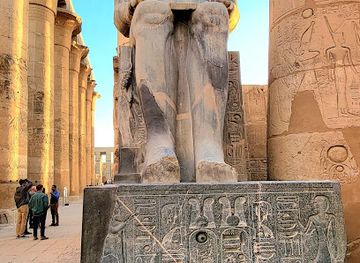
Luxor Temple
Explore Luxor Temple, a majestic monument on the Nile's east bank, showcasing millennia of Egyptian history and architectural grandeur.
-
Historical place
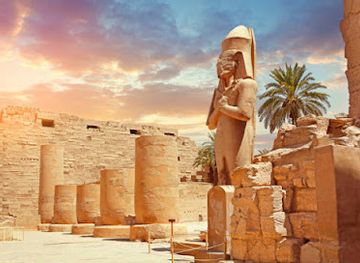
Karnak
Explore Karnak Temple: A vast, ancient Egyptian religious complex showcasing millennia of pharaonic construction and devotion near Luxor.
-
Archaeological site
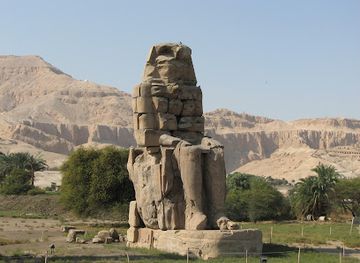
Valley of the Kings
Explore the royal tombs of pharaohs like Tutankhamun, Ramses II, and Seti I in Luxor's Valley of the Kings, a UNESCO World Heritage Site.
-
Monument
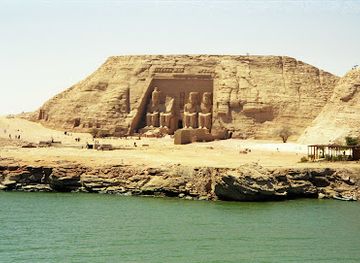
Abu Simbel Temples
Discover the majestic Abu Simbel temples, a testament to ancient Egyptian power and architectural genius, relocated to preserve history.
Explore Nubia on the map
Plan your trip on one map. See where the top cities, national parks and sights are, and book hotels and experiences in a few clicks.
Best hotels in Nubia
Best restaurants in Nubia
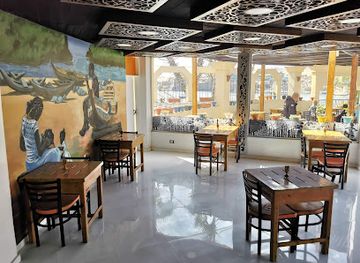
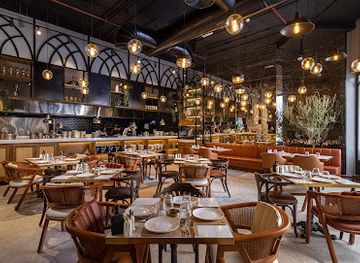
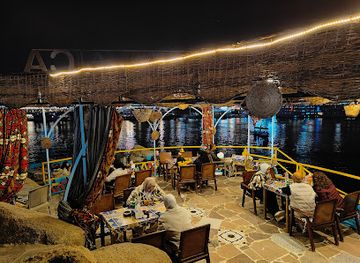
Dining in Nubia is centred on Aswan, its islands and the west bank, where restaurants, cafés, boat kitchens and family-run guesthouses serve Egyptian staples alongside Nubian specialities. Expect beans, lentils, rice, flatbreads, vegetables, grilled meats and stews, with fish from the Nile or Lake Nasser appearing in some local menus. Nubian meals may include distinctive combinations of grains, spices and vegetables, although recipes vary between households and communities. Gharb Soheil and other west-bank areas are known for hosted meals where eating is part of a broader cultural visit, while Aswan offers a wider choice of Egyptian, Mediterranean and international food. Tea, coffee and sweet pastries are common social offerings, and dates and other dried fruits suit the hot climate. In markets, small eateries and village shops, cash is useful and menus may be informal or Arabic-only. Visitors should confirm prices and included items before ordering, particularly during boat excursions or hosted experiences.
-
Izakaya
Makani Restaurant
Experience a fusion of Japanese izakaya culture and Nubian cuisine at Makani Restaurant in Aswan.
-
Barbecue
Bob Marley Moonlight terrace restaurant cafe
Savor exquisite barbecue at Bob Marley Moonlight Terrace while enjoying breathtaking views and vibrant music in Aswan.
-
Restaurant
Al Beiruti - Arkan Plaza
Discover the authentic taste of Lebanon at Al Beiruti in Arkan Plaza - a culinary journey awaits!
-
Restaurant
King Jamaica restaurant & Cafe and breakfast ( Ayman jamaica ) ايمن جاميكا
Experience authentic Jamaican flavors in the heart of Aswan at King Jamaica Restaurant & Cafe, where tradition meets hospitality.

Best bars in Nubia
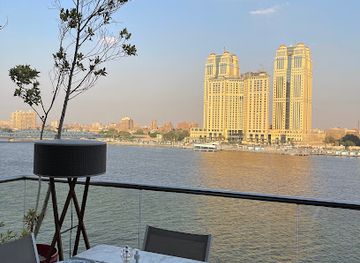
Nubian nightlife is generally relaxed and small-scale rather than centred on nightclubs. Aswan’s hotels and riverside restaurants provide the broadest choice of evening settings, including cafés, terraces, traditional tea gatherings and occasional live music. In west-bank villages and on the islands, evenings often focus on food, conversation, Nubian songs and views across the illuminated Nile rather than late-night entertainment. Some larger hotels serve alcohol, while availability is more limited in family-run guesthouses and village communities; visitors should follow the preference of their hosts. Felucca and dinner excursions may offer evening entertainment, but arrangements vary and should be confirmed in advance. After dark, allow for unlit lanes, uneven paths and limited transport in rural settlements, and arrange the return journey before setting out. The region’s evening character is best understood through local hospitality and music, not through a manufactured club scene.
-
Bar
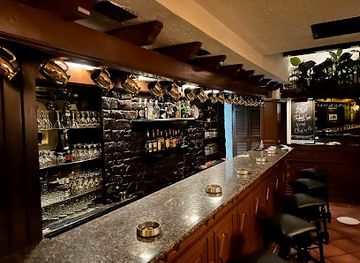
Crimson Bar & Grill, Cairo, Egypt.
Experience luxurious dining at Crimson Bar & Grill in Cairo, where exquisite cuisine meets a vibrant atmosphere perfect for discerning travelers.
-
Bar
Pub 28
Discover the lively nightlife of Cairo at Pub 28, a vibrant bar in Zamalek offering a diverse drink menu and a warm atmosphere.
-
Bar
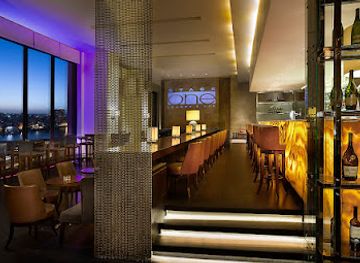
Stage One Lounge & Bar
Experience the essence of Cairo's nightlife at Stage One Lounge & Bar, where exquisite cocktails meet stunning Nile views in a luxurious setting.
-
Bar
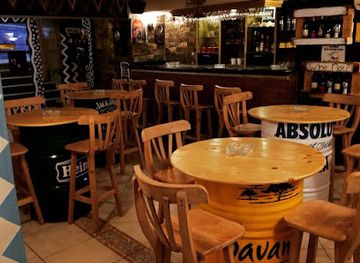
Zulu
Discover Zulu, a vibrant South African bar and grill in Cairo, offering a unique dining experience with lively atmosphere and delicious cuisine.
Best nightclubs in Nubia
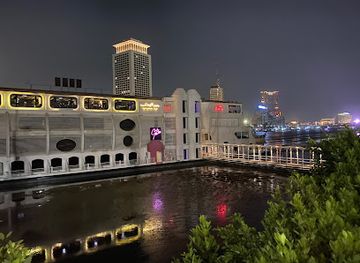
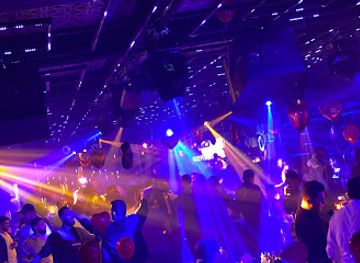
Nubian nightlife is generally relaxed and small-scale rather than centred on nightclubs. Aswan’s hotels and riverside restaurants provide the broadest choice of evening settings, including cafés, terraces, traditional tea gatherings and occasional live music. In west-bank villages and on the islands, evenings often focus on food, conversation, Nubian songs and views across the illuminated Nile rather than late-night entertainment. Some larger hotels serve alcohol, while availability is more limited in family-run guesthouses and village communities; visitors should follow the preference of their hosts. Felucca and dinner excursions may offer evening entertainment, but arrangements vary and should be confirmed in advance. After dark, allow for unlit lanes, uneven paths and limited transport in rural settlements, and arrange the return journey before setting out. The region’s evening character is best understood through local hospitality and music, not through a manufactured club scene.
-
Night club
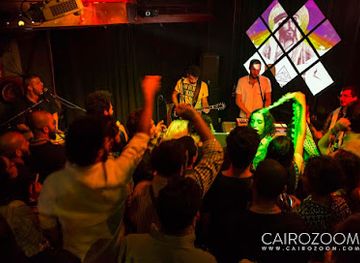
Cairo Jazz Club
Experience the vibrant nightlife of Cairo at Cairo Jazz Club, a premier live music venue and bar featuring local and international talent.
-
Bar
Gu Lounge
Dive into the vibrant nightlife at Gu Lounge, where exquisite cuisine meets exhilarating entertainment along the Nile in Cairo.
-
Disco club
OMNI club cairo
Dive into Cairo's nightlife at OMNI Club, the ultimate disco experience in Zamalek with electrifying music and vibrant atmosphere.
-
Night club
Cairo Jazz Club 610
Dive into Cairo's energetic nightlife at Cairo Jazz Club 610, where live jazz meets a vibrant crowd and a diverse drink selection.

Best shops in Nubia
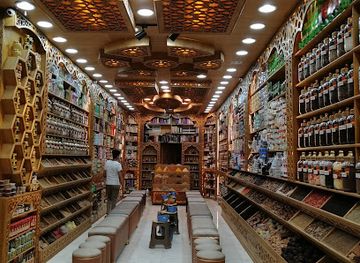
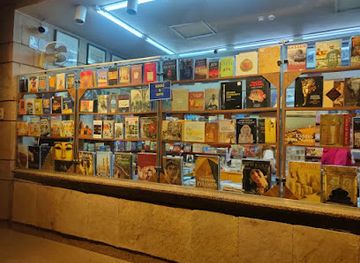
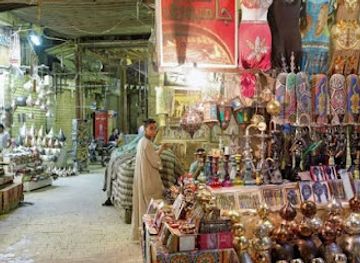
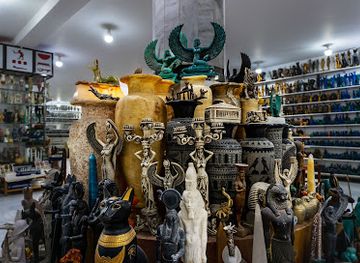
Shopping in Nubia is concentrated in Aswan’s markets, island communities, west-bank villages and craft-oriented guesthouses rather than in large retail centres. Visitors will find spices, dates, dried herbs, baskets, embroidered textiles, jewellery, carved objects and brightly painted decorative pieces, though quality and provenance vary. Nubian-style cotton garments and colourful accessories can be attractive purchases when bought respectfully and with clear understanding of the price. Aswan’s souqs also sell Egyptian food products, perfumes and practical souvenirs, while village visits may include locally made handicrafts or agricultural produce. Bargaining is common in informal markets but should remain courteous, and visitors should avoid buying antiquities or objects claimed to come from archaeological sites. Small notes are useful for modest purchases, and card payment cannot be assumed outside established shops. Supporting cooperatives, artists and locally owned businesses helps keep more of the value of tourism within Nubian communities.
-
Market
Aswan Old Souks
Explore the colorful labyrinth of Aswan Old Souks and discover authentic Egyptian crafts, spices, and culinary delights.
-
Archaeological museum
Nubian Museum
Explore the Nubian Museum in Aswan, a cultural gem showcasing the rich heritage and history of ancient Nubia through its fascinating artifacts.
-
Shopping mall
El Dahar Bazars
Experience the heart of Egyptian culture at El Dahar Bazars in Hurghada, where shopping meets vibrant local traditions.
-
Souvenir store
Imhotep Alabaster Luxor
Explore the artistry of Luxor at Imhotep Alabaster - a treasure trove of unique alabaster souvenirs and gifts.
Get your free copy of our complete guide to Nubia, delivered straight to you.
Everything on this page, from attractions and restaurants to essentials and local phrases, in one PDF you can read offline, print or share.
Already have an account? Sign in
Your Nubia guide is ready.
We'll send it to · Not you? Sign out

Getting your guide ready…
We are putting together a fresh copy of the Nubia guide. This can take up to a minute.
This can take a few moments. If your browser asks, choose Allow so the download can start. You'll find the guide in your Downloads folder.
Nothing happened? Download it again
Sorry, the guide is taking longer than usual. Please try again in a minute, or get it by email instead.
Nubia essentials
Currency and Payment
Safety
Emergency Situations
Do's and Don'ts
Local Tips
From Eve
Local phrases worth knowing
You don't need to get them perfect. A few words go a long way, and locals appreciate the effort.
Basics
| English | Local | Say it |
|---|---|---|
| Hello | سلام | [salaam] |
| Goodbye | مع السلامة | [ma'a as-salama] |
| Yes | نعم | [na'am] |
| No | لا | [laa] |
| Please/You're welcome | من فضلك | [min fadlik] |
| Thank you | شكرا | [shukran] |
| Excuse me/Sorry | عفوا | [afwan] |
| How are you? | كيف حالك؟ | [kayfa halak?] |
| Fine. And you? | بخير. وأنت؟ | [bikhayr. wa anta?] |
| Do you speak English? | هل تتحدث الإنجليزية؟ | [hal tatahaddath al-ingliziya?] |
| I don't understand | لا أفهم | [laa afham] |
Eating & Drinking
| English | Local | Say it |
|---|---|---|
| I'd like to see the menu, please | أود رؤية القائمة، من فضلك | [awad ru'yat al-qa'ima, min fadlik] |
| I don't eat meat | لا أتناول اللحم | [laa atanaawal al-lahm] |
| Cheers! | في صحتك! | [fi sihatak!] |
| I would like to pay, please | أود الدفع، من فضلك | [awad ad-daf', min fadlik] |
Emergencies
| English | Local | Say it |
|---|---|---|
| Help! | نجدة! | [najda!] |
| Go away! | ابتعد! | [ibt'id!] |
| Call the Police! | اتصل بالشرطة! | [ittasil bil-shurta!] |
| Call a doctor! | اتصل بالطبيب! | [ittasil bil-tabeeb!] |
| I'm lost | أنا ضائع | [ana da'i'] |
| I'm ill | أنا مريض | [ana marid] |
Shopping
| English | Local | Say it |
|---|---|---|
| I'd like to buy... | أود شراء... | [awad shirra...] |
| I'm just looking | أنا فقط أنظر | [ana faqat anzur] |
| How much is it? | كم سعره؟ | [kam si'ruh?] |
| That's too expensive | هذا مكلف جدا | [hatha mukallaf jidan] |
| Can you lower the price? | هل يمكنك خفض السعر؟ | [hal yumkinuka khafd as-si'r?] |
Time & Numbers
| English | Local | Say it |
|---|---|---|
| What time is it? | كم الساعة؟ | [kam as-saa'a?] |
| It's one o'clock | الساعة الواحدة | [as-saa'a al-wahidah] |
| Half past (10) | نصف بعد (10) | [nisf ba'd (10)] |
| Morning | صباحا | [sabahaan] |
| Afternoon | بعد الظهر | [ba'd adh-dhuhr] |
| Evening | مساء | [masaa'] |
| Yesterday | أمس | [ams] |
| Today | اليوم | [alyawm] |
| Tomorrow | غدا | [ghadan] |
| 1 | واحد | [wahid] |
| 2 | اثنان | [ithnayn] |
| 3 | ثلاثة | [thalatha] |
| 4 | أربعة | [arba'a] |
| 5 | خمسة | [khamsa] |
| 6 | ستة | [sitta] |
| 7 | سبعة | [sab'a] |
| 8 | ثمانية | [thamaniya] |
| 9 | تسعة | [tis'a] |
| 10 | عشرة | [ashara] |
Transport & Directions
| English | Local | Say it |
|---|---|---|
| Where's a/the...? | أين...؟ | [ayn...?] |
| What's the address? | ما هو العنوان؟ | [ma huwa al-'unwan?] |
| Can you show me (on the map)? | هل يمكنك إرشادي (على الخريطة)؟ | [hal yumkinuka irshadi (ala al-kharita)?] |
| When's the next (bus)? | متى تأتي (الحافلة) التالية؟ | [mata ta'ti (al-hafila) at-taliya?] |
| A ticket (to ....) | تذكرة (إلى ....) | [tathkira (ila ....)] |
History of Nubia
Prehistoric Nile Communities
The Nile Valley south of the First Cataract has supported human settlement since prehistoric times, when communities combined fishing, hunting, herding and early agriculture. Archaeological evidence from the Aswan region and the surrounding desert records changing patterns of movement and settlement as the climate became more arid. The river provided water, transport and fertile ground, while the cataracts and desert helped define a distinctive southern corridor. These early communities formed the deep cultural and economic foundations of Nubia long before the emergence of the Egyptian state.
Ancient Egypt’s Southern Frontier
From the early pharaonic period, the area around Aswan served as Egypt’s southern frontier and a gateway to lands farther upriver. The First Cataract was both a natural obstacle and a strategic boundary, while granite, gold and other resources moved through the region. Egyptian rulers built temples and settlements at sites including Elephantine and later extended their influence further south. The relationship was never simply one of conquest: trade, intermarriage, diplomacy and military rivalry connected Egyptian and Nubian societies across the Nile.
The Kingdom of Kush and Cross-Nile Exchange
For long periods, political power in Nubia was organised independently of Egypt, most notably through the Kingdom of Kush, whose centres lay farther south in what is now Sudan. Kushite rulers conquered Egypt in the eighth century BCE and established the Twenty-Fifth Dynasty, linking the Nile Valley under southern rule for several generations. Although the principal Kushite capitals were outside modern Egypt, this history remains central to understanding Nubia as a connected region rather than a simple extension of northern Egypt. Aswan and the First Cataract continued to mark an important zone of exchange and contest.
Christian Nubia and Qasr Ibrim
After the decline of ancient Egyptian and Roman authority, Christianity became influential in Nubia. Medieval Nubian kingdoms maintained churches, fortified settlements and diplomatic relationships along the Nile, while communities north and south of the First Cataract participated in a wider Christian culture. Qasr Ibrim, now an island site in Lake Nasser, preserves evidence of successive religious and political periods, including Christian occupation. The remains demonstrate the region’s long continuity as a frontier where African, Mediterranean and Nile Valley traditions met.
Islamisation and Ottoman-Era Nubia
Islam spread gradually through Nubia from the medieval period onwards, carried by trade, scholarship, migration and changing political connections. Local communities retained distinctive languages and customs while becoming part of the broader Islamic culture of Egypt and the Nile Valley. Under Ottoman and later Egyptian rule, Aswan remained a frontier town and commercial centre, with movement along the river linking Nubian settlements to markets farther north. The region’s religious buildings, domestic architecture and oral traditions reflect this layered history rather than a single moment of conversion.
The Aswan High Dam and Nubian Displacement
The construction of the Aswan High Dam in the 1960s created Lake Nasser and permanently altered Egyptian Nubia. Tens of thousands of Nubians were relocated from villages that were flooded, with many communities resettled north of the new lake or elsewhere in Egypt. An international campaign led to the dismantling and relocation of major monuments, including Abu Simbel and the temples of Philae, while other sites disappeared beneath the reservoir. The displacement remains a defining modern experience, shaping debates about heritage, land, identity and the future of Nubian communities.
Nubia in Photos
Browse through our photo collection highlighting the charm and character of the destination.
Neighbouring regions of Nubia
The closest regions to Nubia, if you have time for more than one.
-

-

-

-

-


Swipe for more regions
Explore more
Explore more of Egypt
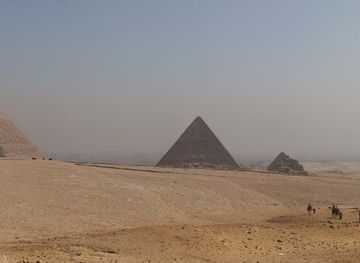
Discover Egypt: From the timeless pyramids to the vibrant Red Sea, experience a land where ancient wonders meet modern adventures.
Explore Egypt