

The Red Monastery, Sohag Travel Guide
Free Guide: Explore the Red Monastery: A journey through early Christian art and architecture in the heart of Egypt's Sohag.


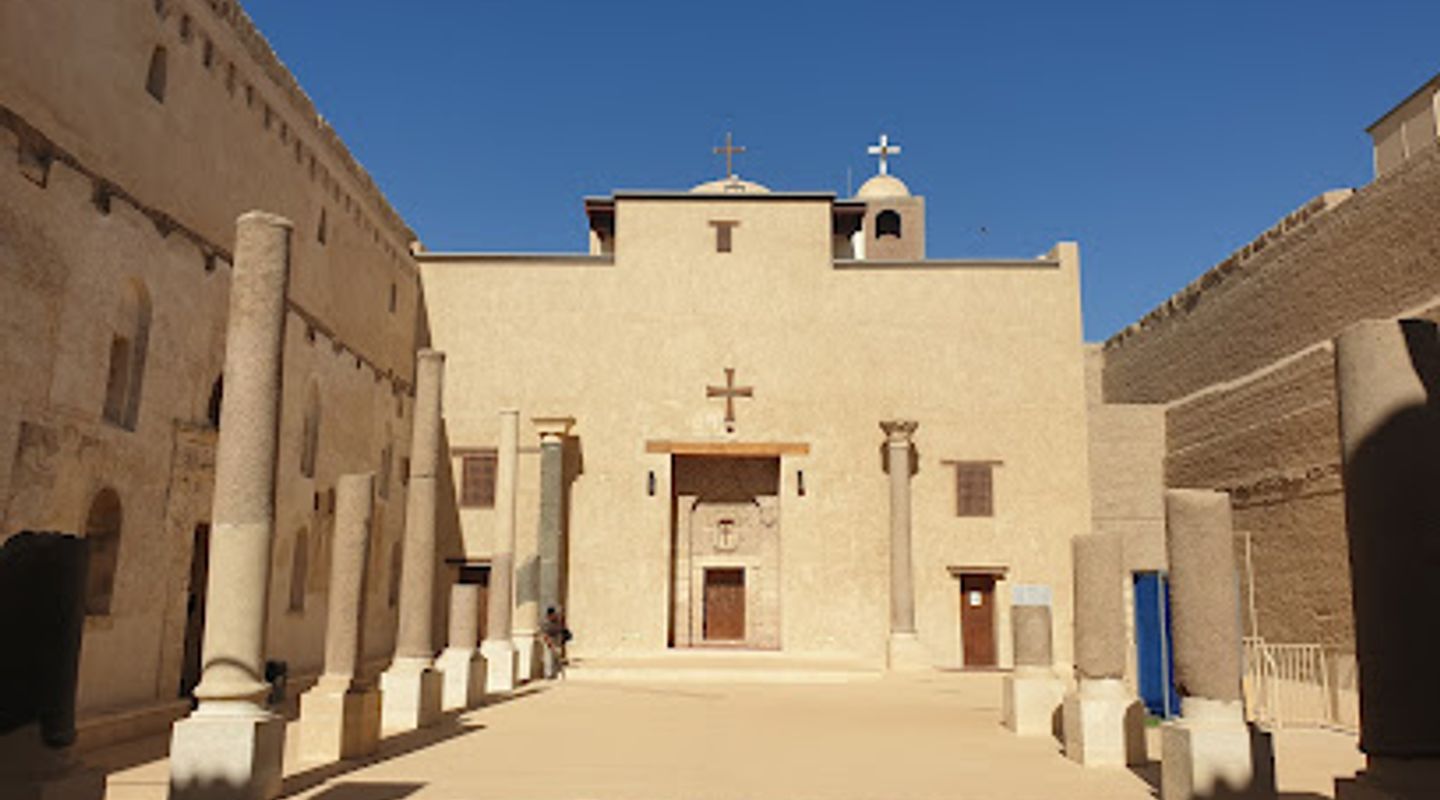
A brief summary of The Red Monastery
Explore the Red Monastery: A journey through early Christian art and architecture in the heart of Egypt's Sohag.
The Red Monastery, near Sohag, is an important early Christian monastery named for its red brick construction. Founded in the 4th century AD, it's known for its well-preserved vibrant frescoes, offering a glimpse into the art and culture of the Byzantine era.
Opening hours
- Every day9 am–5 pm
Opening hours as listed on the venue’s Google Business Profile. Hours can change for services and special events, so check with the venue before you go.
- Address
- HJ39+WX9 دير الانبا بيجول والانبا بشاى, ADFA, Sohag, Sohag Governorate 1692546
- Website
Getting there
Public Transport
Taxi
Discover more about The Red Monastery
Overview
The Red Monastery, officially the Monastery of Apa Psoi, stands as a remarkable testament to early Christian monasticism in Egypt. Located 21 kilometers west of Sohag, its name derives from the red brick used for its exterior walls. Founded in the 4th century AD by Saint Pishoy, a contemporary of Saint Pigol, founder of the White Monastery, it is one of the most important monasteries established during Christianity's early history.Inside, the monastery's church terminates in a tripartite structure adorned with murals painted with tempera, depicting biblical scenes featuring Jesus Christ, the Virgin Mary, the Four Gospels, and the Apostles. These ancient wall paintings, dating back to the 10th and 12th centuries, showcase vibrant colors and intricate designs, offering invaluable insights into the religious and cultural life of the period. The frescoes have survived for 1,500 years, because they were covered by an interior wall for over a millennium. The quality and extent of the surviving work has led this chapel to be likened to the Aya Sofya in Istanbul and the church of Ravenna as one of the great surviving monuments of late antiquity.The Red Monastery is not only a historical site but also a functioning monastery that serves the Coptic community. It attracts many visitors annually, including tourists and official envoys, drawn to its unique architectural style and historical significance.
Evendo Review Centre
 Google
Guest reviews
Explore The Red Monastery on the map
A handpicked selection of must-see spots near The Red Monastery, mapped for you.
Get your free copy of our complete guide to The Red Monastery, delivered straight to you.
Everything on this page, from opening hours and how to get there to Eve’s tips and the best time to go, in one PDF you can read offline, print or share.
Already have an account? Sign in
Your The Red Monastery guide is ready.
We'll send it to · Not you? Sign out

Getting your guide ready…
We are putting together a fresh copy of the The Red Monastery guide. This can take up to a minute.
This can take a few moments. If your browser asks, choose Allow so the download can start. You'll find the guide in your Downloads folder.
Nothing happened? Download it again
Sorry, the guide is taking longer than usual. Please try again in a minute, or get it by email instead.
Other nearby places you may find interesting
The closest places of the same kind, if this one is not quite what you had in mind.
-
-

-
-
-


Swipe for more places
More to explore near The Red Monastery

 Best experiences near The Red Monastery
 Best hotels near The Red Monastery
 Best landmarks near The Red Monastery
 Best attractions near The Red Monastery
 Best shops near The Red Monastery
 Best restaurants near The Red Monastery
 Best bars near The Red Monastery
Do you manage this location?
Take control to get all the benefits, like improved information, better appearance, and stronger visibility across AI-powered discovery.
Explore more

Explore more of Sohag
Discover Sohag: A serene Egyptian city where ancient history meets modern charm, offering a peaceful retreat with rich cultural experiences and stunning landscapes.
Explore Sohag
Explore more of Egypt
Discover Egypt: From the timeless pyramids to the vibrant Red Sea, experience a land where ancient wonders meet modern adventures.
Explore Egypt
