Suez Canal, Suez Travel Guide
Experience the marvel of engineering that connects continents and drives global commerce, a vital waterway with a rich history.
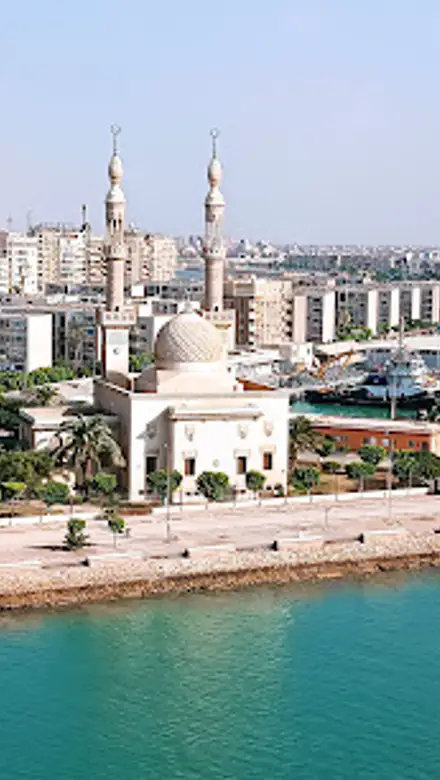
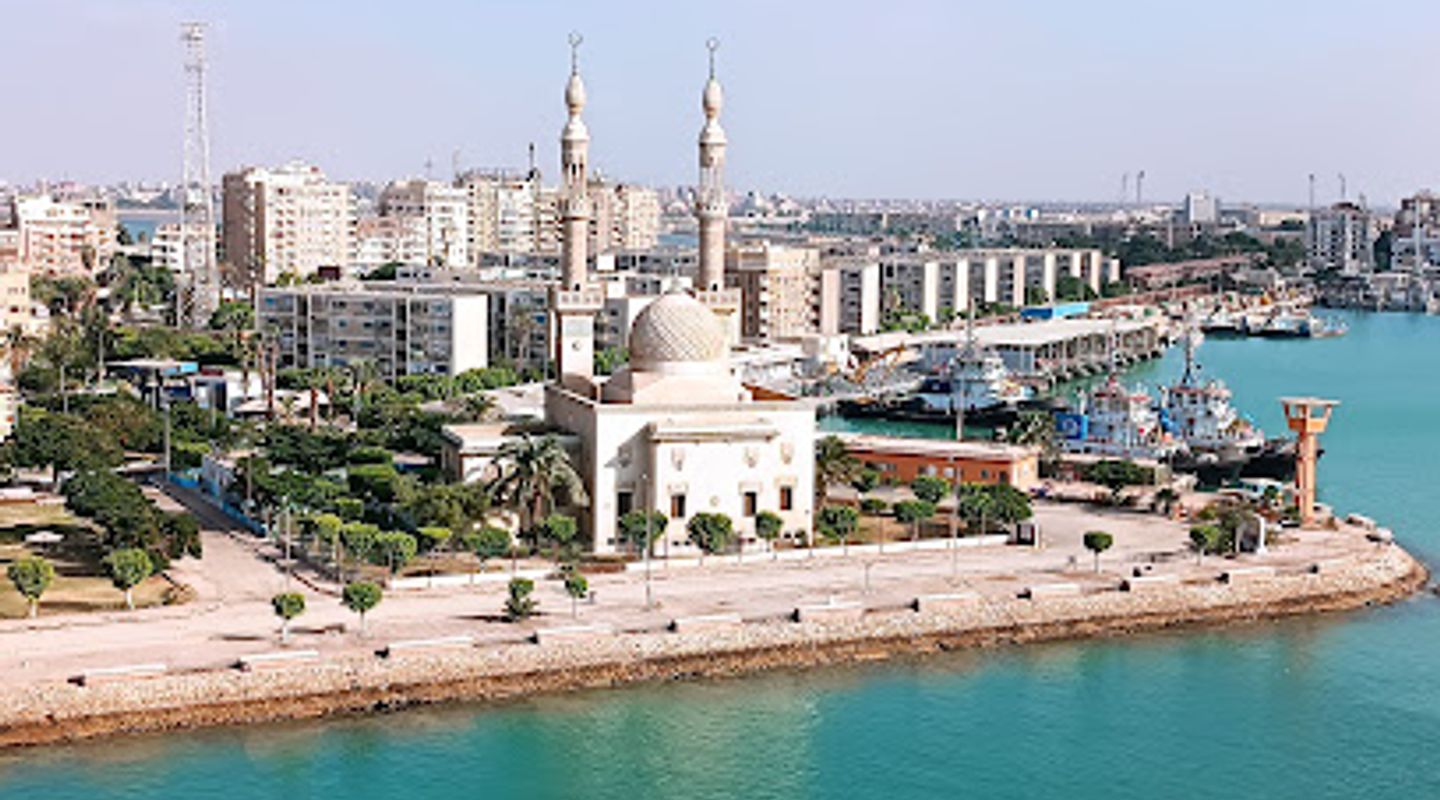
The Suez Canal, an artificial sea-level waterway in Egypt, connects the Mediterranean Sea and the Red Sea, providing the shortest maritime route between Europe and Asia. Since its completion in 1869, it has become one of the world's most heavily used shipping lanes and a vital artery for international trade.
A brief summary to Suez Canal
- EG

Know before you go
Hi, I'm Eve. Here are a few practical things to know before exploring Suez Canal.
- Visit the Suez Canal Authority Building in Ismailia to learn about the canal's history and operations.
- Explore the Suez National Museum to see artifacts that narrate the history of Suez from prehistoric times to the modern era.
- Take a boat tour to witness the massive ships navigating the canal.
- Visit the local markets in Suez to experience the vibrant culture and shop for souvenirs.
- Check for any travel advisories or security updates before planning your visit.
Do you manage this location?
Take control to get all the benefits, like improved information, better appearance, and stronger visibility across AI-powered discovery. Learn more about listing your business on Evendo
Activate your presenceOther nearby places you may find interesting
The closest places of the same kind, if this one is not quite what you had in mind.
Explore Suez Canal on the Map
A handpicked selection of must-see spots near Suez Canal, mapped for you.
Unlock the Best of Suez Canal
Buy tickets
-
No tickets available
Book tours with entry


Book tours without entry

Getting There
-
Private Car or Taxi
From Cairo, the most convenient way to reach the Suez Canal is by private car or taxi. The journey takes approximately 1.5 to 2 hours via the Cairo-Suez Road (Route 1), covering about 130 kilometers. Taxis are readily available in Cairo, and ride-sharing services like Uber and Careem also operate in the city. Expect to pay around 300-400 EGP for a one-way trip.
-
Public Transport
Public buses are an affordable option for traveling from Cairo to the Suez Canal. Buses depart from Cairo's central bus stations, such as the Turgoman Bus Station or the Cairo Gateway, with services to the city of Suez. The bus ride takes around 2 to 2.5 hours. A one-way ticket costs approximately 50-75 EGP.
Discover more about Suez Canal













Your all‑in‑one travel companion app
Explore expert travel guides, compare and book tours, experiences, hotels, and more—all from the palm of your hand. Download now for seamless trip planning wherever your wanderlust takes you.


Explore More of Suez
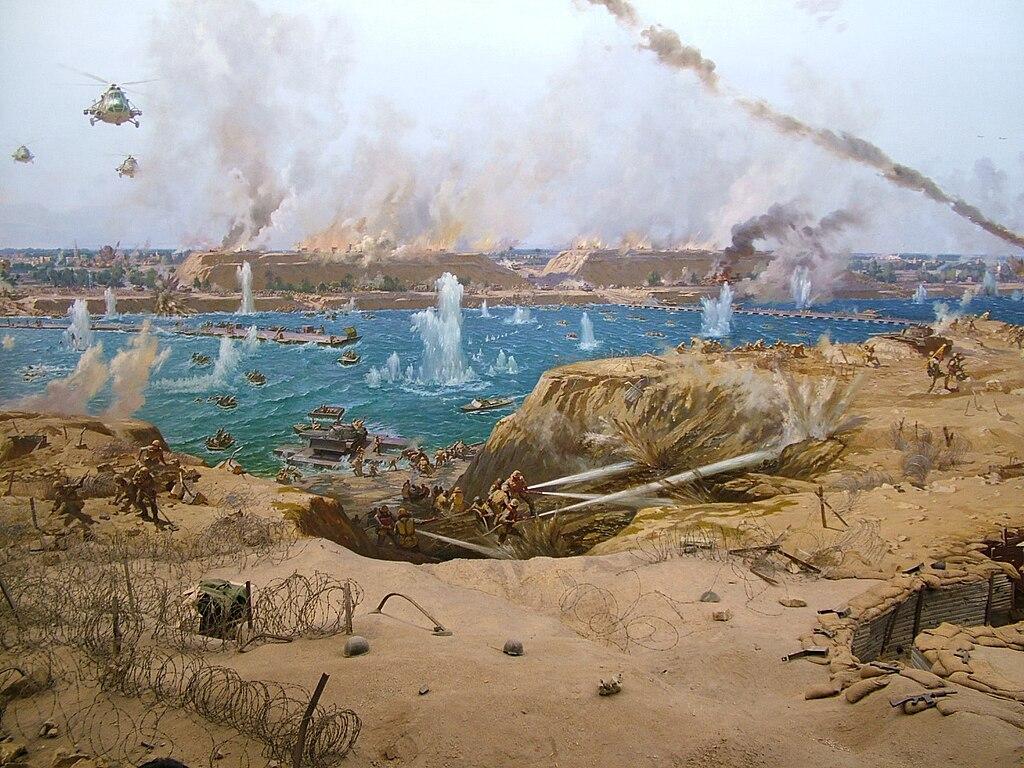
Looking beyond Suez Canal? Discover Suez for broader travel guides, local hot-spots, and regional highlights.
Explore Suez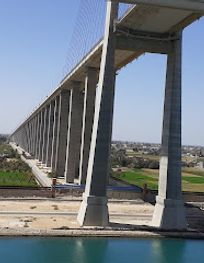
Explore the Suez Canal Monument: A landmark honoring the ingenuity & history of Egypt's vital maritime passage in El Qantara El Sharqiya.

Connecting continents, the Suez Canal is a vital trade route between Europe and Asia, shortening travel distances and enabling global commerce.