Wadi El-Jarf, Suez Travel Guide
Discover Wadi El-Jarf, the world's oldest harbor, revealing ancient Egyptian maritime history and trade routes on the Red Sea coast.
Explore Wadi El-Jarf, a Red Sea coastal site and home to the world's oldest known artificial harbor, dating back 4,500 years to the Fourth Dynasty of Egypt. Discover remnants of ancient maritime activity and gain insights into the harbor's role in voyages to Sinai and possibly the Land of Punt.
A brief summary to Wadi El-Jarf
- VMQJ+G5G, Ras Ghareb, Red Sea Governorate, EG
- Click to display

Know before you go
Hi, I'm Eve. Here are a few practical things to know before exploring Wadi El-Jarf.
- Wear sturdy shoes suitable for walking on uneven terrain and exploring the archaeological site.
- Bring water and sun protection, as the Red Sea coast can be hot and sunny.
- Check with local authorities or tour operators for the latest information on site accessibility and visiting hours.
Do you manage this location?
Take control to get all the benefits, like improved information, better appearance, and stronger visibility across AI-powered discovery. Learn more about listing your business on Evendo
Activate your presenceOther nearby places you may find interesting
The closest places of the same kind, if this one is not quite what you had in mind.

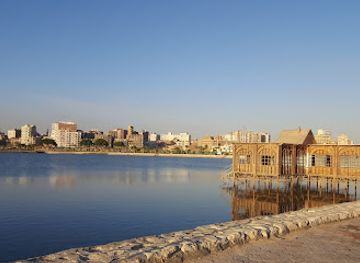


Explore Wadi El-Jarf on the Map
A handpicked selection of must-see spots near Wadi El-Jarf, mapped for you.
Getting There
-
Driving
Wadi El-Jarf is located approximately 119 km south of Suez. From Ras Ghareb, follow the coastal road south. The site is located off the main road; look for signs indicating the turn-off. Due to the remote location, ensure you have sufficient fuel and supplies. There are no established parking facilities, so park safely off the road near the site entrance. As of July 2025, there are no known tolls or parking fees in the immediate vicinity.
Discover more about Wadi El-Jarf













Your all‑in‑one travel companion app
Explore expert travel guides, compare and book tours, experiences, hotels, and more—all from the palm of your hand. Download now for seamless trip planning wherever your wanderlust takes you.


Explore More of Suez
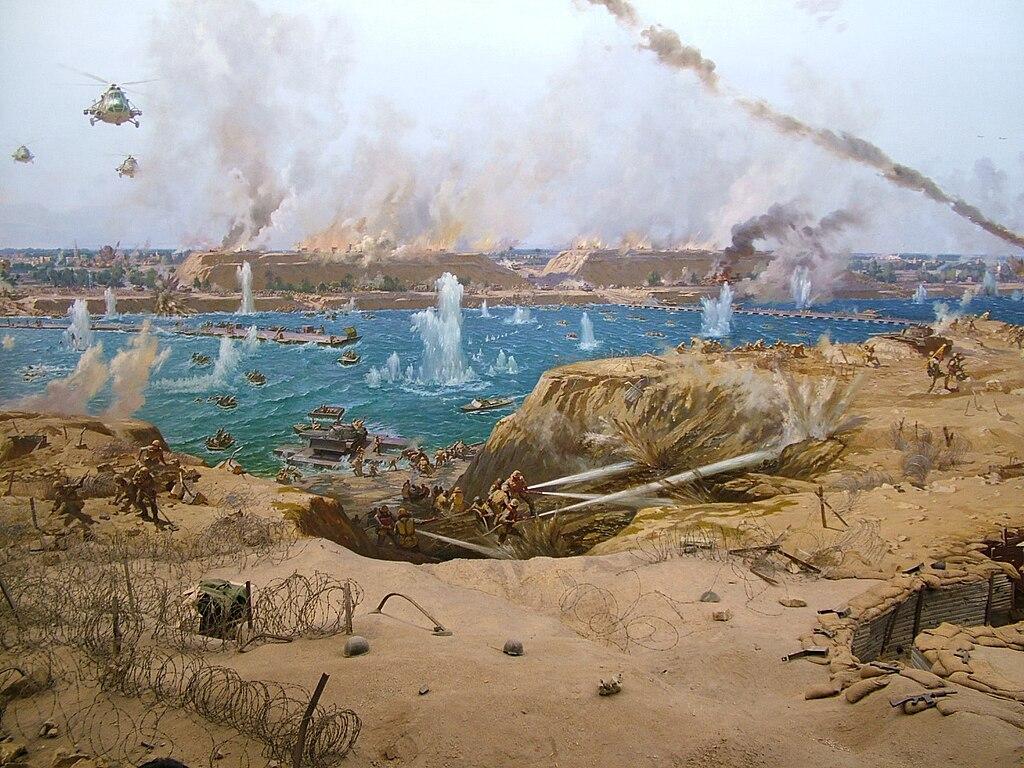
Looking beyond Wadi El-Jarf? Discover Suez for broader travel guides, local hot-spots, and regional highlights.
Explore Suez