
Background

Lago de Ilopango: Volcanic Majesty

Explore El Salvador's largest volcanic lake: Lago de Ilopango, a natural paradise offering recreation and stunning scenery.

4.6

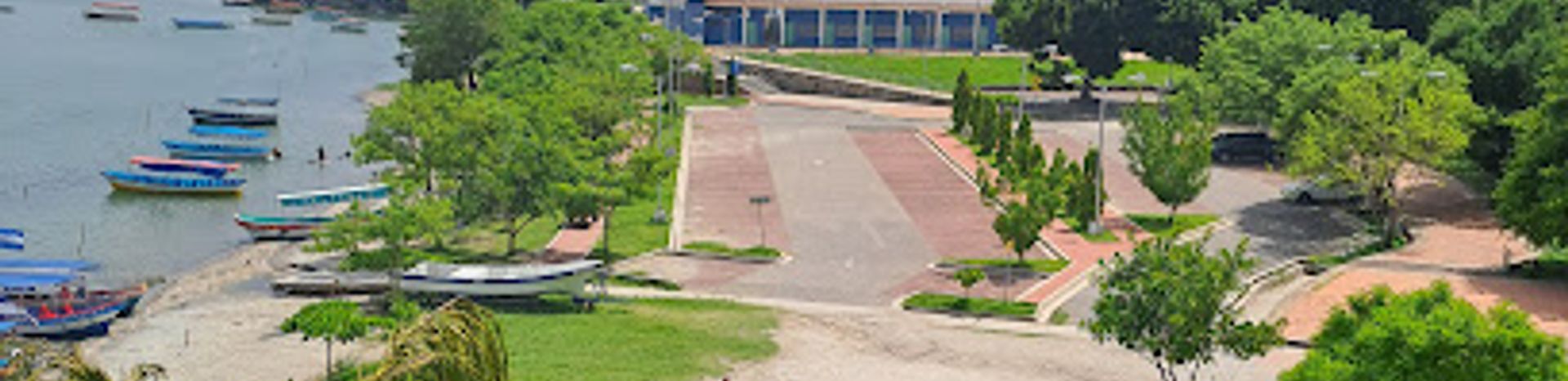
Lago de Ilopango, El Salvador's largest lake, fills the caldera of a massive volcano. Its stunning beauty and recreational opportunities make it a popular destination for swimming, boating, and dining with a view.

A brief summary to Lago de Ilopango

  • MW96+58H, Calle A Lago De, Ilopango, SV

Local tips

  • Visit during the week to avoid weekend crowds, especially at the Apulo tourist center.
  • Try local Salvadoran cuisine at the food stalls around the lake.
  • Consider hiring a local guide to learn more about the area's history and culture.
  • Check the weather forecast before your visit, as conditions can change rapidly.
widget icon

Getting There

  • Bus and Taxi

    From San Salvador, take bus route #15 towards Apulo (Lago de Ilopango). The bus fare is approximately $0.80. The bus will take you to Ilopango. From there, take a taxi to the lake, which should cost around $5. Confirm the fare before getting in.

  • Car

    From San Salvador, drive towards Ilopango on the CA-1 highway. Follow the signs for Lago de Ilopango. The drive is approximately 18 km and takes about 21 minutes. Expect to pay a small toll of around $0.50 on the CA-1.

Unlock the Best of Lago de Ilopango

Buy tickets

    No tickets available

Book tours with entry

    No tours available

Book tours without entry

    No tours available

Discover more about Lago de Ilopango

Lago de Ilopango is a stunning crater lake located in El Salvador, Central America. This expansive lake, approximately 15 km long and 8 km wide, occupies the caldera of an extinct volcano and reaches depths of up to 248 meters. The lake's formation is attributed to a series of volcanic eruptions, the most significant of which occurred around 1,500 years ago. This eruption, known as the Ilopango Event, was one of the largest volcanic events in Central America in the last 10,000 years. The explosion created a massive crater that eventually filled with water, forming the lake we see today. Throughout history, Lago de Ilopango has been crucial to the development and sustenance of various civilizations. The surrounding area was inhabited by indigenous groups such as the Maya and Pipil people, who utilized the lake for fishing, agriculture, and transportation. The fertile land around the lake provided a valuable food source, and the lake itself was a vital water source for the local communities. In 1880, a series of earthquakes and volcanic eruptions caused the lake's waters to rise dramatically, resulting in devastating flooding in nearby villages and farmland. The eruption also led to the formation of new islands within the lake, changing its landscape permanently. Today, Lago de Ilopango is a popular destination for tourists and locals alike, offering opportunities for boating, swimming, and fishing. Visitors can enjoy kayaking, paddleboarding, and hiking along the scenic trails that wind around the lake. The clear, calm waters are perfect for swimming, while the unique volcanic landscape adds an extraordinary backdrop to any outdoor activity. The lake's shoreline and surroundings offer a variety of restaurants with spectacular views.

Popular Experiences near Lago de Ilopango

Popular Hotels near Lago de Ilopango

Select Currency