
Tazumal Archaeological Park: Echoes of El Salvador's Mayan Past
Explore El Salvador's ancient Mayan past at Tazumal Archaeological Park in Chalchuapa, where history and culture come alive.
Tazumal Archaeological Park, located in Chalchuapa, El Salvador, is a significant Mayan site dating back to 100 AD. Featuring a 24-meter-high pyramid, the park offers a glimpse into the Mayan civilization that thrived here until around 1200 AD. Visitors can explore the ruins, the on-site museum, and learn about the cultural influences of the Maya, Teotihuacan, and Toltec peoples in this ancient city.
A brief summary to Tazumal Archaeological Park
- C. Tazumal, Chalchuapa, SV
- +50324440010
- Visit website
Local tips
- Wear comfortable shoes, as you'll be doing a fair amount of walking around the archaeological site.
- Bring water and sunscreen, as the area can get hot and sunny.
- Visit the Stanley Boggs Museum on-site to learn more about the history and significance of Tazumal.
- Consider hiring a local guide for a more in-depth understanding of the Mayan culture and the site's features.

Getting There
-
Bus
From Santa Ana, take bus #202 or #218 towards Chalchuapa. The ride costs approximately $0.32 and takes about 30 minutes. From the Chalchuapa bus stop, walk along 7a Calle Oriente for about 200 meters to reach the entrance of Tazumal Archaeological Park.
-
Taxi/Uber
From Santa Ana, a taxi or Uber ride to Tazumal costs around $10 and takes approximately 15 minutes. Taxis and Ubers are readily available in Santa Ana. Note: There isn't an official parking lot at the site, but you can park near local businesses for a small fee.
Discover more about Tazumal Archaeological Park
Iconic landmarks you can’t miss

Tazumal Archaeological Park
0.0 km
Explore Tazumal Archaeological Park, a gateway to the ancient Mayan civilization in El Salvador, where history and culture come alive.

RastaMaya Tours
0.4 km
Discover the rich culture and stunning landscapes of El Salvador with RastaMaya Tours, your gateway to unforgettable adventures in Chalchuapa.
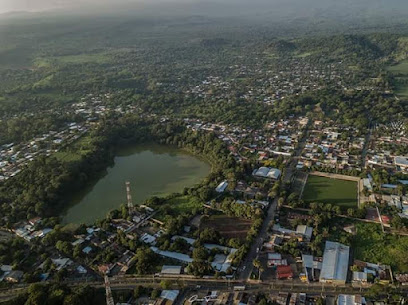
Parroquia Santiago Apostol
0.9 km
Discover the historical charm and spiritual significance of Parroquia Santiago Apostol in Chalchuapa, El Salvador.
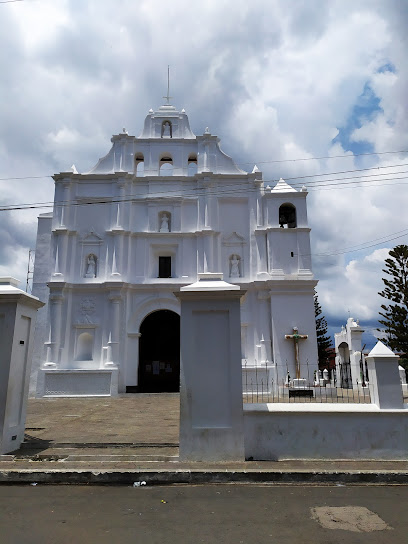
Desvió chalchuapa
0.9 km
Discover the historical wonders of Desvío Chalchuapa, a serene landmark in El Salvador that showcases rich cultural heritage and stunning architecture.
Plaza Rufino Barrios
1.0 km
A tribute to General Barrios in Chalchuapa, offering a glimpse into Central American history and a place for community.
Monumento Justo Rufino Barrios
1.0 km
Commemorating a Guatemalan president's vision for a united Central America, in the historically rich town of Chalchuapa, El Salvador.
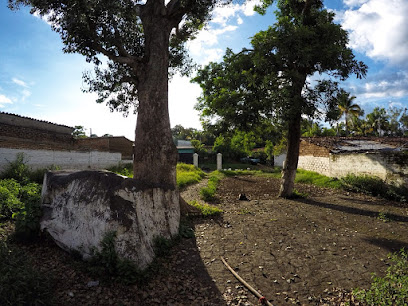
Iglesia Ministerio Profético Columna y Baluarte de la Verdad
1.2 km
Discover the spiritual heart of Chalchuapa at the Iglesia Ministerio Profético Columna y Baluarte de la Verdad, a serene and culturally rich place of worship.
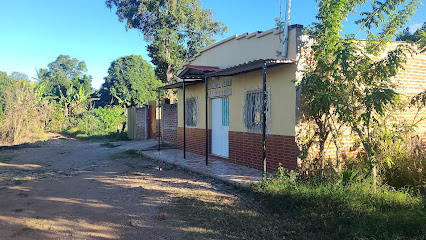
La Iglesia de Jesucristo de los Santos de los Últimos Días
2.2 km
Explore the spiritual and cultural heart of Chalchuapa at La Iglesia de Jesucristo de los Santos de los Últimos Días, a welcoming church with vibrant community activities.

El arado
6.1 km
Explore El Arado in Chalchuapa, a captivating tourist attraction that unveils the rich cultural heritage and breathtaking landscapes of El Salvador.
El Salvador
11.9 km
Discover the vibrant culture and stunning landscapes of El Salvador, a Central American treasure rich in history and adventure.
Santa Ana El Salvador
11.9 km
Experience the vibrant atmosphere of Santa Ana's playground, a family-friendly oasis in El Salvador that welcomes tourists with open arms.
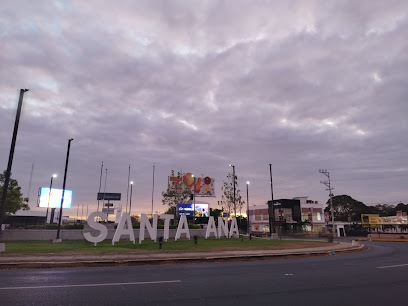
Monumento Nuestra Señora Santa Ana
12.3 km
Discover the historic Monument to Nuestra Señora Santa Ana in Santa Ana, El Salvador, a cultural landmark reflecting the city's rich heritage.

Iglesia El calvario
12.3 km
Explore the architectural beauty and cultural richness of Iglesia El Calvario, a must-visit Catholic church in Santa Ana, El Salvador.
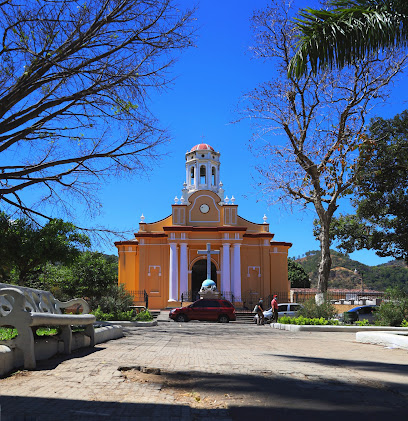
Castillo Embrujado- Necrotour Santaneco
12.5 km
Discover the haunting tales and rich history at Castillo Embrujado in Santa Ana, the perfect destination for thrill-seekers and history lovers alike.
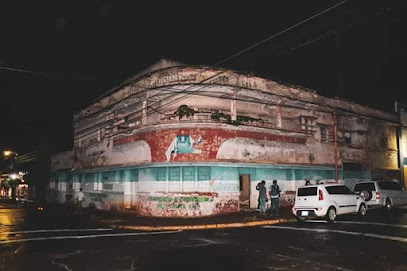
Remfort Hotel
12.6 km
Experience the charm of Santa Ana at Remfort Hotel, where comfort meets local culture in the heart of El Salvador.
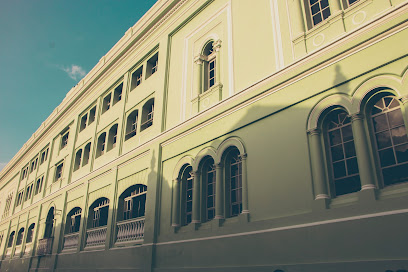
Unmissable attractions to see

Laguna enmascarada
0.3 km
Discover the serene beauty of Laguna Enmascarada, a picturesque lagoon in Chalchuapa, El Salvador, perfect for nature lovers and cultural explorers.
Casa de los leonés
0.6 km
Explore the enchanting Casa de los Leones in Chalchuapa, a stunning tourist attraction rich in culture and architectural beauty.
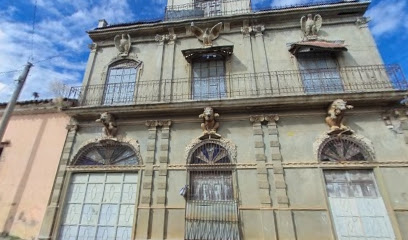
Laguna Seca
0.7 km
Explore the tranquil beauty of Laguna Seca, a hidden gem in Chalchuapa, El Salvador, perfect for nature lovers and serene getaways.
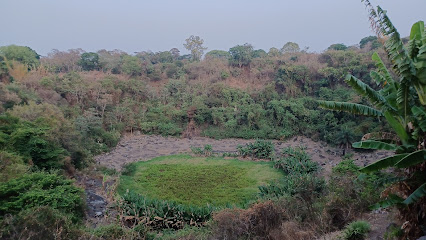
José Matias Delgado Park
0.8 km
Explore the beauty of nature and experience local culture at José Matias Delgado Park, a tranquil oasis in Chalchuapa, El Salvador.
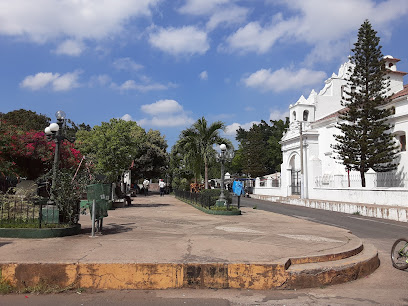
Casa Blanca Archaeological Site
0.9 km
Explore the Casa Blanca Archaeological Site and delve into the ancient Maya civilization's history amidst stunning landscapes in El Salvador.
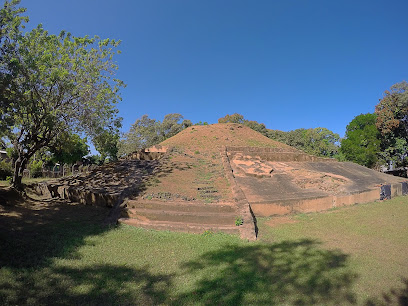
Santiago Apostol Park
0.9 km
Explore Santiago Apostol Park in Chalchuapa, El Salvador - a tranquil retreat with lush greenery and family-friendly spaces for relaxation and recreation.
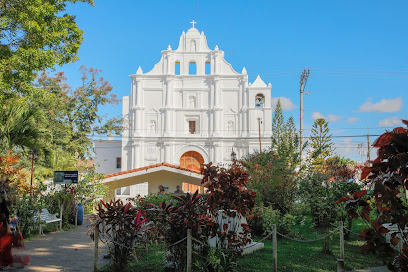
Cantón el Amaton
1.1 km
Experience the captivating beauty and rich heritage of Cantón el Amaton in Chalchuapa, a must-visit tourist attraction in El Salvador.
Balneario El Trapiche. Chalchuapa
1.7 km
Experience natural spring waters and lush landscapes at Balneario El Trapiche, the perfect water park getaway in Chalchuapa, El Salvador.
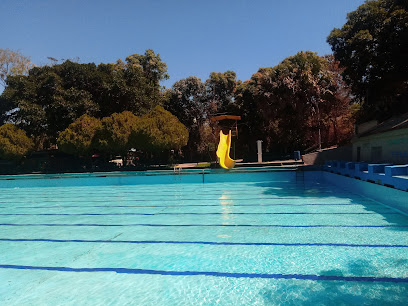
Finca San Antonio
1.8 km
Discover the tranquility and rich agricultural heritage of Finca San Antonio, your perfect escape in Chalchuapa, El Salvador.
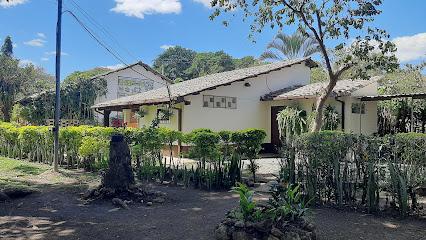
Parque Acuático Galicia
2.9 km
Discover thrilling water slides, relaxing pools, and fun-filled family activities at Parque Acuático Galicia, the ultimate water park in El Salvador.
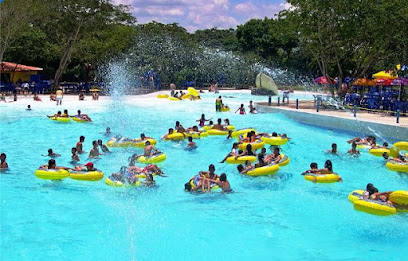
Cerrado para ir ala izquierda
9.0 km
Explore Cerrado para ir ala izquierda, a stunning tourist attraction in Santa Ana, showcasing the vibrant culture and natural beauty of El Salvador.
Lago coatepeque
11.9 km
Discover the tranquility and beauty of Lago Coatepeque, a stunning volcanic lake in El Salvador, perfect for hiking, relaxation, and unforgettable nature experiences.
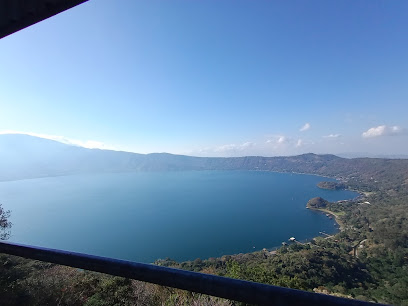
El peñon
11.9 km
Discover the breathtaking beauty and cultural richness of El Peñón, a stunning rock formation in Santa Ana, El Salvador.
Mirador MamiChula
12.0 km
Discover the stunning vistas of Mirador MamiChula in Chalchuapa, El Salvador - a serene viewpoint perfect for nature lovers and photographers.
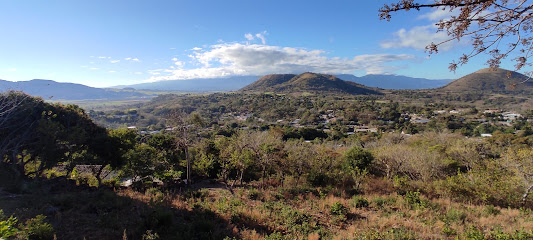
Old Art School
12.1 km
Explore the captivating Old Art School in Santa Ana, a historical landmark that showcases El Salvador's rich artistic heritage and vibrant culture.
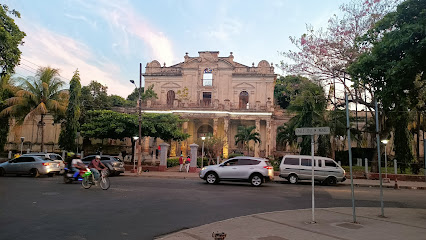
Essential places to dine

Yuqueria july
0.0 km
Experience Traditional American cuisine at Yuqueria July near the historic El Tazumal ruins in Chalchuapa, El Salvador.
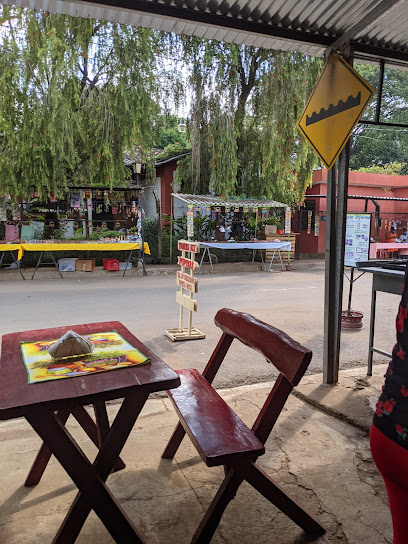
Típicos del Pueblo
0.1 km
Savor traditional Salvadoran flavors at Típicos del Pueblo in Chalchuapa - an authentic dining experience showcasing local culinary heritage.
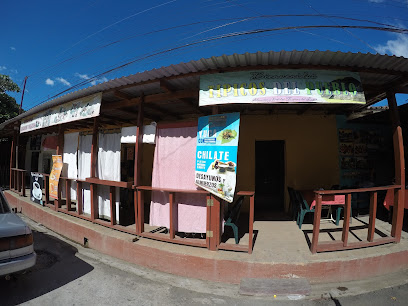
Yuqueria La Tipica
0.1 km
Discover authentic Salvadoran cuisine at Yuqueria La Tipica in Chalchuapa – where every dish tells a story.
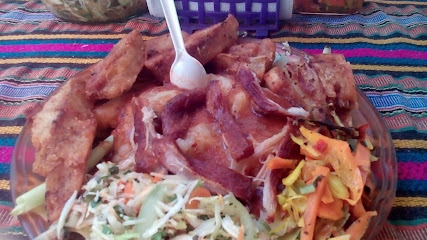
Yuqueria JADE
0.1 km
Experience authentic Salvadoran flavors at Yuqueria JADE in Chalchuapa, where tradition meets taste in every dish.
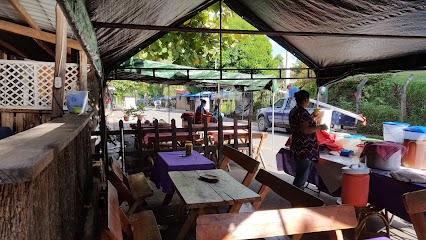
Oriental Kitchen
0.1 km
Experience the rich flavors of authentic Chinese cuisine at Oriental Kitchen in Chalchuapa - where every dish tells a story.
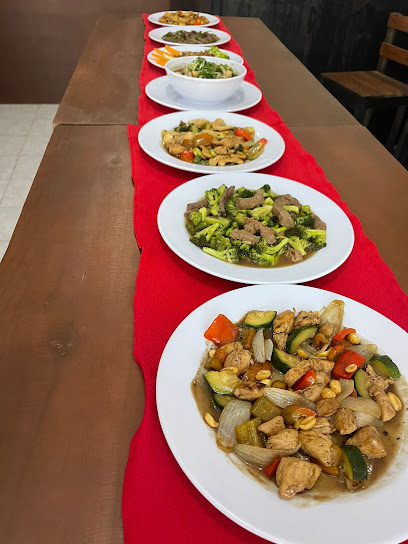
Chalchiwit Grill
0.1 km
Experience authentic Salvadoran cuisine at Chalchiwit Grill near Tazumal – where tradition meets flavor.
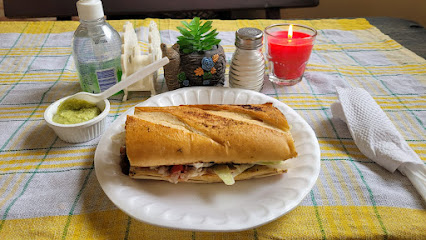
Rostizados de la abuela
0.1 km
Experience authentic Salvadoran flavors at Rostizados de la Abuela in Chalchuapa, known for its delicious roasted chicken and friendly atmosphere.
Yuquería Mayen
0.2 km
Experience authentic Salvadoran cuisine at Yuquería Mayen in Chalchuapa - a culinary gem showcasing rich flavors and cultural heritage.
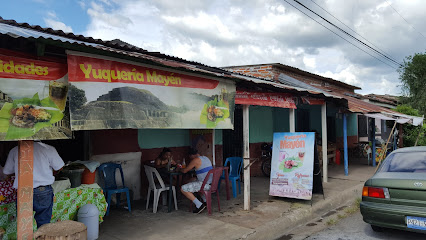
Sopa De Gallina Sabor De Mi Pueblo
0.2 km
Experience authentic Salvadoran cuisine at Sopa De Gallina Sabor De Mi Pueblo in Chalchuapa, featuring traditional dishes perfect for families and food lovers alike.
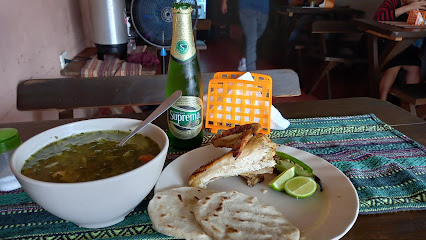
Maya Bistro Bar
0.2 km
Discover the rich flavors of Chalchuapa at Maya Bistro Bar, where every grilled dish tells a story.
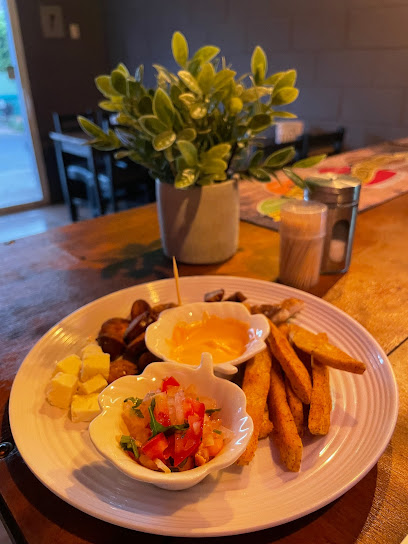
Panes Yoli
0.3 km
Experience authentic Salvadoran cuisine at Panes Yoli in Chalchuapa – where every meal is a celebration of flavor.
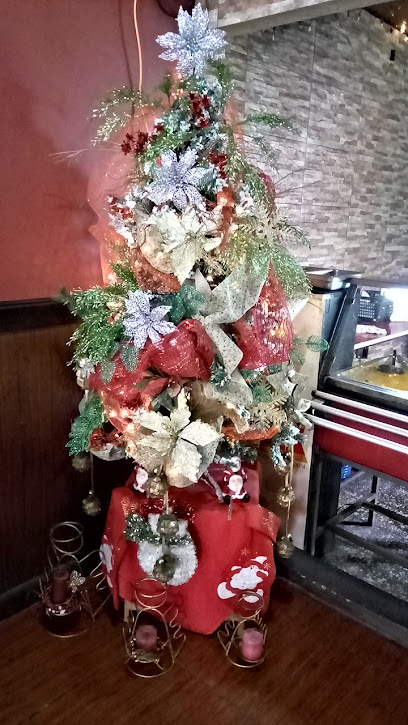
La Charrasca
0.3 km
Discover authentic Salvadoran flavors at La Charrasca in Chalchuapa - a must-visit culinary destination for every traveler.
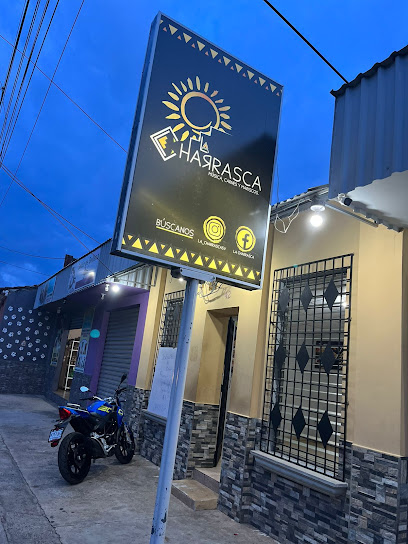
Cocteleria Lucita
0.4 km
Experience authentic Salvadoran cuisine and vibrant cocktails at Cocteleria Lucita in Chalchuapa – where every bite tells a story.
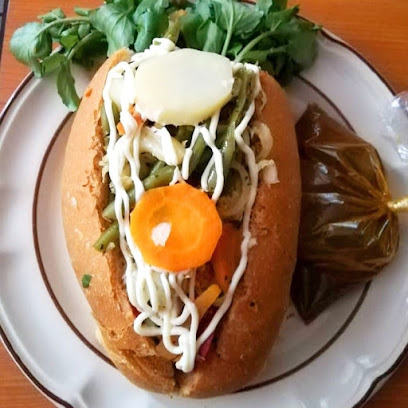
Pupuseria Casa De Bendicion
0.4 km
Experience authentic Salvadoran cuisine at Pupuseria Casa De Bendicion in Chalchuapa - a must-visit for delicious pupusas and local flavors.
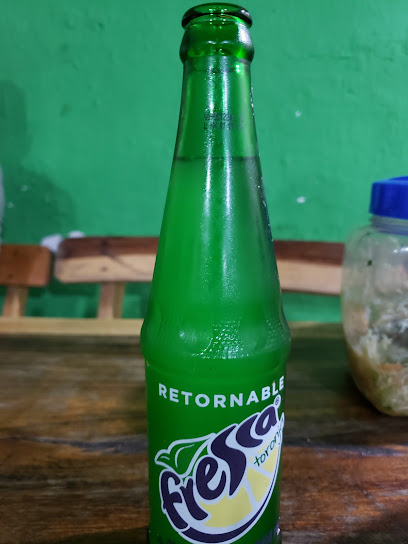
Seven Juices and Snacks
0.4 km
Discover refreshing juices and delicious snacks at Seven Juices and Snacks in Chalchuapa - a hidden gem for flavor enthusiasts.
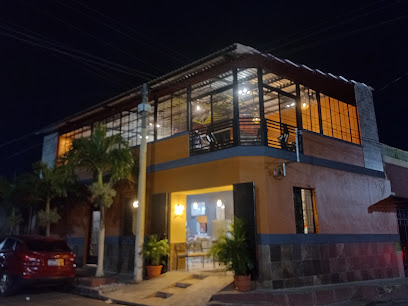
Markets, malls and hidden boutiques

Miraflores Chalchuapa
0.1 km
Explore the unique Aboriginal art and handcrafted souvenirs at Miraflores Chalchuapa, a cultural gem in the heart of El Salvador.
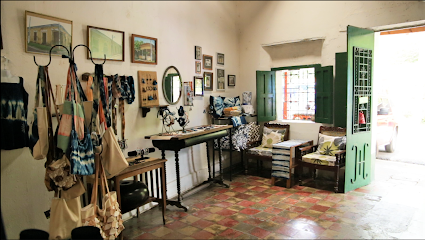
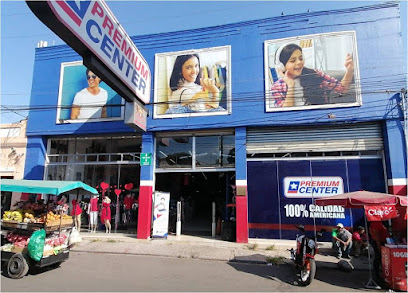
Premium Center
0.5 km
Explore the charm of sustainable fashion at Premium Center in Chalchuapa, where unique second-hand treasures await every traveler.
Marlim’s beauty and more
0.5 km
Explore local beauty at Marlim’s Beauty and More in Chalchuapa, where Salvadoran charm meets diverse cosmetics and skincare.
Tu Joyeria
0.6 km
Explore unique jewelry treasures and local craftsmanship at Tu Joyeria in Chalchuapa, a must-visit destination for every tourist.

Luzciérnagas
0.6 km
Explore Luzciérnagas, a unique boutique in Chalchuapa, offering exquisite handmade crafts and gifts that reflect the heart of El Salvador's culture.
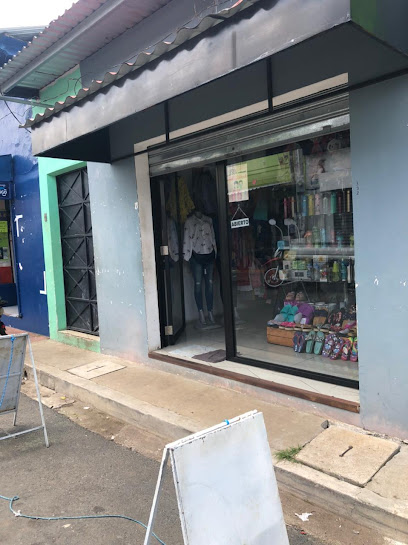
Comercial Divino Maestro
0.6 km
Discover the unique treasures of El Salvador at Comercial Divino Maestro, a home goods store in Chalchuapa filled with local artistry and charm.
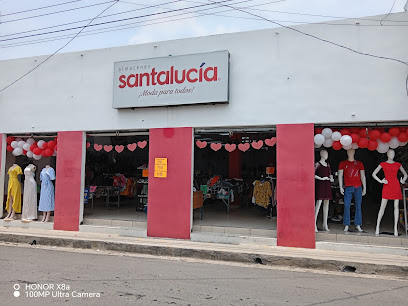
Almacenes Santa Lucía • Chalchuapa
0.6 km
Explore Almacenes Santa Lucía for unique clothing that captures the essence of Chalchuapa's vibrant culture and local fashion scene.
Tienda camila
0.6 km
Experience the vibrant local culture at Tienda Camila, a delightful dollar store in Chalchuapa, where affordability meets variety.
FULL 99 CHALCHUAPA
0.6 km
Explore FULL 99 CHALCHUAPA, a vibrant store in Chalchuapa, for unique local products and cultural treasures that reflect El Salvador's rich heritage.
COMERCIAL HENRIQUEZ
0.6 km
Explore the vibrant offerings of Comercial Henriquez in Chalchuapa, a treasure trove of local crafts and home goods embodying El Salvador's rich culture.
K & C Boutique
0.6 km
Explore K & C Boutique in Chalchuapa for unique clothing and accessories that celebrate local fashion and culture.
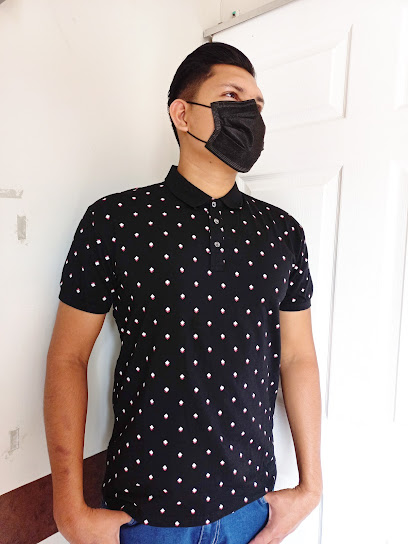
Anderson y daniela fashion
0.7 km
Discover unique fashion pieces at Anderson y Daniela Fashion in Chalchuapa, where local culture meets modern style.
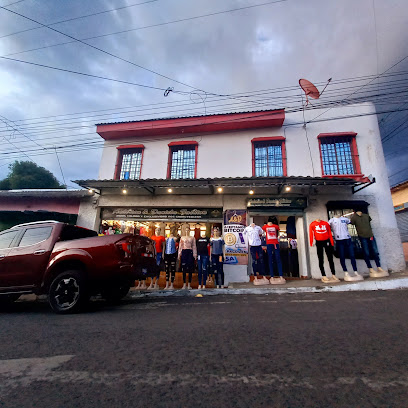
Comercial Casa San Miguel
0.7 km
Discover unique home goods and local crafts at Comercial Casa San Miguel in the vibrant Mercado Municipal de Chalchuapa, El Salvador.
Jime Jime Boutique
0.7 km
Discover unique fashion treasures and local craftsmanship at Jime Jime Boutique in Chalchuapa, a must-visit for stylish souvenirs.
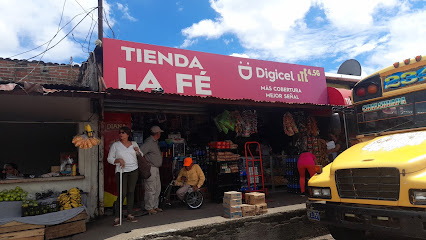
Tienda la Fe
0.7 km
Explore local flavors and essentials at Tienda la Fe, your friendly convenience store in Chalchuapa, El Salvador.
Essential bars & hidden hideouts

Minga's Cevicheria
0.5 km
Experience the vibrant flavors of the sea at Minga's Cevicheria in Chalchuapa, where exceptional ceviche meets a warm, inviting atmosphere.
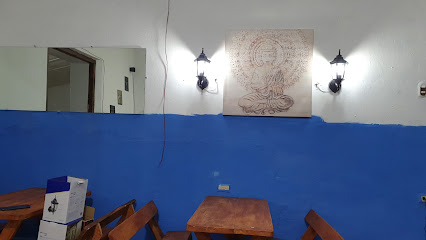
PAN DULCE, DESAYUNO EN CHALCHUAPA
0.6 km
Experience the flavors of Chalchuapa at Pan Dulce Bistro, where delicious breakfast meets a cozy atmosphere.
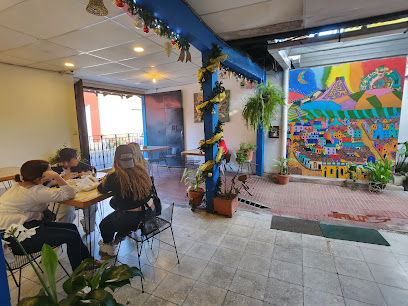
Pupuseria La Rumba
0.6 km
Experience the authentic taste of El Salvador at Pupuseria La Rumba, known for its delicious pupusas and warm atmosphere in Chalchuapa.
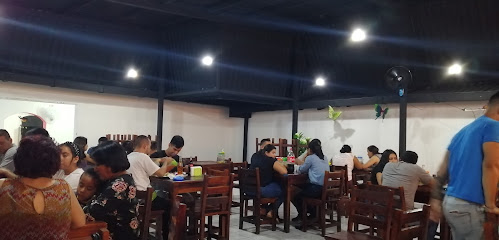
Frida bar café y cocina
0.8 km
Savor the essence of Chalchuapa at Frida Bar Café y Cocina, where delicious cuisine meets an inspiring ambiance in every dish.
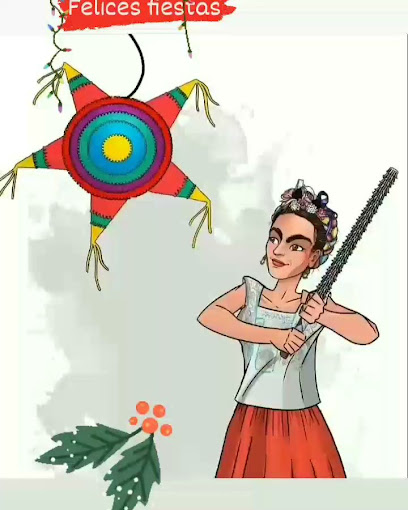
RESTOBAR
0.8 km
Explore Restobar in Chalchuapa for an unforgettable dining experience featuring a blend of local and international flavors.
Alcapone's
0.8 km
Discover the vibrant nightlife at Alcapone's in Chalchuapa, where local culture meets refreshing drinks and lively ambiance.
Miches & Ceviches
0.9 km
Discover the vibrant flavors of Miches & Ceviches, a cocktail bar in Chalchuapa offering refreshing drinks and delectable ceviches in a lively atmosphere.
Taquería Orale
0.9 km
Experience the vibrant tastes of Mexico at Taquería Orale, Chalchuapa's favorite bar for authentic dishes and lively atmosphere.
Abarroteria la esquina
1.0 km
Discover the charm of Abarroteria La Esquina in Chalchuapa, a perfect blend of local drinks and a warm atmosphere.
Altamira Gastrobar
10.8 km
Discover Altamira Gastrobar in Santa Ana: A vibrant bar with an extensive beer selection and a charming garden ambiance, perfect for relaxation and social gatherings.
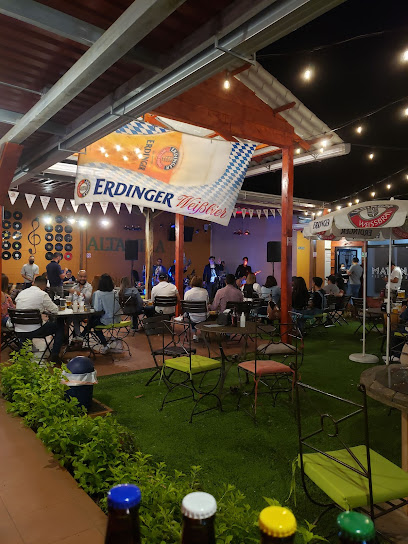
Clover's pub bar and cafe
10.8 km
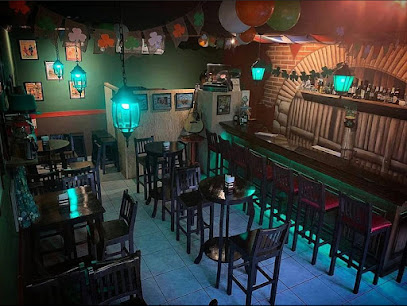
Experience the vibrant nightlife of Santa Ana at Clover's Pub Bar and Cafe, where friendly service and local flavors come together in a cozy atmosphere.
Bambú
11.3 km
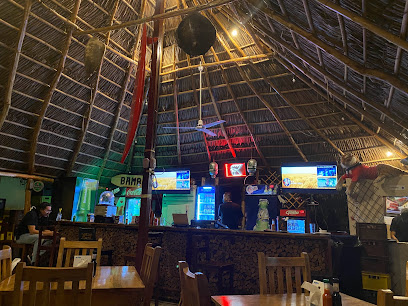
Discover the vibrant nightlife of Santa Ana at Bambú, a lively bar offering delicious cocktails and a welcoming atmosphere for all.
La Fogata El portal del sabor
11.5 km
Discover the vibrant flavors of Los Naranjos at La Fogata El Portal del Sabor, where culture and cuisine come together in a delightful experience.
Full Night Club Bar Santa Ana
11.7 km
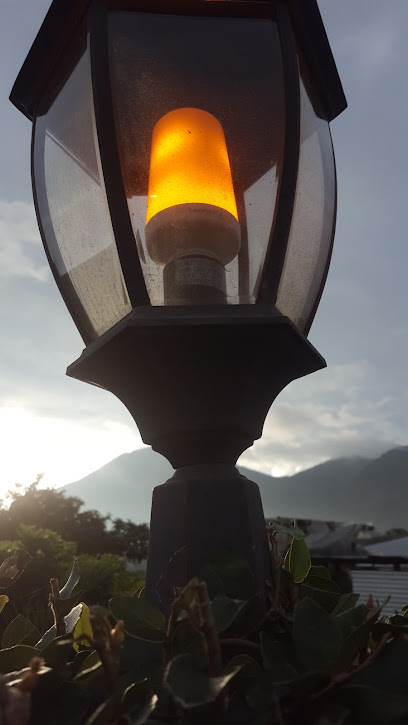
Discover the vibrant nightlife at Full Night Club Bar Santa Ana, where great music and a lively atmosphere await every night.

La Jungla Restobar
11.7 km
Experience the vibrant culinary scene of Santa Ana at La Jungla Restobar, where delicious flavors and a lively ambiance await.


