

Free Võru Travel Guide & Mobile App
Plan your Võru trip with Evendo. Get free guides to top attractions, restaurants, hotels, and bars. Web access or download the mobile app.


Võru in southeastern Estonia blends Võro culture, lakeside walks, wooden streets, Kreutzwald heritage and easy access to the scenic Haanja uplands.
A Planned Town in Southeastern Estonia
Võru lies in southeastern Estonia, close to the Latvian and Russian borders and within easy reach of the Haanja uplands. Founded in 1784 on the orders of Empress Catherine II, it was created as an administrative centre with a regular street plan, modest scale and a strong relationship with the surrounding lakes and forests. The result is a town that feels spacious and legible, with quiet streets, wooden houses, small squares and a gently unfolding waterside landscape.Read more about Võru
Lake, Literature and Local Identity
The Võro Region
When is the best time to visit Võru?
Best: June–August · 20–22°C| Month | High (°C) | Rainfall (mm) |
|---|---|---|
| January | -3 | 21 |
| February | -2 | 15 |
| March | 0 | 19 |
| April | 6 | 30 |
| May | 14 | 41 |
| June (best) | 20 | 55 |
| July (best) | 22 | 62 |
| August (best) | 22 | 60 |
| September | 15 | 50 |
| October | 9 | 42 |
| November | 4 | 33 |
| December | 1 | 25 |
Getting to and around Võru
How to get there
Transportation
Best attractions in Võru
Võru's principal attractions are close enough to combine in an unhurried day. Lake Tamula forms the town's natural centre, with a promenade, beach area and open views that change character between the bright summer season and the quieter months. The Roosisaare footbridge provides a pleasant route across the lake's narrow outlet towards the opposite shore. In town, the Kreutzwald Memorial Museum preserves the home and memory of Friedrich Reinhold Kreutzwald, while the Võrumaa Museum places local history within the wider story of southeastern Estonia. The Lutheran Church of St Catherine introduces the town's late eighteenth-century origins, and the Kannel cultural centre offers performances and regional events rather than a conventional museum visit. Kubija, on the southern edge of Võru, adds woodland paths and outdoor recreation. Seasonal festivals and Võro-language cultural programmes reveal a living regional identity that is not always visible from the town's quiet streets alone.
-
Tourist attraction
Võru linna keskväljak
Explore the vibrant Võru Central Square, a cultural hub in Estonia filled with local cuisine, history, and picturesque scenery.
2 min walk · 0.2 km from city centre
-
Park
The city park
Discover tranquility at Võru City Park, a beautiful green space ideal for relaxation, recreation, and local cultural experiences in Võru, Estonia.
5 min walk · 0.4 km from city centre
-
Park
Friedrich Reinhold Kreutzwald park
Discover the tranquil beauty of Friedrich Reinhold Kreutzwald Park in Võru, Estonia, perfect for relaxation, picnics, and nature walks.
6 min walk · 0.4 km from city centre
-
Bridge
Roosisaare Bridge
Discover the captivating Roosisaare Bridge in Võru County, a scenic gem perfect for outdoor adventures and picturesque views, ideal for every traveler.
9 min walk · 0.7 km from city centre


Best landmarks in Võru
Võru's landmarks express its origins as an eighteenth-century administrative town and its later role as a centre of southeastern Estonian culture. The Lutheran Church of St Catherine, built in the late eighteenth century, is the most prominent historic religious building and a reminder of the town's foundation under Catherine II. The Kreutzwald Memorial Museum is significant both as a preserved historic home and as a place associated with Friedrich Reinhold Kreutzwald, a leading figure in Estonian national literature. The Võrumaa Museum represents the region's historical memory, while the Kannel cultural centre reflects the continuing civic importance of performance and community life. Around them, the regular streets, wooden houses and tree-lined avenues form a quieter architectural landmark in themselves. Lake Tamula and the Roosisaare footbridge add a defining landscape element, linking the built town with its recreational shoreline.
-
Tourist attraction
Võru linna keskväljak
Explore the vibrant culture and charm of Võru's Central Square, the heart of the city with local shops, eateries, and lively events.
2 min walk · 0.2 km from city centre
-
Cabin rental agency
Mõisaait OÜ
Discover Mõisaait ÖÜ in Võru County for a serene cabin retreat and exceptional catering, blending comfort, nature, and local flavors.
4 min walk · 0.3 km from city centre
-
 Hotel
Georgi hotell
Discover the elegance and comfort of Georgi Hotell in Võru, Estonia, where exceptional hospitality meets local charm for an unforgettable stay.
10 min walk · 0.8 km from city centre
-
Park
Friedrich Reinhold Kreutzwald park
Explore the beauty and tranquility of Friedrich Reinhold Kreutzwald Park, a must-visit natural oasis in Võru, Estonia, perfect for relaxation and recreation.
6 min walk · 0.4 km from city centre


Explore Võru on the map
Plan your Võru trip on one map. See where the top attractions, landmarks, restaurants, bars and hotels are, find what's near where you're staying, and book hotels and experiences in a few clicks.
Best hotels in Võru
Best restaurants in Võru
Võru's food scene reflects southern Estonian home cooking, local produce and the culinary traditions of Võromaa rather than a large-city restaurant culture. Menus may feature rye bread, potatoes, dairy products, berries, mushrooms and pork, while seasonal forest ingredients appear in contemporary interpretations of regional dishes. The town centre contains cafés, bakeries and straightforward restaurants suited to daytime meals, and local events may bring traditional foods and homemade produce into public spaces. The wider Võro region is especially associated with rustic flavours and smoke-cured foods, including suitsusink, or smoked ham, although availability varies by season and venue. Farmers' produce and preserves are more likely to be encountered at local markets or regional gatherings than in a permanent tourist market. Dining is generally relaxed and informal, with a stronger emphasis on regional ingredients and community life than on elaborate fine dining.
-
Restaurant
Kubija hotell-loodusspaa
Discover tranquility at Kubija Hotell-Loodusspaa in Võru County - where nature meets luxury for an unforgettable getaway.
12 min drive · 3.9 km from city centre
-
Restaurant
Pubi nr. 17
Discover authentic Estonian cuisine and warm hospitality at Pubi nr. 17 in Võru – your gateway to local flavors and culture.
7 min walk · 0.5 km from city centre
-
Supermarket
Võru Rimi super
Discover Võru's vibrant shopping scene at Rimi Supermarket – offering local delicacies and quick pizza takeaways in one convenient location.
6 min drive · 1.9 km from city centre
-
Restaurant
Pizza Olive
Experience authentic Estonian hospitality at Pizza Olive – where every slice tells a story!
3 min walk · 0.2 km from city centre


Best bars in Võru
Võru's evening scene is modest and locally oriented rather than built around a large concentration of nightclubs. Central cafés and bars provide relaxed places for conversation, while the Kannel cultural centre is important for concerts, theatre, cinema and community performances. Seasonal festivals can bring much greater activity, particularly when folk music, dancing and Võro cultural events fill public spaces around the town. Lake Tamula is pleasant for an early evening walk, but the waterfront should not be mistaken for a continuous nightlife district. Visitors seeking a late-night club scene will find fewer options than in Tallinn or Tartu, whereas those interested in regional music and cultural programming may discover a more characteristic side of Võru. Event schedules vary, so checking local listings is more reliable than expecting fixed entertainment every night.
-
Pub
Ränduri pubi külalistemaja
Discover the heart of Estonian culture at Ränduri Pub and Guesthouse, where local cuisine meets warm hospitality in the stunning Võru County.
9 min walk · 0.7 km from city centre
-
Pub
Pubi nr. 17
Discover the perfect blend of local flavors and cozy ambiance at Pubi nr. 17 in Võru, your destination for authentic Estonian hospitality.
7 min walk · 0.5 km from city centre
-
Cabin rental agency
Mõisaait OÜ
Experience the peaceful retreat of Mõisaait OÜ in Võru, where cozy cabins meet authentic Estonian flavors in a stunning natural setting.
4 min walk · 0.3 km from city centre
-
Bar
Kohvik Mantelahi
Discover Kohvik Mantelahi, a delightful café in Võru offering vegan dishes, delicious cakes, and a cozy atmosphere for all food lovers.
6 min walk · 0.5 km from city centre


Best nightclubs in Võru
Võru's evening scene is modest and locally oriented rather than built around a large concentration of nightclubs. Central cafés and bars provide relaxed places for conversation, while the Kannel cultural centre is important for concerts, theatre, cinema and community performances. Seasonal festivals can bring much greater activity, particularly when folk music, dancing and Võro cultural events fill public spaces around the town. Lake Tamula is pleasant for an early evening walk, but the waterfront should not be mistaken for a continuous nightlife district. Visitors seeking a late-night club scene will find fewer options than in Tallinn or Tartu, whereas those interested in regional music and cultural programming may discover a more characteristic side of Võru. Event schedules vary, so checking local listings is more reliable than expecting fixed entertainment every night.
-
Pub
Pubi nr. 17
Discover the vibrant essence of Võru at Pubi nr. 17, where local cuisine meets warm hospitality in a cozy pub atmosphere.
7 min walk · 0.5 km from city centre
-
Bar
Rannapubi
Experience the vibrant atmosphere of Rannapubi, a lively bar in Võru, where great drinks and good company come together.
8 min walk · 0.7 km from city centre
-
Night club
Club Tartu
Discover the pulsating energy of Club Tartu, a premier night club in Võru where unforgettable nightlife awaits every weekend.
1 min walk · 0.1 km from city centre
-
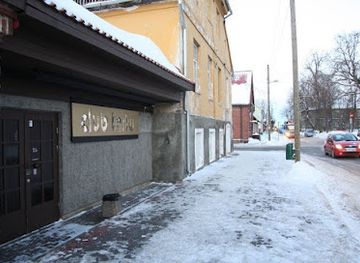
Night club
ÖÖ Nightclub & Lounge
Dive into the vibrant nightlife of Võru at ÖÖ Nightclub & Lounge, where unforgettable dance experiences await you!
3 min walk · 0.3 km from city centre



Best shops in Võru
Shopping in Võru is practical and regional in character, centred on the town's main streets, everyday shops and local shopping centres rather than a large luxury or designer retail scene. Visitors can browse supermarkets, cafés, small independent businesses and craft-oriented outlets, while the central area is the best place to look for locally made gifts and regional food products. Rye bread, preserves, honey, berry products, woollen goods and small handicrafts can reflect the traditions of Võromaa, especially during festivals and local markets. The Kagukeskus shopping centre provides a modern indoor option for everyday retail, while seasonal outdoor selling offers a stronger connection with local producers. Võro-language books, music and cultural items are particularly meaningful souvenirs because they represent the region's living identity rather than a generic Estonian emblem.
-
Store
Kauplus Magaziin Võru
Explore Kauplus Magaziin Võru for unique Estonian crafts and everyday essentials in a welcoming atmosphere.
6 min drive · 1.9 km from city centre
-
Shopping mall
Võru Kaubamaja
Discover Võru Kaubamaja, the ultimate shopping destination in Võru, blending modern retail with local culture and dining for an unforgettable experience.
5 min drive · 1.8 km from city centre
-
Craft store
HÕBÕNÖPS kauplus Võrus - Sossi talu
Discover the heart of Estonian craftsmanship at HÕBÕNÖPS kauplus in Võru, where handmade treasures await every visitor.
5 min walk · 0.4 km from city centre
-
Furniture store
Webshop.ee Võru mööblisalong
Explore an exceptional range of stylish furniture at Webshop.ee Võru Mööblisalong, your destination for unique home decor in Võru County, Estonia.
7 min walk · 0.5 km from city centre


Get your free copy of our complete guide to Võru, delivered straight to you.
Everything on this page, from attractions and restaurants to essentials and local phrases, in one PDF you can read offline, print or share.
Already have an account? Sign in
Your Võru guide is ready.
We'll send it to · Not you? Sign out

Getting your guide ready…
We are putting together a fresh copy of the Võru guide. This can take up to a minute.
This can take a few moments. If your browser asks, choose Allow so the download can start. You'll find the guide in your Downloads folder.
Nothing happened? Download it again
Sorry, the guide is taking longer than usual. Please try again in a minute, or get it by email instead.
Võru essentials
Currency and Payment
Safety
Emergency Situations
Do's and Don'ts
Local Tips
From Eve
Local phrases worth knowing
You don't need to get them perfect. A few words go a long way, and locals appreciate the effort.
Basics
| English | Local | Say it |
|---|---|---|
| Hello | Tere | [teh-reh] |
| Goodbye | Hüvasti | [hyu-vahs-tee] |
| Yes | Jah | [yah] |
| No | Ei | [ay] |
| Please/You're welcome | Palun | [pah-loon] |
| Thank you | Aitäh | [ai-taah] |
| Excuse me/Sorry | Vabandust | [vah-bahn-doost] |
| How are you? | Kuis sa olõd? | [kwis sah o-lohd] |
| Fine. And you? | Häste. A sa? | [ha-steh. ah sah] |
| Do you speak English? | Kas sa kõnõld angli kiilt? | [kahs sah kuh-nold ahng-lee keelt] |
| I don't understand | Ma ei saa aru | [mah ay sah ah-roo] |
Eating & Drinking
| English | Local | Say it |
|---|---|---|
| I'd like to see the menu, please | Ma tahtnuks menüt nätä, palun | [mah tahk-noox meh-nyoot na-taah pah-loon] |
| I don't eat meat | Ma ei süü kala | [mah ay soo kah-lah] |
| Cheers! | Tervüseks! | [ter-voo-seks] |
| I would like to pay, please | Ma tahaks maksta, palun | [mah tah-hahks mahk-stah pah-loon] |
Emergencies
| English | Local | Say it |
|---|---|---|
| Help! | Appi! | [ahp-pee] |
| Go away! | Mine ää! | [mee-neh ah] |
| Call the Police! | Helista politsei! | [heh-lee-stah poh-lee-tseh-ee] |
| Call a doctor! | Helista arst! | [heh-lee-stah ah-rst] |
| I'm lost | Ma olen kadunud | [mah oh-lehn kah-doo-nood] |
| I'm ill | Ma olen haige | [mah oh-lehn hah-geh] |
Shopping
| English | Local | Say it |
|---|---|---|
| I'd like to buy... | Ma tahtnuks osta... | [mah tahk-noox oh-stah] |
| I'm just looking | Ma vahsi õnnõ | [mah vah-si ohn-noh] |
| How much is it? | Kuis pall'usõ tuu om? | [kwis pahl-loo-soh too ohm] |
| That's too expensive | Tuu om liiga kallis | [too ohm lee-gah kah-lees] |
| Can you lower the price? | Kas sa või hinda allapoole löüa? | [kahs sah vo-ee hin-dah ahl-la-poh-leh luh-ah] |
Time & Numbers
| English | Local | Say it |
|---|---|---|
| What time is it? | Mis kell om? | [mees kell ohm] |
| It's one o'clock | Om üts kell | [ohm uts kell] |
| Half past (10) | Pool (10ndaku) | [pool (dah-koo)] |
| Morning | Homik | [hoh-mihk] |
| Afternoon | Päiv | [pah-eev] |
| Evening | Õdag | [oh-dahg] |
| Yesterday | Õnnõpäiv | [oh-nuh-payv] |
| Today | Tänäpäiv | [tah-nah-payv] |
| Tomorrow | Huilä | [hwee-lah] |
| 1 | Üts | [oots] |
| 2 | Kaks | [kahks] |
| 3 | Kolm | [kolm] |
| 4 | Neljä | [nel-yah] |
| 5 | Viis | [vees] |
| 6 | Kuus | [koos] |
| 7 | Seitsmän | [sites-mahn] |
| 8 | Kahksa | [kahk-sah] |
| 9 | Üheksä | [oo-hek-sah] |
| 10 | Kümme | [koom-meh] |
Transport & Directions
| English | Local | Say it |
|---|---|---|
| Where's a/the...? | Kus om ...? | [koos ohm] |
| What's the address? | Mis aadrõss om? | [mees aah-druhs ohm] |
| Can you show me (on the map)? | Kas sa või näütäda mullõ (kaardil)? | [kahs sah voi na-too-tah-dah mool-loh (kah-rdihl)] |
| When's the next (bus)? | Kuimuudu või järgmäne (buss) tulõq? | [kwee-moo-doo voi yairg-meh-neh (boos) tooluhk] |
| A ticket (to ....) | Pilet (q ...) | [pee-leht (koo)] |
History of Võru
Foundation Under Catherine II
Võru was founded in 1784 during the reign of Empress Catherine II of Russia, when a new administrative centre was established in the southern part of Livonia. The town developed on land associated with the former Võru manor, and its creation reflected imperial efforts to organise local administration and strengthen regional centres. Unlike many older Estonian settlements, Võru therefore has a relatively clear planned origin. Its street layout, small scale and position near Lake Tamula still reveal aspects of that late eighteenth-century foundation. The town was designed as a provincial centre rather than a fortified settlement or major trading port, and its later identity remained closely connected with the surrounding rural communities of southeastern Estonia.
The New Town Takes Shape
During the late eighteenth and nineteenth centuries, Võru acquired the civic and religious buildings expected of a district town. The Lutheran Church of St Catherine was built in the late eighteenth century, and administrative, commercial and residential structures gradually filled the planned streets. The town served as a local centre for the surrounding parishes and countryside, linking agricultural communities with officials, craftsmen, merchants and schools. Its development was modest compared with Tallinn or Tartu, but that limited scale helped preserve a coherent urban form. Wooden houses, tree-lined streets and the open setting around Lake Tamula became characteristic features of Võru as it matured within the wider cultural landscape of southern Estonia.
Kreutzwald and Estonian Literature
The physician and writer Friedrich Reinhold Kreutzwald lived and worked in Võru from 1833 until 1877. His residence here is one of the town's most important cultural associations. Kreutzwald became a central figure in the Estonian national awakening and is best known as the author of Kalevipoeg, the nineteenth-century epic compiled from Estonian folklore. His years in Võru connected everyday provincial life with the emerging movement to develop Estonian-language literature and national culture. The house where he lived, now the Kreutzwald Memorial Museum, helps place his work within the setting of the town. Võru's literary reputation is therefore not simply commemorative; it reflects the role the town played in the life of a major Estonian cultural figure.
War, Occupation and Independence
Like the rest of Estonia, Võru experienced the upheavals of the twentieth century, including the country's independence in 1918, the Second World War and the successive Soviet and German occupations. War and political change affected local administration, population movements and the use of public institutions. After Estonia was incorporated into the Soviet Union in 1940, Võru continued as a regional administrative centre, but public life was reorganised according to Soviet structures. The restoration of Estonian independence in 1991 brought renewed emphasis to local history, national culture and regional identity. Museums, memorial work and cultural organisations in Võru now interpret these changes as part of the wider story of Estonia's twentieth century.
Võro Language and Regional Renewal
Since the restoration of independence, Võru has become an important centre for the revival and public recognition of Võro language and regional culture. Võro belongs to the southern Estonian language group and remains significant to many people in Võromaa, even though Estonian is the country's official language. The Võro Institute, established in 1995, supports research, education and cultural activity connected with the language and region. Festivals, music, publications and community events have helped make southeastern identity more visible in contemporary Estonia. This cultural renewal complements Võru's older architectural and literary heritage, giving the town a present-day role as both a county centre and a focal point for regional traditions.
Travel experiences inspired by this city


Swipe for more travel diaries
Võru in Photos
Browse through our photo collection highlighting the charm and character of the destination.
Cities near Võru
The closest cities to Võru, if you have time for more than one stop.
-

-

-

-

-


Swipe for more cities
Explore more

Explore more of Estonia
Discover Estonia: A perfect blend of medieval charm, modern innovation, and natural beauty in the heart of Northern Europe.
Explore Estonia