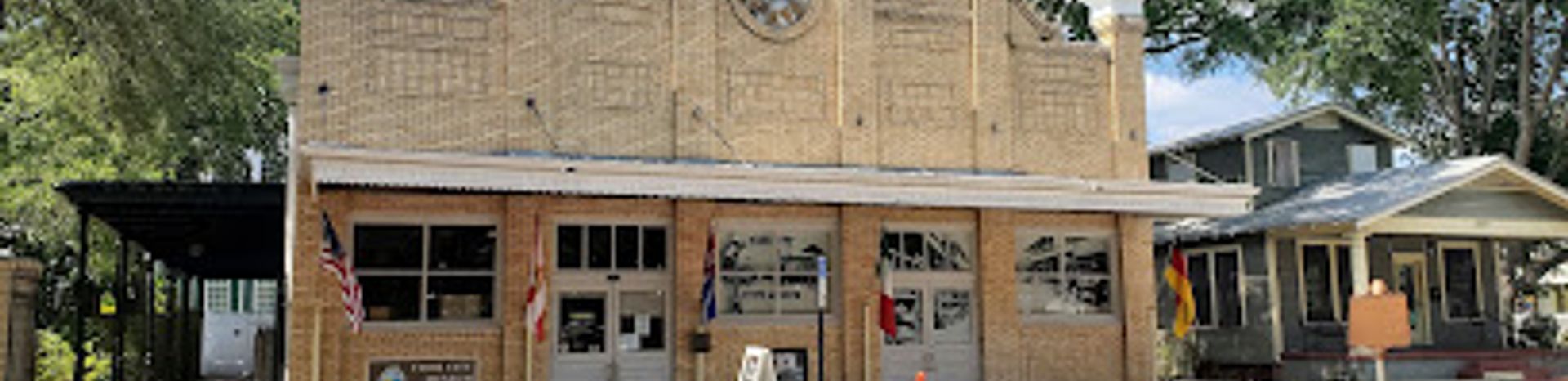
Ybor City Museum State Park: A Journey Through Tampa's Cigar Heritage
Discover Tampa's vibrant past at the Ybor City Museum State Park: Immerse yourself in the cigar-making legacy and multicultural heritage of this National Historic Landmark.
Step back in time at the Ybor City Museum State Park, a captivating tribute to Tampa's rich cigar-making history and vibrant multicultural heritage. Housed in the historic Ferlita Bakery, once a cornerstone of the Ybor City community, the museum offers an immersive experience into the lives of the immigrants who shaped this iconic neighborhood. Explore exhibits detailing the cigar industry's rise, the cultural traditions of Cuban, Spanish, and Italian immigrants, and the labor movements that defined the era. Wander through the meticulously restored cigar worker's home, La Casita, and the serene Mediterranean-style garden, transporting you to the heart of Ybor City's golden age. With its blend of history, culture, and architectural charm, the museum provides a unique glimpse into Tampa's past, making it a must-see destination for history buffs and curious travelers alike. The park is dedicated to preserving Ybor City's unique cultural heritage.
A brief summary to Ybor City Museum State Park
- 1818 E 9th Ave, Tampa, Ybor City, Florida, 33605, US
- +1813-247-6323
- Visit website
- Wednesday 9 am-4 pm
- Thursday 9 am-4 pm
- Friday 9 am-4 pm
- Saturday 9 am-4 pm
- Sunday 9 am-4 pm
Local tips
- Visit on a weekday to avoid weekend crowds and enjoy a more relaxed exploration of the museum and its exhibits.
- Take a guided tour of La Casita, the restored cigar worker's home, to gain deeper insights into the daily lives of Ybor City residents.
- Explore the ornamental garden for a peaceful escape and a glimpse into the Mediterranean-style courtyards of Ybor City's immigrant communities.

Getting There
-
Walking
From Centro Ybor, a central hub in the district, the museum is a short walk. Head east on 8th Avenue, then turn right onto 19th Street. The museum will be on your right, housed in the yellow-brick Ferlita Bakery building. This walk is approximately 5-10 minutes, allowing you to soak in the atmosphere of Ybor City's historic streets.
-
Public Transport
The TECO Line Streetcar provides free service throughout Ybor City. The closest stop to the museum is the Centro Ybor Station. From the station, follow the walking directions above. The streetcar is a convenient option if you're coming from downtown Tampa or other parts of Ybor City. The streetcar is free.
-
Driving
If driving, navigate to the intersection of 9th Avenue and 19th Street. Limited 2-hour free street parking is available, but fills up quickly. Paid parking is available in nearby city-operated lots (Ybor Lots 5 & 6) a block south of the museum. Parking costs approximately $1 per hour.
Discover more about Ybor City Museum State Park
Iconic landmarks you can’t miss

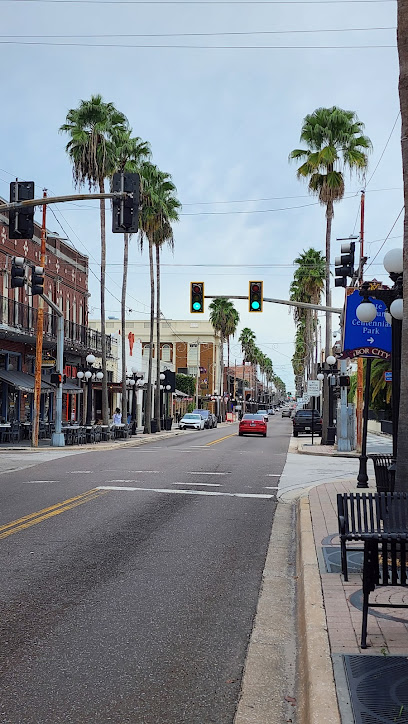
Centennial Park
0.1 km
Explore the lush landscapes and vibrant culture of Centennial Park, a serene escape in Ybor City, Tampa, perfect for relaxation and family outings.
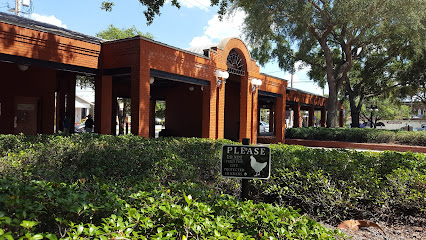
9/11 Fallen Heroes Memorial
0.2 km
A solemn and moving tribute to the heroes and victims of 9/11, located in Tampa's historic Ybor City. We will never forget.
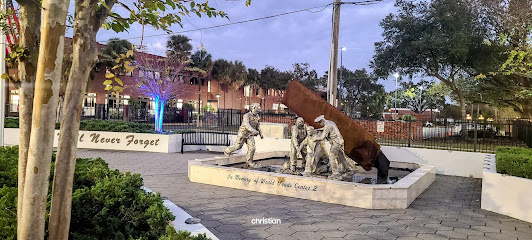
Tampa Bay Tour Company
0.6 km
Explore the enchanting Tampa Bay area with Tampa Bay Tour Company, where adventure meets culture and unforgettable experiences await every traveler.
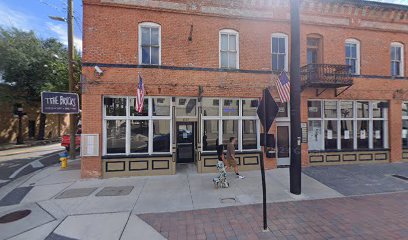
Giunta Homestead and Farm
0.7 km
Experience the rich agricultural heritage and serene beauty of Giunta Homestead and Farm, a historical landmark in Tampa's vibrant Ybor City.
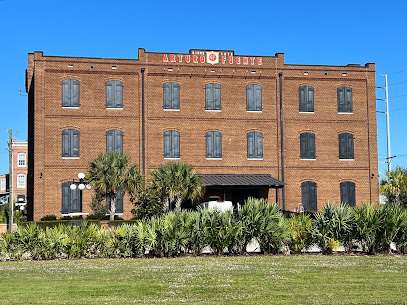
Arturo Fuente Building
0.7 km
Discover the legacy of cigar craftsmanship at the Arturo Fuente Building in Ybor City, Tampa, where history and artistry blend seamlessly.
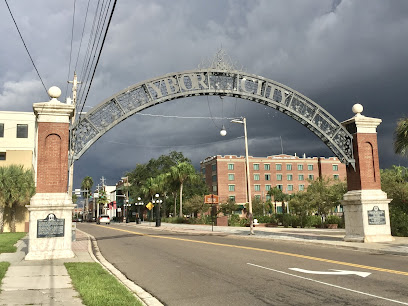
Ybor City Gateway
0.8 km
Enter Tampa's historic Latin Quarter through the Ybor City Gateway, where culture, history, and vibrant streets await exploration.
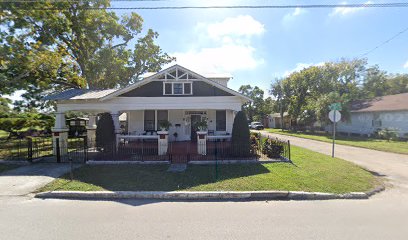
Murder House
1.0 km
Experience Tampa's most chilling haunted attraction, where local legends come to life in a terrifyingly immersive setting. Open year-round!

Centro Asturiano de Tampa
1.2 km
Explore Tampa's vibrant history at the Centro Asturiano, a stunning landmark offering cultural events and architectural beauty in Ybor City.
Jackson Rooming House
1.7 km
Discover the rich history of Tampa at the Jackson Rooming House, a landmark that tells the story of resilience and cultural heritage.
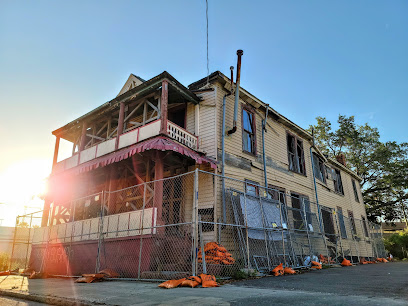
Palmetto Beach Historic District
1.7 km
Discover the historic charm of Palmetto Beach Historic District in Tampa, where past meets present in a vibrant setting.
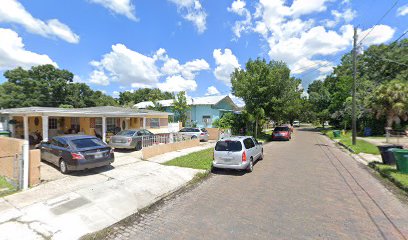
Tampa's Black History Museum
1.8 km
Explore the rich tapestry of African American history at Tampa's Black History Museum, a cultural gem celebrating heritage and resilience.
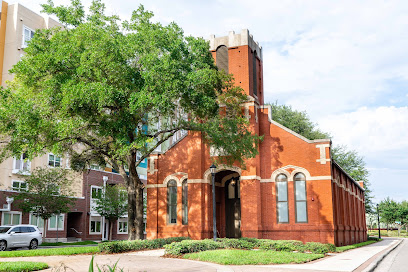
Oaklawn Cemetery
2.0 km
Explore Tampa's history at Oaklawn Cemetery, the city's first public burial ground and final resting place of notable figures since 1850.

S.H. Kress & Co.
2.3 km
Explore the historical significance of S.H. Kress & Co. in downtown Tampa, a beautifully preserved landmark reflecting early 20th-century retail culture.
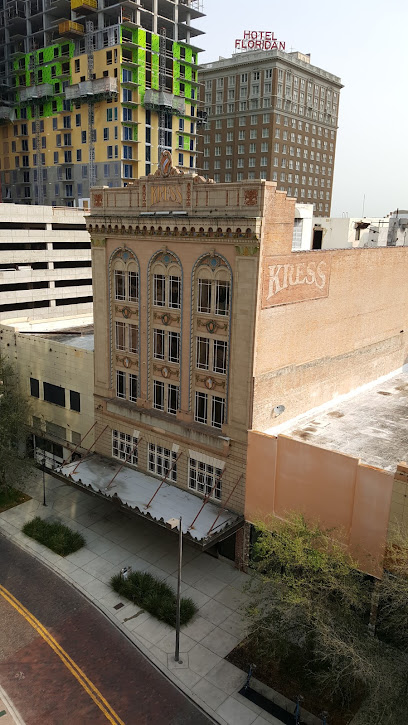
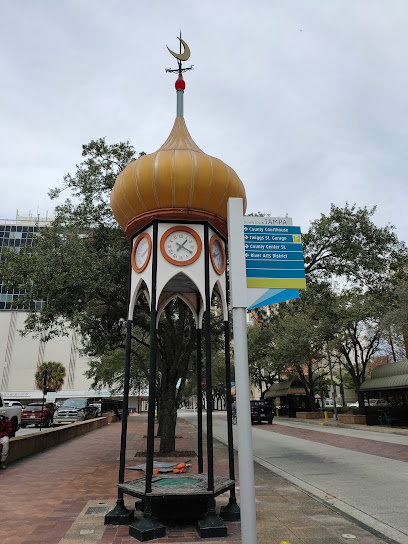
Weather clock
2.3 km
Discover the charm of the Weather Clock in Tampa, a unique historical landmark that showcases time and weather in a delightful artistic manner.
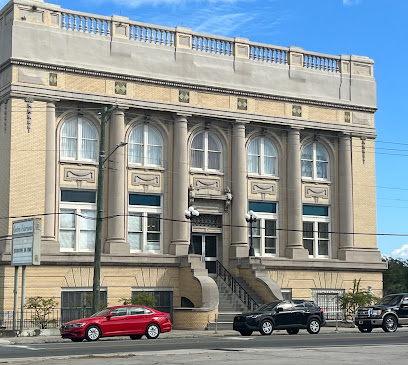
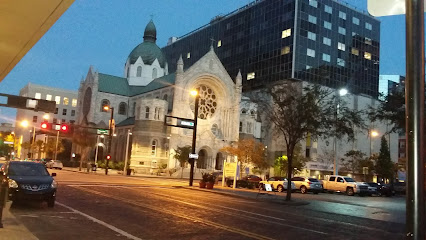
The Vault
2.4 km
Experience timeless elegance in Tampa's Downtown Arts District at The Vault, a historic bank transformed into a stunning event venue.
Unmissable attractions to see

Ybor City Historic District
0.1 km
Explore the vibrant history and culture of Ybor City Historic District in Tampa, Florida, where tradition meets modern-day charm.
Viva Ybor Mural
0.2 km
Experience the vibrant history and culture of Tampa's Ybor City through this iconic mural, a colorful tribute to its founders, traditions, and enduring spirit.
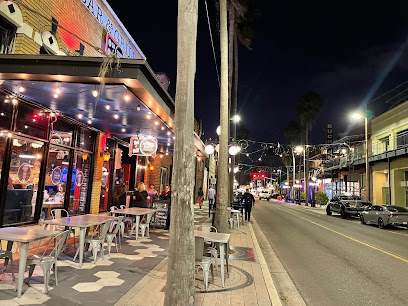
Bad Monkey Ybor
0.2 km
Explore the vibrant nightlife of Ybor City at Bad Monkey Ybor, a lively bar and grill perfect for sports enthusiasts and food lovers alike.
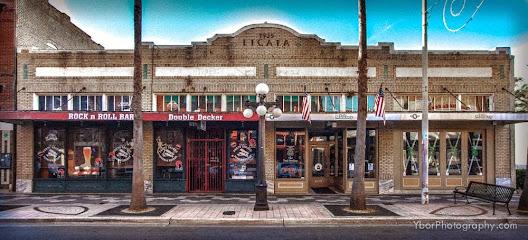
Double Decker Karaoke Party Bar
0.2 km
Experience the Ultimate Karaoke Night at Double Decker Karaoke Party Bar in Ybor City, Tampa – Where Fun Meets Music in a Lively Atmosphere.

Centro Ybor
0.3 km
Discover the vibrant Centro Ybor in Tampa's historic Ybor City, a cultural hub for dining, shopping, and entertainment.
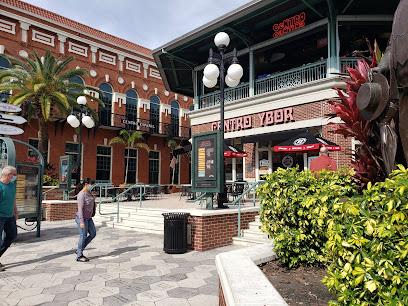
Cigar City Cider & Mead
0.5 km
Discover the flavors of Tampa at Cigar City Cider & Mead, where craft ciders and meads meet a lively atmosphere in historic Ybor City.
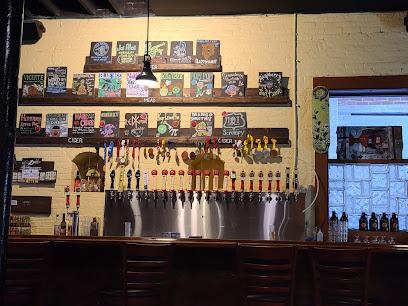
Ybor City Center Fountain
0.5 km
Experience a moment of tranquility at the Ybor City Center Fountain, a modern oasis amidst the historic charm and vibrant culture of Tampa's Latin Quarter, open daily from 8 AM to 12 PM.
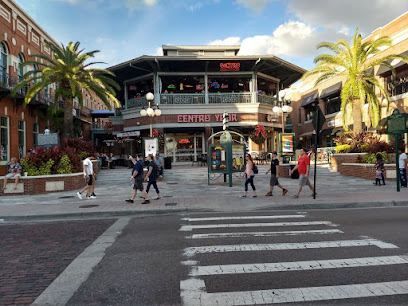
The Cuban Club
0.6 km
Experience the vibrant nightlife and rich cultural heritage at The Cuban Club in Ybor City, a must-visit destination for every traveler in Tampa.
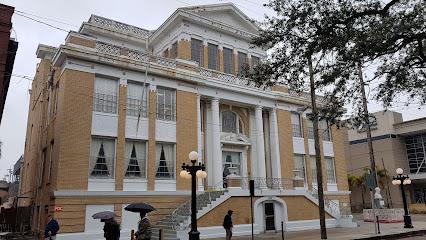
Parque Jose Marti
0.7 km
Explore the tranquil beauty of Parque Jose Marti in Ybor City, a cultural gem in Tampa, perfect for relaxation and local experiences.
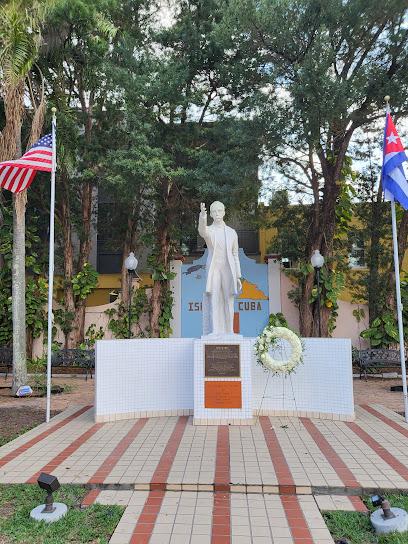
Perry Harvey Sr. Park
1.8 km
Discover Tampa's vibrant African American history and culture at Perry Harvey Sr. Park, a downtown oasis featuring public art, historical monuments, and community spaces.
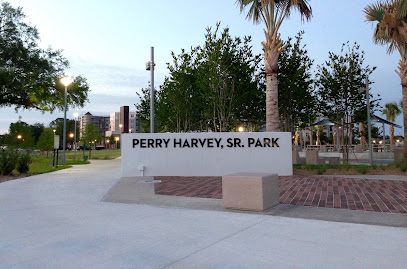
Ybor City
1.9 km
Experience the rich history, vibrant nightlife, and diverse culinary scene of Ybor City in Tampa, Florida - a cultural gem waiting to be explored.

Tampa Firefighters Museum
2.0 km
Explore Tampa's firefighting history in a preserved 1911 fire station. Discover vintage trucks, equipment, and stories of bravery at this unique downtown museum, a tribute to Tampa's heroes.
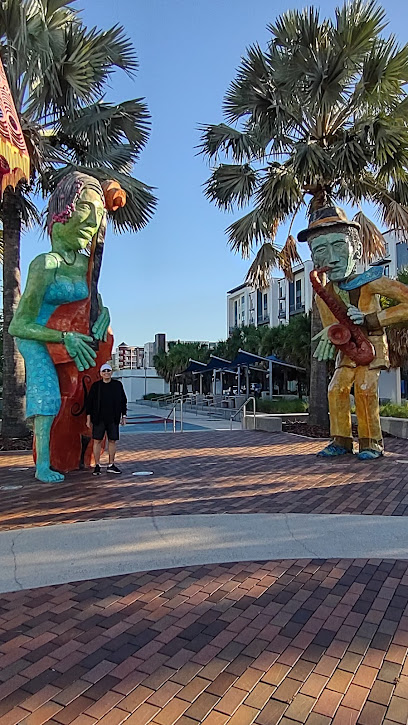
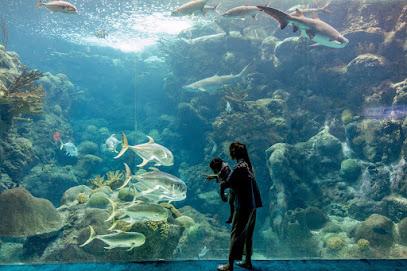
The Florida Aquarium
2.1 km
Explore the wonders of marine life at The Florida Aquarium in Tampa, a captivating destination for families and marine enthusiasts alike.
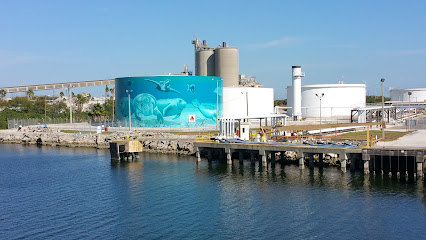
American Victory Ship & Museum
2.1 km
Dive into history at the American Victory Ship & Museum, where the legacy of maritime valor comes alive in the heart of Tampa.
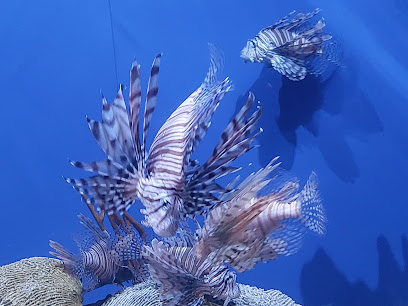
Florida Aquarium Dolphin Boat Tours
2.1 km
Discover Tampa Bay's playful dolphins and vibrant marine life on an unforgettable boat tour departing from the Florida Aquarium, offering scenic views and expert insights.
Essential places to dine

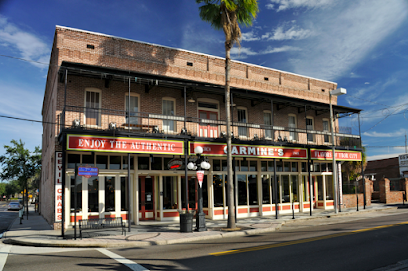
Carmine's Restaurant & Bar - Ybor
0.2 km
Experience exquisite Italian and Latin cuisine at Carmine's Restaurant & Bar in Ybor City – where flavor meets tradition.
Gaspar's Grotto
0.2 km
Discover Gaspar's Grotto: A vibrant restaurant and bar in Ybor City blending delicious cuisine with live music and historical charm.
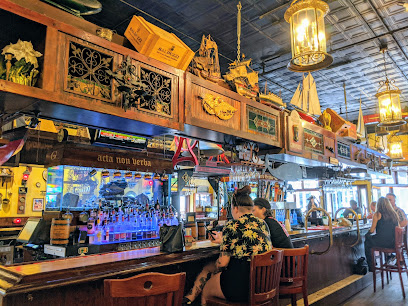
Acropolis Greek Taverna - Ybor City
0.2 km
Discover authentic Greek flavors at Acropolis Greek Taverna in Ybor City—where vibrant atmosphere meets exquisite Mediterranean cuisine.
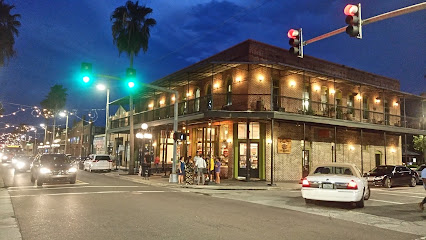
Bernini of Ybor
0.2 km
Experience authentic Italian cuisine in the heart of Ybor City at Bernini of Ybor – where every meal is a celebration.
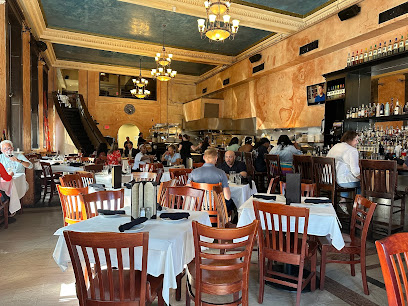
Madame Fortune Dessert + HiFi Parlour
0.2 km
Discover delightful desserts and vibrant ambiance at Madame Fortune Dessert + HiFi Parlour in Ybor City, Tampa – where sweetness meets style.
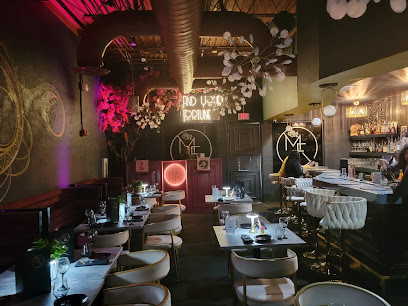
7th + Grove
0.2 km
Discover culinary delights at 7th + Grove in Ybor City - where Southern comfort meets modern dining and vibrant nightlife.
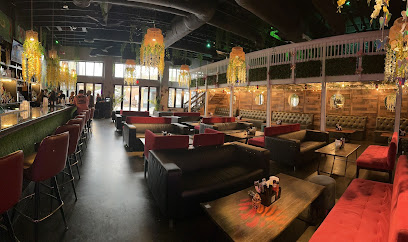
Al's Finger Licking Good Bar-B-Que
0.3 km
Experience the best of American soul food at Al's Finger Licking Good Bar-B-Que in Tampa - where every bite is packed with flavor!
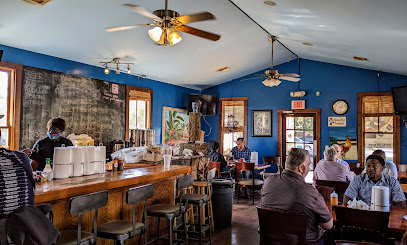
Rosenheim Restaurant
0.4 km
Experience authentic Middle Eastern cuisine at Rosenheim Restaurant, where vibrant flavors meet warm hospitality in Ybor City.
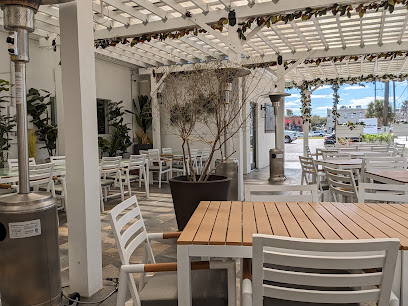
Columbia Restaurant
0.4 km
Discover the rich flavors of Spanish and Cuban cuisine at Columbia Restaurant in historic Ybor City.
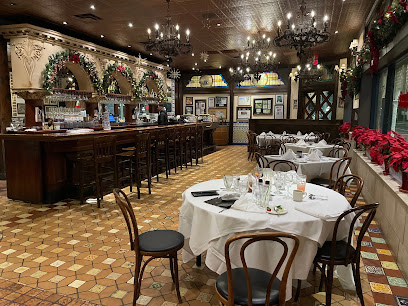
Flor Fina
0.5 km
Experience a fusion of Spanish, Cuban, Italian & Mediterranean cuisine at Flor Fina in Ybor City - where every meal is a celebration.
The Bricks
0.6 km
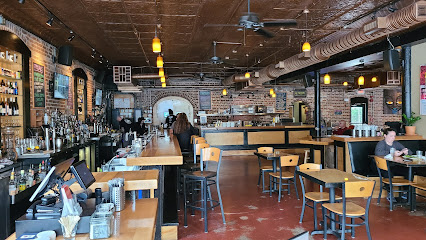
Experience the heart of Ybor City at The Bricks, where authentic American flavors meet vibrant local culture.
Bamboozle Channelside
1.7 km
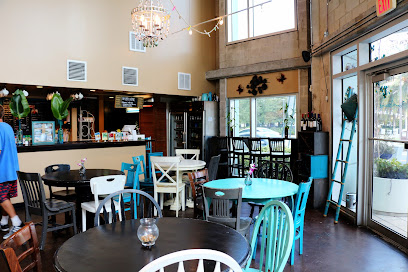
Experience the vibrant flavors of Southeast Asia at Bamboozle Channelside – your go-to destination for healthy and delicious dining in Tampa.
District Tavern
1.7 km
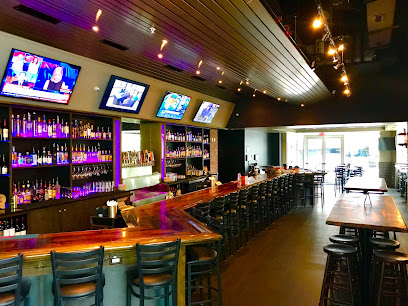
Discover the vibrant atmosphere and delectable American cuisine at District Tavern in Tampa's Channel District – your go-to spot for brunch and beyond!
Predalina
2.2 km
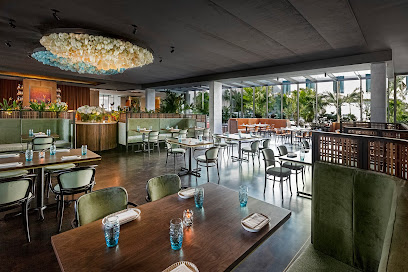
Discover Predalina: A Mediterranean restaurant in Tampa offering authentic flavors in a vibrant setting.
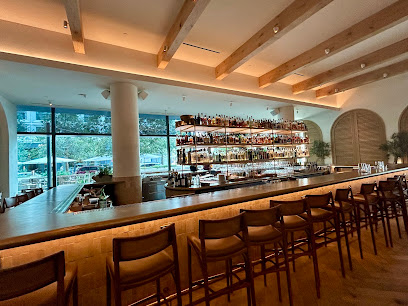
JOTORO Kitchen & Tequila Bar
2.2 km
Discover the unique fusion of Mexican and Korean cuisine at JOTORO Kitchen & Tequila Bar in Tampa's lively Channel District.
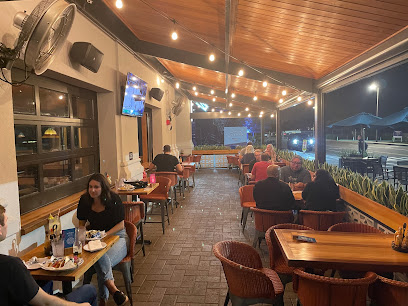
Markets, malls and hidden boutiques

TrueItem.co
0.2 km
Discover unique fashion at TrueItem.co, a vibrant clothing store along Tampa's scenic Riverwalk, blending local flair with trendy styles.

Ybor ybor
0.2 km
Experience the vibrant culture of Ybor City at Ybor ybor, your go-to gift shop for unique local treasures and authentic souvenirs.
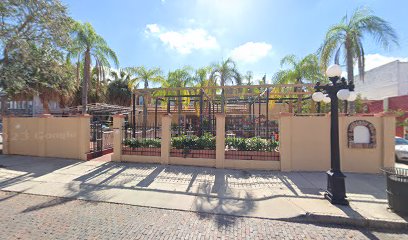
Dysfunctional Grace
0.2 km
Explore the eclectic charm of Dysfunctional Grace, a unique antique store in Ybor City, Tampa, filled with vintage treasures and quirky finds.
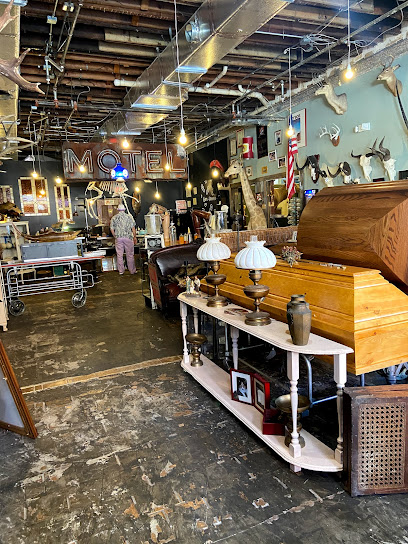
Parachute Gallery
0.3 km
Explore Parachute Gallery in Ybor City for unique gifts and local art that capture the spirit of Tampa's creative landscape.

La France
0.3 km
Discover unique vintage fashion at La France in Ybor City, where every piece tells a story and sustainability meets style.
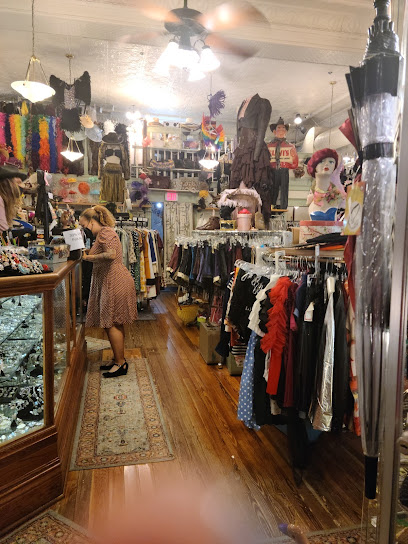
The Shop at Ten Rooms Ybor
0.4 km
Explore The Shop at Ten Rooms Ybor for unique gifts and locally crafted treasures in the heart of Tampa's historic Ybor City.
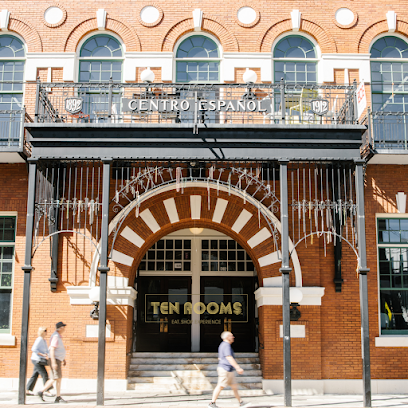
Agora
0.4 km
Discover unique furniture and decor at Agora in Ybor City, where craftsmanship meets eclectic design.
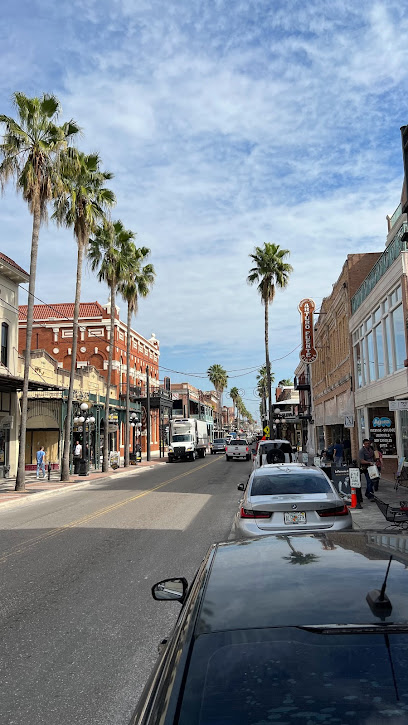
Stained Market Place
0.6 km
Explore Stained Market Place in Ybor City, Tampa – your go-to destination for unique antiques and vintage treasures.
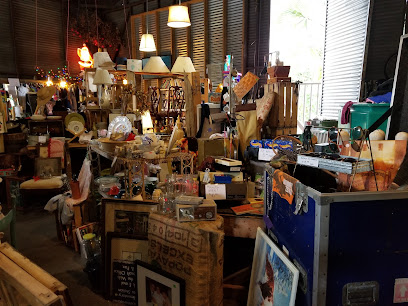
Vintage Roost LLC
0.6 km
Explore Vintage Roost LLC for a treasure trove of antiques and unique finds in the heart of Ybor City, Florida.
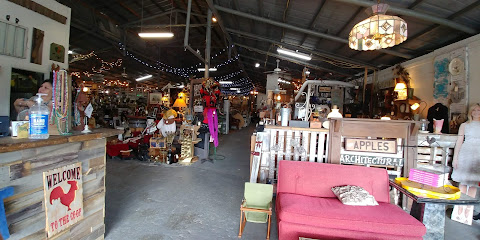
Picker Place Market
0.8 km
Explore Picker Place Market in Ybor City, a vibrant antique market brimming with unique treasures and rich history waiting to be discovered.
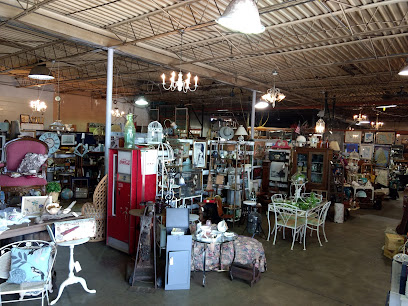
Foreign fitz boutique
1.0 km
Explore Foreign Fitz Boutique in Ybor City, where unique fashion meets local charm in Tampa, Florida.
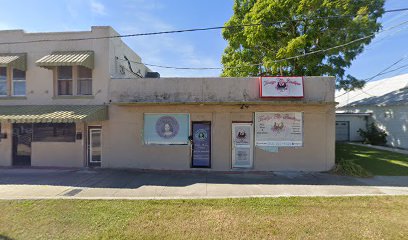
Don Me Now
1.5 km
Experience the unique blend of artisanal cocktails and boutique charm at Don Me Now, a must-visit bar in Tampa's vibrant Channel District.
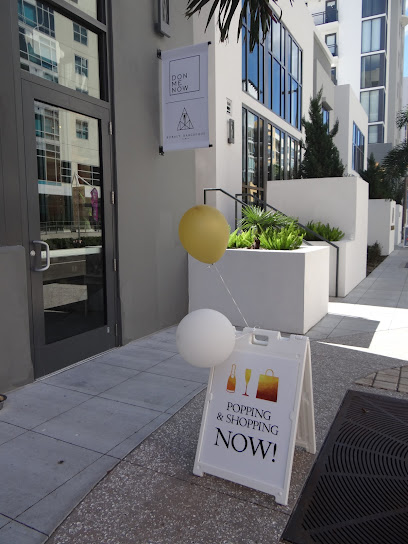
Created Boutique
1.7 km
Shop unique and trendy apparel at Created Boutique in Tampa Heights, where local fashion meets personalized service for a one-of-a-kind experience.
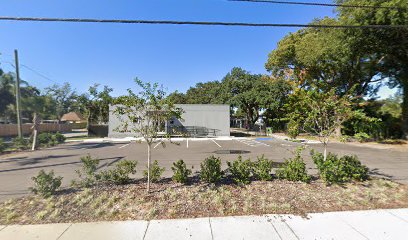
Sincerely Shandrel
2.1 km
Explore Sincerely Shandrel, a unique boutique in Downtown Tampa offering stylish apparel and accessories that capture local charm.
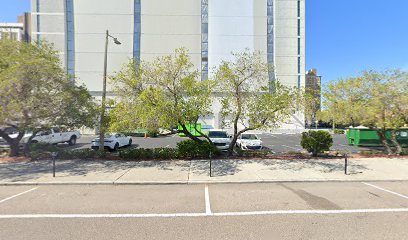
The Upper Hand
2.1 km
Explore The Upper Hand in Tampa Heights for unique antiques and second-hand treasures that capture the spirit of Tampa's vibrant culture.
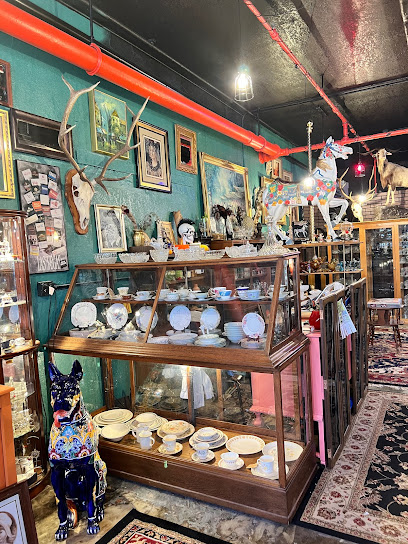
Essential bars & hidden hideouts

Coyote Ugly Saloon
0.2 km
Dive into the vibrant nightlife of Tampa at Coyote Ugly Saloon, where dancing bartenders and signature cocktails create an unforgettable experience.
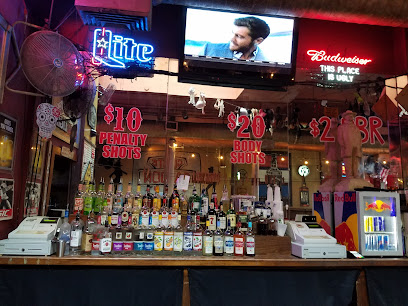
Big Easy Bar
0.2 km
Discover the lively charm of Big Easy Bar in Ybor City, Tampa, where vibrant nightlife meets delicious dining and unforgettable experiences.
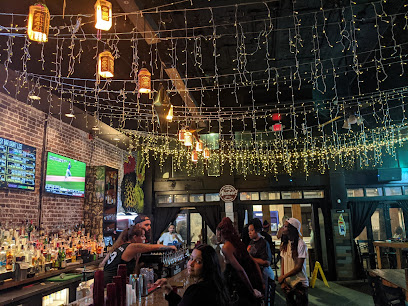
The Dirty Shame
0.3 km
Experience the unique charm of The Dirty Shame, a lively bar in Ybor City offering eclectic brews and a vibrant atmosphere for all visitors.
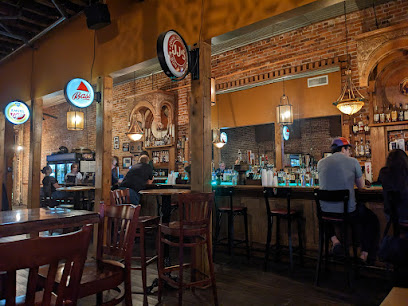
Showbar Ybor
0.3 km
Discover the vibrant nightlife of Tampa at Showbar Ybor, where every night is filled with live music and unforgettable dueling piano performances.
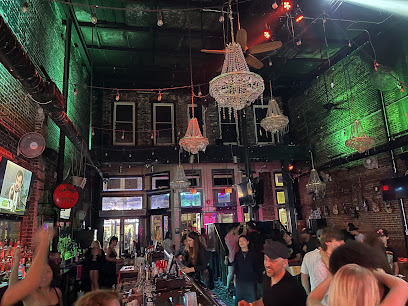
Ybor City Tap House
0.3 km
Experience the best of local brews and live music at Ybor City Tap House, your gateway to Tampa's vibrant nightlife and gastropub delights.
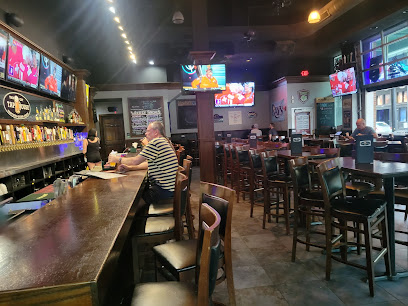
Reservoir Bar
0.4 km
Experience the vibrant punk rock culture at Reservoir Bar in Ybor City, where affordable drinks and live music await every night.
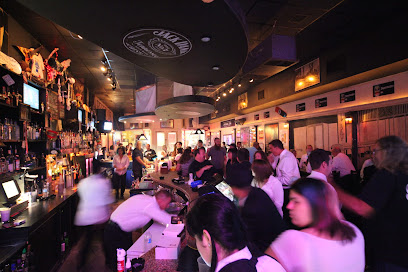
The Catacombs
0.4 km
Discover the lively and mysterious atmosphere of The Catacombs, a unique bar in Ybor City offering creative cocktails and live music.
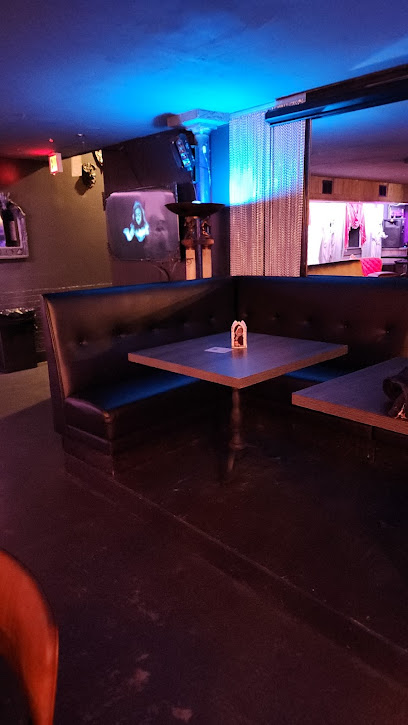
SpookEasy Lounge
0.4 km
Discover the enchanting SpookEasy Lounge in Ybor City, where unique decor meets vibrant nightlife, delicious food, and craft cocktails.
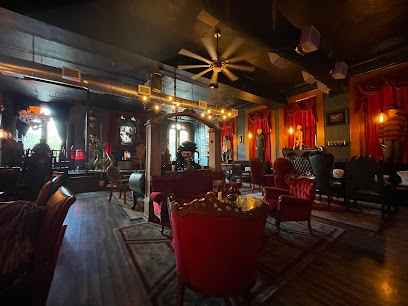
The Copper Shaker Ybor
0.4 km
Experience the art of craft cocktails and delicious gastropub fare at The Copper Shaker Ybor, a must-visit venue in Tampa's historic Ybor City.
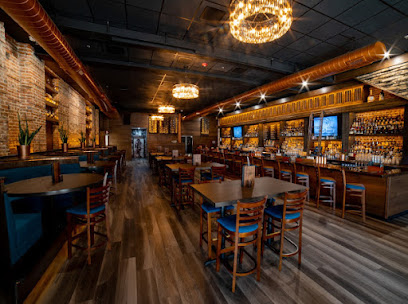
Four Green Fields
1.1 km
Discover the authentic taste of Ireland at Four Green Fields, a vibrant pub in Ybor City, offering delicious food, craft drinks, and live music.
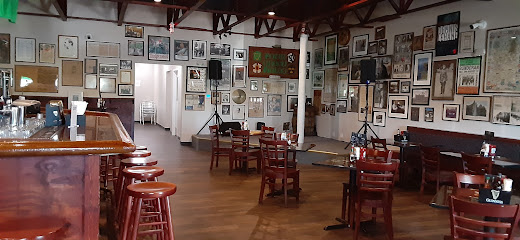
Splitsville Tiki + Social
2.2 km
Experience the best of American cuisine and bowling at Splitsville Tiki + Social in Tampa's vibrant Channelside District.
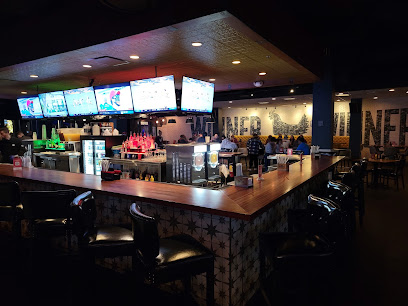
Small Giant - Bar and Restaurant
2.2 km
Discover the vibrant atmosphere and delicious offerings at Small Giant, Downtown Tampa's premier bar and restaurant for locals and tourists alike.
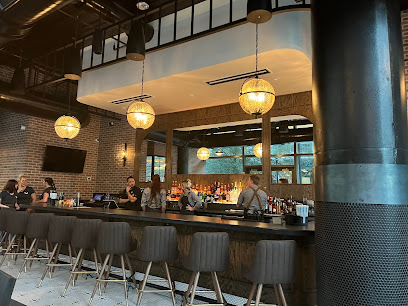
LightHaus Beer Garden
2.3 km
Discover the lively LightHaus Beer Garden in Tampa's Channel District, where craft beer meets a vibrant outdoor atmosphere perfect for relaxation.
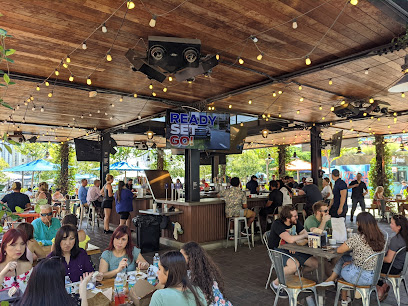
Shuffle
2.3 km
Experience the vibrant atmosphere of Shuffle, a unique bar and sports club in Tampa Heights, perfect for socializing and enjoying tasty snacks.

Punch Room
2.4 km
Indulge in crafted cocktails and upscale ambiance at Punch Room, Tampa's premier destination for cocktail lovers.
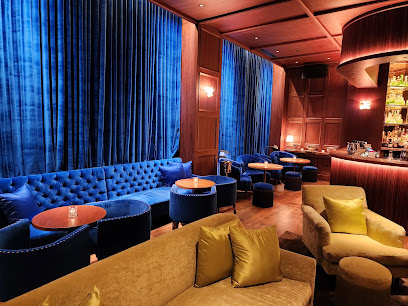
Nightclubs & after hour spots

Crowbar
0.2 km
Discover the electrifying nightlife at Crowbar, a premier night club in Ybor City known for live music, dancing, and unforgettable experiences.
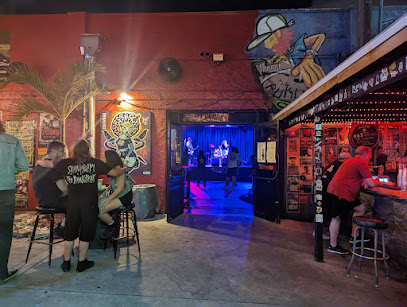
Club Prana
0.3 km
Experience the electrifying nightlife at Club Prana, Ybor City's premier nightclub featuring dance, drinks, and a rooftop bar with stunning views.
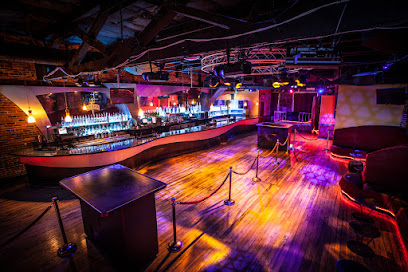
The Castle
0.3 km
Experience the enchantment of The Castle, a premier night club in Ybor City, Tampa, known for its vibrant atmosphere and unforgettable nights.
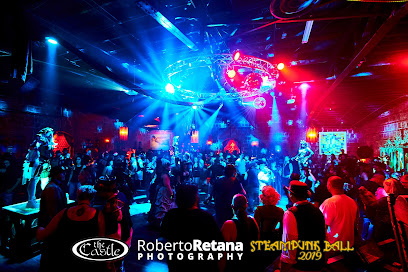
Tangra Nightclub
0.3 km
Experience the pulsating nightlife of Tangra Nightclub in Ybor City, where music, dance, and vibrant crowds create unforgettable nights.
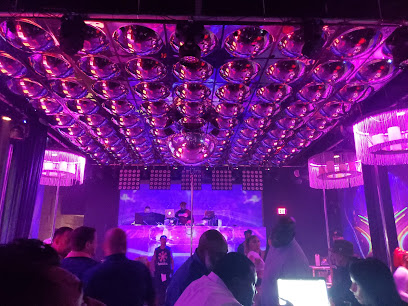
Club Skye
0.4 km
Discover the heart of Tampa's nightlife at Club Skye, a vibrant night club in Ybor City known for its electrifying atmosphere and unforgettable events.
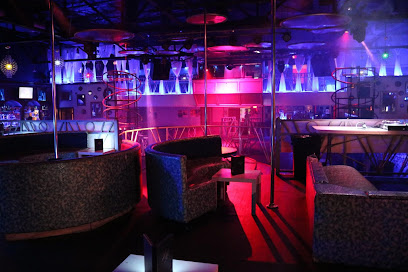
The Ritz Ybor
0.5 km
Discover the vibrant nightlife and live music at The Ritz Ybor, a historic venue blending charm and modern fun in Tampa's Ybor City.

Southern Nights TAMPA
0.6 km
Discover the heartbeat of Tampa's nightlife at Southern Nights, a lively gay nightclub in Ybor City featuring drag shows, dancing, and a welcoming atmosphere.
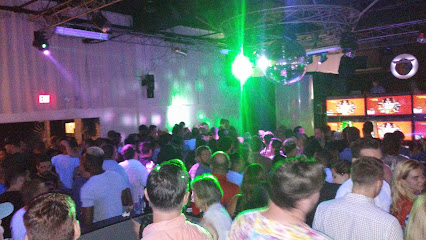
AJA Channelside
2.2 km
Discover AJA Channelside, a vibrant nightclub and event venue in Tampa, where unforgettable nights filled with music and cocktails await.
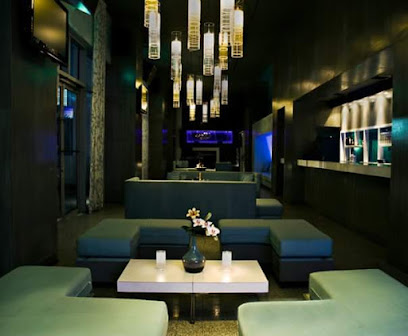
Eden Downtown
2.4 km
Experience the heartbeat of Tampa's nightlife at Eden Downtown, featuring vibrant music, expertly crafted cocktails, and an unforgettable atmosphere.
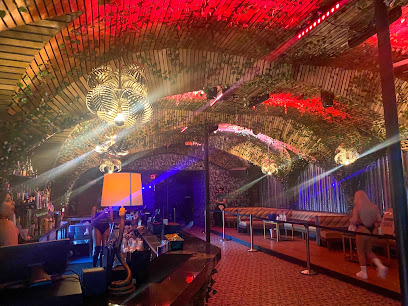
Kava Culture Kava Bar
2.4 km
Discover the tranquility of Kava Culture Kava Bar in Downtown Tampa, where relaxation meets a vibrant lounge atmosphere.
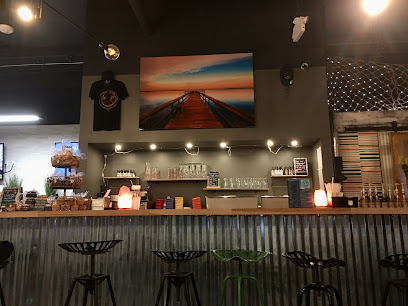
Ashley VIP Lounge
2.5 km
Ashley VIP Lounge in Tampa offers a luxurious escape featuring gourmet food, crafted cocktails, and an exclusive atmosphere for unforgettable nights.
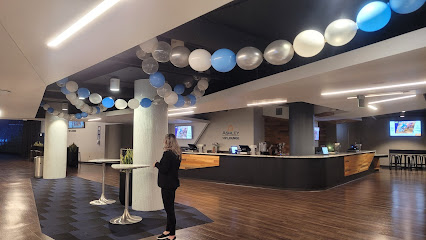
Cotton Club
4.2 km
Discover the heart of Tampa's nightlife at Cotton Club, where dancing and fun meet in a vibrant atmosphere perfect for tourists.
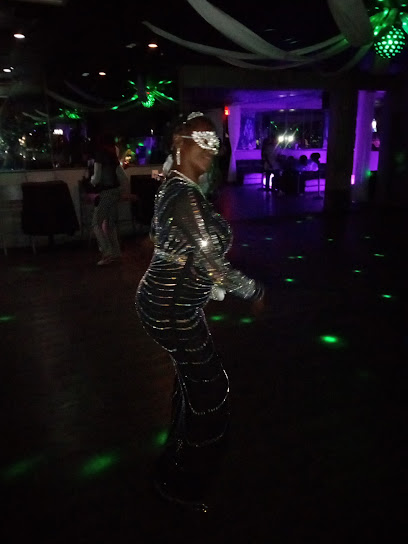
The Lounge by Meat Market
4.7 km
Experience the vibrant nightlife at The Lounge by Meat Market in South Tampa with exquisite cocktails and an upscale ambiance.

Status Night Club Tampa
4.9 km
Dive into a vibrant nightlife experience at Status Night Club Tampa, where electrifying beats and unforgettable moments await every party-goer.

Club Viva/ La Frontera
4.9 km
Dive into the vibrant nightlife at Club Viva/La Frontera, where music, dancing, and unforgettable experiences await you in Tampa, Florida.