

Free Tampa Travel Guide & Mobile App
Plan your Tampa trip with Evendo. Get free guides to top attractions, restaurants, hotels, and bars. Web access or download the mobile app.




Tampa blends Gulf Coast beaches, Ybor City history, Cuban cuisine, museums, riverfront walks and family attractions in sunny Florida, with lively neighbourhoods
A City Shaped by Water and Trade
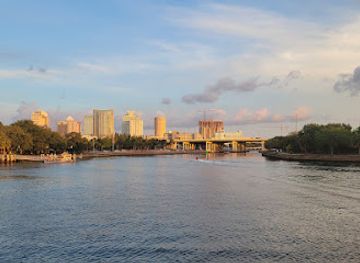
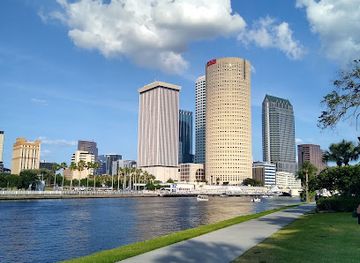
Tampa occupies a broad bend of Florida’s west coast, where the Hillsborough River meets Tampa Bay and the Gulf of Mexico lies beyond. Its identity has been shaped by maritime trade, cigar-making, phosphate mining, tourism and migration. Downtown rises behind the Riverwalk, while older districts preserve a more intimate scale of brick warehouses, bungalow-lined streets and shaded avenues. The city’s warm climate and waterways create an outdoor rhythm, but Tampa’s appeal extends well beyond sunshine and beaches.Read more about Tampa
Historic Neighbourhoods and Cultural Character
Museums, Parks and the Bay
When is the best time to visit Tampa?
Best: January–February, November · 22–25°C| Month | High (°C) | Rainfall (mm) |
|---|---|---|
| January (best) | 22 | 57 |
| February (best) | 23 | 71 |
| March | 26 | 90 |
| April | 29 | 74 |
| May | 32 | 102 |
| June | 33 | 183 |
| July | 34 | 191 |
| August | 34 | 203 |
| September | 33 | 165 |
| October | 30 | 94 |
| November (best) | 25 | 66 |
| December | 22 | 61 |
Getting to and around Tampa
How to get there
Transportation
Best attractions in Tampa
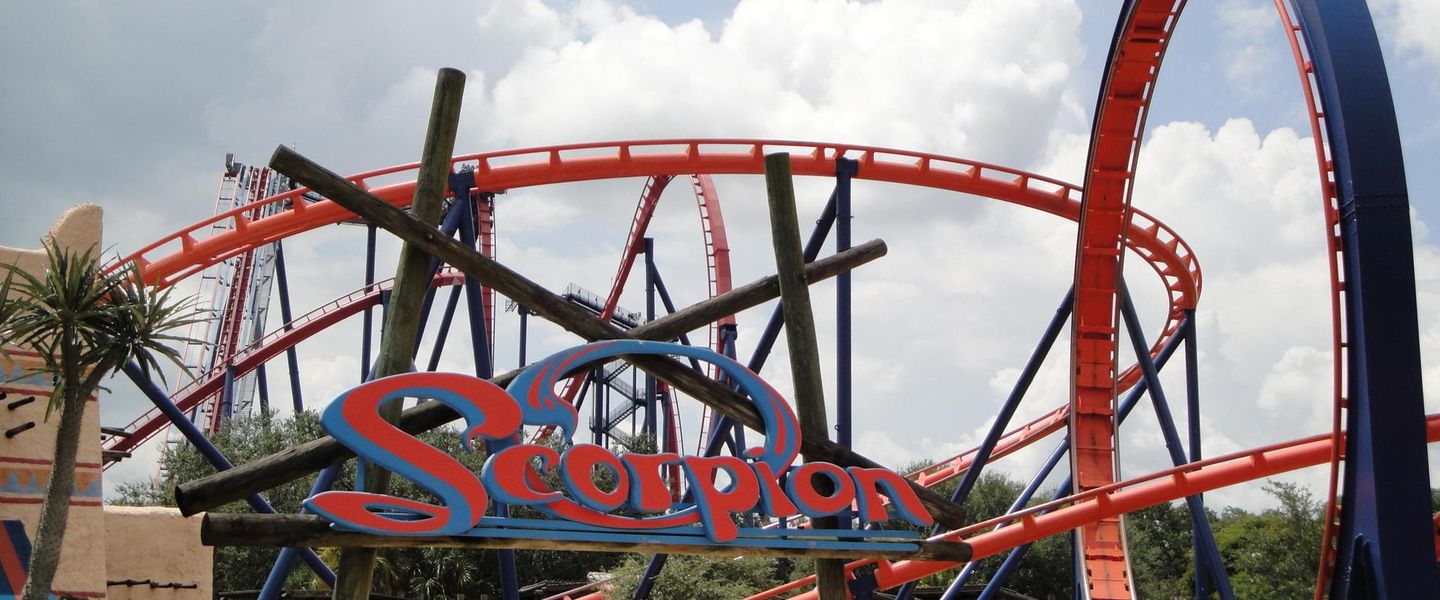
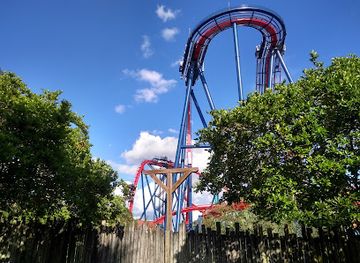
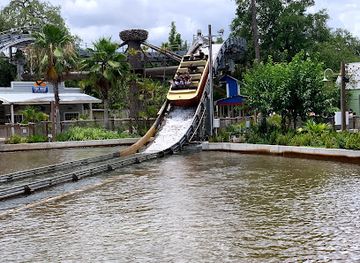
Tampa’s sightseeing ranges from the immersive marine displays of The Florida Aquarium and the animal habitats of ZooTampa at Lowry Park to the roller coasters and themed areas of Busch Gardens Tampa Bay. The Tampa Riverwalk provides a scenic spine through the centre, passing Curtis Hixon Waterfront Park, the Tampa Museum of Art, the Glazer Children’s Museum and the Tampa Bay History Center. In Ybor City, former cigar factories, brick streets and the Ybor City Museum State Park reveal the district’s immigrant and industrial past. The Henry B. Plant Museum occupies part of the former Tampa Bay Hotel and offers a richly furnished interpretation of Gilded Age tourism. Tampa Theatre adds a different kind of spectacle, with its atmospheric 1926 movie-palace interior and programme of films and performances. For a slower pace, Bayshore Boulevard follows the water with expansive bay views, while neighbourhoods such as Hyde Park and Seminole Heights provide cafés, independent businesses and distinctive local architecture.
-
Tourist attraction
Busch Gardens Tampa Bay
Experience thrilling rides and amazing animal encounters at Busch Gardens Tampa Bay, where the heart of Africa meets world-class entertainment for an unforgettable adventure.
30 min drive · 10 km from city centre
-
Tourist attraction
Busch Gardens Tampa Bay
Experience the thrill of world-class coasters and the wonder of exotic animals at Busch Gardens Tampa Bay, where adventure awaits around every corner in this unique African-themed park.
30 min drive · 10 km from city centre
-
Tourist attraction
ZooTampa at Lowry Park
Discover wildlife from around the world at ZooTampa at Lowry Park, a leading zoological institution committed to conservation, education, and providing unforgettable adventures for all ages.
21 min drive · 7.0 km from city centre
-
Tourist attraction
ZooTampa at Lowry Park
Discover a world of wildlife adventure at ZooTampa at Lowry Park, where you can connect with amazing animals, enjoy thrilling rides, and support vital conservation efforts in a lush, tropical setting.
21 min drive · 7.0 km from city centre




Best landmarks in Tampa
Tampa’s built landmarks reveal the overlapping histories of tourism, immigration, religion and commerce. Plant Hall, the surviving main building of Henry B. Plant’s Tampa Bay Hotel, is distinguished by its Moorish Revival-inspired details and ornate interiors, now preserved as part of the University of Tampa and the Henry B. Plant Museum. Ybor City’s former cigar factories and the Centro Asturiano de Tampa express the social and architectural legacy of immigrant workers and mutual-aid organisations. The Tampa Theatre, opened in 1926, remains one of Florida’s notable historic cinemas, with an atmospheric interior designed for the golden age of movie palaces. Downtown, the Tampa Municipal Office Building and nearby public spaces reflect the city’s civic development, while the Sulphur Springs Water Tower stands as a surviving reminder of a once-prominent northern neighbourhood. Along the waterfront, the historic Le Méridien Tampa retains the former federal courthouse’s façade and urban presence.
-
Theme park
Busch Gardens Tampa Bay
Experience thrilling rides and amazing animal encounters at Tampa's premier African-themed park. A unique blend of adventure and wildlife awaits!
30 min drive · 10 km from city centre
-
Zoo
ZooTampa at Lowry Park
Discover amazing animals from around the world at Tampa's leading zoological park, dedicated to wildlife conservation and unforgettable experiences.
21 min drive · 7.0 km from city centre
-
Food court
Armature Works
Explore Tampa's historic Armature Works: a vibrant hub for dining, events, and community on the Hillsborough River.
15 min walk · 1.2 km from city centre
-
Park
Curtis Hixon Waterfront Park
Experience Tampa's vibrant heart at Curtis Hixon Waterfront Park: events, river views, and family fun in a stunning downtown setting.
6 min walk · 0.4 km from city centre
Explore Tampa on the map
Plan your Tampa trip on one map. See where the top attractions, landmarks, restaurants, bars and hotels are, find what's near where you're staying, and book hotels and experiences in a few clicks.
Neighbourhoods in Tampa
-

-

-

-

-


Swipe for more neighbourhoods
Best hotels in Tampa
Best restaurants in Tampa
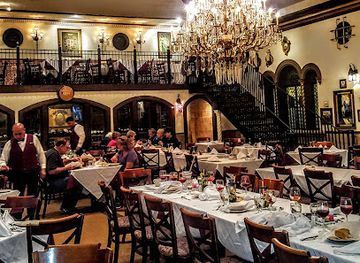
Tampa’s food identity is strongly associated with its Cuban, Spanish and Italian immigrant history, Gulf seafood and long-standing neighbourhood institutions. The Tampa-style Cuban sandwich, made with Cuban bread and traditionally combining roast pork, ham, Swiss cheese, salami and mustard, reflects the city’s cigar-community connections; deviled crab, a seasoned crab croquette, is another local speciality. Columbia Restaurant in Ybor City, established in 1905, is one of the city’s best-known historic dining institutions, while the district’s older bakeries and cafés continue Spanish and Cuban traditions. Across Tampa, restaurants serve grouper, stone crab when in season and other coastal dishes alongside barbecue, Southern cooking and contemporary international food. Ybor City, Seminole Heights, Tampa Heights, Hyde Park Village and the downtown waterfront offer particularly varied dining scenes, with food halls and independent cafés adding a modern layer.
-
Spanish
Columbia Restaurant
Discover the flavors of Spain and Cuba at Columbia Restaurant, where tradition meets taste in Ybor City’s historic setting.
7 min drive · 2.5 km from city centre
-
American
Ulele
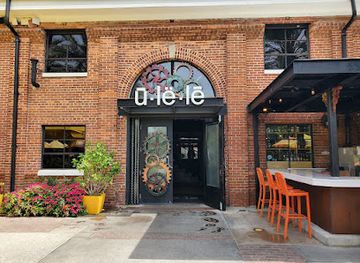
Experience the vibrant flavors of American cuisine at Ulele in Tampa Heights - where local ingredients meet culinary creativity.
13 min walk · 1.0 km from city centre
-
Spanish
Bulla Gastrobar
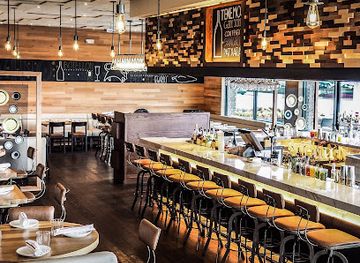
Experience the vibrant flavors of Spain at Bulla Gastrobar – Tampa's premier destination for tapas and cocktails.
9 min drive · 3.1 km from city centre
-
Seafood
Rusty Pelican Tampa
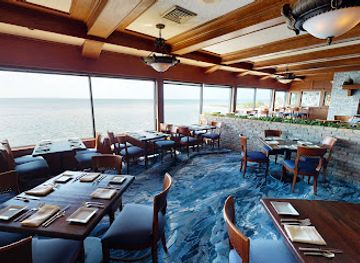
Experience exquisite seafood dining with stunning bay views at Rusty Pelican Tampa – your perfect culinary escape in Florida.
31 min drive · 11 km from city centre
Best bars in Tampa
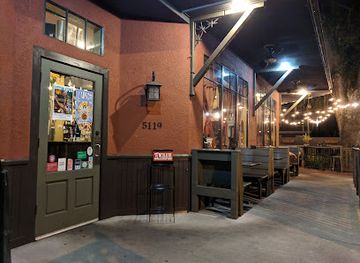
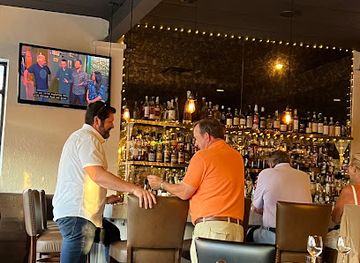
Tampa’s evening life is concentrated in several contrasting districts rather than one central strip. Ybor City is the historic entertainment quarter, with bars, live music, dance venues and late-night activity occupying former cigar-industry streets and buildings. Downtown and the Channel District offer waterfront bars, sports-oriented venues and cultural programming around the Riverwalk, while SoHo and South Howard Avenue are associated with restaurants and a younger bar scene. Seminole Heights and Tampa Heights provide more relaxed neighbourhood options, including breweries, cocktail bars and live performances. The city’s cultural calendar also extends after dark through concerts, theatre and events at venues such as the Tampa Theatre and Straz Center for the Performing Arts. Summer heat and sudden thunderstorms can influence evening plans, while rideshare services are commonly used between districts because Tampa’s nightlife areas are not all within easy walking distance of one another.
-
American
Ella’s Americana Folk Art Cafe
Discover the vibrant blend of art, music, and American cuisine at Ella’s Americana Folk Art Cafe in Tampa, a must-visit cultural hub.
14 min drive · 4.7 km from city centre
-
American
Edison: Food+Drink Lab
Discover Edison: Food+Drink Lab, where innovative American cuisine meets craft cocktails in a vibrant atmosphere in Tampa's Hyde Park.
17 min walk · 1.3 km from city centre
-
Grill
Bar Louie - Tampa
Experience the perfect blend of American cuisine and vibrant nightlife at Bar Louie in Tampa - your go-to grill and bar.
19 min drive · 6.3 km from city centre
-
Bar
GenX Tavern
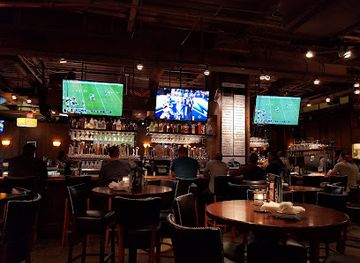
Experience the vibrant atmosphere and delicious cuisine at GenX Tavern, a premier gastropub in Downtown Tampa, perfect for food lovers and sports fans alike.
7 min walk · 0.6 km from city centre
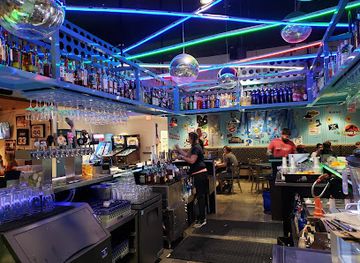
Best nightclubs in Tampa
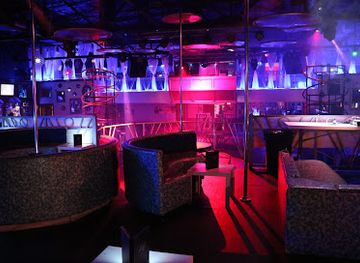
Tampa’s evening life is concentrated in several contrasting districts rather than one central strip. Ybor City is the historic entertainment quarter, with bars, live music, dance venues and late-night activity occupying former cigar-industry streets and buildings. Downtown and the Channel District offer waterfront bars, sports-oriented venues and cultural programming around the Riverwalk, while SoHo and South Howard Avenue are associated with restaurants and a younger bar scene. Seminole Heights and Tampa Heights provide more relaxed neighbourhood options, including breweries, cocktail bars and live performances. The city’s cultural calendar also extends after dark through concerts, theatre and events at venues such as the Tampa Theatre and Straz Center for the Performing Arts. Summer heat and sudden thunderstorms can influence evening plans, while rideshare services are commonly used between districts because Tampa’s nightlife areas are not all within easy walking distance of one another.
-
Night club
Club Prana
Discover the heartbeat of Tampa's nightlife at Club Prana, where dance, music, and stunning rooftop views create unforgettable memories.
6 min drive · 2.0 km from city centre
-
Bar
Pegasus Lounge & Niteclub
Discover the energetic Pegasus Lounge & Niteclub, where vibrant nightlife meets exceptional live music in Tampa, Florida.
35 min drive · 15 km from city centre
-
Night club
The Castle
Experience the enchantment of The Castle, a premier night club in Ybor City, Tampa, known for its vibrant atmosphere and unforgettable nights.
6 min drive · 2.0 km from city centre
-
Night club
Club Skye
Discover the heart of Tampa's nightlife at Club Skye, a vibrant night club in Ybor City known for its electrifying atmosphere and unforgettable events.
6 min drive · 1.9 km from city centre
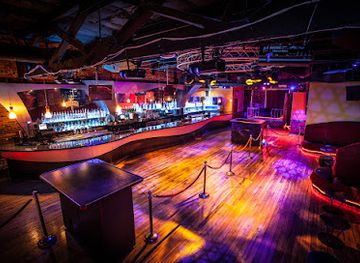
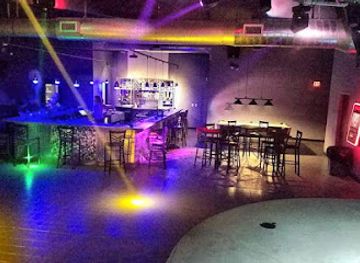
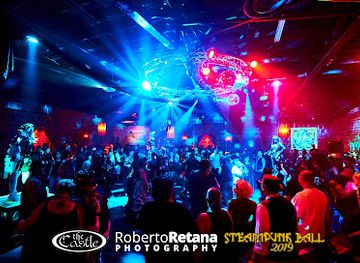
Best shops in Tampa
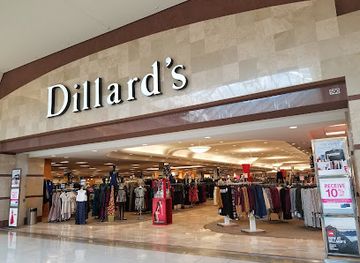
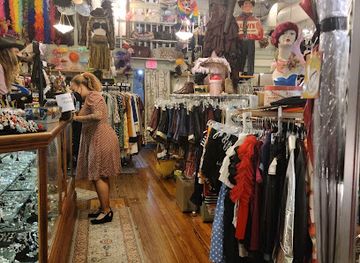
Tampa’s shopping combines established retail centres, independent neighbourhood businesses and markets connected to local food culture. Hyde Park Village provides an open-air setting for boutiques, cafés and lifestyle retailers close to historic Hyde Park, while International Plaza and Bay Street, near Tampa International Airport, offers a large concentration of fashion, department-store and specialist shopping. In Ybor City, visitor-oriented shops occupy historic buildings and sell Cuban- and Florida-themed gifts, artwork and food products, though the district’s most meaningful purchases often come from independent makers rather than standard souvenirs. Seminole Heights and Tampa Heights contain smaller design, vintage and speciality shops alongside restaurants and breweries. The Tampa Bay Farmers Market and other seasonal markets offer produce, prepared food and locally made goods when operating. Cigar-related products remain part of Ybor City’s commercial identity, but visitors should distinguish traditionally made local cigars from mass-produced merchandise.
-
Shopping mall
International Plaza and Bay Street
Discover over 200 stores and diverse dining options at International Plaza and Bay Street, Tampa's premier shopping mall.
19 min drive · 6.3 km from city centre
-
Shopping mall
Hyde Park Village
Experience the charm of Hyde Park Village, a vibrant shopping destination in Tampa with exquisite boutiques and delightful dining options.
7 min drive · 2.4 km from city centre
-
Vintage clothing store
La France
Discover unique vintage fashion at La France in Ybor City, where every piece tells a story and sustainability meets style.
6 min drive · 1.9 km from city centre
-
Thrift store
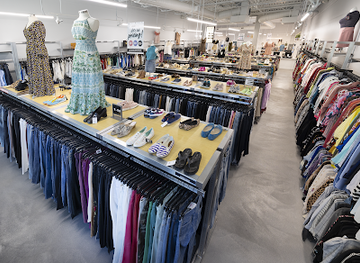
labelswap
Explore LabelSwap Thrift Store in Tampa for an eclectic mix of vintage and trendy fashion at affordable prices.
11 min drive · 3.7 km from city centre
Get your free copy of our complete guide to Tampa, delivered straight to you.
Everything on this page, from attractions and restaurants to essentials and local phrases, in one PDF you can read offline, print or share.
Already have an account? Sign in
Your Tampa guide is ready.
We'll send it to · Not you? Sign out

Getting your guide ready…
We are putting together a fresh copy of the Tampa guide. This can take up to a minute.
This can take a few moments. If your browser asks, choose Allow so the download can start. You'll find the guide in your Downloads folder.
Nothing happened? Download it again
Sorry, the guide is taking longer than usual. Please try again in a minute, or get it by email instead.
Tampa essentials
Currency and Payment
Safety
Emergency Situations
Do's and Don'ts
Local Tips
From Eve
Local phrases worth knowing
You don't need to get them perfect. A few words go a long way, and locals appreciate the effort.
Basics
| English | Local | Say it |
|---|---|---|
| Hello | Hey | [Hey] |
| Goodbye | Bye | [Bye] |
| Yes | Yeah | [Yeah] |
| No | Nope | [Nope] |
| Please/You're welcome | Please/No problem | [Please/No problem] |
| Thank you | Thanks | [Thanks] |
| Excuse me/Sorry | Excuse me/Sorry | [Excuse me/Sorry] |
| How are you? | How you doin'? | [How you doin'?] |
| Fine. And you? | Good. You? | [Good. You?] |
| Do you speak English? | You speak English? | [You speak English?] |
| I don't understand | I don't get it | [I don't get it] |
Eating & Drinking
| English | Local | Say it |
|---|---|---|
| I'd like to see the menu, please | Menu, please | [Menu, please] |
| I don't eat meat | No meat | [No meat] |
| Cheers! | Cheers! | [Cheers!] |
| I would like to pay, please | Check, please | [Check, please] |
Emergencies
| English | Local | Say it |
|---|---|---|
| Help! | Help! | [Help!] |
| Go away! | Get lost! | [Get lost!] |
| Call the Police! | Call the cops! | [Call the cops!] |
| Call a doctor! | Call a doc! | [Call a doc!] |
| I'm lost | I'm lost | [I'm lost] |
| I'm ill | I'm sick | [I'm sick] |
Shopping
| English | Local | Say it |
|---|---|---|
| I'd like to buy... | I wanna buy... | [I wanna buy...] |
| I'm just looking | Just looking | [Just looking] |
| How much is it? | How much? | [How much?] |
| That's too expensive | Too pricey | [Too pricey] |
| Can you lower the price? | Lower the price? | [Lower the price?] |
Time & Numbers
| English | Local | Say it |
|---|---|---|
| What time is it? | What time is it? | [What time is it?] |
| It's one o'clock | It's one | [It's one] |
| Half past (10) | Half past ten | [Half past ten] |
| Morning | Morning | [Morning] |
| Afternoon | Afternoon | [Afternoon] |
| Evening | Evening | [Evening] |
| Yesterday | Yesterday | [Yesterday] |
| Today | Today | [Today] |
| Tomorrow | Tomorrow | [Tomorrow] |
| 1 | One | [One] |
| 2 | Two | [Two] |
| 3 | Three | [Three] |
| 4 | Four | [Four] |
| 5 | Five | [Five] |
| 6 | Six | [Six] |
| 7 | Seven | [Seven] |
| 8 | Eight | [Eight] |
| 9 | Nine | [Nine] |
| 10 | Ten | [Ten] |
Transport & Directions
| English | Local | Say it |
|---|---|---|
| Where's a/the...? | Where's the...? | [Where's the...?] |
| What's the address? | What's the address? | [What's the address?] |
| Can you show me (on the map)? | Show me (on the map)? | [Show me (on the map)?] |
| When's the next (bus)? | When's the next (bus)? | [When's the next (bus)?] |
| A ticket (to ....) | A ticket (to ....) | [A ticket (to ....)] |
History of Tampa
Indigenous Shores and Spanish Exploration
The Tampa Bay region was inhabited for centuries by Indigenous peoples, including the Tocobaga, whose communities occupied settlements around the bay and its rivers. Their societies relied on fishing, shellfish, hunting and regional exchange. Spanish expeditions reached the area in the sixteenth century, bringing new diseases, violence and political disruption that severely affected Indigenous populations. European descriptions of the bay and its waterways gradually entered wider maps, although permanent Spanish settlement around present-day Tampa developed only much later. The archaeological record, including shell middens and other sites around the bay, remains important evidence of the region’s pre-colonial history.
Fort Brooke and a New Settlement
The United States established Fort Brooke in 1824 at the mouth of the Hillsborough River, shortly after Florida became a US territory. The military post was named for General George M. Brooke and functioned as a frontier installation during a period of conflict and forced Indigenous removal. A small civilian settlement grew around the fort, taking the name Tampa. The fort’s presence linked the area to wider military campaigns, including the Second Seminole War. Although little of Fort Brooke survives above ground, its location helped establish the early town’s position beside a navigable river and protected harbour.
Railways, Phosphate and Expansion
Tampa’s transformation accelerated in the late nineteenth century when Henry B. Plant extended railway connections to the city and developed a deep-water port. The arrival of rail made it easier to move agricultural goods, phosphate and manufactured products, linking Tampa with inland Florida and national markets. Plant’s Tampa Bay Hotel, completed in 1891, symbolised the ambitions of the emerging city and later became Plant Hall at the University of Tampa. Phosphate extraction in central Florida also fostered industrial growth, while improved transport and shipping encouraged immigration and urban expansion. Tampa was becoming a commercial centre rather than a small military outpost.
Ybor City and the Cigar Industry
In the 1880s, Vicente Martinez-Ybor and other cigar manufacturers moved production to Tampa, helping create Ybor City east of the original settlement. Factories employed skilled cigar makers, many of them Cuban, Spanish and Italian immigrants, and the neighbourhood developed its own clubs, bakeries, social organisations and political traditions. Cigars were made by hand, often while a lector read newspapers and literature aloud to workers. The industry shaped Tampa’s architecture and multicultural identity, though labour disputes, economic cycles and later mechanisation altered the district. Surviving factories and civic buildings preserve the physical legacy of this industrial community.
Migration, Segregation and Civic Change
During the twentieth century, Tampa grew through migration from across the United States, the Caribbean and Latin America. African American communities developed in areas including Central Avenue and Tampa’s west side, building churches, businesses and cultural institutions despite housing segregation and discriminatory policies. Ybor City’s immigrant associations continued to influence civic life, while the cigar industry gradually declined. The civil rights era brought campaigns against segregation and unequal public facilities, contributing to wider social and political change. Post-war road building and suburban development reshaped the urban area, even as historic neighbourhoods faced demolition, disinvestment and later preservation efforts.
A Modern Gulf Coast City
From the late twentieth century, Tampa expanded as a regional centre for finance, healthcare, education, tourism and professional services. Downtown redevelopment brought new cultural institutions, public parks and a waterfront Riverwalk, while the Channel District and Tampa Heights underwent substantial change. The restoration of Ybor City and the preservation of buildings such as the Tampa Theatre and Plant Hall strengthened the city’s historic identity. Tampa’s modern character remains connected to its bay, port and multicultural food traditions, while rapid growth continues to raise questions about transport, housing, climate resilience and the preservation of established communities.
Tampa in Photos
Browse through our photo collection highlighting the charm and character of the destination.
Cities near Tampa
The closest cities to Tampa, if you have time for more than one stop.
-

-

-

-

-


Swipe for more cities
Explore more

Explore more of Florida
Discover Florida: A Sunshine State full of dazzling beaches, iconic theme parks, rich history, and stunning natural parks, offering endless adventures for every traveler.
Explore Florida