Pelican Island National Wildlife Refuge: Birthplace of American Conservation
Discover the birthplace of American conservation at Pelican Island National Wildlife Refuge, a haven for birds and a testament to the power of protecting our natural heritage in Florida's Indian River Lagoon.
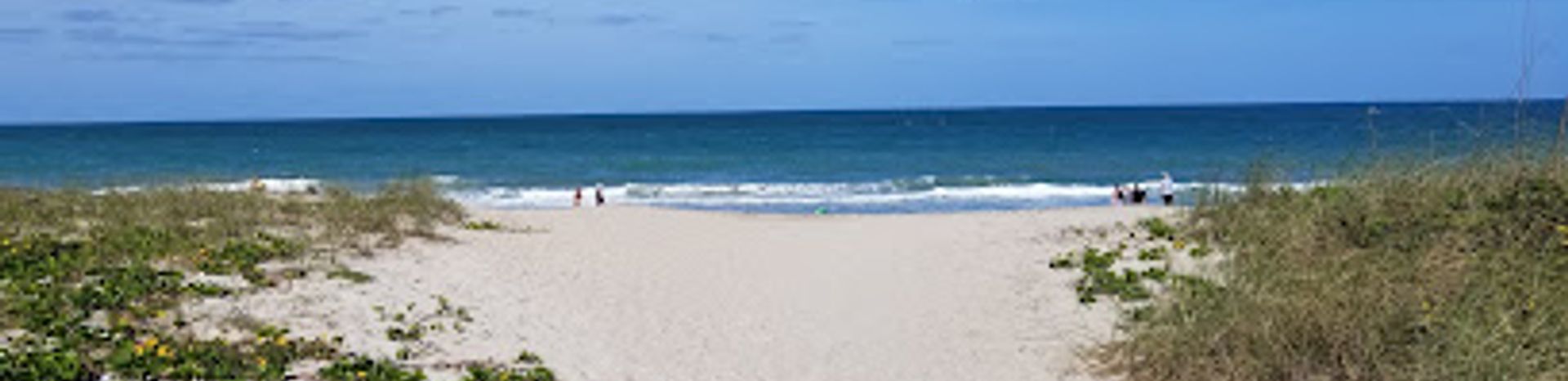
Pelican Island National Wildlife Refuge, a jewel in Florida's Indian River Lagoon, holds the distinction of being the first National Wildlife Refuge in the United States, established by President Theodore Roosevelt in 1903. This historic site protects a vital nesting habitat for brown pelicans and other waterbirds, safeguarding them from extinction due to plume hunting. Today, the refuge encompasses over 5,400 acres of diverse habitats, including mangrove forests, salt marshes, and seagrass beds, supporting a rich array of wildlife. Visitors can explore the refuge's trails, climb the observation tower for panoramic views, and discover the story of American conservation. While the island itself remains off-limits to protect its fragile ecosystem, the surrounding area offers ample opportunities for birdwatching, photography, and immersion in nature's beauty. Pelican Island stands as a testament to the power of conservation and a reminder of the importance of protecting our natural heritage for future generations. The refuge is open daily from 7:30 am until sunset.
A brief summary to Pelican Island National Wildlife Refuge
- 4055 Wildlife Way, Vero Beach, Florida, 32963, US
- +1772-581-5557
- Visit website
Local tips
- Visit during the fall or spring for the best birdwatching opportunities, as migratory birds pass through the area.
- Bring binoculars to enhance your viewing experience, especially when observing Pelican Island from the observation tower.
- Wear comfortable shoes and clothing suitable for walking on trails and boardwalks.
- Bring sunscreen, insect repellent, and plenty of water, as the Florida sun can be intense and mosquitoes can be present.
- Check the U.S. Fish & Wildlife Service website for any alerts or closures before your visit.

Getting There
-
Driving
From US-1 in Sebastian, take County Road 510 (Wabasso Beach Rd) east across the Indian River Lagoon to Orchid Island. Turn north onto A1A and drive approximately 3.7 miles. Turn left onto Jungle Trail. Follow Jungle Trail for about 0.6 miles to the Centennial Trail trailhead parking lot on the right. Parking is free. Be aware that Jungle Trail is an unpaved road.
-
Public Transport
Indian River County's GoLine offers free bus service throughout the county. Check the GoLine website or app for route and schedule information to reach the vicinity of the refuge. From the nearest GoLine stop on A1A, you may need to walk or take a short taxi/ride-share to the refuge entrance on Jungle Trail. Taxi/ride-share from A1A to the Centennial Trailhead is approximately $15-$20.
-
Taxi/Ride-Share
From Vero Beach or Sebastian, a taxi or ride-share to the Pelican Island National Wildlife Refuge (Centennial Trail trailhead at 11455 Jungle Trail, Vero Beach, FL 32963) will cost approximately $30-$45. Be sure to specify the Centennial Trail trailhead as your destination, as there are multiple access points to the refuge.
Discover more about Pelican Island National Wildlife Refuge
Iconic landmarks you can’t miss

Schumann Lake Park
4.4 km
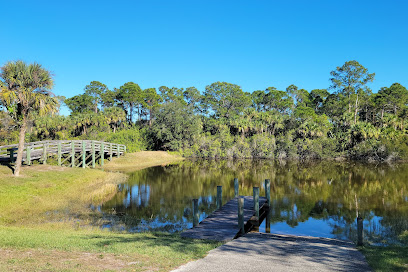
Experience the natural beauty and serene atmosphere of Schumann Lake Park in Sebastian, Florida, a perfect retreat for nature lovers and outdoor enthusiasts.
Dale Wimbrow Park
7.9 km
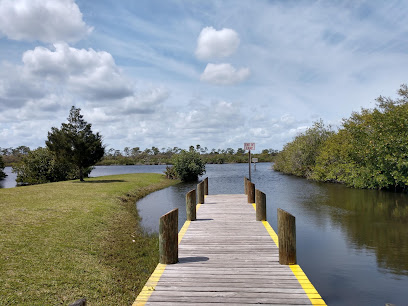
Experience the beauty and tranquility of Dale Wimbrow Park in Sebastian, Florida, where nature meets recreation for a perfect family outing.
Hallstrom House -Pineapple Plantation
26.3 km
Discover the legacy of a Swedish immigrant and citrus pioneer at this beautifully preserved 1918 home in Vero Beach, Florida.
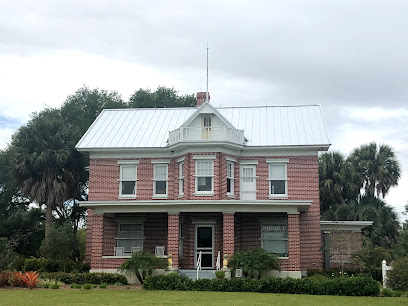
Green Gables
35.9 km
Explore Green Gables in Melbourne, FL – a historical museum showcasing early 20th-century architecture, lush gardens, and captivating stories of the past.
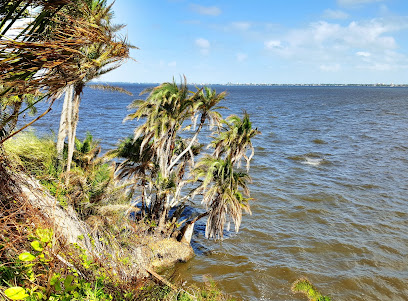
Al's Family Farms Citrus
37.2 km
Experience the vibrant flavors of Florida at Al's Family Farms Citrus, your go-to destination for fresh juices, chocolates, and more in Fort Pierce.
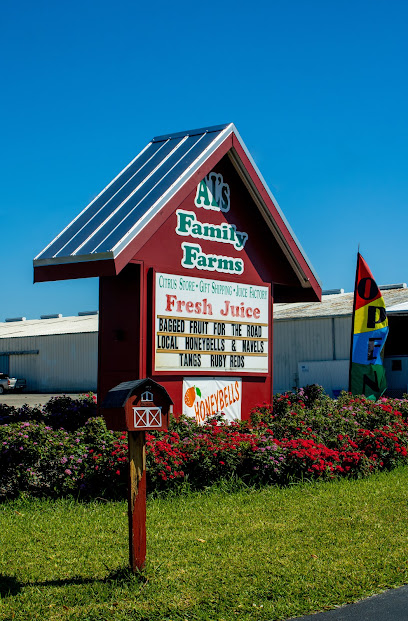
Fort Drum Wildlife Management Area
37.4 km
Discover the breathtaking landscapes and diverse wildlife of Fort Drum Wildlife Management Area, a nature preserve perfect for hiking and outdoor adventures in Florida.
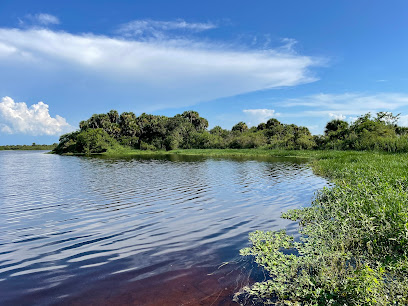
North Harbor City Boulevard
38.0 km
Explore North Harbor City Boulevard in Melbourne, FL - a historical landmark rich in heritage and scenic beauty, perfect for a relaxing day out.
Zora Neale Hurston House
38.9 km
Discover the Zora Neale Hurston House in Fort Pierce, a historical landmark celebrating the legacy of the influential author and anthropologist.
Smithsonian Marine Ecosystems Exhibit
39.7 km
Explore the vibrant underwater world at the Smithsonian Marine Ecosystems Exhibit, a unique aquarium experience in Fort Pierce, Florida.
St. Lucie County Aquarium
39.7 km
Discover Florida's underwater wonders at the St. Lucie County Aquarium, featuring the Smithsonian Marine Ecosystems Exhibit in Fort Pierce.
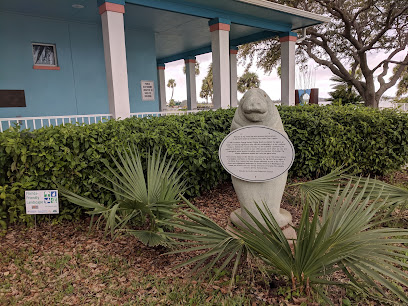
Museum Pointe Park
39.7 km
Discover the stunning waterfront views and diverse recreational opportunities at Museum Pointe Park in Fort Pierce, Florida.
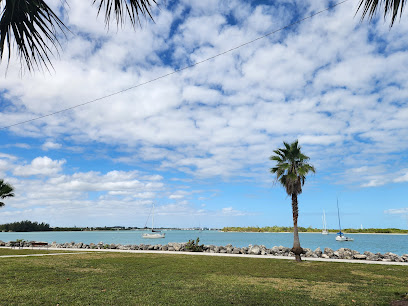
St Lucie County Regional History Center
39.8 km
Explore the captivating history of Fort Pierce at the St. Lucie County Regional History Center, where engaging exhibits bring the past to life.
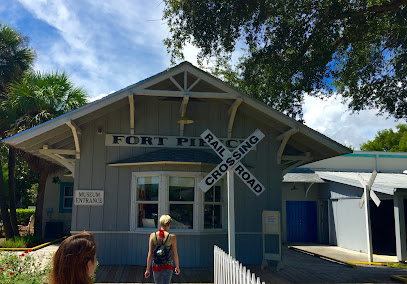
Seven Gables House
40.4 km
Explore the rich history and culture of Fort Pierce at Seven Gables House, your essential stop for visitor information and local insights.
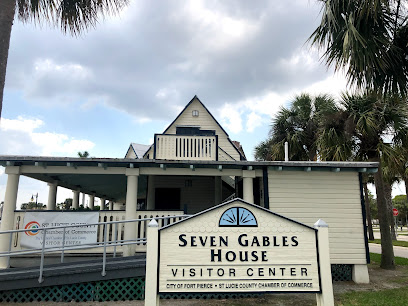
Manatee Observation and Education Center
40.4 km
Explore the Manatee Observation and Education Center for an unforgettable encounter with Florida's marine life and commitment to conservation in Fort Pierce.
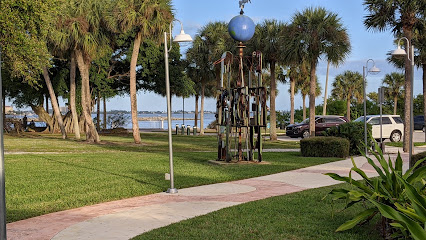
Downtown Fort Pierce
40.4 km
Explore the historical charm and vibrant culture of Downtown Fort Pierce, a picturesque coastal destination in Florida.
Unmissable attractions to see

Treasure Shores Park
1.1 km
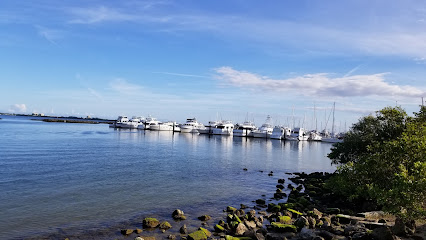
Discover Vero Beach's Treasure Shores Park: A serene coastal escape with stunning dunes, family-friendly amenities, and unspoiled natural beauty on Florida's famed Treasure Coast.
Golden Sands Park
3.0 km
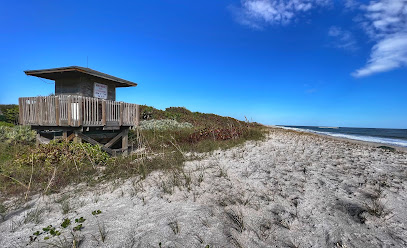
Discover Golden Sands Park in Vero Beach, where serene beaches and lush landscapes create the perfect coastal escape for every traveler.
McLarty Treasure Museum
3.5 km
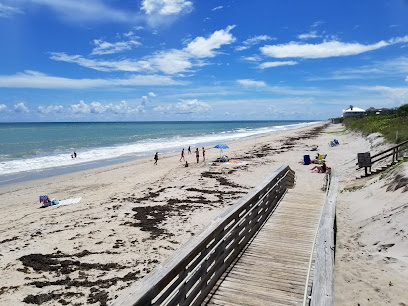
Explore the legendary tales of treasure and shipwrecks at McLarty Treasure Museum in Vero Beach, Florida, where history comes alive.
Riverview Park
3.9 km
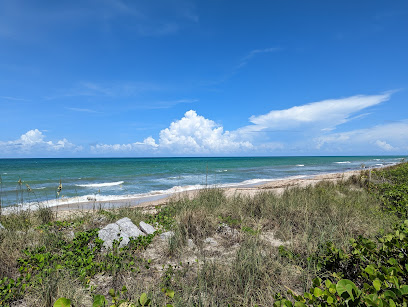
Discover the beauty of Riverview Park in Sebastian, FL, where nature meets recreation along the scenic Indian River Lagoon.
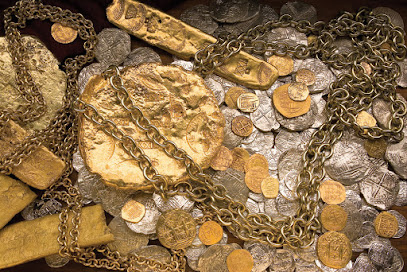
Mel Fisher's Treasures
4.6 km
Explore the captivating world of treasure hunting and maritime history at Mel Fisher's Treasures, a must-visit museum in Sebastian, Florida.
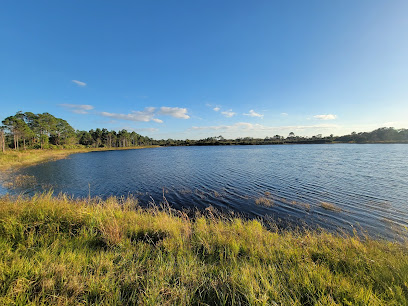
Sebastian Storm Water Park
5.8 km
Discover the serene trails and rich wildlife at Sebastian Storm Water Park, an essential stop for nature lovers in Florida.
Sebastian Inlet State Park
5.8 km
Explore the breathtaking beauty of Sebastian Inlet State Park, a premier destination for outdoor enthusiasts on Florida's Atlantic coast.
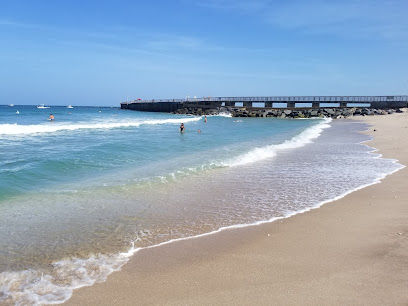
Sebastian Inlet State Rec Area
5.8 km
Experience the beauty of Sebastian Inlet State Recreation Area, where beach relaxation meets thrilling outdoor adventures in Florida's coastal paradise.
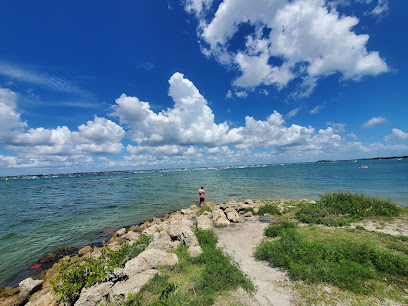
Sebastian Fishing Museum
6.5 km
Explore the Sebastian Fishing Museum, where Florida's rich maritime history and stunning natural beauty come together in one unforgettable experience.
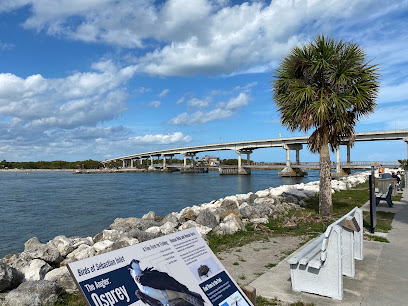
Sebastian inlet
6.7 km
Discover the enchanting Sebastian Inlet, a paradise for fishing, boating, and beach lovers on Florida's stunning Atlantic coast.
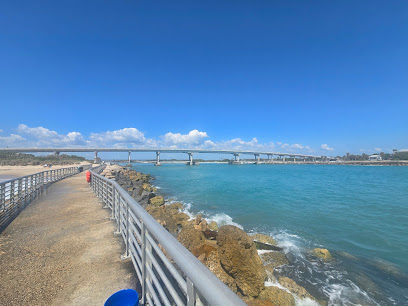
Sebastian Inlet State Park Hammock Trail
8.6 km
Discover the serene beauty of Sebastian Inlet State Park Hammock Trail, a top hiking destination in Florida with stunning landscapes and rich wildlife.
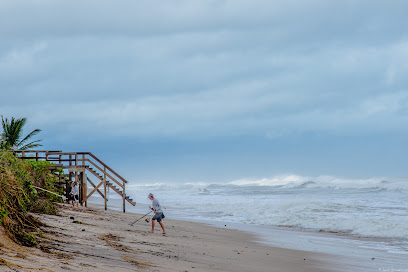
Turtle Trail Beach Access
8.9 km
Discover Vero Beach's hidden gem: Turtle Trail Beach Access. Unspoiled beauty, tranquil atmosphere, and a chance to witness nesting sea turtles make it a coastal paradise.
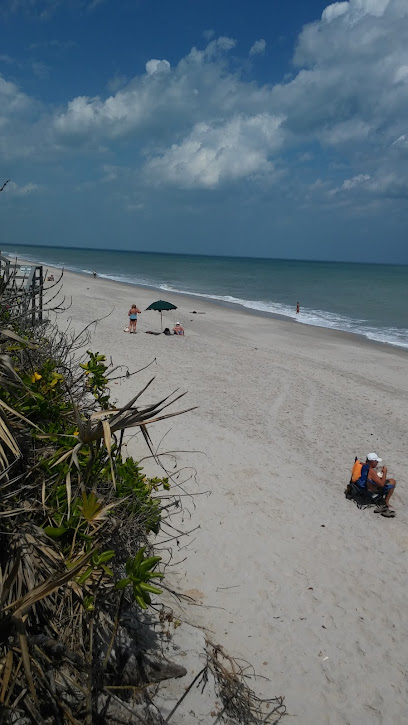
Barrier Island Sanctuary
11.9 km
Explore the Barrier Island Sanctuary, a haven for wildlife and nature lovers in Melbourne Beach, Florida, featuring trails, exhibits, and eco-friendly experiences.
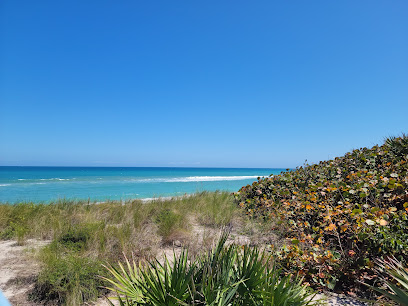
Saint Sebastian River Preserve State Park
13.5 km
Discover the untouched beauty and diverse wildlife of Saint Sebastian River Preserve State Park, a serene haven for outdoor enthusiasts in Florida.
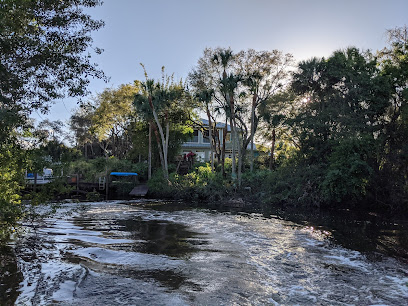
Tracking Station Beachfront Park
15.4 km
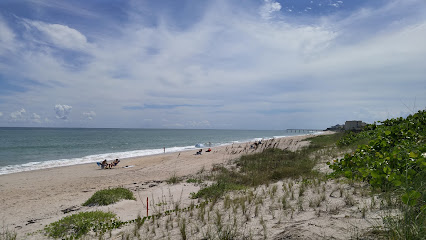
Vero Beach's Tracking Station Beachfront Park: A surfer's paradise with convenient amenities, historical intrigue, and a classic Florida beach vibe, perfect for a day of sun and fun.
Essential places to dine

Sebastian's Roadside Restaurant
3.3 km
Experience family-friendly dining at Sebastian's Roadside Restaurant in Florida—where comfort food meets warm hospitality.
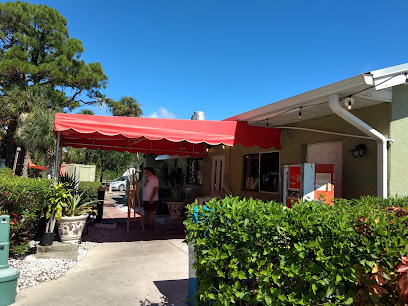
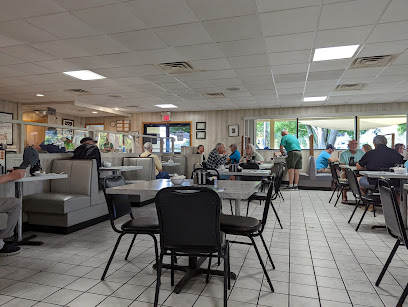
Country Ham N Egg Restaurant
3.8 km
Discover the charm of Country Ham N Egg Restaurant in Sebastian - where delicious breakfasts meet friendly service in a cozy atmosphere.
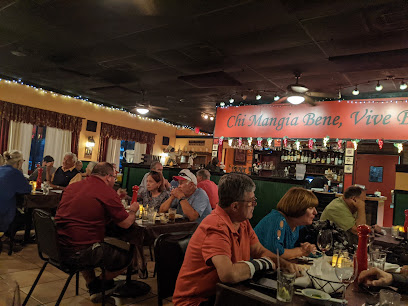
The Italian Cousin
3.8 km
Experience authentic Italian cuisine at The Italian Cousin in Sebastian - where family recipes meet fresh ingredients for unforgettable meals.
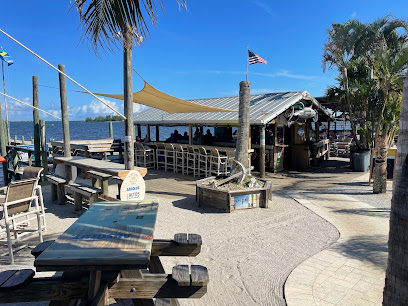
Tiki Bar & Grill
4.3 km
Experience tropical flavors at Tiki Bar & Grill in Sebastian, Florida—where delicious food meets stunning river views.
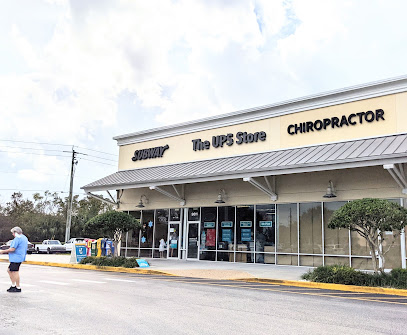
Subway
4.3 km
Enjoy fresh and customizable sandwiches at Subway in Sebastian, Florida – perfect for tourists seeking quick and delicious meals.
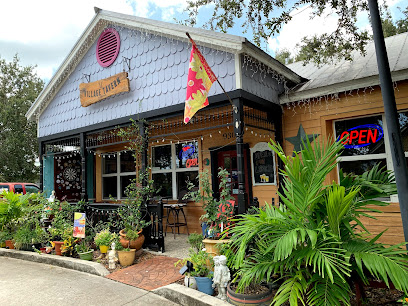
Village Tavern of Sebastian
4.4 km
Discover the delightful flavors at Village Tavern of Sebastian – your go-to grill destination in sunny Florida.
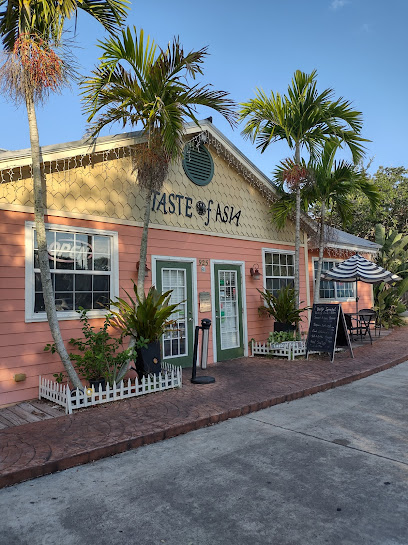
Taste of Asia
4.4 km
Experience the best of Asian cuisine at Taste of Asia in Sebastian – where authentic flavors meet exceptional dining.
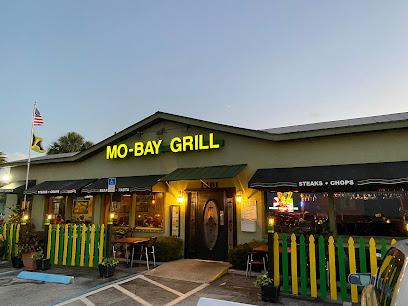
Mo Bay Grill
4.6 km
Experience authentic Jamaican flavors and fresh seafood at Mo Bay Grill - a hidden gem on Florida's Indian River.
Crab Stop of Sebastian - Seafood Restaurant
4.8 km
Experience fresh crab dishes and vibrant atmosphere at Crab Stop of Sebastian – a seafood lover's paradise on the Indian River.
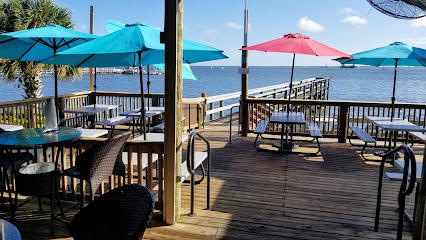
Capt Hirams Resort
5.0 km
Discover Capt Hirams Resort in Sebastian: A perfect blend of relaxation and adventure by the Indian River Lagoon.
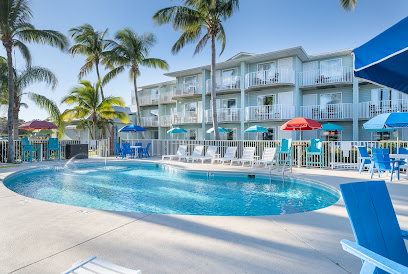
Blackfins at Capt Hirams Resort
5.0 km
Experience exquisite seafood dining with breathtaking views at Blackfins in Sebastian, Florida – where every meal is a waterfront delight.
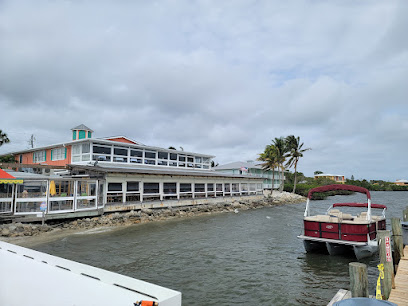
Squid Lips
5.2 km
Discover the taste of fresh seafood at Squid Lips in Sebastian - where great food meets stunning river views.
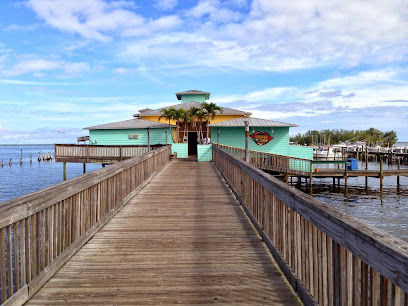
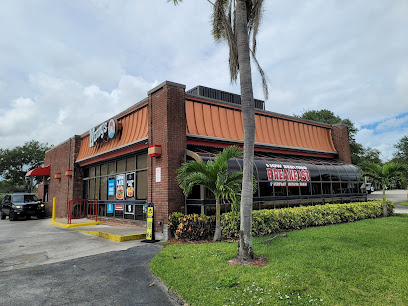
Wendy's
5.3 km
Discover Wendy's in Sebastian: Savor delicious burgers and fresh salads at this popular fast-food spot along US Highway 1.
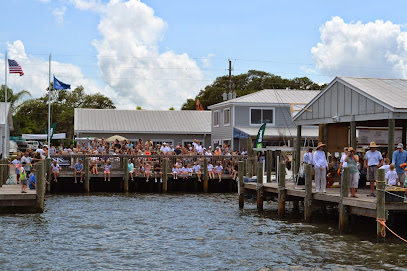
Captain Butchers Seafood Grill & Bar
5.5 km
Discover fresh seafood delights at Captain Butchers Seafood Grill & Bar with stunning views of Indian River in Sebastian.
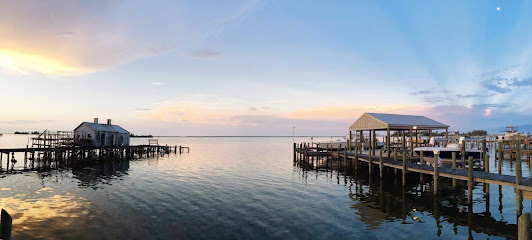
Sebastian Saltwater Marina Restaurant
5.5 km
Experience fresh seafood delights at Sebastian Saltwater Marina Restaurant along the scenic Indian River in beautiful Sebastian, Florida.
Markets, malls and hidden boutiques

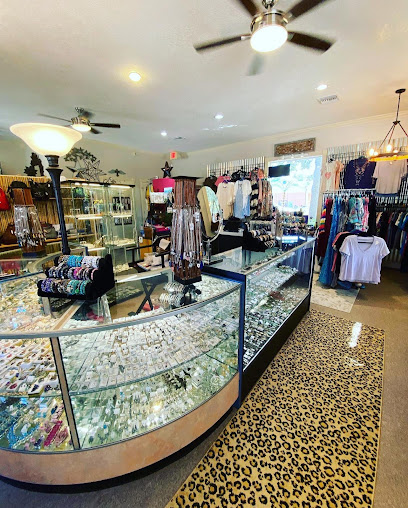
Addicted2Stuff
4.4 km
Discover unique jewelry and fashionable clothing at Addicted2Stuff, a charming boutique in Sebastian, Florida, perfect for souvenir shopping.
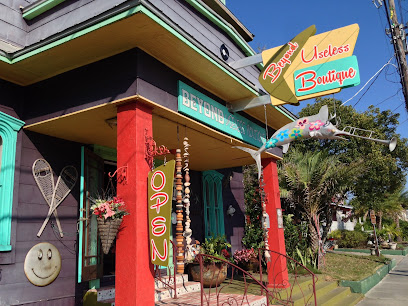
Beyond Useless Boutique
4.4 km
Explore Beyond Useless Boutique: A treasure trove of quirky gifts and unique souvenirs in Sebastian, Florida, making shopping a delightful adventure.
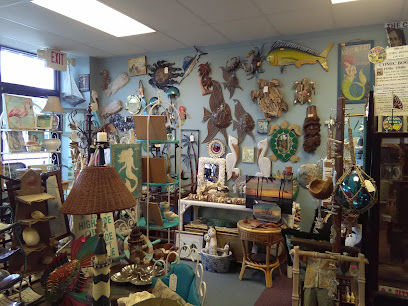
Buried Treasures Antiques
5.6 km
Explore a world of vintage treasures at Buried Treasures Antiques in Sebastian, Florida, where every item tells a story and awaits your discovery.
The Shoppes of Sebastian
9.3 km
Explore The Shoppes of Sebastian, a delightful shopping mall in Florida featuring a variety of stores, dining, and community events for all ages.
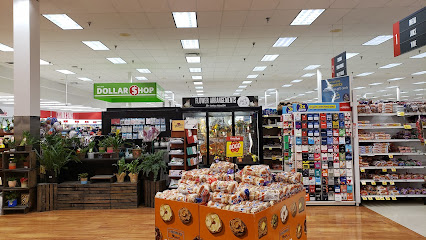
Indrio Crossings Shopping Center
31.4 km
Discover Indrio Crossings Shopping Center in Fort Pierce, Florida, where diverse shopping, dining, and entertainment meet in a vibrant atmosphere.
The Unique Antique Shop
32.7 km
Uncover timeless treasures and unique finds at The Unique Antique Shop in Fort Pierce, Florida, where history comes alive through antiques.
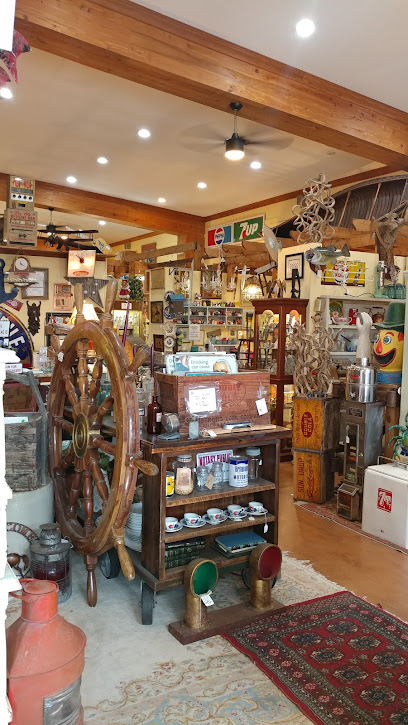
Bruno Chocolate Creations
36.7 km
Discover the sweet taste of handmade chocolates and candies at Bruno Chocolate Creations in Fort Pierce, Florida, a must-visit for every chocolate lover.
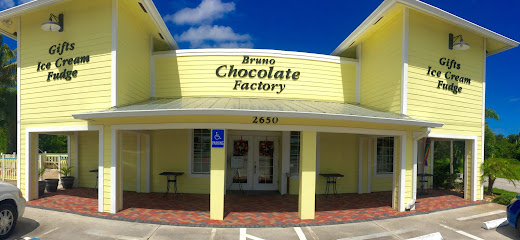
Fort Pierce Surf & Skate
38.2 km
Explore the ultimate surf and skate experience at Fort Pierce Surf & Skate, your one-stop-shop for all things coastal in Florida.
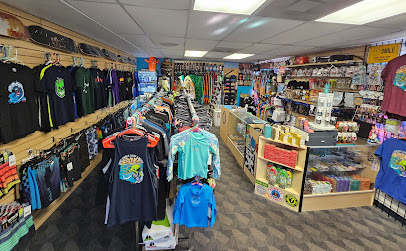
Spunkys Surf Shop
39.2 km
Discover the ultimate surfing experience at Spunky's Surf Shop, your go-to destination for surfboards, beachwear, and water sports rentals in Fort Pierce, Florida.
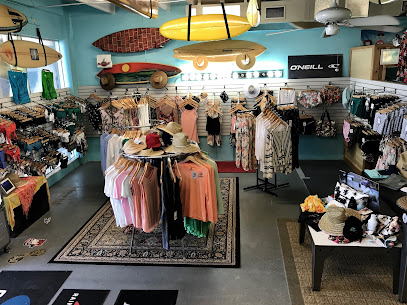
Cream Republic
39.7 km
Discover Cream Republic in Fort Pierce: a delightful ice cream and coffee shop offering a vast array of flavors in a cozy, inviting atmosphere.
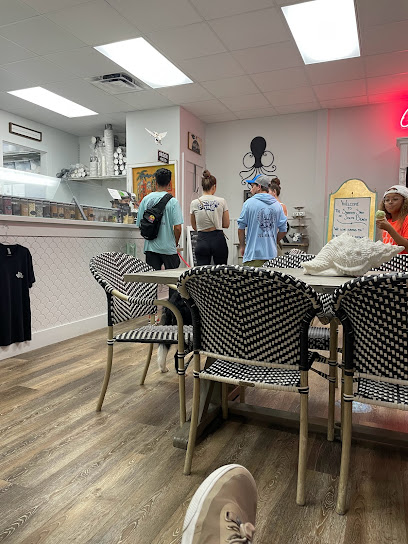
Paradise Emporium
39.7 km
Explore the charm of Fort Pierce at Paradise Emporium, a unique gift shop filled with local art, handmade crafts, and unforgettable treasures.
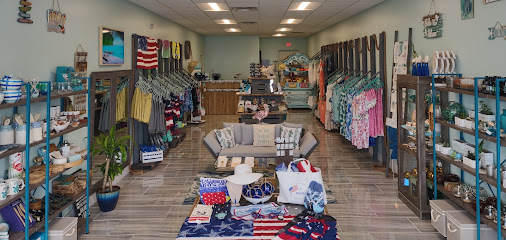
Faith United Divine Community Store
40.3 km
Explore Fort Pierce's Faith United Divine Community Store for a treasure trove of second-hand finds that support local initiatives.
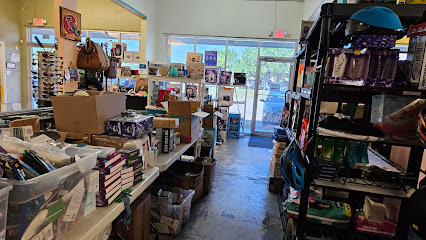
Manatee Gifts Galore
40.4 km
Explore the whimsical world of Manatee Gifts Galore, a novelty store filled with unique souvenirs and local crafts in Fort Pierce, Florida.
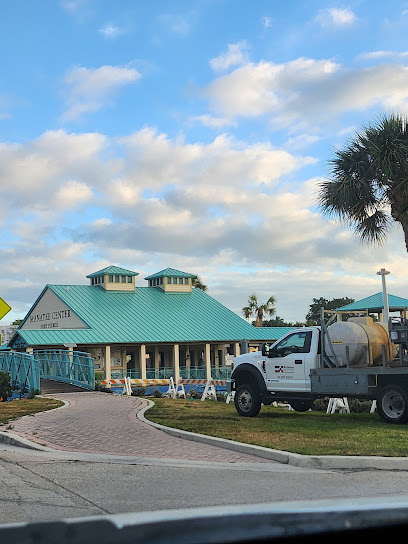
LyLyJustLyLy, LLC
40.7 km
Explore LyLyJustLyLy, LLC in Fort Pierce, a charming gift shop and boutique featuring unique treasures and local artistry for every traveler.
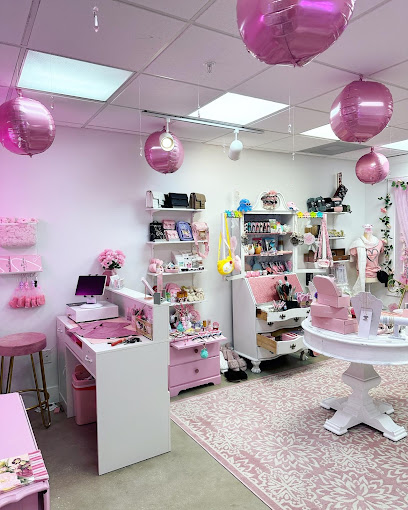
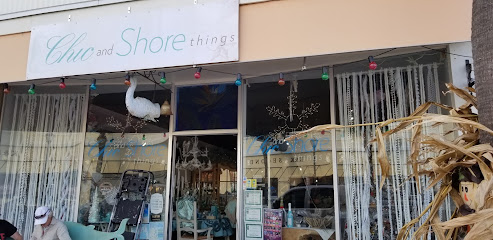
Chic and Shore Things
40.7 km
Explore Chic and Shore Things in Fort Pierce, Florida, your ultimate destination for unique gifts and charming home decor.
Essential bars & hidden hideouts

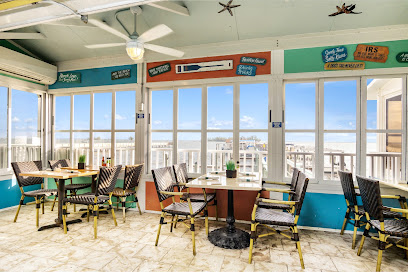
Mulligan's Beach House
3.8 km
Experience the flavors of American cuisine and fresh seafood at Mulligan's Beach House, a family-friendly restaurant with stunning river views in Sebastian, Florida.
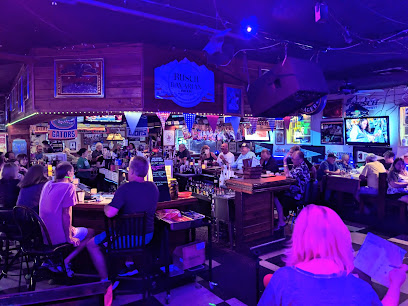
No Name Sports Bar Night Club Smoke Shop
3.9 km
Discover the perfect blend of delicious food, refreshing drinks, and vibrant nightlife at No Name Sports Bar Night Club in Sebastian, Florida.
Portside Pub & Grille
4.0 km
Discover the flavors of Sebastian at Portside Pub & Grille, where fresh seafood and grilled favorites meet stunning waterfront views.
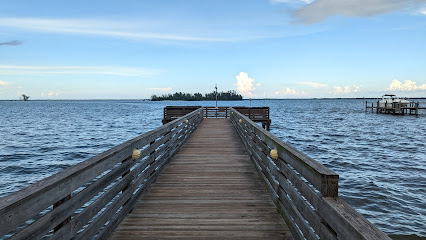
Mash Monkeys Brewing Company
4.1 km
Discover the vibrant craft beer scene at Mash Monkeys Brewing Company, a must-visit brewery in Sebastian, Florida, offering unique brews and a lively atmosphere.
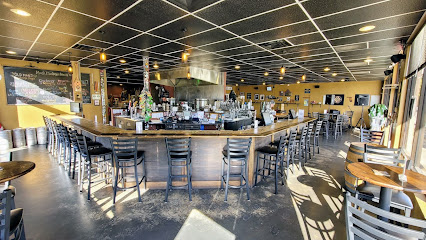
The Pelican Pub
4.5 km
Discover The Pelican Pub in Sebastian, FL – a cozy coastal pub offering delicious food, refreshing drinks, and a vibrant atmosphere perfect for relaxation.
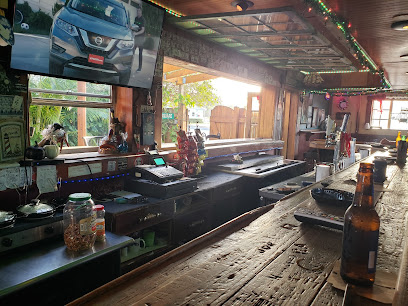
Earl's Hideaway Lounge
4.6 km
Experience the vibrant atmosphere of Earl's Hideaway Lounge, a riverside bar in Sebastian, Florida, perfect for drinks, food, and live music.
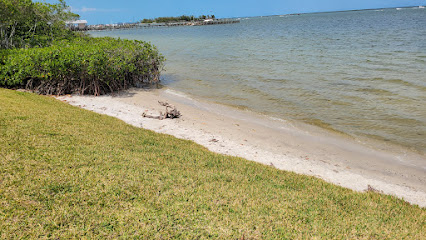
Captain Hirams Sandbar
4.9 km
Experience the vibrant atmosphere of Captain Hirams Sandbar in Sebastian, Florida, where delicious food meets stunning waterfront views.
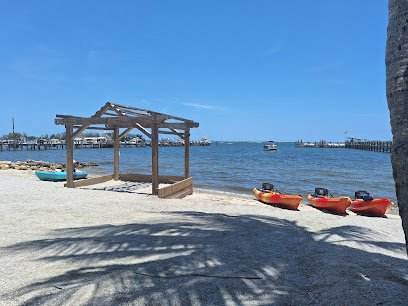
Sandbar Beach Club
5.0 km
Discover the perfect blend of fresh seafood, cocktails, and stunning riverfront views at Sandbar Beach Club in Sebastian, Florida.
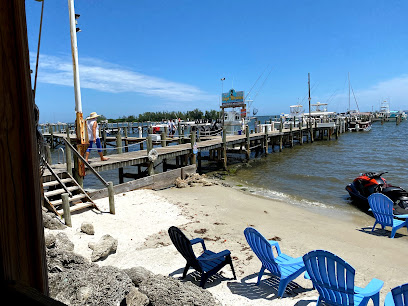
Rack'M
7.2 km
Discover Rack'M: A lively bar in Sebastian, Florida, offering a vibrant atmosphere, friendly service, and an impressive drink selection.
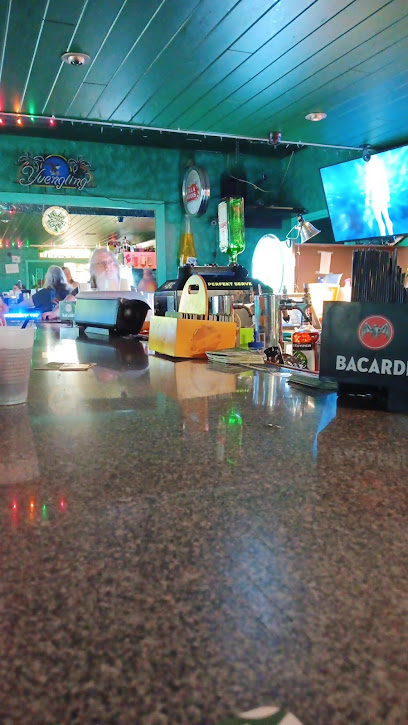
Zoo Bar
7.5 km
Discover the vibrant flavors of Zoo Bar in Sebastian, Florida — a grill that offers delicious meals, local brews, and a warm, welcoming atmosphere.
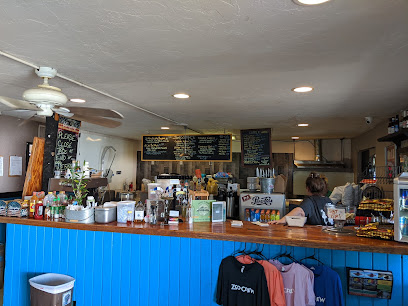
Rosie's Bottoms Up
10.7 km
Discover the vibrant charm of Rosie's Bottoms Up, a lively bar in Sebastian, Florida, perfect for drinks, entertainment, and local flavor.
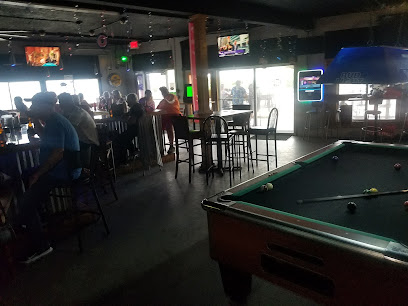
St Lucie Inn
38.2 km
Experience the vibrant nightlife at St Lucie Inn, Fort Pierce's premier cocktail bar, offering unique drinks and a lively atmosphere for all.
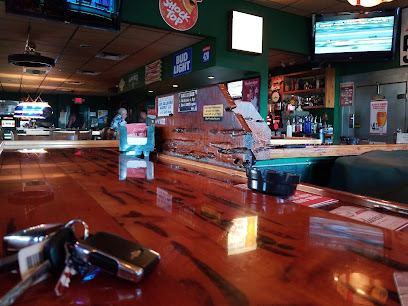
Square Grouper Tiki Bar Ft Pierce Inlet
39.4 km
Discover the lively ambiance of Square Grouper Tiki Bar, where refreshing cocktails and stunning waterfront views create the perfect escape on your Florida adventure.
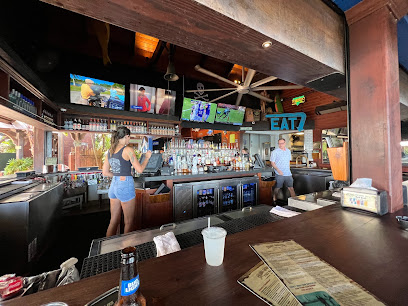
Jetty Lounge
39.5 km
Experience the vibrant coastal atmosphere of Jetty Lounge in Fort Pierce, where refreshing drinks and stunning ocean views come together for an unforgettable outing.
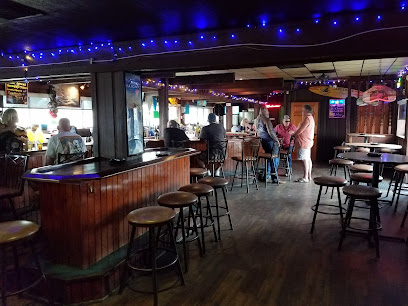
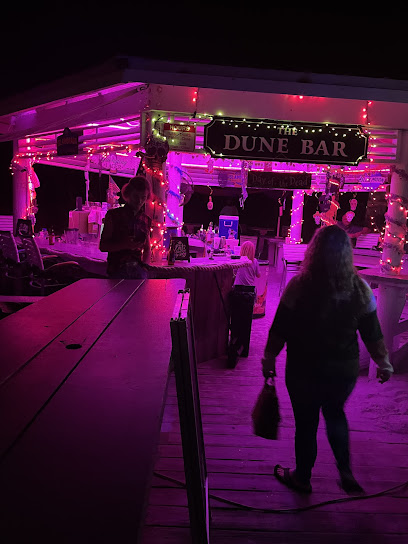
The Dune Bar
39.5 km
Experience the vibrant atmosphere and stunning ocean views at The Dune Bar in Fort Pierce, your perfect coastal retreat.
Nightclubs & after hour spots

Sebastian Yacht Club
3.9 km
Experience the beauty and adventure of the Sebastian Yacht Club, a premier marina offering stunning views and exciting water activities on Florida's Indian River.
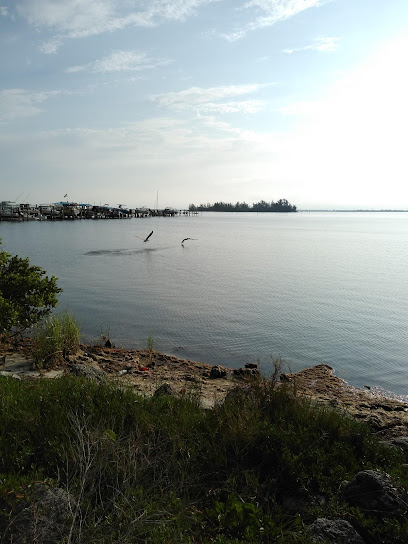
Boys & Girls Clubs of Indian River County - Sebastian
5.1 km
Discover the Boys & Girls Clubs of Indian River County - Sebastian: A nurturing environment for youth development and community engagement.
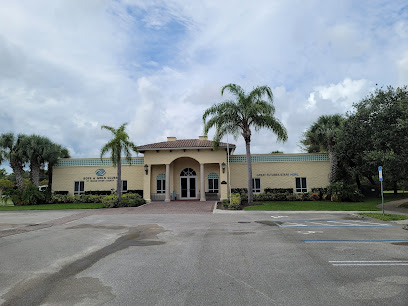
Bare Assets Melbourne
40.2 km
Experience the vibrant nightlife of Bare Assets Melbourne, where captivating performances and a lively atmosphere await you in Florida's premier adult entertainment club.
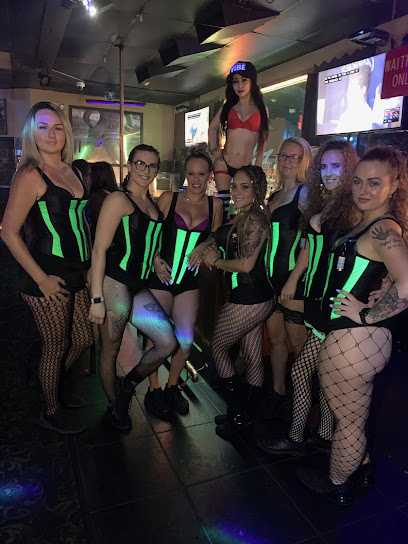
Zar’s Cigars
40.9 km
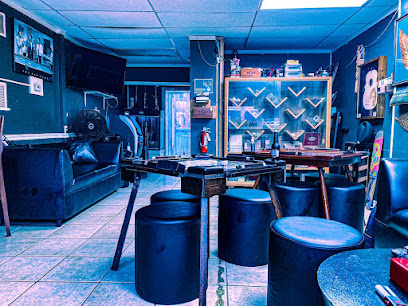
Discover the ultimate lounge experience at Zar's Cigars in Fort Pierce, Florida, where premium cigars and live music create an unforgettable atmosphere.
Dos Amigos Sport Bar
45.2 km
Discover the lively spirit of Fort Pierce at Dos Amigos Sport Bar, where music, dance, and great drinks come together for an unforgettable experience.
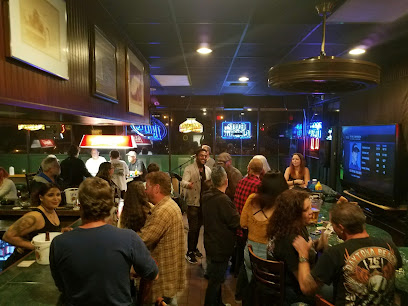
Charlie's 2 Pub & Grill
45.4 km
Experience the vibrant flavors of Fort Pierce at Charlie's 2 Pub & Grill, where delicious food and refreshing drinks await.
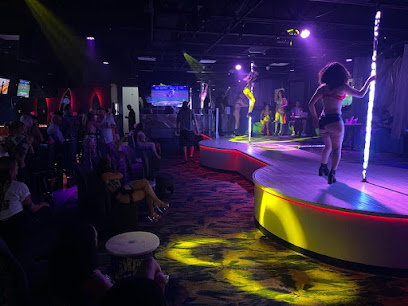
Dancers Royale Cocoa Beach
60.2 km
Discover the electrifying nightlife at Dancers Royale in Cocoa Beach, where entertainment, cocktails, and unforgettable experiences await.
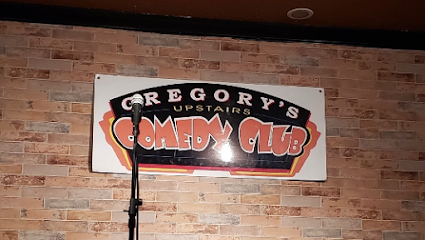
Gregory's Upstairs Comedy Club
61.4 km
Experience the laughter and joy at Gregory's Upstairs Comedy Club, Cocoa Beach's top destination for unforgettable comedy performances.
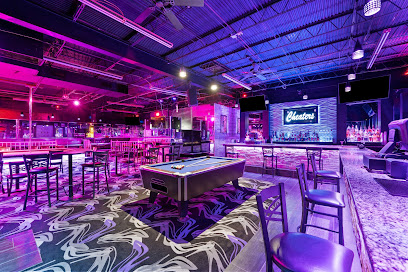
Cheaters Cabaret
65.1 km
Discover the ultimate nightlife experience at Cheaters Cabaret, Cocoa Beach's premier adult entertainment club offering vibrant performances and a lively atmosphere.
Lido Cabaret
66.0 km
Discover the ultimate nightlife experience at Lido Cabaret, Cocoa Beach's vibrant night club offering thrilling performances and a lively atmosphere.
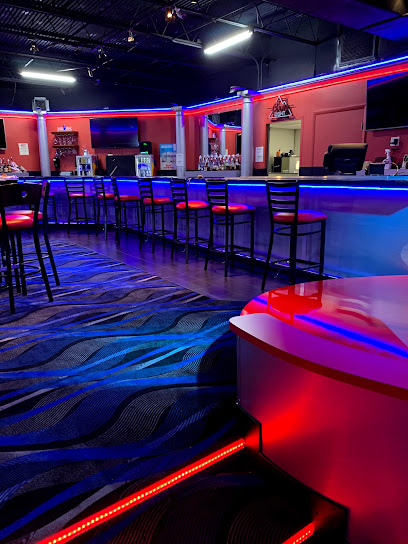
Sensations Cabaret
67.4 km
Experience the electrifying nightlife at Sensations Cabaret, Stuart's premier adult entertainment club with a vibrant bar scene.
Club 3X
68.2 km
Experience the vibrant nightlife of Cocoa Village at Club 3X, where music, dancing, and fun come together for an unforgettable evening.
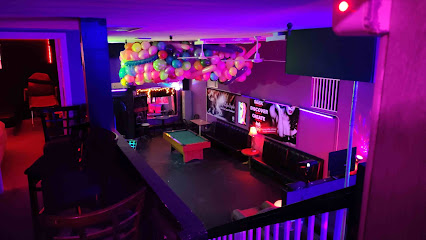
Club Nightlife LLC Smoke and Vape
68.2 km
Discover the ultimate smoke shop and lounge experience at Club Nightlife LLC in Cocoa Village, where relaxation meets vibrant nightlife.
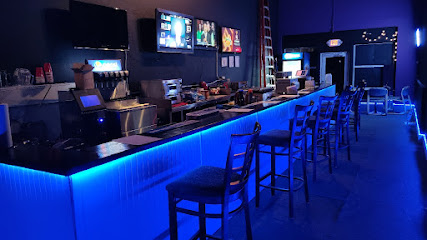
Lush Lounge
69.3 km
Discover the vibrant nightlife of Stuart, Florida at Lush Lounge, your go-to destination for cocktails, karaoke, and unforgettable fun.
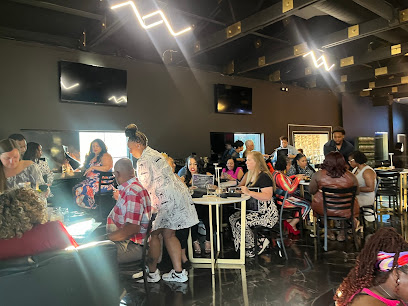
Sneaki Tiki
69.4 km
Experience the vibrant flavors and lively atmosphere at Sneaki Tiki, Stuart's hidden gem for tropical dining and entertainment.