Unité d'Habitation: Le Corbusier's Vision
Explore Le Corbusier's revolutionary 'vertical city' in Marseille: a Brutalist masterpiece with apartments, shops, a hotel, and a rooftop terrace offering panoramic views.
The Unité d'Habitation in Marseille, also known as Cité Radieuse (Radiant City), is a groundbreaking residential housing project designed by the Swiss-French architect Le Corbusier. Built between 1947 and 1952, it embodies Le Corbusier's vision of modern communal living, a 'vertical city' designed to provide residents with all the necessities of life within a single building. This Brutalist masterpiece features 337 apartments of various configurations, interior shopping streets, a hotel, educational facilities, and a rooftop terrace with panoramic views. More than just a building, it's a living experiment in urban planning and architectural innovation, influencing generations of architects and urban planners. A visit offers a unique glimpse into Le Corbusier's utopian ideals and the realities of post-war reconstruction.
A brief summary to Unité d'Habitation
- 280 Bd Michelet, Marseille, 13008, FR
- Visit website
- Monday 9 am-6 pm
- Tuesday 9 am-6 pm
- Wednesday 9 am-6 pm
- Thursday 9 am-6 pm
- Friday 9 am-6 pm
- Saturday 9 am-6 pm
- Sunday 9 am-6 pm
Local tips
- Book a guided tour in advance through the Marseille Tourist Office to access a model apartment and learn about the building's history and architectural significance.
- Take the elevator to the rooftop terrace for stunning panoramic views of Marseille and the Mediterranean Sea; it's an ideal spot for photos.
- Explore the interior shopping streets on the 3rd and 4th floors for unique souvenirs, architectural books, and local crafts.
- Visit the MAMO (Marseille Modulor) art center on the rooftop, showcasing contemporary art exhibitions in a unique architectural setting.
- Consider staying at the Hotel Le Corbusier within the building for an immersive experience of living in a modernist icon.

Getting There
-
Public Transport
From Gare de Marseille-Saint-Charles, take Metro Line 2 towards Sainte-Marguerite Dromel. Get off at Rond-Point du Prado station. From there, take bus line 22 or 22S towards Le Redon and get off at the Unite d'Habitation stop, which is directly in front of the building. A single metro/bus fare is around €1.80.
-
Taxi/Ride-Share
A taxi or ride-share from Gare de Marseille-Saint-Charles to Unité d'Habitation typically costs between €15-€25, depending on traffic and time of day. The journey takes approximately 15-20 minutes. Be sure to specify 'Unité d'Habitation Le Corbusier' to the driver.
-
Driving
Driving to Unité d'Habitation is possible, but parking can be challenging. Limited street parking is available around the building. There are some paid parking options nearby, with hourly rates around €2-€3 and daily rates around €15-€20. Consider using a parking app to find and reserve a spot in advance. Residential parking is also available in the yard of the building.
Discover more about Unité d'Habitation
Iconic landmarks you can’t miss

Obélisque de Mazargues
1.3 km
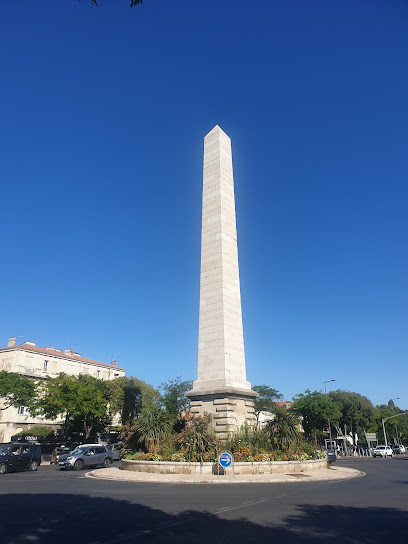
Discover the Obélisque de Mazargues, a historical monument in Marseille that encapsulates the city's rich heritage and stunning architectural beauty.
Plage de l'Huveaune
1.8 km
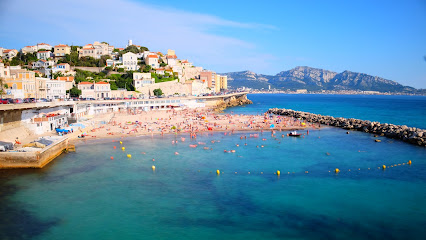
Discover the serene escape of Plage de l'Huveaune, a stunning beach in Marseille perfect for sunbathing, swimming, and enjoying Mediterranean sunsets.
TantraHome Marseille
1.8 km
Discover the ultimate relaxation at TantraHome Marseille, your go-to massage spa for rejuvenating treatments in the heart of the city.
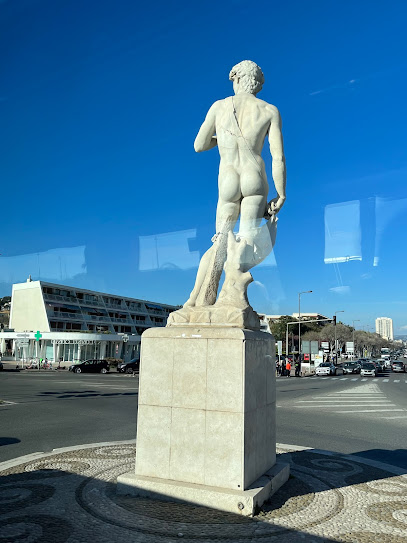
Plage de la Vieille Chapelle
2.2 km
Experience the beauty of Plage de la Vieille Chapelle, a stunning beach in Marseille perfect for sunbathing, swimming, and enjoying local cuisine.
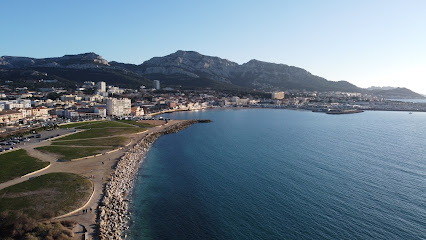
Basilique du Sacre-Cœur-de-Jesus
2.4 km
Explore the stunning Basilique du Sacré-Cœur-de-Jésus in Marseille, a blend of architectural beauty and spiritual significance with breathtaking views.
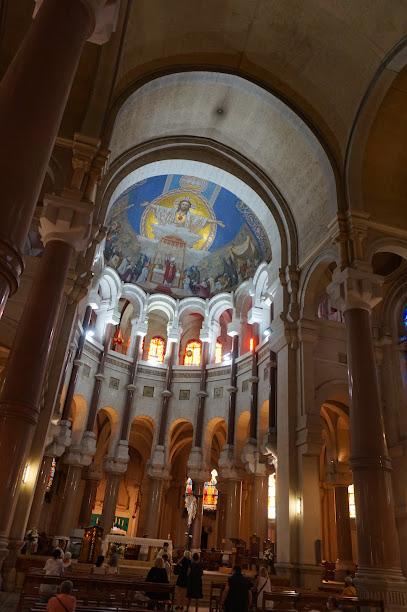
Marseille Original
2.5 km
Explore the vibrant city of Marseille with Marseille Original, your gateway to unforgettable sightseeing adventures and rich cultural experiences.
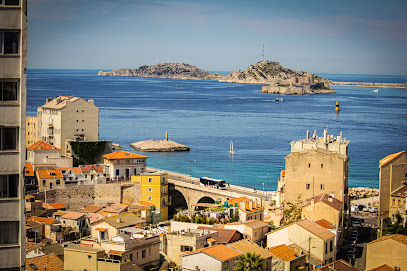
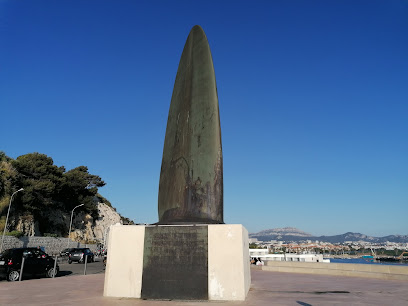
Mémorial des Rapatriés d'Algérie
2.6 km
Discover the Memorial des Rapatriés d'Algérie in Marseille, where history, reflection, and stunning coastal views unite.
Place Castellane
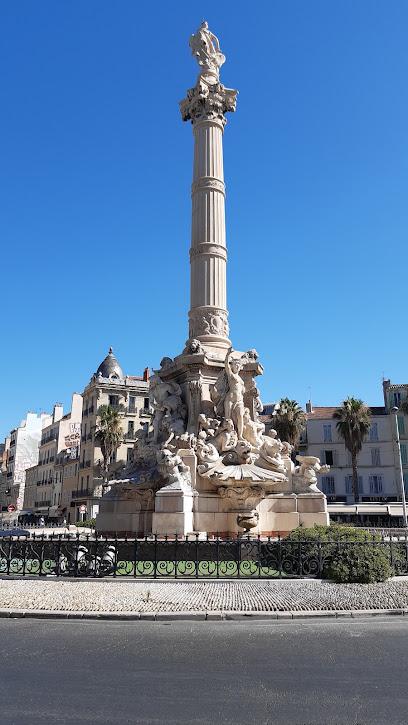
2.9 km
Experience the vibrant energy of Place Castellane, a central town square in Marseille filled with cafes, shops, and cultural charm.

Pl. Castellane
2.9 km
Explore the vibrant Pl. Castellane, a bustling square in Marseille, where culture, charm, and local cuisine come together in a perfect blend.
Bleu Evasion - Visite des calanques en bateau avec skipper
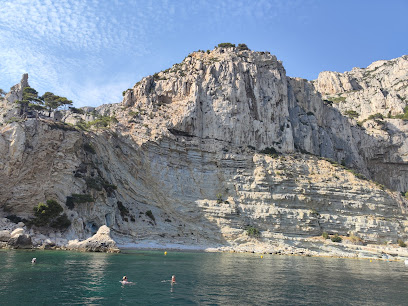
3.3 km
Experience the breathtaking beauty of the Calanques in Marseille with Bleu Evasion's exceptional boat tours, perfect for a memorable adventure on the Mediterranean.
Monument commémoratif au roi Alexandre Ier de Yougoslavie et à Louis Barthou
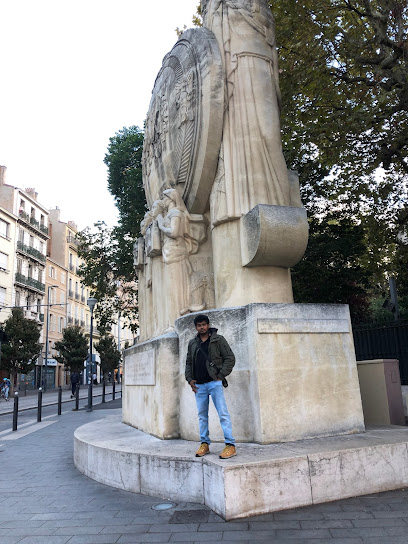
3.5 km
Explore the historical significance of the Monument commémoratif au roi Alexandre Ier de Yougoslavie et à Louis Barthou, a stunning tribute in the heart of Marseille.
La corniche
3.5 km
Discover the scenic beauty and cultural charm of La Corniche, a stunning coastal promenade in Marseille, perfect for leisure and exploration.
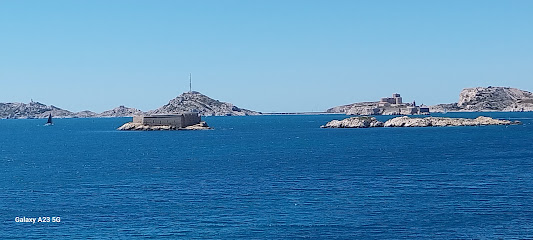
American World War II tank
3.5 km
Discover the American World War II Tank in Marseille, a significant historical landmark symbolizing courage and the sacrifices of past heroes.
Marsiglia
3.7 km
Explore the historic allure of Marsiglia, a captivating landmark in Marseille, where history and culture blend seamlessly.
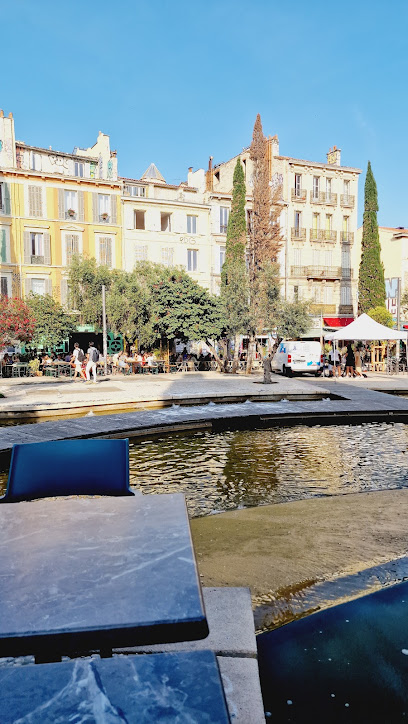
Fontaine du Cours Julien
3.7 km
Discover the vibrant charm of Fontaine du Cours Julien in Marseille, a cultural oasis featuring stunning art, lively cafés, and an enchanting fountain.
Unmissable attractions to see

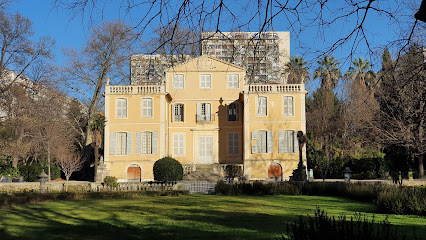
Magalone Garden
0.2 km
Explore Magalone Garden: a serene park in Marseille featuring vibrant flora, peaceful pathways, and perfect spots for relaxation and family fun.
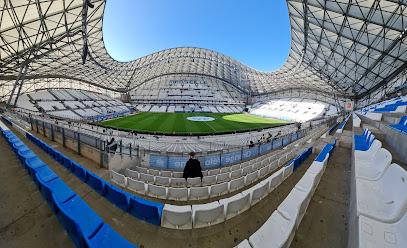
Orange Vélodrome
0.9 km
Experience the electric atmosphere of Marseille's iconic stadium, home to Olympique de Marseille, and a venue for world-class football, concerts, and unforgettable events.
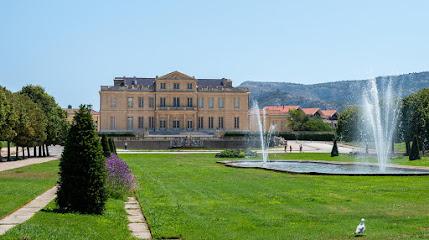
Parc Borély
1.2 km
Discover Marseille's enchanting Parc Borély: a blend of history, nature, and culture offering diverse gardens, a historic château, and family-friendly activities for an unforgettable Provençal experience.
Château Borély - Musée des arts décoratifs, de la faïence et de la mode de la Ville de Marseille
1.3 km
Discover Marseille's opulent past at Château Borély, a stunning 18th-century estate showcasing decorative arts, ceramics, and fashion within the beautiful Parc Borély.
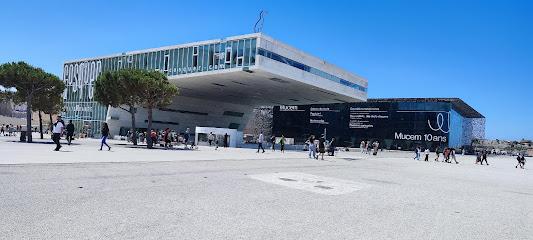
Palais de la Méditerranée
1.3 km
Marseille Chanot: A historic venue in Marseille hosting international trade shows, conferences, and cultural events, contributing to the city's economic and cultural vibrancy.
Pouce Cesar
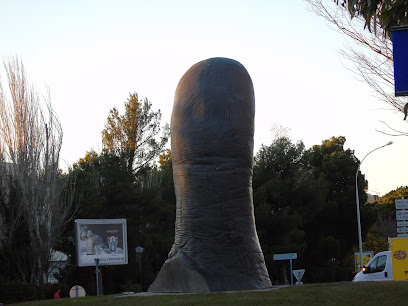
1.4 km
Discover the vibrant culture and history at Pouce Cesar, a charming tourist attraction in the heart of Marseille, France.
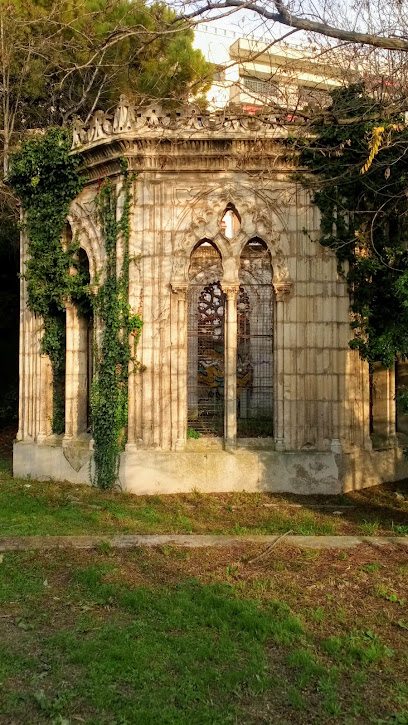
Parc de la Valbelle
1.7 km
Discover a hidden gem in Marseille: Parc de la Valbelle, a tranquil escape offering lush greenery, historical intrigue, and a peaceful retreat from the city's vibrant energy.
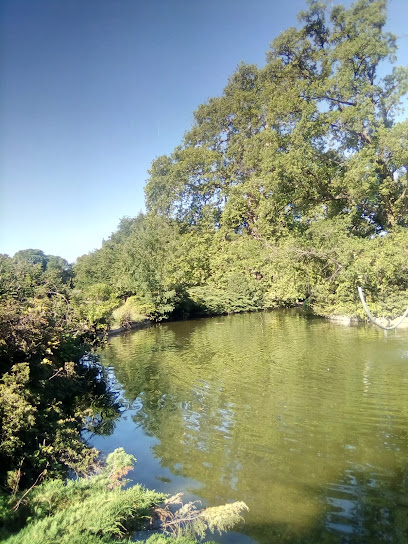
Parc de la Maison Blanche
1.7 km
Experience the beauty and serenity of Parc de la Maison Blanche in Marseille, a perfect destination for relaxation and outdoor activities amidst lush greenery.
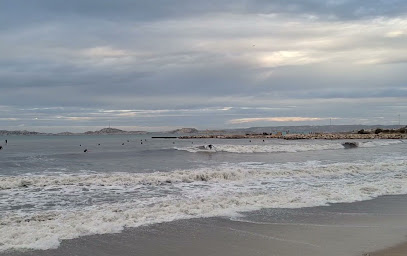
Plage borely
1.7 km
Experience the vibrant energy of Marseille at Plage Borély, a dynamic beach offering sun, sand, sports, and stunning Mediterranean views for an unforgettable coastal escape.
Escale BORELY
1.9 km
Discover Escale BORELY, a scenic recreation center in Marseille, perfect for relaxation, leisure activities, and enjoying beautiful nature.
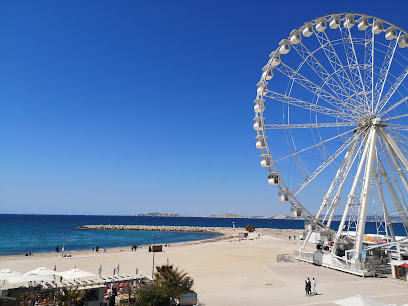
Parc Balnéaire du Prado
2.0 km
Experience the beauty and vibrancy of Parc Balnéaire du Prado, a coastal park in Marseille perfect for relaxation, recreation, and cultural experiences.
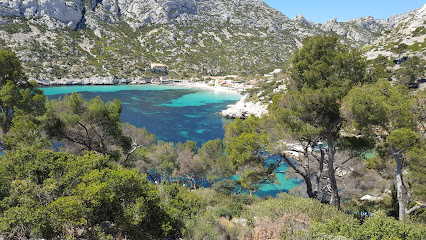
Plages du Prado
2.0 km
Experience the vibrant coastal life of Marseille at Plages du Prado, offering sun, sand, sports, and stunning Mediterranean views for an unforgettable beach getaway.
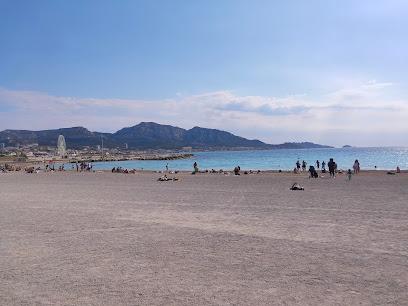
Pyramide du Roy d'Espagne
2.5 km
Discover the enigmatic Pyramide du Roy d'Espagne in Marseille: a unique 19th-century replica offering a glimpse into Egyptology's allure amidst the vibrant Provençal landscape.
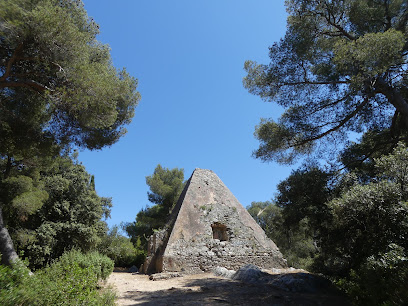
Plage de la Pointé Rouge
2.8 km
Discover Marseille's largest sandy beach: Plage de la Pointe Rouge, a family-friendly haven with stunning views, vibrant atmosphere, and easy access to water sports and local dining.
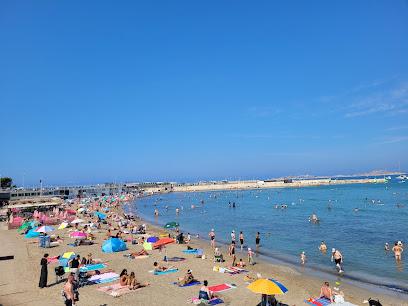
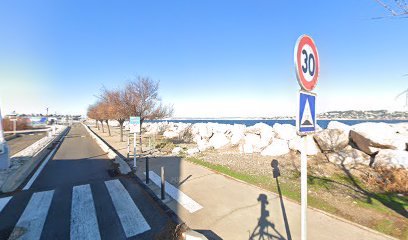
Digue est du Port de la Pointe rouge
3.0 km
Explore the scenic Digue est du Port de la Pointe Rouge in Marseille, where stunning views meet vibrant local culture and delicious cuisine.
Essential places to dine

Le Ventre de l'Architecte
0.0 km
Experience fine dining at Le Ventre de l'Architecte in Marseille - where exquisite French cuisine meets stunning architecture.
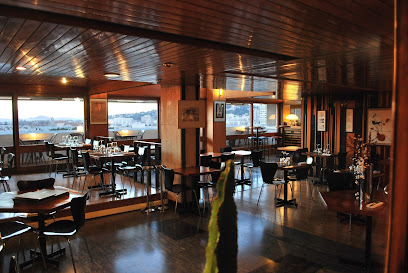
Le Drip's Bar & Restaurant
1.6 km
Indulge in authentic French cuisine at Le Drip's Bar & Restaurant in Marseille, where exquisite flavors meet elegant ambiance.
RESTAURANT LE JARDIN MAZARGUES
1.8 km
Experience authentic Mediterranean cuisine at Le Jardin Mazargues, a hidden gem in Marseille's picturesque village.
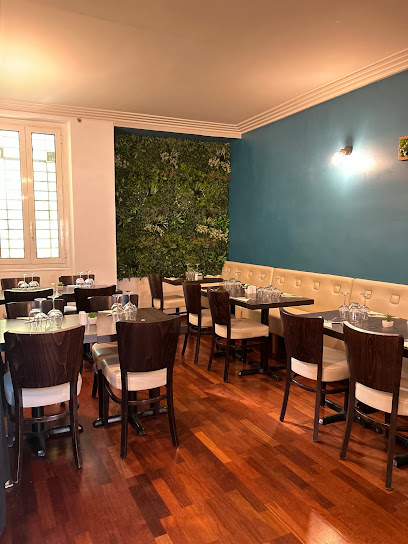
Question de Goût
2.2 km
Discover the exquisite flavors of French cuisine at Question de Goût in Marseille—where brunch meets fine dining in an elegant atmosphere.
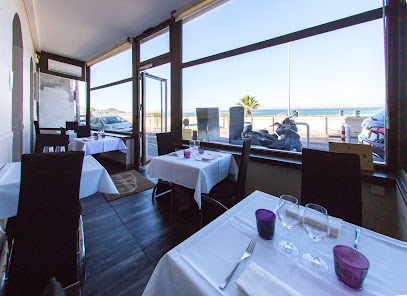
Le Calanquais
2.3 km
Experience authentic French cuisine with stunning Mediterranean views at Le Calanquais in Marseille.
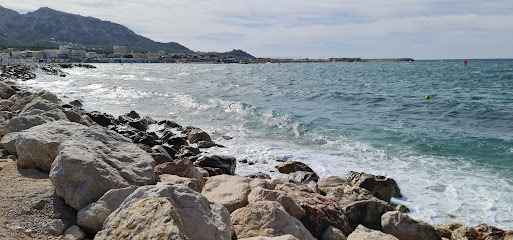
La Table du Chef - Restaurant Marseille
2.3 km
Discover La Table du Chef: A premier French and Mediterranean dining experience in Marseille offering fresh ingredients and exquisite flavors.
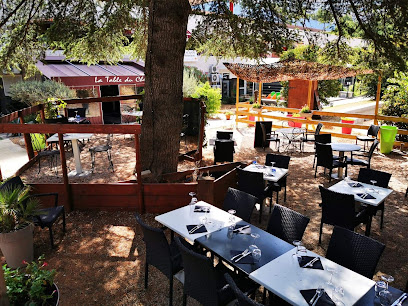
Le Lagon Bleu
2.7 km
Experience authentic French cuisine and delightful pizzas at Le Lagon Bleu in Marseille – a must-visit culinary destination!
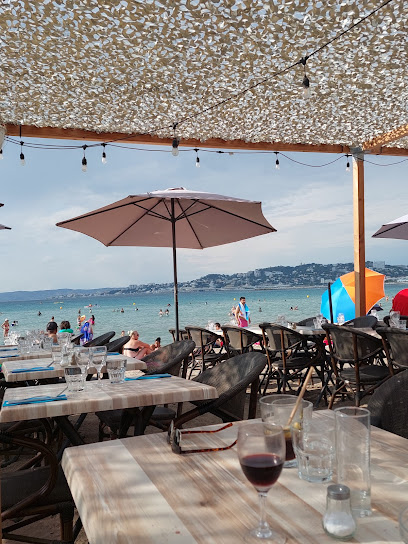
Maison Bohème - Restaurant Marseille 6
2.8 km
Discover the essence of Mediterranean dining at Maison Bohème in Marseille – where organic ingredients meet vibrant flavors in a charming setting.
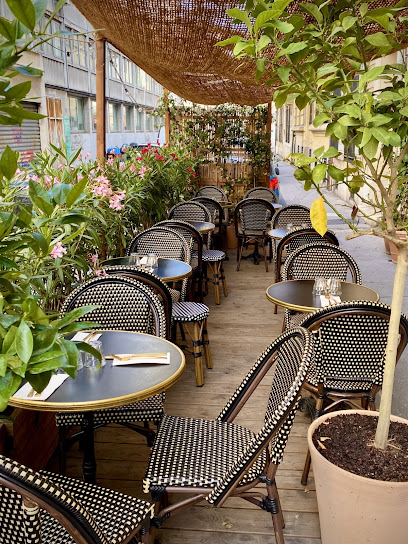
P.Kitchen restaurant bord de mer terrasse pointe rouge
2.8 km
Discover P.Kitchen in Marseille: A stunning seaside restaurant offering exquisite Thai-French fusion cuisine amidst breathtaking Mediterranean views.
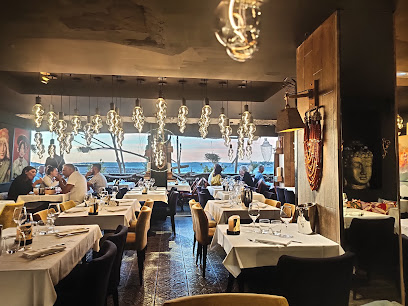
O-beach Bar a Tapas
2.8 km
Discover O-beach Bar a Tapas: where Mediterranean delights meet breathtaking coastal views in vibrant Marseille.
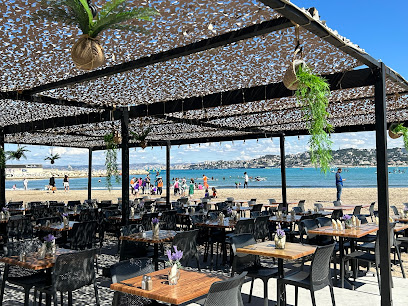
LA TERRASSE DES EMBRUNS RESTAURANT PIZZERIA
2.9 km
Experience authentic Italian flavors at La Terrasse des Embruns in Marseille - where pizza meets Mediterranean charm.
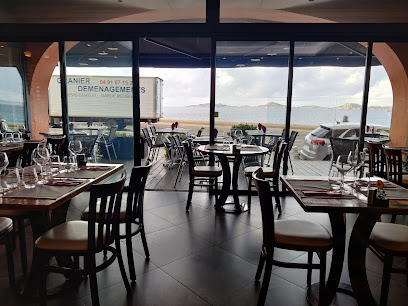
Le Yachting
3.0 km
Experience exquisite French cuisine with breathtaking views at Le Yachting in Marseille's scenic Port de la Pointe Rouge.
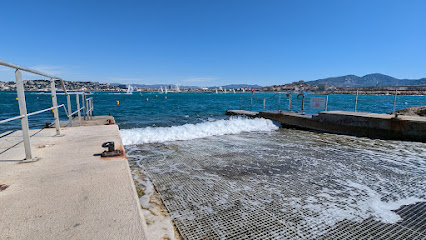
Restaurant Saisons
3.0 km
Experience exquisite French and Mediterranean cuisine at Restaurant Saisons in Marseille – where every dish tells a story.
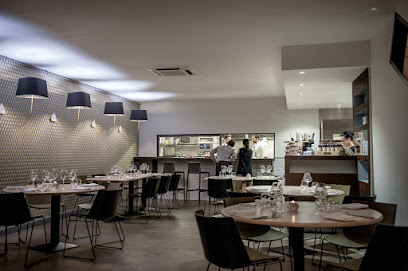
Chez Marco
3.1 km
Discover the flavors of Italy at Chez Marco in Marseille – where authentic Mediterranean cuisine meets warm hospitality.
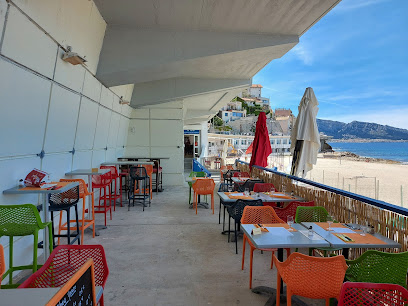
Brasserie Des Calanques
3.2 km
Experience authentic French cuisine at Brasserie Des Calanques amidst stunning coastal views in Marseille.
Markets, malls and hidden boutiques

Gris Perle
0.3 km
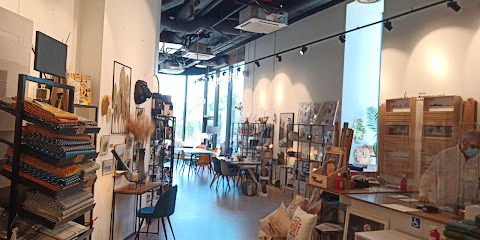
Explore Gris Perle in Marseille for a unique selection of home goods that embody the charm and elegance of French decor.
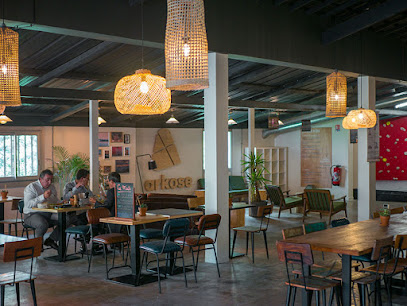
Arkose Prado
0.7 km
Experience the thrill of rock climbing and the tranquility of Pilates at Arkose Prado, a unique venue in the heart of Marseille offering adventure and relaxation.
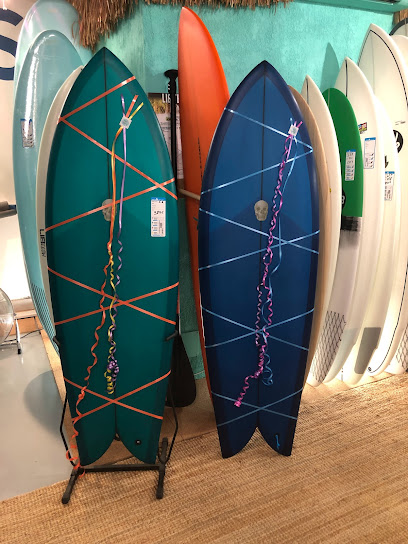
Kulture Marseille
1.1 km
Discover Kulture Marseille, your premier destination for surf, skate, and snowboard gear in the heart of the Mediterranean!
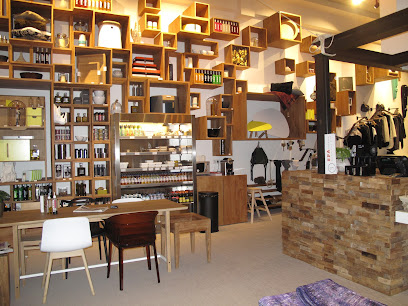
By Mamé
1.3 km
Experience the vibrant culture of Marseille at By Mamé, where fashion meets beauty and culinary delights in a unique shopping experience.
Symboles et Signes | Boutique maçonnique
1.3 km
Uncover the secrets of Freemasonry at Symboles et Signes, Marseille's premier boutique for Masonic literature and symbolic arts.
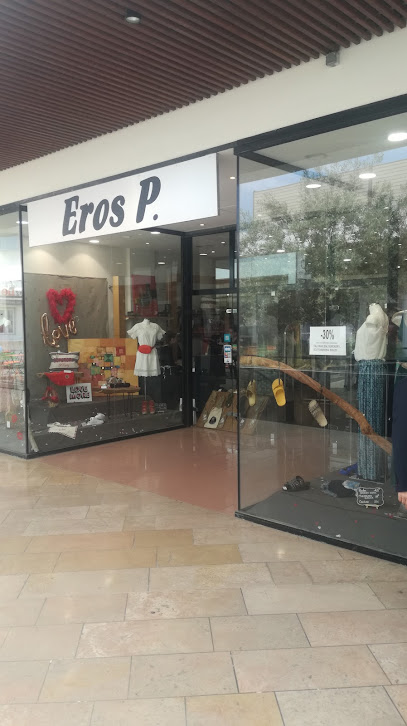
Eros p
1.4 km
Discover unique styles at Eros P, a trendy clothing store capturing the essence of Marseille's vibrant fashion scene.
Black SunSet
1.5 km
Explore creativity and personal expression at Black SunSet, Marseille's premier custom t-shirt store, where your wardrobe meets local artistry.
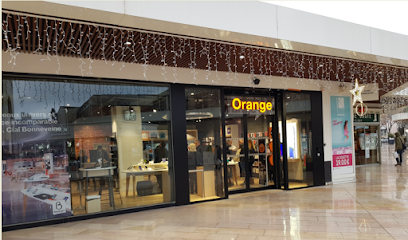
Orange
1.5 km
Discover the ultimate mobile experience in Marseille at Orange, your one-stop shop for devices, repairs, and accessories.
Centre Commercial Bonneveine
1.5 km
Explore the lively Centre Commercial Bonneveine, a premier shopping destination in Marseille offering diverse shops, dining, and entertainment for an unforgettable experience.
PEARLS OF Paline
1.6 km
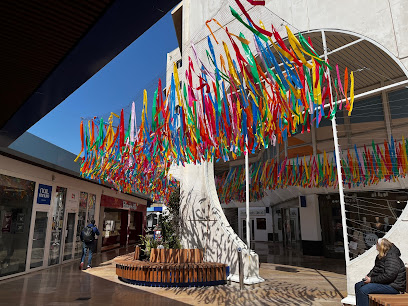
Explore a world of creativity at Pearls of Paline, Marseille's premier bead store offering a rich selection of crafting supplies and artistic inspiration.
Terre de Soleil
1.9 km
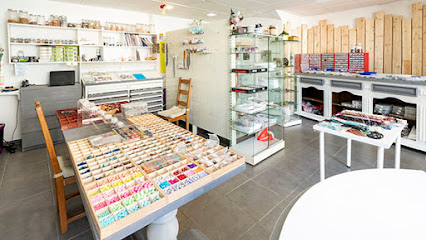
Explore Terre de Soleil in Marseille for unique clothing that captures the vibrant spirit of local fashion and Mediterranean lifestyle.
Prado Beach
2.0 km
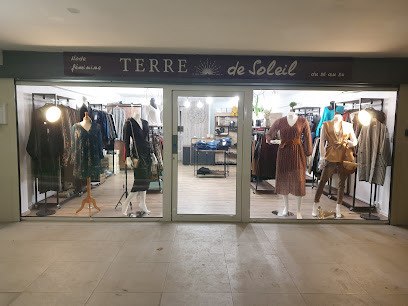
Experience the vibrant atmosphere and stunning beauty of Prado Beach in Marseille, the perfect Mediterranean getaway for sun and fun.
Eva Kayan
2.2 km
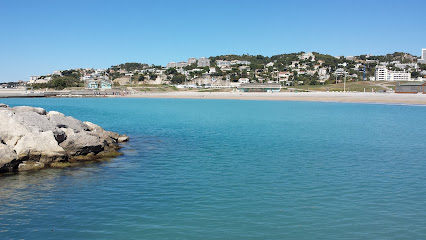
Discover unique fashion at Eva Kayan, a chic clothing store in Marseille offering contemporary styles and personalized shopping experiences.

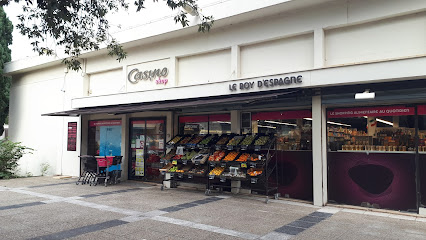
Casino Shop
2.3 km
Explore Marseille's local flavors and essentials at Casino Shop, your go-to convenience store for fresh produce and baked delights.
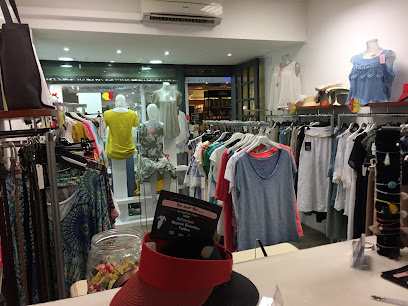
So and So
2.3 km
Explore So and So in Marseille for a unique blend of local and international fashion experiences that elevate your wardrobe.
Essential bars & hidden hideouts

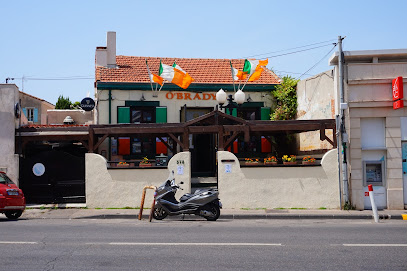
O'BRADY'S IRISH PUB
0.3 km
Discover the lively atmosphere and authentic Irish cuisine at O'Brady's Irish Pub in Marseille, where every visit is a celebration of good food and friendship.
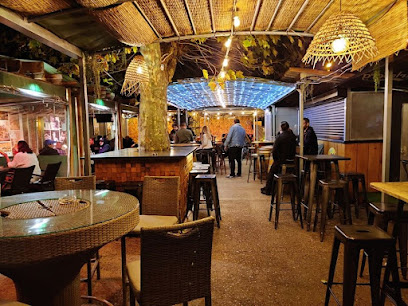
Pub Le Black Stone
0.5 km
Discover the vibrant nightlife of Marseille at Pub Le Black Stone, a hub for live music, karaoke, and delicious pizza.
Bar Le Coquet
1.1 km
Experience the vibrant local culture at Bar Le Coquet, a must-visit bar in the heart of Marseille with a welcoming atmosphere and delightful beverages.
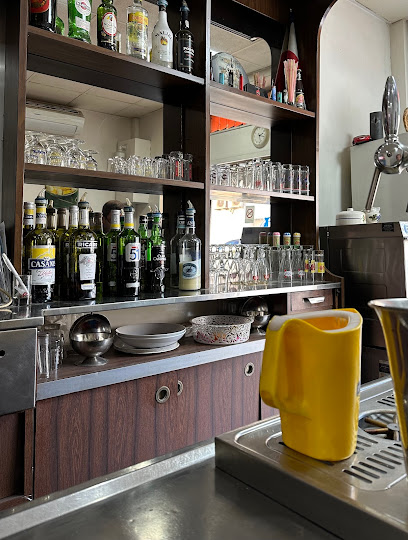
La Rhumerie
1.9 km
Experience the vibrant flavors of the Caribbean at La Rhumerie, a unique cocktail bar and restaurant in the heart of Marseille, serving exquisite rum and French cuisine.
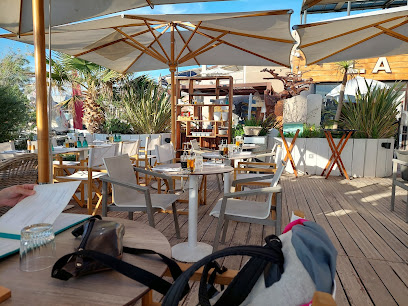
Le New York Bar
2.0 km
Discover the lively Le New York Bar in Marseille, a vibrant spot for cocktails and culture, perfect for tourists seeking unforgettable nightlife experiences.
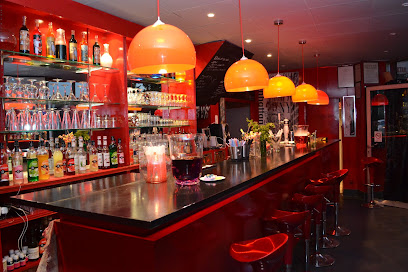
The Red Lion
2.1 km
Discover the vibrant atmosphere of The Red Lion in Marseille, where delicious food, refreshing drinks, and local culture come together in a lively pub setting.
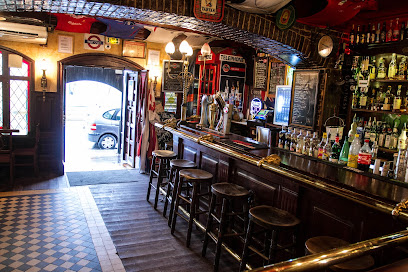
Bar des Amis
2.3 km
Experience the vibrant atmosphere and stunning sea views at Bar des Amis in Marseille, a perfect spot for drinks and relaxation.
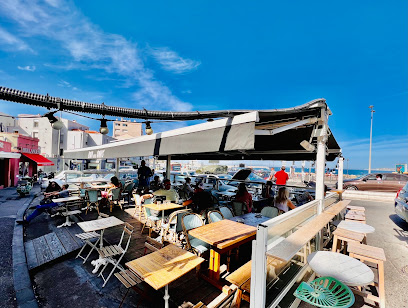
Skybar Marseille
2.3 km
Discover stunning views and exquisite cocktails at Skybar Marseille, the city's top cocktail bar with a breathtaking skyline experience.
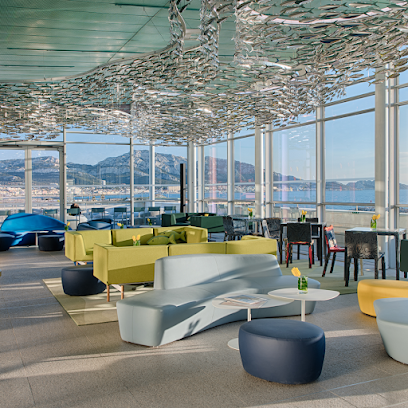
Keg & Can
3.0 km
Experience the vibrant atmosphere and diverse craft beer selection at Keg & Can, Marseille's premier beer hall.
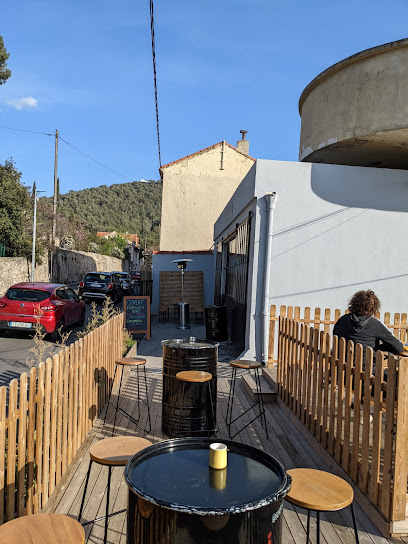
Glam Rock
3.2 km
Experience the vibrant nightlife of Marseille at Glam Rock, where exquisite cocktails and local flavors collide in an unforgettable atmosphere.
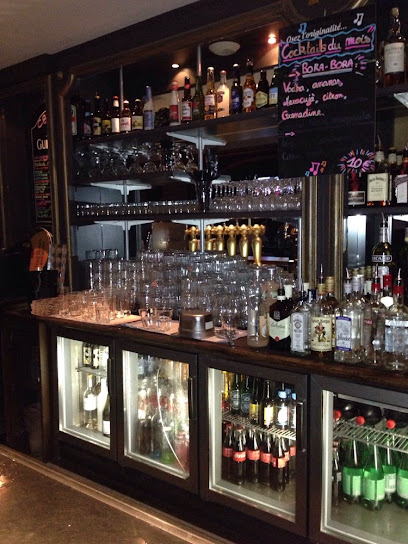
L’îlot de la Corniche
3.4 km
Explore the vibrant culinary scene at L’îlot de la Corniche, a tapas bar in Marseille offering delightful Mediterranean flavors and stunning coastal views.
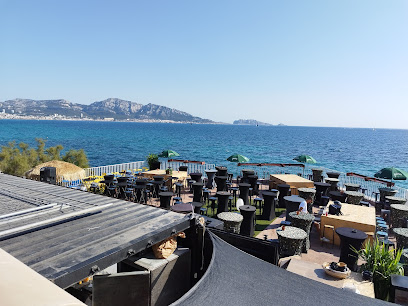
La dame du mont
3.5 km
Experience the vibrant nightlife of Marseille at La Dame du Mont, a lively bar offering a delightful selection of drinks and a welcoming atmosphere for all.
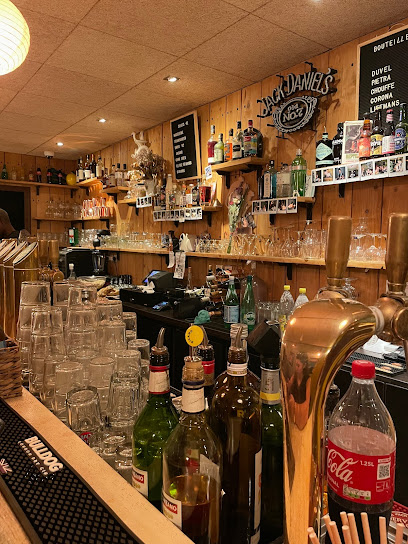
CopperBay Marseille
3.6 km
Discover the lively spirit of Marseille at CopperBay, where innovative cocktails and delicious cuisine await you in a vibrant atmosphere.
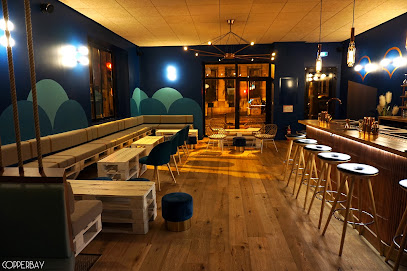
Connolly's Corner
3.6 km
Experience the warmth of Irish hospitality at Connolly's Corner in Marseille, where delicious food and drinks await in a cozy setting.
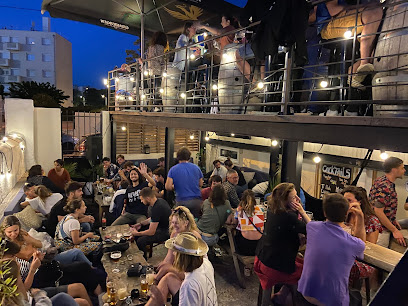
Carry Nation
3.7 km
Discover Carry Nation, Marseille's hidden cocktail bar offering exquisite drinks and an intimate ambiance for a unique night out.
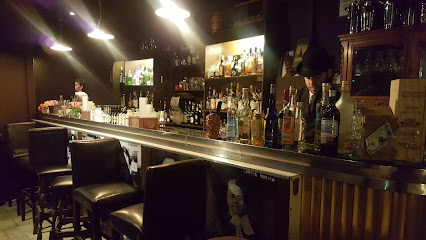
Nightclubs & after hour spots

BAZAR
1.7 km
Discover the heart of Marseille's nightlife at BAZAR, where electrifying beats and vibrant crowds create unforgettable dance experiences.
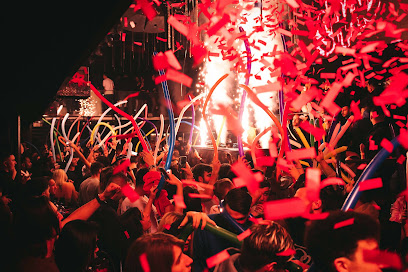
LA PALMERAIE
1.7 km
Discover the electrifying nightlife of La Palmeraie, a premier disco club in Marseille, blending dance, music, and vibrant atmosphere.
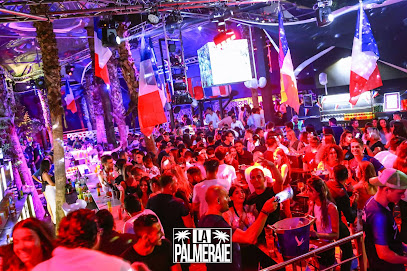
XOXO Club
1.7 km
Unleash your inner dancer at XOXO Club, Marseille's lively disco haven, where unforgettable nights and vibrant beats come together.
L'elysée
1.7 km
Discover the vibrant atmosphere of L'elysée in Marseille, a stylish lounge perfect for relaxation and socializing with friends.
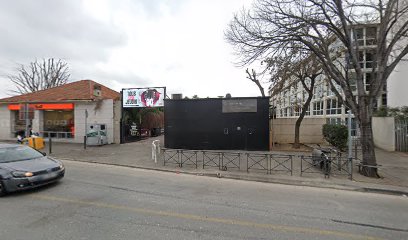
Les Samedis du MamaBeach - Marseille
2.2 km
Discover the vibrant nightlife of Marseille at Les Samedis du MamaBeach, a premier night club offering stunning views and lively music.

Club Ecossais
2.2 km
Dive into Marseille's nightlife at Club Ecossais, a premier night club offering thrilling music, vibrant energy, and unforgettable experiences under the stars.
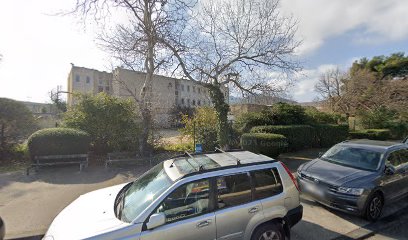
Barta
2.5 km
Dive into the heart of Marseille's nightlife at Barta, where electrifying music and vibrant atmosphere await you.
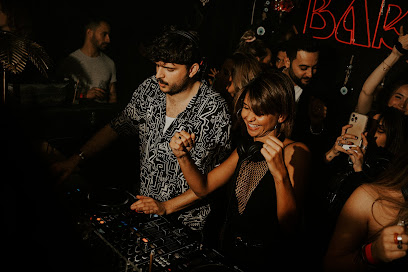
Bibi
2.5 km
Discover Bibi, Marseille's vibrant night club offering electrifying music, stylish ambiance, and unforgettable nightlife experiences along the beautiful coast.
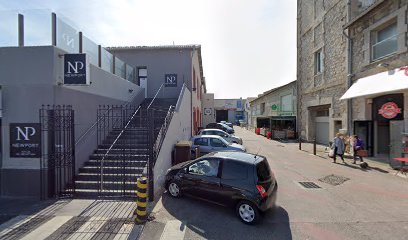
Ginanik
3.0 km
Experience the vibrant nightlife at Ginanik, Marseille's premier girl bar, featuring stunning performances and creative cocktails for an unforgettable evening.
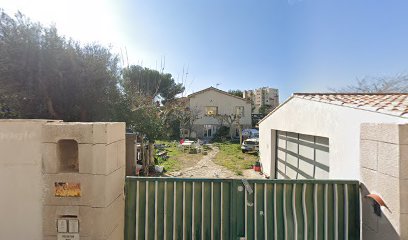
Cabaret Scénario Club
3.6 km
Discover the vibrant nightlife of Marseille at Cabaret Scénario Club, where music, dance, and unforgettable moments await.
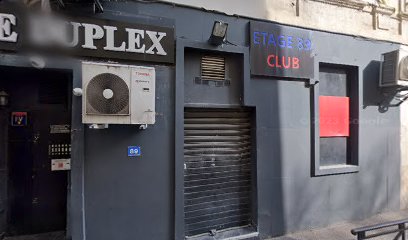
Le Diamant Noir Club
3.6 km
Discover the nightlife of Marseille at Le Diamant Noir Club, where music, dancing, and unforgettable memories come together in a vibrant atmosphere.
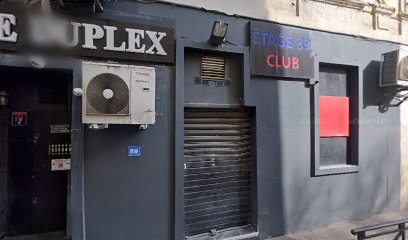
La Klinik
3.6 km
Immerse yourself in the dynamic nightlife of Marseille at La Klinik, the ultimate destination for music and dance enthusiasts.
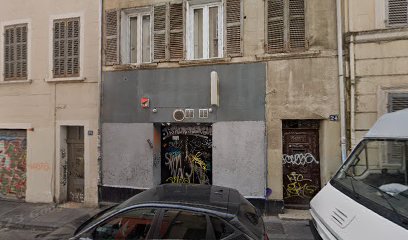
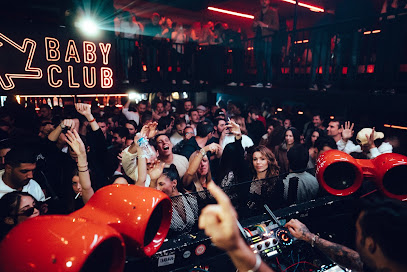
Baby Club - Marseille
3.8 km
Discover the heartbeat of Marseille's nightlife at Baby Club, an electrifying disco club where music and dance unite in an unforgettable experience.
Yamzz Club
3.8 km
Experience the electrifying nightlife at Yamzz Club in Marseille, where music and dance come alive in a vibrant atmosphere.
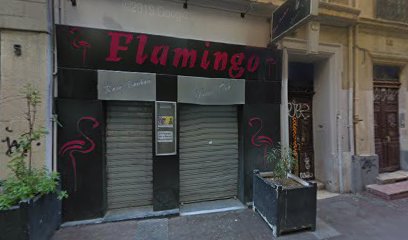
POP Club
3.8 km
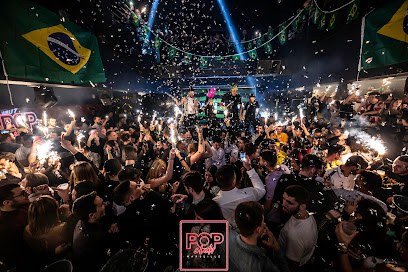
Discover the electrifying nightlife at POP Club in Marseille, where music and celebration create unforgettable memories.