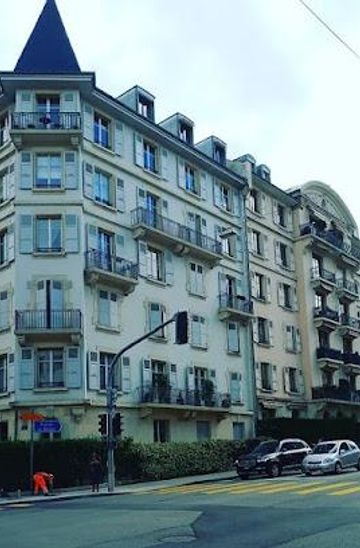
Eaux-Vives: Geneva's Lakeside Charm
Discover Eaux-Vives in Geneva: Lakeside parks, iconic Jet d'Eau views, and a vibrant urban scene blend seamlessly for an unforgettable Swiss experience. Explore culture, nature, and charm.
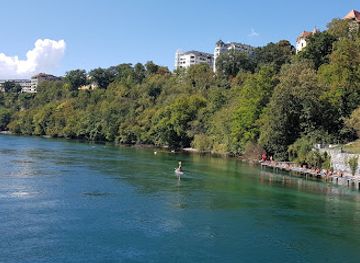
Eaux-Vives, a vibrant district in Geneva, offers a delightful blend of natural beauty and urban sophistication. Nestled along the shores of Lake Geneva, this area is known for its picturesque parks, including the renowned Parc des Eaux-Vives and Parc La Grange, providing stunning views of the lake and the Jura mountains. The iconic Jet d'Eau, one of Geneva's most famous landmarks, is easily accessible from Eaux-Vives, adding to the area's allure. With its charming streets, diverse culinary scene, and proximity to key attractions, Eaux-Vives is a must-visit destination for tourists seeking a memorable Genevan experience. Explore the local boutiques along Rue des Eaux-Vives, relax by the lake, or enjoy a meal at one of the many restaurants offering international cuisine. Eaux-Vives encapsulates the essence of Geneva, combining tranquility with cultural richness.
A brief summary to Eaux-Vives
- Geneva, CH

Know before you go
Hi, I'm Eve. Here are a few practical things to know before exploring Eaux-Vives.
- Take a leisurely stroll through Parc La Grange and Parc des Eaux-Vives for stunning lake views and relaxation.
- Visit the Jet d'Eau for an up-close experience of Geneva's iconic water fountain.
- Explore Rue des Eaux-Vives for unique boutiques and diverse culinary options.
- Utilize Geneva's efficient public transport; the Geneva Transport Card offers free access for tourists.
- Enjoy a meal at the Parc des Eaux-Vives manor house restaurant for exceptional views and fine dining.
Do you manage this location?
Take control to get all the benefits, like improved information, better appearance, and stronger visibility across AI-powered discovery. Learn more
Activate your presence
Getting There
-
Public Transport
From Gare Cornavin, Geneva's main train station, take tram line 12 or 17 towards Eaux-Vives. Several stops along the Rue des Eaux-Vives provide easy access to the district. A single ticket (valid for 60 minutes within zone 10) costs CHF 3. Alternatively, a day pass costs CHF 10. If you are staying in a hotel in Geneva, you may be eligible for a free Geneva Transport Card, providing unlimited travel on public transport within zone 10 during your stay.
-
Walking
From the Jet d'Eau, walk along the Quai Gustave-Ador towards the Eaux-Vives district. The walk takes approximately 15-20 minutes, offering scenic views of Lake Geneva. Follow the lakeside promenade, passing landmarks such as the Baby Plage. No costs involved.
-
Taxi/Ride-Share
A taxi or ride-share from Gare Cornavin to Eaux-Vives typically costs between CHF 25-CHF 35, depending on traffic and the specific location within Eaux-Vives. The journey usually takes 10-15 minutes. Taxi stands are available at the train station.
-
Driving
Driving to Eaux-Vives is possible, but parking can be limited. Consider using the Parking Gare des Eaux-Vives (Avenue de la Gare des Eaux-Vives) or Villereuse car park (Route de Villereuse). Hourly parking rates typically range from CHF 4-CHF 5. Be aware of traffic congestion, especially during peak hours.
Discover more about Eaux-Vives
Explore the best of what Eaux-Vives has to offer













More about Rhone Alpes

Discover the stunning landscapes, historic cities, and world-class ski resorts of Rhône-Alpes, a French region that offers a perfect blend of nature and culture.
Tell me more about Rhone Alpes
Explore the rich history beneath the St. Pierre Cathedral and discover Geneva's archaeological treasures in this remarkable heritage site.
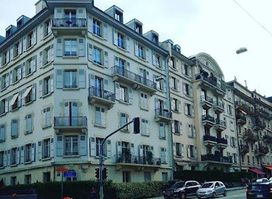
Discover the serene beauty of Eaux-Vives, Geneva's lakeside district filled with parks, stunning views, and delightful local cuisine.