

Free Annecy Travel Guide & Mobile App
Plan your Annecy trip with Evendo. Get free guides to top attractions, restaurants, hotels, and bars. Web access or download the mobile app.


Annecy in France pairs a turquoise Alpine lake with canals, medieval streets, mountain views, Savoyard food and graceful lakeside cycling and historic landmarks.
Lake, Mountains and Medieval Streets
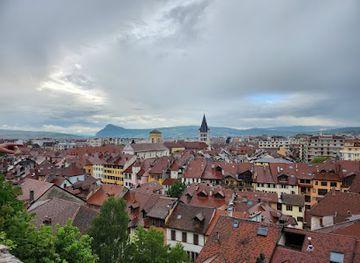
Annecy occupies an exceptional setting in south-eastern France, where the Thiou river leaves the clear waters of Lake Annecy and winds through a compact historic centre. The city is framed by the Bauges and Aravis mountains, giving its streets an unusually strong relationship with the surrounding landscape. Water, stone and mountain light shape the experience: pastel façades line narrow canals, bridges cross the river, and the lake opens southwards towards wooded slopes and high Alpine summits.Read more about Annecy
A Living Historic Centre
Life Beside the Lake
When is the best time to visit Annecy?
Best: June–August · 23–25°C| Month | High (°C) | Rainfall (mm) |
|---|---|---|
| January | 7 | 50 |
| February | 8 | 40 |
| March | 12 | 50 |
| April | 16 | 60 |
| May | 20 | 70 |
| June (best) | 23 | 80 |
| July (best) | 25 | 70 |
| August (best) | 25 | 60 |
| September | 21 | 60 |
| October | 16 | 70 |
| November | 10 | 50 |
| December | 7 | 50 |
Getting to and around Annecy
How to get there
Transportation
Best attractions in Annecy
Annecy’s principal attractions are concentrated within an easily walkable centre and along the northern shore of the lake. The Palais de l’Île, an unmistakable stone building set in the Thiou, introduces the city’s medieval civic history, while the Château d’Annecy rises above the old streets with museum displays and broad views over the rooftops. The Vieille Ville rewards unhurried wandering through arcaded lanes, canal bridges and market squares, particularly around Rue Sainte-Claire. Beyond the historic core, the Jardins de l’Europe, Pont des Amours and Pâquier form a graceful lakeside sequence, with views towards the mountains and access to walking and cycling routes. The Musée-Château and the Musée du Film d’Animation add cultural depth, and boat outings reveal the lake’s wooded shores from the water. Further excursions reach villages and viewpoints around the basin rather than belonging to the city itself.
-
Bridge
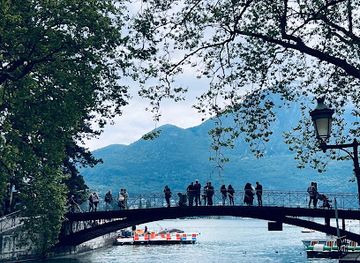
Pont des Amours
Experience the romance of Annecy at the Pont des Amours, a picturesque bridge offering stunning views and a legendary promise of eternal love for those who kiss upon it.
3 min walk · 0.2 km from city centre
-
Tourist attraction
Gorges du Fier
Discover the Gorges du Fier near Annecy: A spectacular canyon carved by the Fier River, featuring a thrilling footbridge, unique rock formations, and captivating legends.
20 min drive · 6.7 km from city centre
-
Park
Jardins de l'Europe
Discover a serene lakeside retreat in Annecy's Jardins de l'Europe, a historic park offering stunning views, diverse flora, and a tranquil escape from the city bustle.
2 min walk · 0.2 km from city centre
-
Tourist attraction
Gorges du Fier
Discover a spectacular canyon near Annecy, where a suspended footbridge unveils nature's artistry, geological wonders, and captivating legends carved by the Fier River.
20 min drive · 6.7 km from city centre


Best landmarks in Annecy
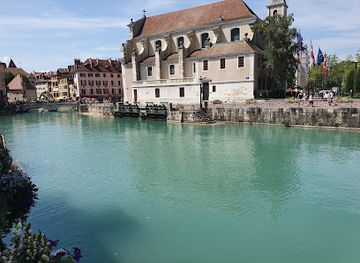
The Palais de l’Île is Annecy’s defining historic structure, an island-like medieval building in the Thiou that served as a courthouse, mint and prison and now represents the city’s civic past. Above the old town, the Château d’Annecy combines fortified towers and later residential elements, reflecting centuries of Savoyard power and overlooking the urban basin. The Gothic church of Saint-Maurice is among the oldest surviving churches in the centre, while the Cathédrale Saint-Pierre preserves the city’s Catholic heritage and its association with Francis de Sales. At the lake, the Pont des Amours has become a recognisable pedestrian viewpoint linking the canal-side gardens with the Pâquier. Together, these landmarks show how Annecy developed around water, religion, regional government and the defensive hill above the medieval town.
-
Bridge
Pont des Amours
Cross the iconic Pont des Amours in Annecy, France, for stunning views and a touch of romantic legend on the shores of Lake Annecy.
3 min walk · 0.2 km from city centre
-
Park
Jardins de l'Europe
Escape to Annecy's Jardins de l'Europe: a historic lakeside park with lush greenery, scenic views, and tranquil pathways for a relaxing retreat.
2 min walk · 0.2 km from city centre
-
Historical landmark
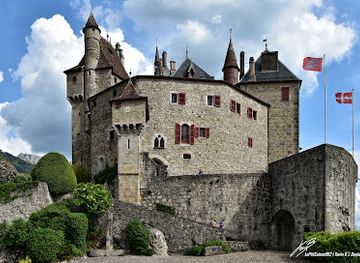
Menthon-Saint-Bernard Castle
Discover a fairytale castle with stunning views of Lake Annecy. Explore centuries of history and architecture at Château de Menthon-Saint-Bernard.
21 min drive · 7.0 km from city centre
-
Museum
Musée-Château d'Annecy
Explore centuries of art and history within the walls of Annecy's iconic castle, offering panoramic views of the Venice of the Alps.
3 min walk · 0.3 km from city centre

Explore Annecy on the map
Plan your Annecy trip on one map. See where the top attractions, landmarks, restaurants, bars and hotels are, find what's near where you're staying, and book hotels and experiences in a few clicks.
Best hotels in Annecy
Best restaurants in Annecy
Annecy’s food culture is rooted in the cuisine of Savoy, with mountain cheeses, dairy-rich dishes and preserved meats appearing alongside more contemporary cooking. Tartiflette combines potatoes, onions and Reblochon, while raclette and fondue offer familiar Alpine traditions; diots, the region’s sausages, are often served with local accompaniments. Lake fish, including fera and perch where available, reflects Annecy’s waterside setting, while markets supply cheeses such as Tomme de Savoie, bread, seasonal produce and charcuterie. The Vieille Ville contains cafés, bakeries and restaurants in historic streets, with further dining around the lakefront and central commercial areas. Look also for regional desserts and gâteau de Savoie, a light sponge associated with the former Duchy. Menus vary between traditional Savoyard cooking, French bistro food and modern interpretations of local ingredients.
-
Restaurant
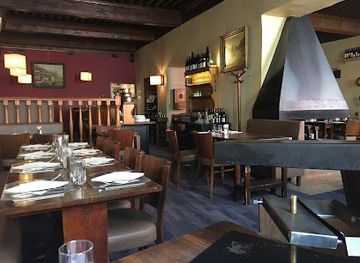
LE FRETI
Experience exquisite French cuisine and fine wines at Le Fretí in beautiful Annecy, where every meal is a celebration of local flavors.
4 min walk · 0.3 km from city centre
-
Restaurant
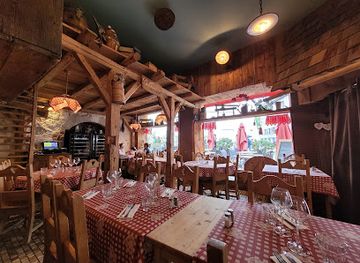
Le Chalet
Experience exquisite French cuisine at Le Chalet in Annecy, where gourmet dishes meet stunning lakeside views for an unforgettable dining experience.
3 min walk · 0.3 km from city centre
-
Restaurant
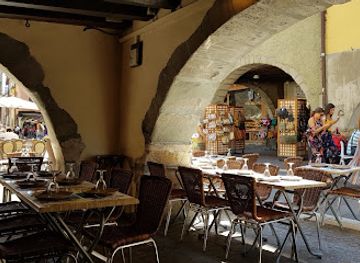
Chez Mamie Lise
Discover traditional French cuisine at Chez Mamie Lise in Annecy – a culinary gem offering authentic flavors in a charming setting.
2 min walk · 0.1 km from city centre
-
French
L'Etage
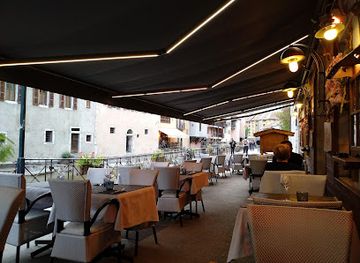
Experience authentic French cuisine at L'Etage in Annecy - where culinary excellence meets stunning lakeside views.
3 min walk · 0.2 km from city centre
Best bars in Annecy
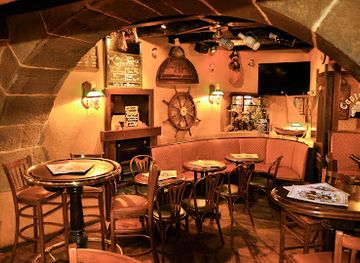
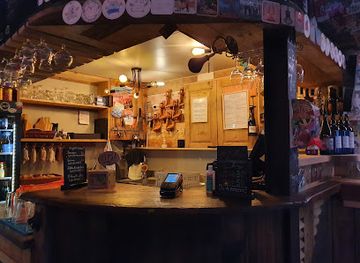
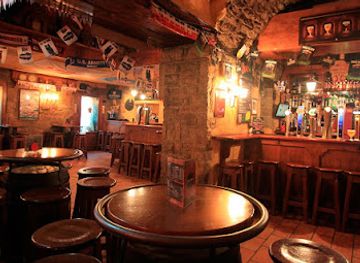
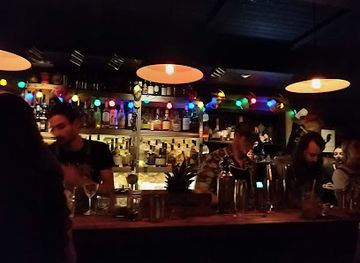
Annecy’s evenings are generally sociable and measured rather than dominated by large nightclubs. The Vieille Ville, especially around Rue Sainte-Claire and the streets near the Thiou, has cafés, wine bars and places for an aperitif, while the lakefront provides a calmer setting for an early evening walk. Bars and restaurants cluster around the central streets, and cultural programming can include cinema, theatre, concerts and events at venues such as Bonlieu Scène Nationale. Summer brings more activity around outdoor terraces and the lake, whereas winter evenings are quieter and often centred on dining or indoor performances. The city’s nightlife is suited to conversation, regional wine and relaxed socialising, with larger club-oriented scenes less characteristic of Annecy than of major French cities.
-
Irish pub
Captain Pub
Experience the warmth of Irish hospitality at Captain Pub in Annecy, offering delicious burgers and a lively atmosphere for a memorable night out.
3 min walk · 0.3 km from city centre
-
Pub
Beer O'clock
Discover the vibrant ambiance of Beer O'clock in Annecy, where beer lovers unite over a vast selection of brews and delicious bites.
6 min walk · 0.5 km from city centre
-
Pub
Finn Kelly's Irish Pub
Experience the vibrant atmosphere of Finn Kelly's Irish Pub in Annecy, serving authentic Irish food and drinks in a lively setting.
2 min walk · 0.2 km from city centre
-
Bar
Woodstock Garden
Discover Woodstock Garden: A charming bar and restaurant in Annecy, combining delightful cuisine with a picturesque outdoor garden setting.
13 min walk · 1.1 km from city centre

Best nightclubs in Annecy
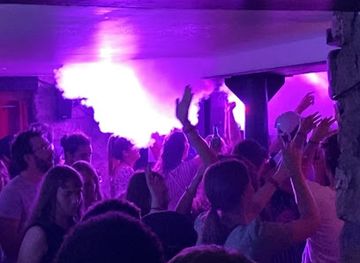
Annecy’s evenings are generally sociable and measured rather than dominated by large nightclubs. The Vieille Ville, especially around Rue Sainte-Claire and the streets near the Thiou, has cafés, wine bars and places for an aperitif, while the lakefront provides a calmer setting for an early evening walk. Bars and restaurants cluster around the central streets, and cultural programming can include cinema, theatre, concerts and events at venues such as Bonlieu Scène Nationale. Summer brings more activity around outdoor terraces and the lake, whereas winter evenings are quieter and often centred on dining or indoor performances. The city’s nightlife is suited to conversation, regional wine and relaxed socialising, with larger club-oriented scenes less characteristic of Annecy than of major French cities.
-
Disco club
24 du Faubourg
Experience the vibrant nightlife of Annecy at 24 du Faubourg, the ultimate disco club for music lovers and party-goers.
6 min walk · 0.5 km from city centre
-
Cocktail bar
La Queue Du Coq
Experience the vibrant cocktail culture at La Queue Du Coq in Annecy, where every drink tells a story and good times await.
5 min walk · 0.4 km from city centre
-
Karaoke bar
Le Duo
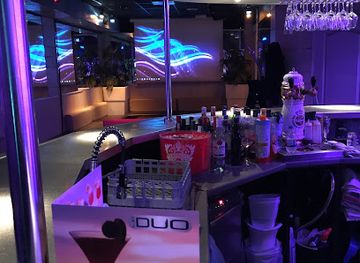
Discover the vibrant nightlife of Annecy at Le Duo, a karaoke and piano bar where every night is filled with music and fun.
7 min drive · 2.5 km from city centre
-
Night club
Le Pop Plage
Unleash your night at Le Pop Plage, Annecy's top night club, where vibrant music and breathtaking lake views create unforgettable nightlife experiences.
15 min walk · 1.2 km from city centre

Best shops in Annecy
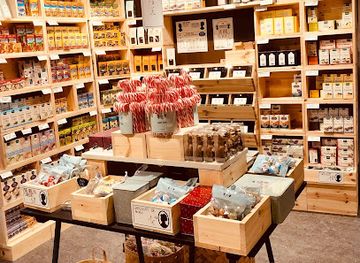
Shopping in Annecy moves between market traditions, independent boutiques and the practical commercial streets of the centre. The old town’s arcaded Rue Sainte-Claire and neighbouring lanes contain clothing shops, galleries, craft retailers, food shops and cafés, while the markets bring a more regional character through cheeses, charcuterie, bread, fruit and seasonal produce. Visitors looking for local specialities often choose Reblochon and other Savoyard cheeses, Tomme de Savoie, Alpine honey, biscuits, chocolate and regional wines, subject to transport and customs rules when taking food abroad. Artisan goods and mountain-themed souvenirs are widely available, but quality and provenance vary, so specialist producers and market traders offer a more grounded alternative to generic gifts. Larger retail streets and modern shops extend around the central station and commercial quarters beyond the historic lanes.
-
Gift shop
Galeries Lafayette Annecy
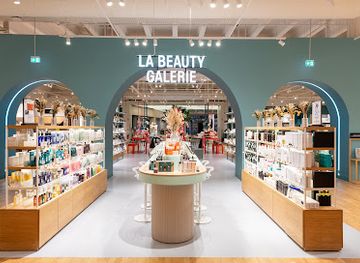
Explore Galeries Lafayette Annecy, a premier shopping haven featuring the latest fashion trends, beauty supplies, and unique gifts in the heart of the French Alps.
10 min walk · 0.8 km from city centre
-
Gift shop
Nature and Discoveries
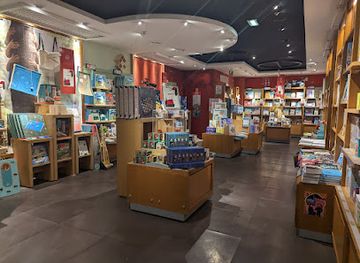
Explore a charming gift shop in Annecy offering unique, eco-friendly treasures that reflect the beauty of nature and local craftsmanship.
9 min walk · 0.7 km from city centre
-
Store
Søstrene Grene
Discover creativity at Søstrene Grene in Annecy, where art supplies and unique handicrafts inspire your imagination and enhance your home decor.
5 min walk · 0.4 km from city centre
-
Used clothing store
United Vintage
Explore United Vintage in Annecy for an authentic shopping experience filled with unique second-hand fashion and timeless treasures.
4 min walk · 0.3 km from city centre
Get your free copy of our complete guide to Annecy, delivered straight to you.
Everything on this page, from attractions and restaurants to essentials and local phrases, in one PDF you can read offline, print or share.
Already have an account? Sign in
Your Annecy guide is ready.
We'll send it to · Not you? Sign out

Getting your guide ready…
We are putting together a fresh copy of the Annecy guide. This can take up to a minute.
This can take a few moments. If your browser asks, choose Allow so the download can start. You'll find the guide in your Downloads folder.
Nothing happened? Download it again
Sorry, the guide is taking longer than usual. Please try again in a minute, or get it by email instead.
Annecy essentials
Currency and Payment
Safety
Emergency Situations
Do's and Don'ts
Local Tips
From Eve
Local phrases worth knowing
You don't need to get them perfect. A few words go a long way, and locals appreciate the effort.
Basics
| English | Local | Say it |
|---|---|---|
| Hello | Bonjour | [bohn-zhoor] |
| Goodbye | Au revoir | [oh ruh-vwahr] |
| Yes | Oui | [wee] |
| No | Non | [nohn] |
| Please/You're welcome | S'il vous plaît / De rien | [seel voo pleh / duh ryehn] |
| Thank you | Merci | [mehr-see] |
| Excuse me/Sorry | Excusez-moi / Désolé | [ehk-skew-zay mwah / day-zoh-lay] |
| How are you? | Comment ça va? | [koh-mohn sah vah] |
| Fine. And you? | Bien. Et vous? | [byehn. ay voo] |
| Do you speak English? | Parlez-vous anglais? | [pahr-lay voo ahn-glay] |
| I don't understand | Je ne comprends pas | [zhuh nuh kohm-prahnd pah] |
Eating & Drinking
| English | Local | Say it |
|---|---|---|
| I'd like to see the menu, please | Je voudrais voir la carte, s'il vous plaît | [zhuh voo-dray vwahr lah kart, seel voo pleh] |
| I don't eat meat | Je ne mange pas de viande | [zhuh nuh mahnj pah duh vyand] |
| Cheers! | Santé! | [sahn-tay] |
| I would like to pay, please | Je voudrais payer, s'il vous plaît | [zhuh voo-dray pay-ay, seel voo pleh] |
Emergencies
| English | Local | Say it |
|---|---|---|
| Help! | À l'aide! | [ah layd] |
| Go away! | Allez-vous en! | [al-lay vooz ahn] |
| Call the Police! | Appelez la police! | [ahp-lay lah poh-lees] |
| Call a doctor! | Appelez un médecin! | [ahp-lay uh may-sahn] |
| I'm lost | Je suis perdu | [zhuh swee pair-doo] |
| I'm ill | Je suis malade | [zhuh swee mah-lahd] |
Shopping
| English | Local | Say it |
|---|---|---|
| I'd like to buy... | Je voudrais acheter... | [zhuh voo-dray zhet-shay] |
| I'm just looking | Je regarde juste | [zhuh ruh-gahrd zhoost] |
| How much is it? | Combien ça coûte? | [kohm-byen sah koot] |
| That's too expensive | C'est trop cher | [say troh shair] |
| Can you lower the price? | Pouvez-vous baisser le prix? | [poo-vez voo beh-say luh pree] |
Time & Numbers
| English | Local | Say it |
|---|---|---|
| What time is it? | Quelle heure est-il? | [kehl uhr ay-teel] |
| It's one o'clock | Il est une heure | [eel ay oon uhr] |
| Half past (10) | Dix heures et demi | [dees uhr ay dem-ee] |
| Morning | Matin | [mah-tan] |
| Afternoon | Après-midi | [ah-pray mee-dee] |
| Evening | Soir | [swahr] |
| Yesterday | Hier | [yehr] |
| Today | Aujourd'hui | [oh-zhoor-dwee] |
| Tomorrow | Demain | [duh-man] |
| 1 | Un | [uhn] |
| 2 | Deux | [duh] |
| 3 | Trois | [trwah] |
| 4 | Quatre | [kah-truh] |
| 5 | Cinq | [sank] |
| 6 | Six | [sees] |
| 7 | Sept | [set] |
| 8 | Huit | [wheat] |
| 9 | Neuf | [nurf] |
| 10 | Dix | [dees] |
Transport & Directions
| English | Local | Say it |
|---|---|---|
| Where's a/the...? | Où est...? | [oo ay] |
| What's the address? | Quelle est l'adresse? | [kehl ay la-dress] |
| Can you show me (on the map)? | Pouvez-vous me montrer (sur la carte)? | [poo-vez voo muh mohn-tray (sur lah kart)] |
| When's the next (bus)? | Quand est le prochain (bus)? | [kahn ay luh proh-shahn (bus)] |
| A ticket (to ....) | Un billet (pour ....) | [uhn bee-yay (poor)] |
History of Annecy
Roman Origins at Boutae
The settlement that developed into Annecy was preceded by Boutae, a Roman-period town established in the plain near the present city. Its position connected routes through the Alpine foothills and the wider region around Lake Annecy, making administration, trade and movement possible between the Rhône corridor and the mountains. Archaeological evidence indicates an organised settlement with roads and buildings, although the later medieval town did not simply reproduce its Roman layout. As political and economic centres shifted during the early medieval period, habitation became more concentrated around defensible sites and waterways. The Roman name and remains provide the earliest substantial layer of Annecy’s urban history, while the modern city’s location still reflects the practical value of the lake basin and its routes through Haute-Savoie.
Medieval Town and Counts
During the Middle Ages, Annecy grew around the Thiou and the fortified hill above the river. The town came under the influence of the counts of Geneva, whose castle occupied the strategic high ground and whose authority shaped local administration. Watercourses supported mills and craft activity, while bridges and market spaces linked the settlement’s commercial life. The Palais de l’Île, built on an island in the Thiou, reflects the importance of civic and judicial institutions within this compact urban environment. Medieval Annecy was not a large city, but its position between the lake, the Genevan territories and Alpine routes gave it political significance disproportionate to its size.
Savoyard Rule and Urban Growth
In the fifteenth century, Annecy passed into the orbit of the House of Savoy after the extinction of the principal line of the counts of Geneva. Its buildings, institutions and political identity subsequently developed within the Duchy of Savoy, whose territories extended across the western Alps. The Château d’Annecy was adapted and enlarged over several centuries, combining defensive functions with the residence of ruling families. Trade, religious foundations and craft production contributed to the town’s gradual expansion, while the Thiou remained central to milling and industry. The surviving arcades, canal-side streets and fortified structures largely reflect this long period in which Annecy was a regional centre rather than a major national metropolis.
A Centre of the Counter-Reformation
Annecy became an important Catholic centre during the religious conflicts of the sixteenth and seventeenth centuries. Francis de Sales, born in the nearby Château de Sales and later bishop of Geneva, worked from Annecy as a preacher, writer and Counter-Reformation figure; his collaboration with Jane Frances de Chantal led to the foundation of the Visitation of Holy Mary in 1610. Because Geneva was a centre of Calvinism, Annecy acquired particular importance for Catholic institutions and missions in the surrounding region. Churches, convents and devotional traditions shaped the city’s cultural landscape, and the memory of Francis de Sales remains visible in local religious heritage and institutions.
Revolution, Annexation and Modern France
The French Revolutionary period brought the former Savoyard territories into revolutionary France in 1792, although control changed again during the Napoleonic era and the subsequent restoration. Savoy was definitively annexed to France in 1860, and Annecy became part of the new département of Haute-Savoie. Integration encouraged administrative, commercial and infrastructural changes while preserving a strong regional identity linked to the Alpine landscape and Savoyard traditions. In the nineteenth century, improved roads and later rail connections increased movement around the lake and helped establish Annecy as a centre for regional exchange and tourism. The city visible today contains both the inherited fabric of Savoy and the civic framework of modern France.
Industry, Tourism and Contemporary Identity
Annecy’s modern development was shaped by a combination of industry, public administration and tourism. The Thiou powered manufacturing activity, while the lake and mountains attracted visitors interested in scenery, health and outdoor recreation. The arrival of rail links in the nineteenth century strengthened the city’s connections with other French and Alpine centres, and twentieth-century improvements brought wider residential and commercial expansion beyond the old town. Conservation of the historic centre and investment in lakeside public spaces helped retain Annecy’s distinctive urban character. Today, cultural events, cycling, water sports and mountain activities sit alongside the older roles of commerce and administration, linking the city’s medieval waterways with a contemporary Alpine economy.
Annecy in Photos
Browse through our photo collection highlighting the charm and character of the destination.
Cities near Annecy
The closest cities to Annecy, if you have time for more than one stop.
-

-

-

-
-


Swipe for more cities
Explore more

Explore more of France
Explore France: A land of romance, history, and unparalleled beauty, from the iconic streets of Paris to the serene landscapes of Provence and the luxury of the French Riviera.
Explore France