

Chalon Cathedral, Burgundy Vineyards Travel Guide
Discover the architectural grandeur and serene atmosphere of Chalon Cathedral, a historical landmark in the heart of Burgundy, showcasing a blend of Romanesque and Gothic styles.
Chalon Cathedral, or Cathédrale Saint-Vincent de Chalon-sur-Saône, stands proudly on Place Saint-Vincent, a focal point of the city. Its history stretches back to the 8th century, though the neo-Gothic facade that dominates the square today is a 19th-century addition. The cathedral's interior reveals a blend of Romanesque and Gothic styles, reflecting centuries of construction and renovation. Inside, visitors can admire stained glass windows, a 15th-century tapestry, and side chapels featuring distinctive stone grilles. The cathedral is a serene escape from the bustling city, offering a glimpse into Chalon-sur-Saône's rich religious and architectural heritage. Its location in the heart of the old town makes it easily accessible and a must-see for any visitor exploring Burgundy.
A brief summary to Chalon Cathedral
- Pl. Saint-Vincent, Chalon-sur-Saône, 71100, FR
- Click to display
- Click to display
- Monday 9 am-7 pm
- Tuesday 9 am-7 pm
- Wednesday 9 am-7 pm
- Thursday 9 am-7 pm
- Friday 9 am-7 pm
- Saturday 9 am-7 pm
- Sunday 9 am-7 pm

Know before you go
Hi, I'm Eve. Here are a few practical things to know before exploring Chalon Cathedral.
- Visit on a Sunday morning to experience the vibrant farmers market in Place Saint-Vincent, right in front of the cathedral.
- Take time to explore the side chapels and admire the distinctive stone grilles (claustras) unique to this region.
- Look for the 15th-century tapestry inside the cathedral, a remarkable work of art depicting religious scenes.
- Combine your visit with a trip to the Musée Nicéphore Niépce to learn about the history of photography and the city's famous inventor.
- Consider a guided walking tour of Chalon-sur-Saône to discover hidden architectural gems and learn about the city's rich history.
Do you manage this location?
Take control to get all the benefits, like improved information, better appearance, and stronger visibility across AI-powered discovery. Learn more about listing your business on Evendo
Activate your presenceOther nearby places you may find interesting
The closest places of the same kind, if this one is not quite what you had in mind.


Explore Chalon Cathedral on the Map
A handpicked selection of must-see spots near Chalon Cathedral, mapped for you.
Unlock the Best of Chalon Cathedral
Buy tickets
-
No tickets available
Book tours with entry

Book tours without entry
-
No tours available
Getting There
-
Walking
From the Hôtel de Ville (City Hall), walk east along the main street, Rue du Port, towards the Saône River. Cross the bridge, Pont Saint-Laurent. Once across, turn left onto Quai des Messageries. Continue along the quai, passing the Musée Nicéphore Niépce on your right. Turn right onto Rue de la Cathédrale. The cathedral and Place Saint-Vincent will be directly ahead. The walk is approximately 10 minutes and offers views of the river and historic buildings.
-
Public Transport
From the Chalon-sur-Saône train station, take bus line 1, 2, 3, 4, 5 or 6 towards the city center. Get off at the 'Saint-Vincent' stop, which is directly in front of the cathedral. A single ticket costs €1.50 and can be purchased on the bus or at the station. The journey takes approximately 15 minutes, depending on traffic.
-
Taxi/Ride-Share
A taxi or ride-share from the Chalon-sur-Saône train station to the cathedral takes approximately 5-10 minutes, depending on traffic. The estimated fare is between €8 and €12. Taxis are usually available at the train station, or you can use a ride-sharing app to request a ride.
-
Driving
If driving, be aware that parking in the immediate vicinity of the cathedral (Place Saint-Vincent) is limited and can be difficult, especially during peak hours and market days. Consider parking at one of the larger car parks slightly further away, such as Parking Colombière or Parking Banque (both a 5-10 minute walk). Parking fees typically range from €1.80 per hour to €12 per day. Note that some streets in the old town are pedestrianized or have restricted access.
Discover more about Chalon Cathedral













Your all‑in‑one travel companion app
Explore expert travel guides, compare and book tours, experiences, hotels, and more—all from the palm of your hand. Download now for seamless trip planning wherever your wanderlust takes you.


Explore More of Burgundy Vineyards
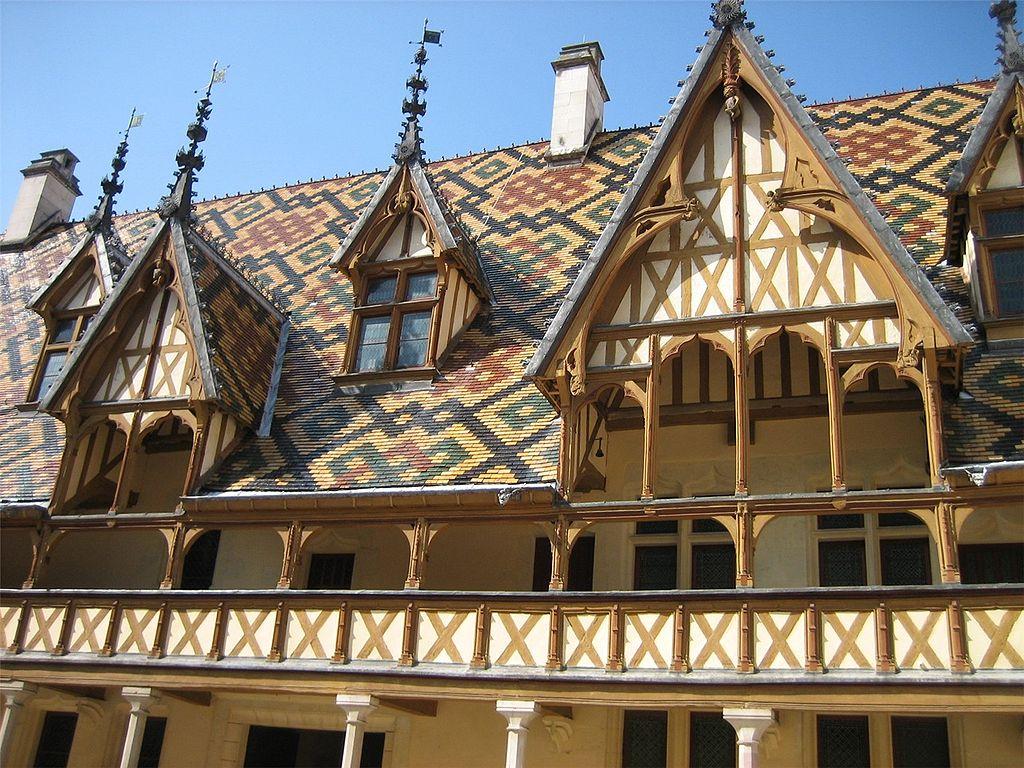
Looking beyond Chalon Cathedral? Discover Burgundy Vineyards for broader travel guides, local hot-spots, and regional highlights.
Explore Burgundy Vineyards
Discover the tranquil beauty of Ecluse 10 S de la Mine on the Canal de Bourgogne, a historic lock offering a serene escape into the heart of the Burgundy countryside and its rich canal heritage.
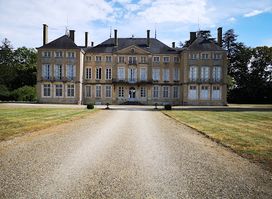
Discover the Château de Demigny, a historic Burgundy estate blending architectural elegance, a hunting museum, and a working winery for an immersive French experience.
