Château d'Avaray Travel Guide
Free Guide: Discover the Château d'Avaray, a captivating Loire Valley château blending medieval history with 18th-century elegance, offering a glimpse into French nobility and architectural evolution.


A brief summary of Château d'Avaray
Discover the Château d'Avaray, a captivating Loire Valley château blending medieval history with 18th-century elegance, offering a glimpse into French nobility and architectural evolution.
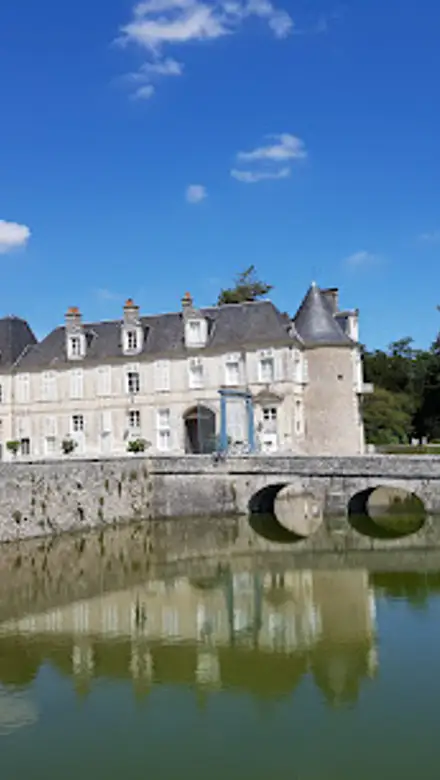
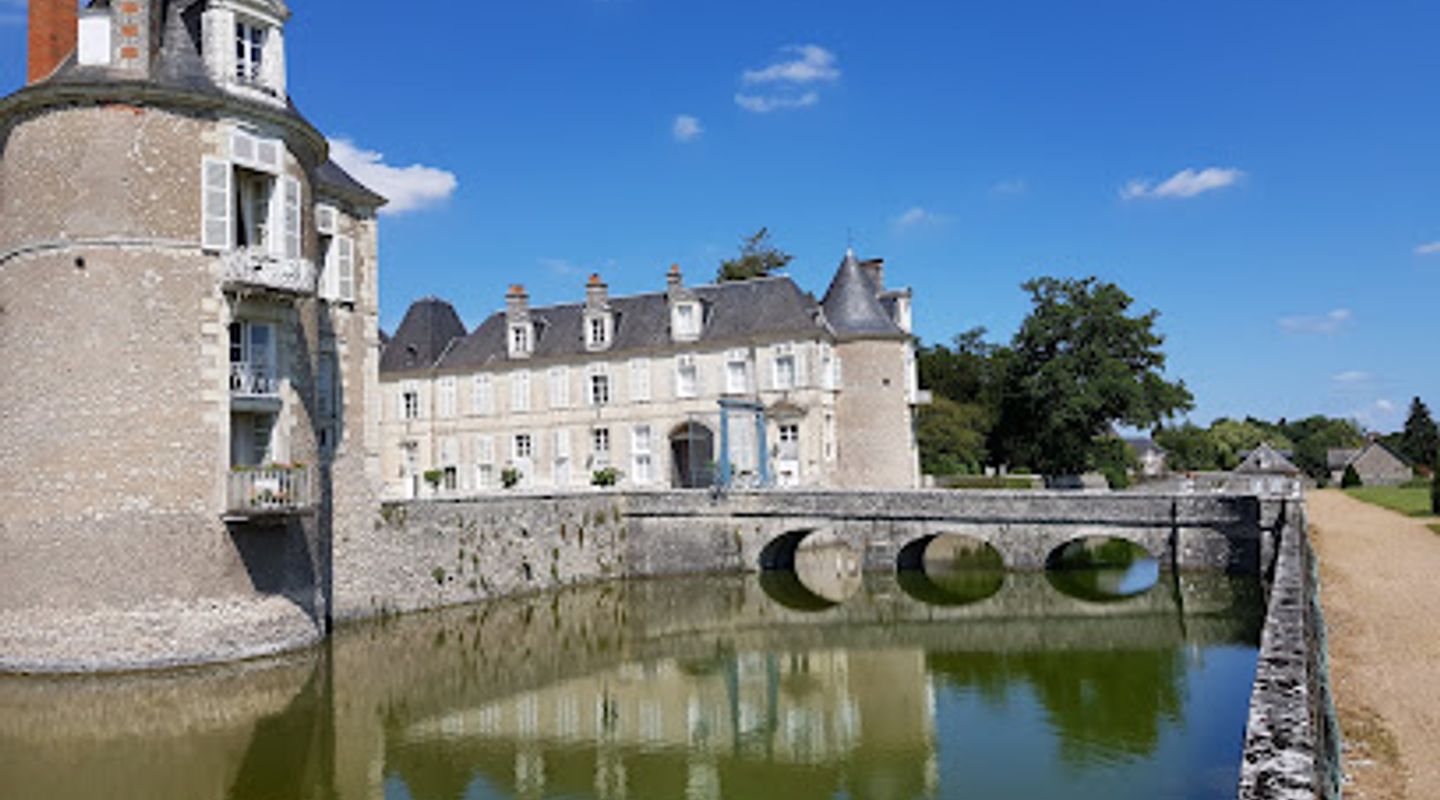
Nestled in the serene Loire Valley, the Château d'Avaray is a captivating blend of medieval foundations and 18th-century elegance. Originally a feudal stronghold with imposing corner towers, it evolved into a refined residence reflecting the opulence of French noble life. Wander through its meticulously preserved rooms, envisioning the lives of past inhabitants, and explore the grounds designed, according to some accounts, by André Le Nôtre, the landscape architect of Versailles. The château offers a glimpse into French history and architectural evolution, making it a worthwhile stop while exploring the Loire region. Its location in the charming village of Avaray adds to its appeal, providing a tranquil escape from bustling city life. While privately owned and not always fully accessible, the exterior and surrounding parkland offer a picturesque experience.
- Address
- 1 Rue de la Place, 41500 Avaray
Getting there
Driving
Public Transport
Discover more about Château d'Avaray
Overview
Château d'Avaray, a lesser-known treasure in the Loire Valley, presents a compelling journey through French history and architectural styles. Located in the village of Avaray, in the Loir-et-Cher department, this château is a testament to the evolving tastes and fortunes of its various owners over the centuries. Originally constructed as a feudal castle in the 13th century, Château d'Avaray featured four imposing corner towers linked by fortified walls, surrounded by a deep moat. This strategic design served to defend the region from Courbouzon to Lestiou. The Montgomery family, of Scottish descent, later acquired the château. Gabriel de Montgomery, captain of the Scottish Guard, inadvertently killed King Henry II of France in a tournament in 1559, leading to his exile and subsequent role as a formidable Protestant leader. He was eventually beheaded in 1574 by order of Queen Catherine de Medici. In 1473, Jehan de Mineray was authorized by Dunois to rebuild the dilapidated castle. The Florentine family of Sity owned the fief in the 16th century before it was sold to Jacques Bésiade. The Bésiade family, originally from Béarn, played a significant role in the château's transformation. They arrived in France with Henry IV, the first Protestant King of France. Jacques Bésiade served as the first valet of the wardrobe to the king in 1622. The Bésiade family retained ownership until 1941, when the last Duke of Avaray died without direct descendants. Claude Théophile de Bésiade initiated a significant reconstruction in 1736-37, utilizing the existing towers as a foundation for a more classical design. The three sides of the courtyard were rebuilt with large windows, an upper floor, and stone dormers set against a high slate roof. This transformation resulted in the elegant 18th-century façade that graces the château today. The south façade received further enhancements with a central projection, a balustrade balcony supported by four columns, and a triangular pediment bearing the arms of the Dukes of Avaray. The interior of the château reflects the opulence of its noble residents. The state apartments on the ground floor of the inner courtyard retain their painted beams, wood paneling, and original 18th-century fireplace décor. The park surrounding the château is believed by some to have been designed by André Le Nôtre, the renowned landscape architect responsible for the gardens of Versailles. This expansive park features formal French gardens, a water mill, and a grand vista extending towards the Loire River. After the Bésiade family line ended, the Château d'Avaray was sold to Baron Gaston Stalins, a Belgian nobleman, who reportedly sold many of the statues and decorations from the gardens. Following his death in the 1950s, the château was divided into approximately thirty apartments. While the Château d'Avaray may not be as widely known as other Loire Valley châteaux, its rich history and architectural evolution make it a worthwhile destination for those seeking a deeper understanding of French heritage. The village of Avaray itself offers a tranquil setting, allowing visitors to escape the crowds and appreciate the serene beauty of the Loire Valley. The nearby church in Avaray houses the tombs of several members of the Bésiade family, further connecting the château to the local community. Exploring the Château d'Avaray provides a unique opportunity to witness the blending of medieval and classical architectural styles, to delve into the lives of the families who shaped its history, and to appreciate the beauty of the Loire Valley landscape. Although the château is privately owned and may not always be fully accessible for interior visits, the exterior and surrounding parkland offer a picturesque and historically significant experience.
Evendo Review Centre
 Google
Guest reviews
Explore Château d'Avaray on the map
A handpicked selection of must-see spots near Château d'Avaray, mapped for you.
Get your free copy of our complete guide to Château d'Avaray, delivered straight to you.
Everything on this page, from opening hours and how to get there to Eve’s tips and the best time to go, in one PDF you can read offline, print or share.
Already have an account? Sign in
Your Château d'Avaray guide is ready.
We'll send it to · Not you? Sign out

Getting your guide ready…
We are putting together a fresh copy of the Château d'Avaray guide. This can take up to a minute.
This can take a few moments. If your browser asks, choose Allow so the download can start. You'll find the guide in your Downloads folder.
Nothing happened? Download it again
Sorry, the guide is taking longer than usual. Please try again in a minute, or get it by email instead.
Other nearby places you may find interesting
The closest places of the same kind, if this one is not quite what you had in mind.
-
-
-
-
-


Swipe for more places
More to explore near Château d'Avaray

 Best experiences near Château d'Avaray
 Best hotels near Château d'Avaray
 Best landmarks near Château d'Avaray
 Best attractions near Château d'Avaray
 Best shops near Château d'Avaray
 Best restaurants near Château d'Avaray
 Best bars near Château d'Avaray
Do you manage this location?
Take control to get all the benefits, like improved information, better appearance, and stronger visibility across AI-powered discovery.
Explore more

Explore more of Centre-Val de Loire
Explore Centre-Val de Loire, the heart of French heritage, with its stunning châteaux, lush vineyards, and picturesque villages in the enchanting Loire Valley.
Explore Centre-Val de Loire
Explore more of France
Explore France: A land of romance, history, and unparalleled beauty, from the iconic streets of Paris to the serene landscapes of Provence and the luxury of the French Riviera.
Explore France