

Centre-Val de Loire, France Travel Guide
Explore Centre-Val de Loire, the heart of French heritage, with its stunning châteaux, lush vineyards, and picturesque villages in the enchanting Loire Valley.
Centre-Val de Loire is a region rich in history, culture, and natural beauty. Located in the heart of France, it is famous for its stunning châteaux, lush vineyards, and picturesque villages. As you explore this enchanting region, you will be transported back in time to the Renaissance, with grand castles like Château de Chambord and Château de Chenonceau showcasing architectural brilliance and historical significance. The Loire Valley, often referred to as the 'Garden of France', is a UNESCO World Heritage site. It offers breathtaking landscapes, with the Loire River winding through verdant countryside and charming towns. The region is also home to vibrant markets, where you can savor local delicacies such as goat cheese, wines, and fresh produce. For outdoor enthusiasts, Centre-Val de Loire provides numerous opportunities for cycling, hiking, and exploring nature reserves. The region's mild climate makes it ideal for year-round visits. Whether you are a history buff, a foodie, or an adventurer, Centre-Val de Loire has something to offer everyone.

Know before you go
Hi, I'm Eve. Here are a few practical things to know before exploring Centre-Val de Loire.
- Visit during spring or autumn for the best weather and fewer crowds.
- Rent a bike to explore the scenic Loire à Vélo cycling route.
- Don't miss the local markets for fresh produce and regional specialties.
- Plan to spend at least a day at Château de Chambord to explore its vast grounds.
- Try the local wines, especially the Sauvignon Blanc from Sancerre.
Top City Travel Guides in Centre-Val de Loire
The cities of Centre-Val de Loire, and the easiest places to base yourself.



Destinations in Centre-Val de Loire
Resorts, valleys and scenic spots worth a trip of their own.


Explore Centre-Val de Loire: Things to Do, Places to Eat, Hotels & More
Handpicked recommendations for top attractions, local dining, accommodations, and more

Top Attractions & Sightseeing in Centre-Val de Loire
Top-rated picks
Best Attractions

Château de Chenonceau
Discover the elegance and history of Château de Chenonceau, the 'Ladies' Château' gracefully spanning the River Cher in the Loire Valley.

Château Royal d'Amboise
Discover the enchanting Château Royal d'Amboise, a majestic castle steeped in history and stunning views overlooking the Loire River.

Château du Clos Lucé
Explore Leonardo da Vinci's last residence, Château du Clos Lucé, in Amboise, and discover his life, inventions, and legacy in the Loire Valley.

Château de Villandry
Discover Château de Villandry, the last Renaissance château in the Loire Valley, famed for its stunning gardens and rich history. A must-see destination!

Best landmarks in Centre-Val de Loire
Top-rated picks
Best Landmarks

Louvre Pyramid
Iconic glass pyramid in Paris, providing access to the Louvre Museum and housing a spacious underground visitor center.
Château de Chambord
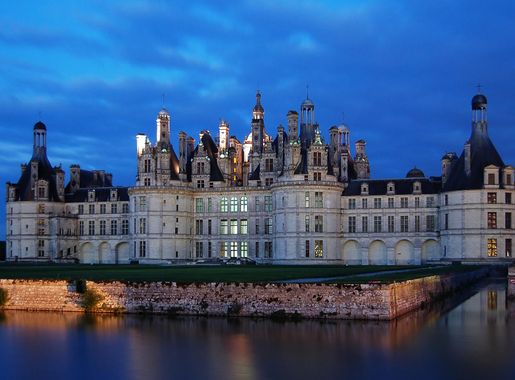
Discover Château de Chambord, the Loire Valley's largest and most extravagant château, a symbol of French Renaissance architecture and royal ambition.
Château de Chenonceau
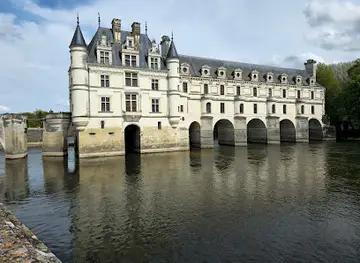
Discover Château de Chenonceau, the 'Ladies' Château' in the Loire Valley: history, architecture, gardens, and art await!

Château Royal d'Amboise
Explore a stunning Renaissance masterpiece, former residence of French kings, and final resting place of Leonardo da Vinci, in the heart of the Loire Valley.

Best restaurants in Centre-Val de Loire
Top-rated picks
Best Restaurants

Auberge du Bon Laboureur
Experience luxury at Auberge du Bon Laboureur: where gourmet cuisine meets wellness in the heart of Chenonceaux.

La Table - Christophe Hay et Loïs Bée
Savor exquisite French cuisine at La Table - Christophe Hay et Loïs Bée in Ardon, where every dish tells a story of culinary artistry.

Auberge Pom'Poire
Experience exquisite French dining and elegant accommodations at Auberge Pom'Poire in the heart of Azay-le-Rideau.

Auberge de la Caillère
Experience exquisite French cuisine and charming accommodations at Auberge de la Caillère in Candé-sur-Beuvron.

Best bars in Centre-Val de Loire
Top-rated picks
Best Bars

Garden Ice Café
Experience the vibrant atmosphere and delicious cuisine at Garden Ice Café, the perfect spot for tourists in Orléans.

Café Bar concerts Le Strapontin
Experience the vibrant nightlife of Tours at Le Strapontin, a unique jazz café and bar offering live music and delightful cuisine.

Grill Bar Le Saint Louis
Discover the heart of French cuisine at Grill Bar Le Saint Louis, a charming restaurant and bar in the picturesque Chambord.

L'Alexandra
Discover L'Alexandra, a vibrant bar in Tours, France, offering a unique blend of local culture, delightful drinks, and lively atmosphere.

Best nightclubs in Centre-Val de Loire
Top-rated picks
Best Nightclubs

Nova Club
Discover the electrifying nightlife at Nova Club, Orléans' premier disco destination for dancing and fun.

The New Vegas
Explore the heart of La Croix-en-Touraine's nightlife at The New Vegas, a premier disco club offering unforgettable music and vibrant energy.

Le Marquis - Tours
Experience the vibrant nightlife at Le Marquis, Tours' top disco club, where music, dance, and excitement come alive every night.

Le Tango
Discover the vibrant nightlife at Le Tango, a premier disco club in Saint-Laurent-Nouan, where music and dance come alive!

Best shops in Centre-Val de Loire
Top-rated picks
Best Shops

Château de Chambord
Explore the grandeur of Château de Chambord, a UNESCO World Heritage site showcasing Renaissance architecture and stunning parklands in the Loire Valley.

Centre Commercial Centre Deux
Explore the vibrant Centre Commercial Centre Deux in Saint-Étienne, your ultimate shopping destination with a diverse range of stores, dining, and family-friendly amenities.

Cultura
Discover a vibrant cultural hub in Saint-Doulchard, where art, crafts, music, and more come together in a unique shopping experience.

CBDSol - CBD pas cher en ligne
Explore CBDSol for premium, affordable CBD products in a serene organic shop setting, perfect for health-conscious tourists seeking natural wellness.

Explore Centre-Val de Loire on the Map
A handpicked selection of must-see spots in Centre-Val de Loire, mapped for you.
Centre-Val de Loire Essentials
-
Centre-Val de Loire is well-connected by various modes of transportation. The nearest major international airport is Paris-Orly Airport (ORY), located about 150 kilometers north of the region. From Paris, you can take a high-speed train (TGV) from Gare Montparnasse or Gare d'Austerlitz, which takes approximately 1-2 hours to reach major cities like Tours, Orléans, or Blois. Alternatively, you can rent a car and drive, which allows for a more scenic journey through the French countryside.
-
Once in Centre-Val de Loire, you can rely on an extensive public transportation network that includes trains, buses, and trams. The regional TER trains are efficient and connect most of the major towns and cities within the region. For local travel, buses and trams are available, especially in cities like Tours and Orléans. Taxis and ride-sharing services such as Uber are also options, though they can be more expensive. Renting a car is a popular choice for those who wish to explore the region's châteaux and vineyards at their own pace.
-
The official currency in France is the Euro (€). Credit and debit cards are widely accepted in most hotels, restaurants, and shops. However, it is advisable to carry some cash, especially when visiting smaller towns and local markets. ATMs are readily available throughout the region, but notify your bank beforehand to avoid any issues with foreign transactions.
-
Centre-Val de Loire is generally a safe destination for tourists. However, standard precautions should always be taken. Avoid walking alone at night in unfamiliar areas and be cautious of your belongings in crowded places. While there aren't specific high-crime areas targeting tourists, always stay vigilant and aware of your surroundings. Cities like Tours and Orléans have occasional petty crime, so it's best to keep an eye on your personal items.
-
In case of emergency, dial 112 for immediate assistance, which is the European emergency number. The region has well-equipped medical facilities and hospitals in major cities. Pharmacies are widespread and can provide over-the-counter medications for minor health issues. It is recommended to have travel insurance that covers medical emergencies. For non-urgent issues, local tourist offices can provide assistance and information.
-
Fashion: Do dress elegantly but comfortably. Avoid overly casual attire like flip-flops when dining out. Religion: Do respect local customs and traditions, especially when visiting religious sites. Public Transport: Do validate your ticket before boarding trains or buses. Don't talk loudly on public transport. Greetings: Do greet people with a 'Bonjour' and a handshake. Eating & Drinking: Do try local wines and delicacies. Don't rush through your meal; savor the experience.
-
To experience Centre-Val de Loire like a local, visit the local markets, especially on weekends, where you can buy fresh produce, cheese, and wines. Engage with locals, who are often friendly and willing to share stories about their heritage. Don't miss the chance to explore the many châteaux, such as Château de Chambord and Château de Chenonceau. For a more unique experience, rent a bike and ride along the Loire River, enjoying the scenic views and historic villages.
When is the best time to visit Centre-Val de Loire?
Useful Local Phrases for Centre-Val de Loire
You don't need to speak the language perfectly. Even learning a few simple words can make conversations warmer—and locals usually appreciate the effort.
— Eve

Here are the phrases I use most often in Centre-Val de Loire. Try a few—you'll be surprised how far they go! 😊
❤️
-
- HelloBonjour
[bohn-zhoor] - GoodbyeAu revoir
[oh ruh-vwahr] - YesOui
[wee] - NoNon
[noh] - Please/You're welcomeS'il vous plaît
[seel voo pleh] - Thank youMerci
[mehr-see] - Excuse me/SorryExcusez-moi
[ehk-skew-zay mwah] - How are you?Comment ça va?
[koh-mohn sah vah] - Fine. And you?Bien. Et vous?
[byehn. eh voo] - Do you speak English?Parlez-vous anglais?
[par-lay voo ahn-glay] - I don't understandJe ne comprends pas
[zhuh nuh kohm-prahn pah]
- HelloBonjour
-
- I'd like to see the menu, pleaseJe voudrais voir le menu, s'il vous plaît
[zhuh voo-dray vwar luh muh-nyu, seel voo pleh] - I don't eat meatJe ne mange pas de viande
[zhuh nuh mahnzh pah duh vyahnd] - Cheers!Santé!
[sahn-tay] - I would like to pay, pleaseJe voudrais payer, s'il vous plaît
[zhuh voo-dray pay-yay, seel voo pleh]
- I'd like to see the menu, pleaseJe voudrais voir le menu, s'il vous plaît
-
- Help!Au secours!
[oh se-kur] - Go away!Allez-vous-en!
[ah-lay voo zahn] - Call the Police!Appelez la police!
[ah-peh-lay lah poh-lees] - Call a doctor!Appelez un médecin!
[ah-peh-lay uhn may-deh-sahn] - I'm lostJe suis perdu
[zhuh swee pair-due] - I'm illJe suis malade
[zhuh swee mah-lahd]
- Help!Au secours!
-
- I'd like to buy...Je voudrais acheter...
[zhuh voo-dray ah-sheh-tay] - I'm just lookingJe regarde juste
[zhuh ruh-gard zhoost] - How much is it?C'est combien?
[seh kohm-byen] - That's too expensiveC'est trop cher
[seh troh shair] - Can you lower the price?Pouvez-vous baisser le prix?
[poo-vay voo beh-say luh pree]
- I'd like to buy...Je voudrais acheter...
-
- What time is it?Quelle heure est-il?
[kel uhr eh-teel] - It's one o'clockIl est une heure
[eel eh oon uhr] - Half past (10)Dix heures et demie
[dees uhr eh duh-mee] - MorningMatin
[mah-tahn] - AfternoonAprès-midi
[ah-preh-mee-dee] - EveningSoir
[swahr] - YesterdayHier
[ee-ehr] - TodayAujourd'hui
[oh-zhoor-dwee] - TomorrowDemain
[duh-mahn] - 1Un
[uhn] - 2Deux
[duhr] - 3Trois
[trwah] - 4Quatre
[katr] - 5Cinq
[sank] - 6Six
[sees] - 7Sept
[seht] - 8Huit
[weet] - 9Neuf
[nurf] - 10Dix
[deez]
- What time is it?Quelle heure est-il?
-
- Where's a/the...?Où est un/une...?
[oo eh uhn/oon] - What's the address?Quelle est l'adresse?
[kel eh lah-dress] - Can you show me (on the map)?Pouvez-vous me montrer (sur la carte)?
[poo-vay voo muh mohn-tray (sewr lah kart)] - When's the next (bus)?Quand est le prochain (bus)?
[kahn eh luh proh-shen (boos)] - A ticket (to ....)Un billet (pour....)
[uhn bee-yay (poohr....)]
- Where's a/the...?Où est un/une...?
History of Centre-Val de Loire
-
The Loire Valley, often referred to as the 'Garden of France', is a UNESCO World Heritage Site known for its vineyards, orchards, and historic towns. The region's history dates back to the Paleolithic era, with early human settlements found along the riverbanks.
-
During the Roman era, the Loire Valley became an important commercial route, connecting the Atlantic coast to the interior of Gaul. Roman roads and towns emerged, with notable remains found in cities like Tours and Orléans.
-
The Middle Ages saw the rise of powerful feudal lords in the Loire Valley. The region was a battleground during the Hundred Years' War between France and England. Joan of Arc famously liberated Orléans from English siege in 1429, marking a turning point in the war.
-
The Loire Valley is renowned for its Renaissance châteaux, built during the 15th and 16th centuries when French kings and nobility favored the region as a seat of power and leisure. Iconic structures like Château de Chambord and Château de Chenonceau epitomize this golden age of architecture and art.
-
The region was deeply affected by the Wars of Religion in the 16th century, a series of conflicts between Catholics and Protestants (Huguenots). The Edict of Nantes in 1598, which granted religious tolerance, was signed by King Henry IV in the Château of Plessis-les-Tours.
-
The French Revolution brought significant upheaval to the Loire Valley. Many châteaux were seized, and noble families were exiled or executed. The region played a role in the counter-revolutionary movements, particularly the Royalist insurrections in Vendée.
-
During World War II, the Loire River marked the boundary between the German-occupied zone and the Free Zone of Vichy France. The region saw significant resistance activity and suffered from bombings and battles, including the liberation of Tours and Orléans in 1944.
-
Today, Centre-Val de Loire is celebrated for its rich cultural heritage, including festivals, wine production, and culinary traditions. The region's historical sites attract millions of visitors annually, ensuring the preservation of its storied past.
Neighbouring Regions of Centre-Val de Loire
The closest regions to Centre-Val de Loire, if you have time for more than one.


Your all‑in‑one travel companion app
Explore expert travel guides, compare and book tours, experiences, hotels, and more—all from the palm of your hand. Download now for seamless trip planning wherever your wanderlust takes you.


Explore More of France

Looking beyond Centre-Val de Loire? Discover France for broader travel guides, local hot-spots, and regional highlights.
Explore FranceCentre-Val de Loire in Photos
Browse through our photo collection highlighting the charm and character of the destination.

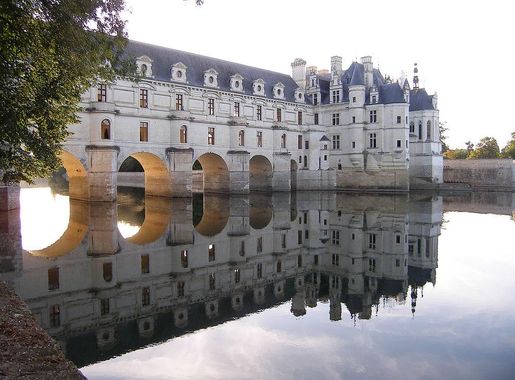


Centre-Val de Loire: The Heart of French Heritage
Centre-Val de Loire is a region rich in history, culture, and natural beauty. Located in the heart of France, it is famous for its stunning châteaux, lush vineyards, and picturesque villages. As you explore this enchanting region, you will be transported back in time to the Renaissance, with grand castles like Château de Chambord and Château de Chenonceau showcasing architectural brilliance and historical significance. The Loire Valley, often referred to as the 'Garden of France', is a UNESCO World Heritage site. It offers breathtaking landscapes, with the Loire River winding through verdant countryside and charming towns. The region is also home to vibrant markets, where you can savor local delicacies such as goat cheese, wines, and fresh produce. For outdoor enthusiasts, Centre-Val de Loire provides numerous opportunities for cycling, hiking, and exploring nature reserves. The region's mild climate makes it ideal for year-round visits. Whether you are a history buff, a foodie, or an adventurer, Centre-Val de Loire has something to offer everyone.