

Château de Troussay, Centre Val De Loire Travel Guide
Discover Château de Troussay, the Loire Valley's smallest château, a captivating blend of history, architecture, and regional charm nestled in the heart of Cheverny's vineyards.
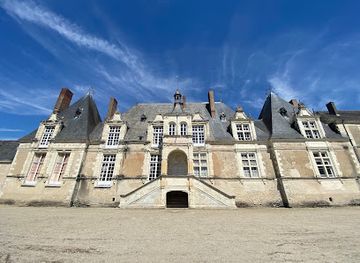
Château de Troussay, the smallest of the Loire Valley châteaux, offers an intimate glimpse into French history and architecture. Nestled in Cheverny, this charming castle showcases a blend of Renaissance and 19th-century styles, thanks to historian Louis de la Saussaye's passion for preserving architectural elements from other demolished Loire Valley monuments. Visitors can explore furnished rooms, wander through the English-style park with its ancient trees and discover a Sologne museum within the outbuildings, dedicated to local agricultural history. Guided tours provide insights into the castle's past and the surrounding region, often followed by wine tastings from the estate's vineyards. With its picturesque setting and rich heritage, Château de Troussay provides a delightful and authentic Loire Valley experience, a mere 3 km from the Château de Cheverny.
A brief summary to Château de Troussay
- 12 Rte de Troussay, Cheverny, 41700, FR
- Click to display
- Click to display
- Monday 10:50 am-12:15 pm
- Tuesday 10:50 am-12:15 pm
- Wednesday 10:50 am-12:15 pm
- Thursday 10:50 am-12:15 pm
- Friday 10:50 am-12:15 pm
- Saturday 10:50 am-12:15 pm
- Sunday 10:50 am-12:15 pm

Know before you go
Hi, I'm Eve. Here are a few practical things to know before exploring Château de Troussay.
- Check the Château's website for guided tour times, as admission is typically by guided tour only, and schedules vary seasonally.
- Combine your visit with a trip to the nearby Château de Cheverny, only 3 km away, for a comprehensive exploration of Loire Valley châteaux.
- Enjoy a wine tasting at the Château to sample the estate's own wines and learn about the region's viticultural traditions.
- Explore the Sologne museum located in the outbuildings to gain insights into the local agricultural history and rural life.
- Take a leisurely stroll through the English-style park and vegetable garden for a peaceful escape and picturesque photo opportunities.
Do you manage this location?
Take control to get all the benefits, like improved information, better appearance, and stronger visibility across AI-powered discovery. Learn more about listing your business on Evendo
Activate your presenceOther nearby places you may find interesting
The closest places of the same kind, if this one is not quite what you had in mind.
Explore Château de Troussay on the Map
A handpicked selection of must-see spots near Château de Troussay, mapped for you.
Getting There
-
Driving
If driving from Cheverny, follow the D102 towards Troussay. The Château de Troussay is located approximately 3 km from the center of Cheverny. Look for signs indicating 'Château de Troussay'. Parking is available on-site. The drive takes about 5 minutes. Note that parking is free.
-
Taxi/Ride-Share
From the Château de Cheverny, a taxi or ride-share to Château de Troussay is a convenient option. The journey is short, approximately 3 km, and should take around 5-10 minutes. Expect to pay around €15-€20 for the ride.
-
Public Transport
While there isn't a direct bus route to Château de Troussay, you can take a bus from Blois to Cheverny (check the Rémi bus schedule for route 4). From the Cheverny village center (Château stop), it's approximately a 30-minute walk (2.4km) to the Château de Troussay. Alternatively, from Cheverny, you can take a taxi for around €15-€20.
-
Walking
For those already in Cheverny, walking to Château de Troussay is a pleasant option. From the Château de Cheverny, follow the D102 towards Troussay. The walk is approximately 3 km and takes around 40 minutes, offering scenic views of the countryside. Be mindful of traffic as you walk along the road.
Discover more about Château de Troussay













Your all‑in‑one travel companion app
Explore expert travel guides, compare and book tours, experiences, hotels, and more—all from the palm of your hand. Download now for seamless trip planning wherever your wanderlust takes you.


Explore More of Centre Val De Loire
Looking beyond Château de Troussay? Discover Centre Val De Loire for broader travel guides, local hot-spots, and regional highlights.
Explore Centre Val De Loire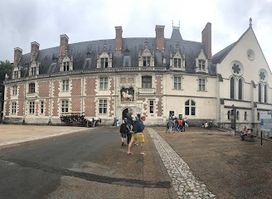
Discover masterpieces by Ingres, Rubens, and Boucher at the Musée des Beaux-Arts, nestled within the historic Château Royal de Blois, showcasing centuries of European art and royal history.
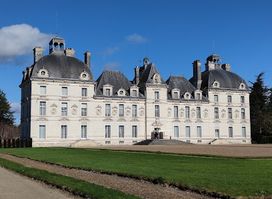
Discover Cheverny's enchanting park, a harmonious blend of French and English garden styles, offering a serene escape amidst themed gardens, majestic trees, and a touch of Tintin magic.
