

Statue de Jeanne d'Arc, Centre Val De Loire Travel Guide
Equestrian statue of Joan of Arc in Orléans, a symbol of French courage and faith, standing tall in Place du Martroi, commemorating her pivotal role in liberating the city.
Dominating the Place du Martroi, the equestrian statue of Joan of Arc is a powerful symbol of Orléans and French national identity. Inaugurated in 1855, this striking sculpture by Denis Foyatier commemorates Joan of Arc's pivotal role in liberating the city from English siege in 1429. The statue depicts Joan of Arc, the Maid of Orléans, in armor, mounted on a horse, and offering thanks to God. The Place du Martroi itself is the central square of Orléans, a bustling hub surrounded by elegant buildings and a focal point for city events. The statue serves as a constant reminder of Joan of Arc's courage, faith, and the turning point she represents in French history, making it a must-see for any visitor to Orléans. The statue is a testament to French national pride and the enduring legacy of a remarkable historical figure.
A brief summary to Statue de Jeanne d'Arc
- 20 Pl. du Martroi, Orléans, 45000, FR
- Click to display
- Click to display

Know before you go
Hi, I'm Eve. Here are a few practical things to know before exploring Statue de Jeanne d'Arc.
- Visit the statue during the annual Joan of Arc Festival (usually late April/early May) for reenactments and celebrations.
- Explore the Maison de Jeanne d'Arc, a reconstruction of the house where Joan of Arc stayed during the siege of Orléans, for a deeper understanding of her story.
- Climb to the top of the Cathédrale Sainte-Croix d'Orléans for panoramic views of the city and the Place du Martroi.
Do you manage this location?
Take control to get all the benefits, like improved information, better appearance, and stronger visibility across AI-powered discovery. Learn more about listing your business on Evendo
Activate your presenceOther nearby places you may find interesting
The closest places of the same kind, if this one is not quite what you had in mind.
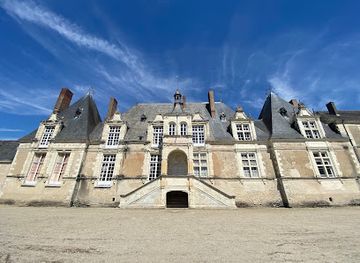
Explore Statue de Jeanne d'Arc on the Map
A handpicked selection of must-see spots near Statue de Jeanne d'Arc, mapped for you.
Unlock the Best of Statue de Jeanne d'Arc
Buy tickets
-
No tickets available
Book tours with entry
-
No tours available
Book tours without entry

Getting There
-
Walking
From the Orléans train station (Gare d'Orléans), exit onto Place Albert 1er and walk straight along Rue de la République. The Place du Martroi, with the statue, will be directly in front of you at the end of the street, approximately a 7-minute walk. The route is pedestrian-friendly and well-signposted.
-
Public Transport
From anywhere in Orléans, take Tram Line A or B to the 'Martroi' stop. The tram stop is located directly on Place du Martroi, right next to the statue. A single tram ticket costs approximately €1.60. Trams run frequently throughout the day.
-
Taxi/Ride-Share
A taxi or ride-share from the Orléans train station (Gare d'Orléans) to the Place du Martroi will take approximately 5 minutes, depending on traffic. The estimated fare is between €8 and €12. There are usually taxis available outside the train station.
-
Driving
Driving directly to Place du Martroi is possible, but parking is limited and can be challenging. The closest parking is available at Parking Le Martroi, located at 2 Rue Bannier, 45000 Orléans, a short walk from the square. Parking rates at Le Martroi are approximately €2.60 per hour. Alternatively, Car Park Carmes is located a 7 minute walk from Place du Martroi, with an hourly rate of €0.50 per 15 minutes.
Discover more about Statue de Jeanne d'Arc













Your all‑in‑one travel companion app
Explore expert travel guides, compare and book tours, experiences, hotels, and more—all from the palm of your hand. Download now for seamless trip planning wherever your wanderlust takes you.


Explore More of Centre Val De Loire
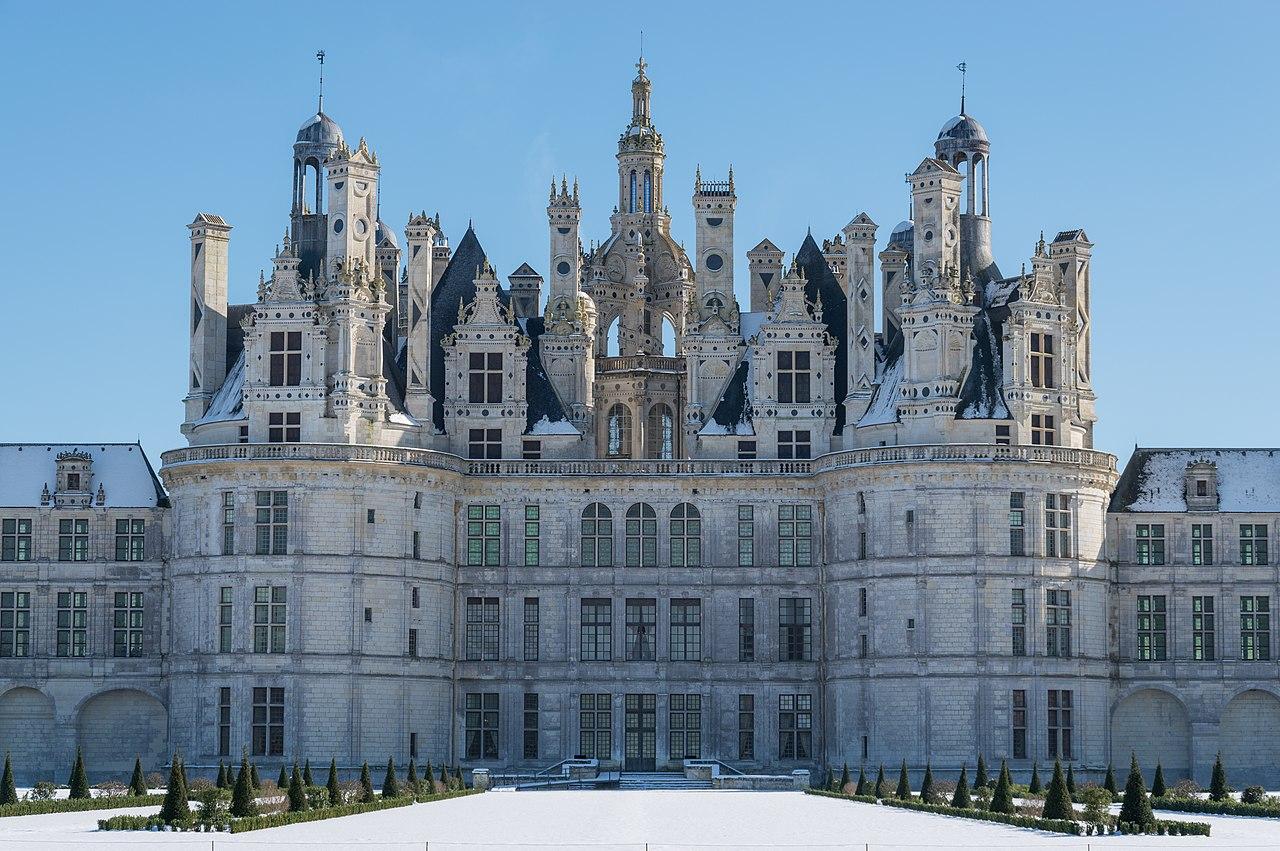
Looking beyond Statue de Jeanne d'Arc? Discover Centre Val De Loire for broader travel guides, local hot-spots, and regional highlights.
Explore Centre Val De Loire
Discover the charm of Château de Charbonnière, a captivating castle and park that embodies the rich history and natural beauty of Saint-Jean-de-Braye.
Discover the Statue of Jean Calvin in Orléans, a tribute to the Reformation leader and a symbol of the city's rich religious history and intellectual heritage, reflecting his time studying law here.
