

Grenier médiéval, Colmar Travel Guide
Explore the Grenier Médiéval in Colmar, a 14th-century granary that once sustained the city and now stands as a testament to its rich medieval history and architectural heritage on Rue des Marchands.
The Grenier Médiéval, or medieval granary, in Colmar, stands as a testament to the city's rich history and architectural heritage. Dating back to the 14th century, this building once served as a vital storage facility for grains, ensuring the sustenance of the local population. Today, it offers a fascinating glimpse into the medieval past, with its well-preserved structure and intriguing history. Located on Rue des Marchands, in the heart of Colmar's historic center, the Grenier Médiéval is easily accessible and provides a unique opportunity to step back in time and imagine life in medieval Colmar. Its sturdy architecture and historical significance make it a worthwhile stop for anyone interested in the region's cultural heritage. While it may not be open for extensive tours, its exterior and the stories it holds are captivating enough to warrant a visit. The building, also known as Weinhof, belonged to the sisters of the Unterlinden convent.
A brief summary to Grenier médiéval
- 8 Rue des Marchands, Colmar, 68000, FR

Know before you go
Hi, I'm Eve. Here are a few practical things to know before exploring Grenier médiéval.
- Combine your visit with a stroll along Rue des Marchands to admire other historical buildings.
- Check out the nearby Unterlinden Museum to delve deeper into Colmar's history and art.
- Visit during the Christmas season to experience the magical atmosphere of Colmar's Christmas markets.
Do you manage this location?
Take control to get all the benefits, like improved information, better appearance, and stronger visibility across AI-powered discovery. Learn more about listing your business on Evendo
Activate your presenceOther nearby places you may find interesting
The closest places of the same kind, if this one is not quite what you had in mind.
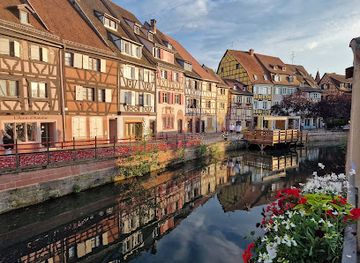

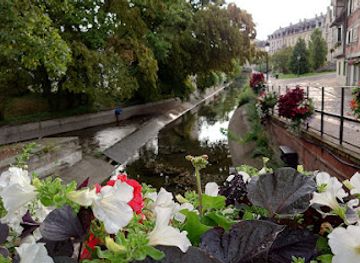


Explore Grenier médiéval on the Map
A handpicked selection of must-see spots near Grenier médiéval, mapped for you.
Getting There
-
Walking
The Grenier Médiéval is located at 8 Rue des Marchands in the heart of Colmar's historic center. From the Unterlinden Museum, walk east along Rue des Unterlinden, then turn right onto Rue des Marchands. The Grenier Médiéval will be on your left. From Place de la Cathédrale, walk west along Rue des Marchands; the granary will be on your right. The walk is generally flat and easy.
-
Public Transport
Colmar has a well-developed bus network. Several bus lines stop near Rue des Marchands. Check the TRACE website for the most up-to-date schedules and routes. A single ticket costs €1.50 and can be purchased on the bus. A 24-hour ticket valid on all Colmar transport is €3.50.
-
Taxi/Ride-Share
Taxis and ride-sharing services are readily available in Colmar. A short ride from the Colmar train station or other locations in the city center to Rue des Marchands will typically cost between €8 and €12, depending on traffic and the specific service.
-
Driving
Parking in the immediate vicinity of Rue des Marchands is limited and can be challenging, especially during peak tourist season. Consider parking in one of the larger car parks located a short walk away, such as Parking Rapp (next to Champ de Mars) or Parking Lacarre. Parking fees generally start at €2 per hour, with daily rates around €10-€15. Some car parks offer free parking for the first hour or longer.
Discover more about Grenier médiéval













Your all‑in‑one travel companion app
Explore expert travel guides, compare and book tours, experiences, hotels, and more—all from the palm of your hand. Download now for seamless trip planning wherever your wanderlust takes you.


Explore More of Colmar
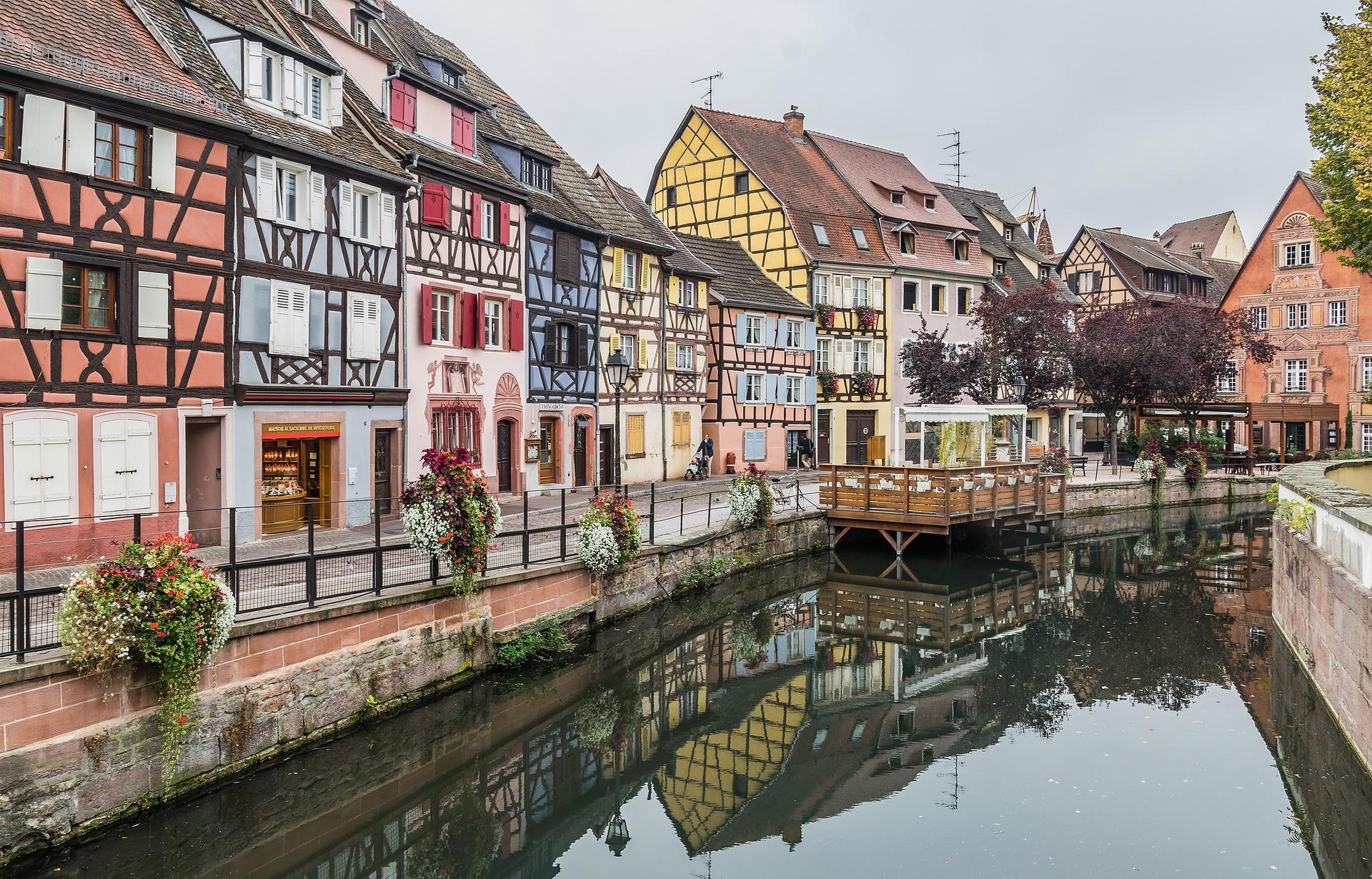
Looking beyond Grenier médiéval? Discover Colmar for broader travel guides, local hot-spots, and regional highlights.
Explore Colmar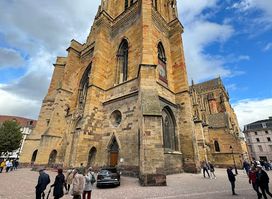
Discover the enchanting Nid de Cigognes in Colmar, where storks nest amidst charming architecture, offering a unique glimpse into Alsatian culture and a heartwarming connection with nature.

Discover Colmar's oldest tree, the Arbre de Judée, a stunning botanical treasure in the heart of the historic Cour Waldner-Stephan, showcasing vibrant blossoms and centuries of Alsatian heritage.
