Discover more about Grotte du Grand Roc
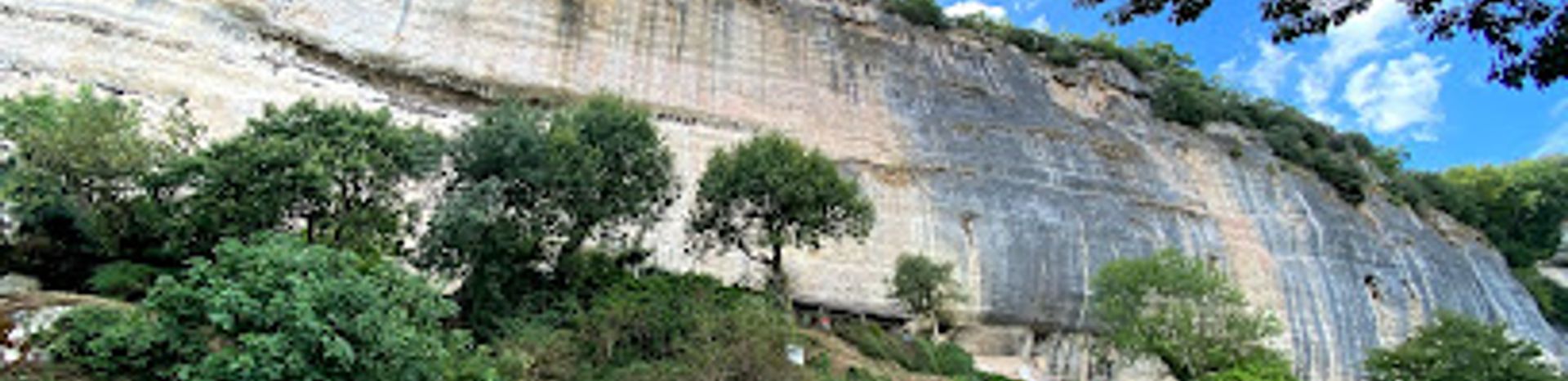
Venture into the heart of the Dordogne and discover the Grotte du Grand Roc, a mesmerizing cave system renowned for its stunning mineral formations. Located near the prehistoric hub of Les Eyzies, this cave offers a different perspective from the region's many painted caves, focusing instead on the sheer beauty and diversity of its geological features. The Grotte du Grand Roc was discovered in 1924 by Jean Maury, an archaeologist working at the nearby Laugerie Basse prehistoric site. Maury noticed a small spring emerging from a crack in the cliff face and, driven by curiosity, began to investigate. After two years of dedicated work, he and his team broke through into a previously untouched cave, revealing a breathtaking display of mineral formations that had been developing for millennia. Opened to the public in 1927, the Grotte du Grand Roc quickly became a popular attraction, drawing visitors from around the world to marvel at its unique beauty. Unlike the painted caves of the region, which offer insights into the lives and art of prehistoric humans, the Grand Roc cave is a testament to the power and artistry of nature itself. The cave is the only concretion cave in the Vézère Valley listed as a UNESCO World Heritage Site. As you descend into the cave, prepare to be amazed by the sheer density and variety of mineral formations. Stalactites hang from the ceiling like delicate chandeliers, while stalagmites rise from the floor, creating a forest of stone. Calcite flows cascade down the walls, resembling frozen waterfalls, and eccentric formations twist and turn in defiance of gravity, adding an element of whimsy to the scene. The cave's unique geology is responsible for the incredible diversity of its formations. The limestone rock, combined with the stable clay soil surrounding the cave, creates the perfect conditions for the development of these intricate structures. Over thousands of years, rainwater seeping through the rock has dissolved minerals and deposited them within the cave, slowly building up the formations we see today. One of the most remarkable features of the Grotte du Grand Roc is the abundance of "excentriques," also known as helictites. These are small, twisting formations that seem to defy gravity, growing in all directions and creating a truly surreal effect. The sheer number of these formations in the Grand Roc cave is unparalleled, giving the space a magical, otherworldly quality. As you explore the cave, be sure to look out for some of its most iconic formations. One is a tall, slender cross, a testament to the slow, patient work of dripping water. Another is a formation resembling a whale's tail, nestled within a grotto of enchanting shapes. The Grotte du Grand Roc is more than just a beautiful cave; it's also a journey through time. The formations within the cave have been developing for tens of thousands of years, offering a glimpse into the Earth's ancient past. The cave was inhabited by our ancestors at various periods throughout prehistory, and in particular 15,000 years ago by Cro-Magnon. The cave maintains a constant temperature of 16°C (61°F) year-round, providing a cool and refreshing escape from the summer heat. However, it's advisable to bring a light jacket or sweater, as the humidity within the cave can make it feel cooler. Visits to the Grotte du Grand Roc are conducted with a guide, who will share insights into the cave's history, geology, and unique formations. Tours are typically offered in both French and English, ensuring that visitors from around the world can fully appreciate the experience. For a truly unique experience, consider visiting the Grotte du Grand Roc during one of its nighttime tours. These tours are conducted by storm lamp, recreating the conditions in which Jean Maury first discovered the cave. The flickering light of the lamps adds an element of mystery and adventure to the experience, allowing you to see the cave in a whole new light. The Grotte du Grand Roc is located just a short distance from the village of Les Eyzies, making it easily accessible for visitors to the region. The cave is open to the public from February to December, with varying hours depending on the season. It is advisable to check the cave's website or contact them directly for the most up-to-date information on opening hours and tour schedules. While in Les Eyzies, be sure to explore the other prehistoric sites in the area, including the National Museum of Prehistory, the Cro-Magnon rock shelter, and the Font-de-Gaume cave, home to some of the most well-preserved prehistoric paintings in the world. A combined ticket with the nearby Laugerie Basse prehistoric shelter provides a comprehensive experience of the region's natural and human history. The Grotte du Grand Roc is a truly unforgettable experience, offering a unique glimpse into the beauty and power of nature. Whether you're a seasoned cave explorer or a first-time visitor, you're sure to be amazed by the stunning mineral formations and the magical atmosphere of this subterranean wonderland. To make the most of your visit, be sure to wear comfortable shoes, as the cave floor can be uneven in places. Also, remember to bring a camera to capture the stunning formations, but be aware that flash photography may be restricted in certain areas of the cave. The Grotte du Grand Roc is more than just a tourist attraction; it's a natural treasure that has been preserved for generations to enjoy. By visiting this remarkable cave, you're not only experiencing the beauty of nature but also supporting the ongoing efforts to protect and preserve this unique geological wonder for future generations.