

Cote des Blancs Travel Guide - Free Web & App
Your ultimate guide to Cote des Blancs. Discover top landmarks, proposed trips, and local tips. Free on the web or via the Evendo companion app.


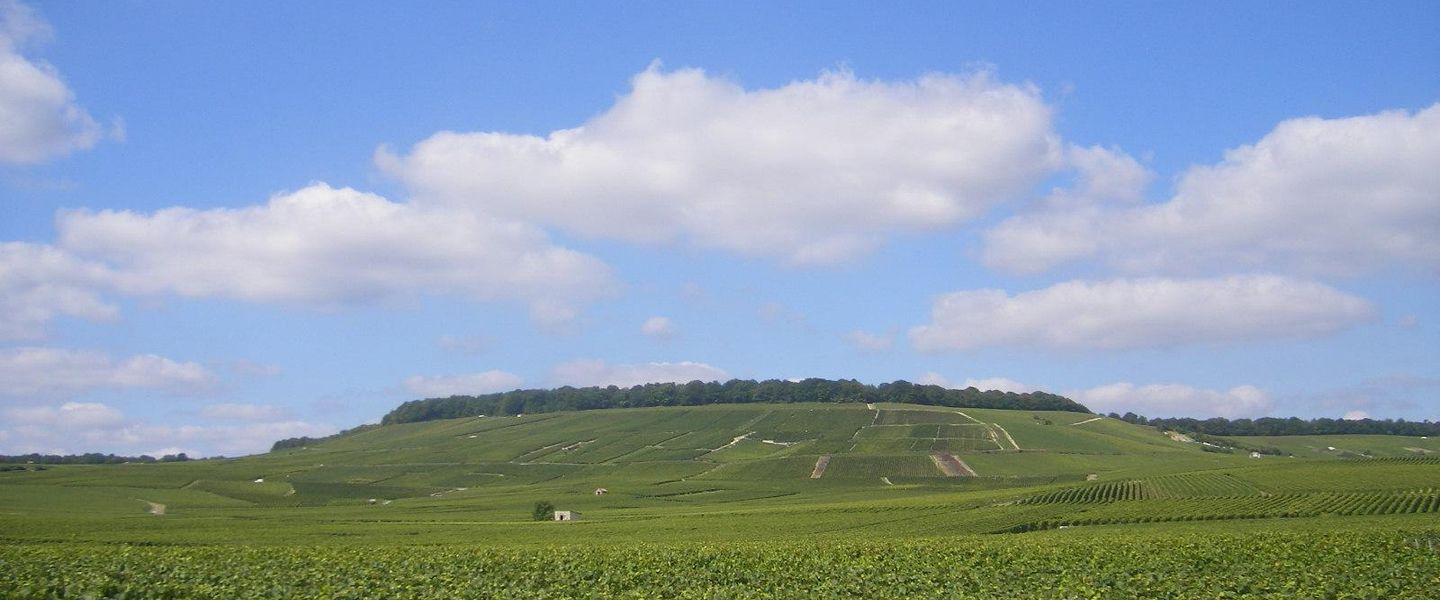


Côte des Blancs, France: explore chalk hills, grand cru Champagne villages, cellar visits, vineyard walks and the heritage of Épernay in Champagne.
Vineyards on the Chalk
The Côte des Blancs is a celebrated Champagne wine-growing district south of Épernay, extending through a long east-facing escarpment and its surrounding villages in the Marne department. Its name refers to the pale chalk soils that shape the landscape and help explain the area's close association with Chardonnay. Vineyards rise in orderly bands above villages such as Cramant, Avize, Oger and Le Mesnil-sur-Oger, while Vertus and Bergères-les-Vertus mark the southern part of the wine-growing area. The slopes offer broad views across the Champagne plain, particularly where small roads and vineyard paths climb above the settlements.Read more about Cote des Blancs
Villages and Champagne Heritage
Exploring the Region
When is the best time to visit Cote des Blancs?
Best: June–July, September · 24–27°C| Month | High (°C) | Rainfall (mm) |
|---|---|---|
| January | 8 | 43 |
| February | 9 | 35 |
| March | 13 | 39 |
| April | 17 | 44 |
| May | 21 | 50 |
| June (best) | 25 | 57 |
| July (best) | 27 | 60 |
| August | 27 | 60 |
| September (best) | 24 | 57 |
| October | 18 | 60 |
| November | 13 | 54 |
| December | 9 | 44 |
Getting to and around Cote des Blancs
How to get there
Transportation
Best attractions in Cote des Blancs
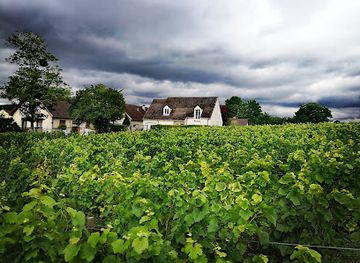
The main attraction of the Côte des Blancs is its sequence of vineyard villages and south-facing or east-facing slopes, where Chardonnay vines form a carefully cultivated landscape above the Champagne plain. Cramant, Avize, Oger and Le Mesnil-sur-Oger are central stops for cellar visits and tastings, while Vertus provides a historic southern base with access to the surrounding countryside. The small village of Chouilly, north of the core Côte des Blancs, is associated with Champagne tourism and vineyard heritage, and links conveniently with Épernay. Visitors can follow rural roads between the villages, pause at elevated viewpoints where public access permits, and explore the difference between grower-led and larger-house approaches to Champagne. The experience is less about a single monument than about understanding how chalk, slope, grape variety, cellar practice and village identity combine across a working wine region.
-
Winery
Champagne Billecart-Salmon
Discover the timeless elegance of Champagne Billecart-Salmon, a family-owned house since 1818, renowned for its exquisite cuvées, sustainable practices, and immersive cellar tours.
-
Tourist attraction
Belvédère De Cramant
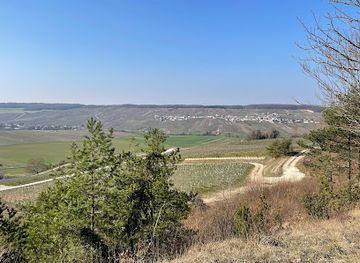
Discover breathtaking panoramic views of Champagne's vineyards from the Belvédère De Cramant, a scenic overlook offering insights into the region's rich viticultural heritage and stunning landscapes.
-
Museum
Musée de la Vigne et du Vin
Discover the secrets of Champagne production at this immersive museum, nestled in the heart of a Grand Cru village and showcasing centuries of winemaking heritage.
Best landmarks in Cote des Blancs
The defining landmark of the Côte des Blancs is its chalk escarpment, a pale geological foundation expressed through vineyards that rise above a chain of compact villages. The Champagne slopes, villages and cellar network form part of the UNESCO-listed Champagne Hillsides, Houses and Cellars cultural landscape, recognised for the relationship between terrain, viticulture, production and trade. Villages such as Avize, Cramant, Oger and Le Mesnil-sur-Oger are landmarks of Champagne identity in their own right, with churches, village streets and grower premises embedded in the agricultural setting. Vertus adds a historic southern focus, while Épernay's Avenue de Champagne, just beyond the core district, is an important nearby heritage feature lined with major Champagne houses and extensive underground cellars. The most significant sights are therefore the connected landscape and its working wine heritage rather than isolated monuments.
-
Winery
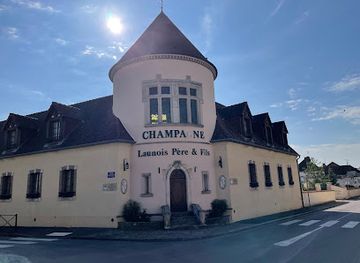
Champagne Launois Père et Fils
Experience the legacy of a Grand Cru Champagne house, where tradition meets exquisite taste in every bottle since 1872.
-
Vineyard
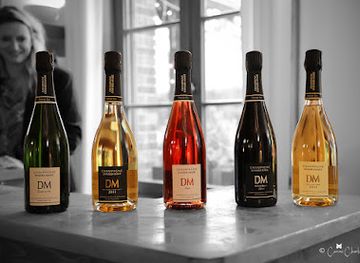
Champagne Doyard Mahé
Experience the tradition and elegance of a family-run Champagne house in the heart of Côte des Blancs, offering exquisite tastings in a charming setting.
Explore Cote des Blancs on the map
Plan your trip on one map. See where the top attractions, landmarks, restaurants and hotels are, and book hotels and experiences in a few clicks.
Best hotels in Cote des Blancs
Best bars in Cote des Blancs
Evenings in the Côte des Blancs are quiet and village-based rather than centred on nightclubs. The most characteristic options are traditional cafés, hotel bars and village restaurants where residents and visitors meet over Champagne, beer or a modest late meal. Some producers and accommodation businesses may host occasional tastings or seasonal events, but these should not be assumed to operate as regular nightlife. Épernay provides the largest nearby choice of bars and evening venues, particularly around the town centre and Avenue de Champagne, while Reims is the regional option for a broader late-night scene. In the villages, many evening experiences depend on booked dining, a cellar visit or the atmosphere of a local hospitality venue rather than spontaneous entertainment, and visitors should expect rural roads and limited late transport after returning from Épernay.
-
Bar
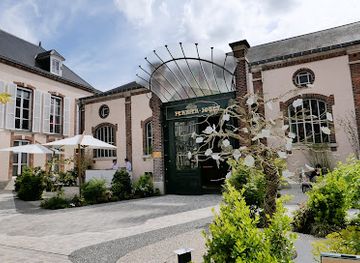
#Brut - Bar Avenue de Champagne
Discover the elegance of #Brut - Bar Avenue de Champagne, where exquisite wines meet a chic atmosphere in the heart of Épernay.
-
Bar
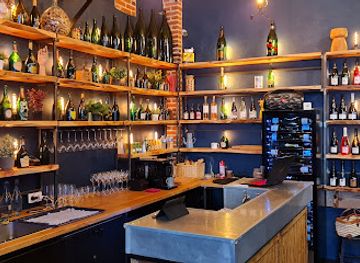
Le 19 avenue de Champagne
Discover the heart of Épernay at Le 19 Avenue de Champagne, an exquisite bar and wine cellar offering the finest local champagnes in a charming setting.
Best nightclubs in Cote des Blancs
Evenings in the Côte des Blancs are quiet and village-based rather than centred on nightclubs. The most characteristic options are traditional cafés, hotel bars and village restaurants where residents and visitors meet over Champagne, beer or a modest late meal. Some producers and accommodation businesses may host occasional tastings or seasonal events, but these should not be assumed to operate as regular nightlife. Épernay provides the largest nearby choice of bars and evening venues, particularly around the town centre and Avenue de Champagne, while Reims is the regional option for a broader late-night scene. In the villages, many evening experiences depend on booked dining, a cellar visit or the atmosphere of a local hospitality venue rather than spontaneous entertainment, and visitors should expect rural roads and limited late transport after returning from Épernay.
-
 Night club
Le Moont
Discover the pulsating nightlife of Chavot-Courcourt at Le Moont, where music and dance create unforgettable memories.
Get your free copy of our complete guide to Cote des Blancs, delivered straight to you.
Everything on this page, from attractions and restaurants to essentials and local phrases, in one PDF you can read offline, print or share.
Already have an account? Sign in
Your Cote des Blancs guide is ready.
We'll send it to · Not you? Sign out

Getting your guide ready…
We are putting together a fresh copy of the Cote des Blancs guide. This can take up to a minute.
This can take a few moments. If your browser asks, choose Allow so the download can start. You'll find the guide in your Downloads folder.
Nothing happened? Download it again
Sorry, the guide is taking longer than usual. Please try again in a minute, or get it by email instead.
Cote des Blancs essentials
Currency and Payment
Safety
Emergency Situations
Do's and Don'ts
Local Tips
From Eve
Local phrases worth knowing
You don't need to get them perfect. A few words go a long way, and locals appreciate the effort.
Basics
| English | Local | Say it |
|---|---|---|
| Hello | Bonjour | [Bon-zhoor] |
| Goodbye | Au revoir | [O re-vwar] |
| Yes | Oui | [Wee] |
| No | Non | [Non] |
| Please/You're welcome | S'il vous plaît/De rien | [Seel voo pleh/Dee ryen] |
| Thank you | Merci | [Mehr-see] |
| Excuse me/Sorry | Excusez-moi/Désolé | [Ex-kew-zay mwa/Day-zo-lay] |
| How are you? | Comment ça va? | [Koh-mon sah vah] |
| Fine. And you? | Bien. Et vous? | [Byen. Ay voo] |
| Do you speak English? | Parlez-vous anglais? | [Par-lay voo ahn-glay] |
| I don't understand | Je ne comprends pas | [Zhuh nuh kohm-prahn pah] |
Eating & Drinking
| English | Local | Say it |
|---|---|---|
| I'd like to see the menu, please | Je voudrais voir la carte, s'il vous plaît | [Zhuh voo-dray vwar lah kart, seel voo pleh] |
| I don't eat meat | Je ne mange pas de viande | [Zhuh nuh mahnj pah duh vee-and] |
| Cheers! | Santé! | [San-tay] |
| I would like to pay, please | Je voudrais payer, s'il vous plaît | [Zhuh voo-dray pay-ay, seel voo pleh] |
Emergencies
| English | Local | Say it |
|---|---|---|
| Help! | À l'aide! | [Ah leyd] |
| Go away! | Allez-vous en! | [Al-lay voo ahn] |
| Call the Police! | Appelez la police! | [Ah-peh-lay lah plees] |
| Call a doctor! | Appelez un médecin! | [Ah-peh-lay uh mayd-sahn] |
| I'm lost | Je suis perdu | [Zhuh swee pair-doo] |
| I'm ill | Je suis malade | [Zhuh swee mah-lahd] |
Shopping
| English | Local | Say it |
|---|---|---|
| I'd like to buy... | Je voudrais acheter... | [Zhuh voo-dray ash-tay...] |
| I'm just looking | Je regarde juste | [Zhuh ruh-gard zhust] |
| How much is it? | Combien ça coûte? | [Kohm-byen sah koot] |
| That's too expensive | C'est trop cher | [Say troh shair] |
| Can you lower the price? | Pouvez-vous baisser le prix? | [Poo-vay voo beh-say luh pree] |
Time & Numbers
| English | Local | Say it |
|---|---|---|
| What time is it? | Quelle heure est-il? | [Kel eur eh-teel] |
| It's one o'clock | Il est une heure | [Eel eh oon eur] |
| Half past (10) | Dix et demi | [Dees ay duh-mee] |
| Morning | Matin | [Mah-tahn] |
| Afternoon | Après-midi | [Ah-pray mee-dee] |
| Evening | Soir | [Swahr] |
| Yesterday | Hier | [Yair] |
| Today | Aujourd'hui | [O-zhoor dew-ee] |
| Tomorrow | Demain | [Duh-mahn] |
| 1 | Un | [Uh] |
| 2 | Deux | [Duh] |
| 3 | Trois | [Twa] |
| 4 | Quatre | [Kat] |
| 5 | Cinq | [Sank] |
| 6 | Six | [Sees] |
| 7 | Sept | [Set] |
| 8 | Huit | [Wee-et] |
| 9 | Neuf | [Nuf] |
| 10 | Dix | [Dees] |
Transport & Directions
| English | Local | Say it |
|---|---|---|
| Where's a/the...? | Où est le/la...? | [Oo eh luh/lah] |
| What's the address? | Quelle est l'adresse? | [Kel eh lah-dress] |
| Can you show me (on the map)? | Pouvez-vous me montrer (sur la carte)? | [Poo-vay voo muh mon-tray (sir lah kart)] |
| When's the next (bus)? | Quand est le prochain (bus)? | [Kahn eh luh proh-shan (bus)] |
| A ticket (to ....) | Un billet (pour ....) | [Uh bee-yay (poor)] |
History of Cote des Blancs
Chalk, Slopes and Ancient Seas
The physical character of the Côte des Blancs is rooted in the chalk of the Champagne basin, formed from marine sediments during the Cretaceous period. This soft, porous subsoil stores and releases water, while the east-facing slopes provide the combination of drainage, exposure and aspect that has helped Chardonnay flourish. The escarpment and its neighbouring valleys are geological features rather than a human-built unit, but they became the foundation for a distinctive agricultural landscape in which villages occupy the lower ground and vineyards climb the slopes above them.
Medieval Villages and Monastic Viticulture
The villages of the Côte des Blancs developed within the historic countryside of Champagne, where religious institutions, seigneurial estates and local communities helped organise farming and vineyard production during the medieval period. Churches, village layouts and surviving rural buildings reflect centuries of settlement, although the area has generally remained agricultural rather than urban. Viticulture gradually became an important source of local identity and income, alongside cereals and other farming. Vertus, Avize, Cramant, Oger and Le Mesnil-sur-Oger retain the close relationship between compact settlements and surrounding cultivated slopes.
From Still Wine to Champagne
Wine was produced in Champagne long before the modern sparkling style became dominant, but the region's reputation changed as techniques for managing secondary fermentation in bottle developed during the seventeenth and eighteenth centuries. Improvements in bottle manufacture, corks, cellar practice and blending gradually made sparkling Champagne more reliable and commercially important. The Côte des Blancs became particularly valued for Chardonnay, whose wines could provide freshness, longevity and finesse in blends or as single-village expressions. The growth of Champagne houses and merchant networks linked these rural villages with Épernay, Reims and international markets.
Modern Appellations and Protected Heritage
The Champagne wine-growing area was progressively structured through modern appellation rules, delimitation of production zones and quality regulations that govern grapes, yields, pressing and production. Growers, cooperatives and houses continue to shape the Côte des Blancs, where individual village reputations are often discussed through the historic cru system. The hillsides, houses and cellars of Champagne were inscribed together on the UNESCO World Heritage List in 2015 for their cultural landscape and technological heritage. Today, tourism supplements rather than replaces viticulture, with cellar visits helping visitors understand the continuing work of the region's producers.
Cote des Blancs in Photos
Browse through our photo collection highlighting the charm and character of the destination.
Neighbouring destination travel guides
The closest destinations to Cote des Blancs, if you have time for more than one.
-

-

-

-
-


Swipe for more destinations
Explore more

Explore more of Champagne
Discover the allure of Champagne, France – a region renowned for its world-class sparkling wine, historical landmarks, and captivating landscapes.
Explore Champagne
Explore more of France
Explore France: A land of romance, history, and unparalleled beauty, from the iconic streets of Paris to the serene landscapes of Provence and the luxury of the French Riviera.
Explore France