Château de Costaérès, Côte De Granit Rose Travel Guide
Discover the enchanting Château de Costaérès, a neo-medieval marvel on Brittany's Pink Granite Coast, offering breathtaking views and a glimpse into the region's rich history and natural beauty.
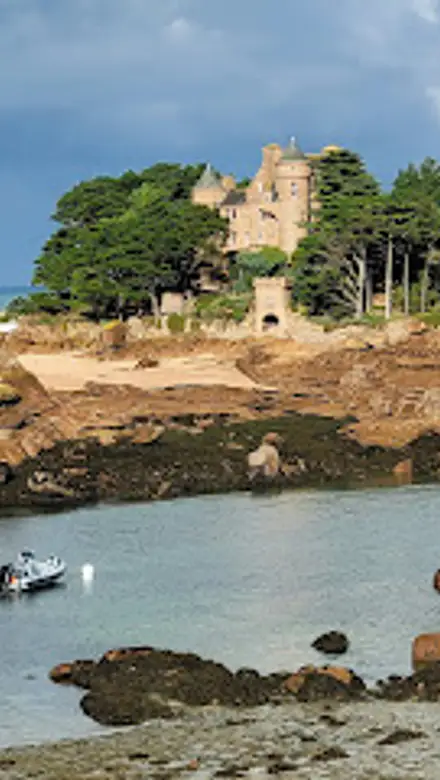
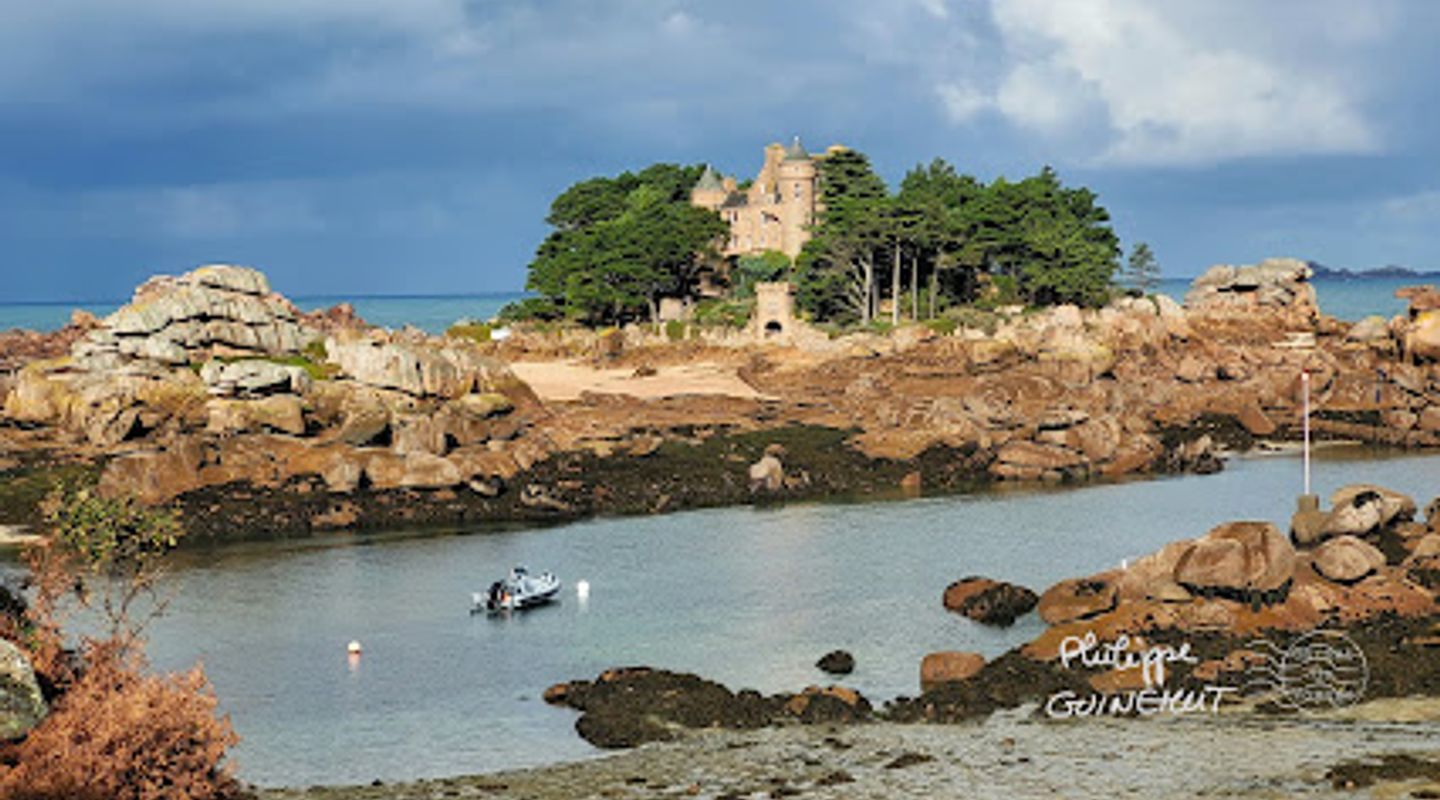
The Château de Costaérès, a neo-medieval mansion constructed of pink granite, graces a small island just off the coast of Trégastel in Brittany. Built in the late 19th century by a Polish mathematician, Bruno Abakanowicz, the château has become an iconic image of the Côte de Granit Rose (Pink Granite Coast). Though a private residence and not open for tours, its unique architecture and stunning seaside location make it a captivating sight. Visitors can admire the castle from the mainland, especially from Tourony beach, and enjoy the surrounding natural beauty of the rugged coastline, characterized by its distinctive pink granite rock formations and scenic coastal paths. The island is accessible on foot at low tide, offering a closer view of this fairytale-like structure. The castle's history includes requisition by German forces during WWII and a fire in 1990, adding layers to its intriguing past.
A brief summary to Château de Costaérès
- Trégastel, FR

Know before you go
Hi, I'm Eve. Here are a few practical things to know before exploring Château de Costaérès.
- Visit Tourony beach for the best panoramic views of the Château de Costaérès, especially during sunset.
- Check the tide times before visiting; at low tide, you can walk closer to the island, but be mindful of the returning tide.
- Explore the nearby coastal paths (GR34) for stunning views of the Pink Granite Coast and the surrounding area.
- Combine your visit with a trip to Ploumanac'h and its famous lighthouse for a full day of exploring the Côte de Granit Rose.
- Bring your camera! The unique pink granite formations and the picturesque castle offer incredible photo opportunities.
Do you manage this location?
Take control to get all the benefits, like improved information, better appearance, and stronger visibility across AI-powered discovery. Learn more about listing your business on Evendo
Activate your presenceOther nearby places you may find interesting
The closest places of the same kind, if this one is not quite what you had in mind.
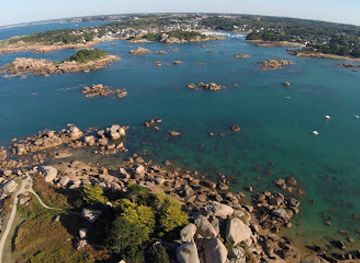
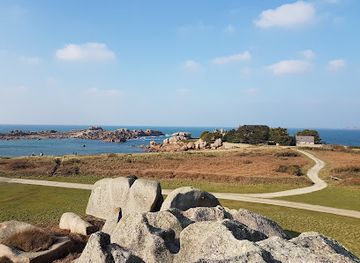
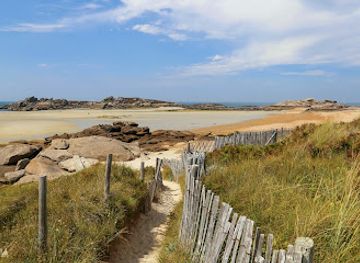
Explore Château de Costaérès on the Map
A handpicked selection of must-see spots near Château de Costaérès, mapped for you.
Getting There
-
Walking
From the center of Trégastel, follow the signs towards Plage de Tourony. The beach is approximately a 20-30 minute walk. As you approach the beach, the Château de Costaérès will become visible on its island. At low tide, you can walk across the exposed seabed to get closer, but be aware of the tide times to ensure a safe return. The walk to the beach is free.
-
Public Transport
From the main bus stop in Trégastel (operated by BreizhGo), take a local bus towards Ploumanac'h. Get off at the stop closest to Plage de Tourony. From there, it's a short walk to the beach. Bus tickets cost approximately €2-€3 for a single journey. Check the BreizhGo website for the most up-to-date schedules.
-
Driving
From Trégastel, follow the D788 towards Ploumanac'h. Look for signs directing you to Plage de Tourony. There is parking available near the beach, but it can be limited during peak season. Parking fees range from €3-€5 for the day.
Discover more about Château de Costaérès













Your all‑in‑one travel companion app
Explore expert travel guides, compare and book tours, experiences, hotels, and more—all from the palm of your hand. Download now for seamless trip planning wherever your wanderlust takes you.


Explore More of Côte De Granit Rose
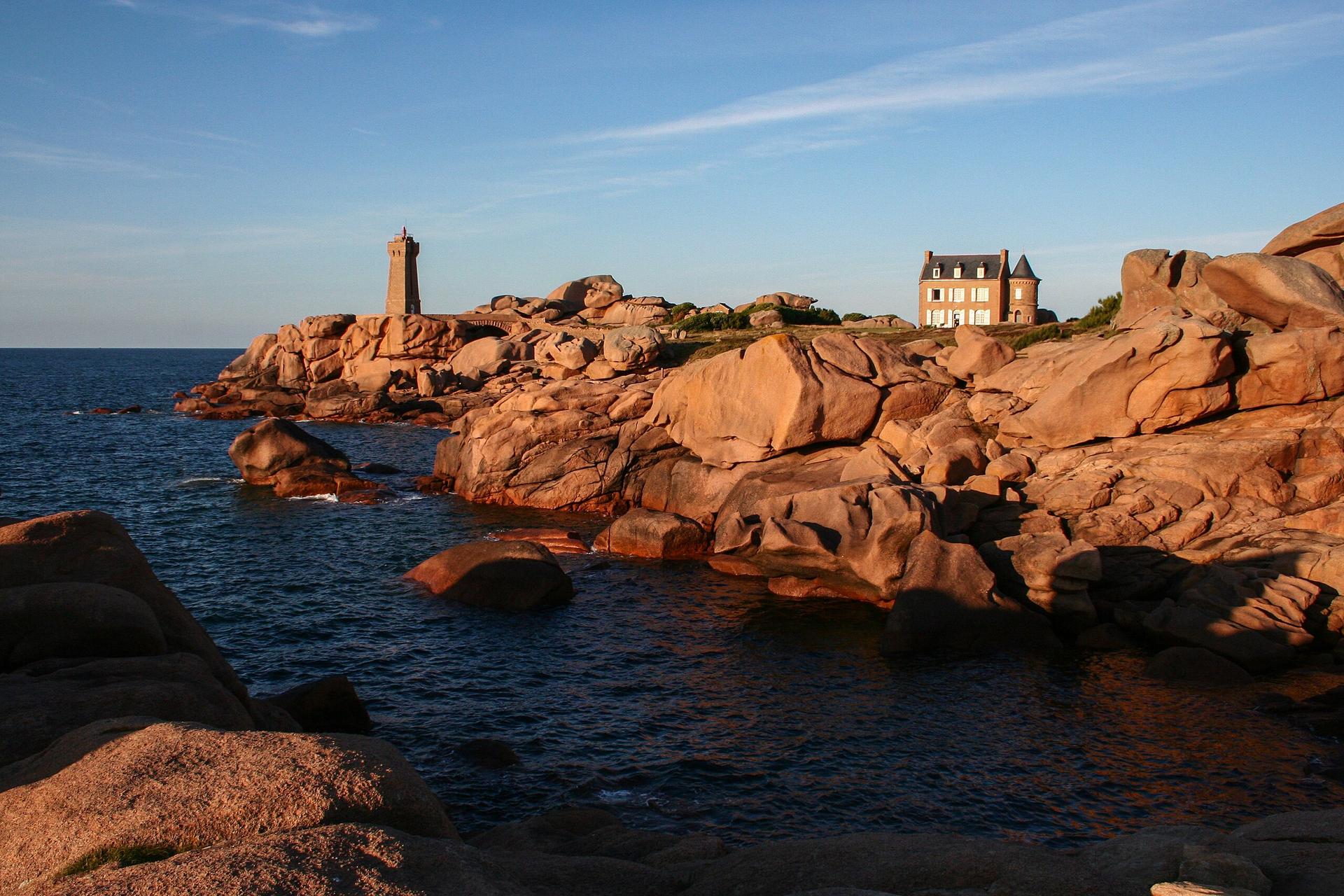
Looking beyond Château de Costaérès? Discover Côte De Granit Rose for broader travel guides, local hot-spots, and regional highlights.
Explore Côte De Granit Rose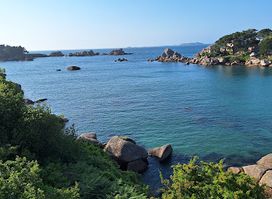
Discover breathtaking views of Brittany's Pink Granite Coast from Point de vue sur Saint Guirec, overlooking the iconic beach, oratory, and Château de Costaérès.
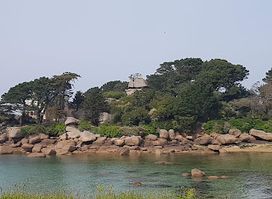
Discover the iconic Napoleon's Hat rock formation on Brittany's Pink Granite Coast, a stunning blend of natural beauty, historical charm, and coastal allure in Ploumanac'h.