Liberation Square, Dijon Travel Guide
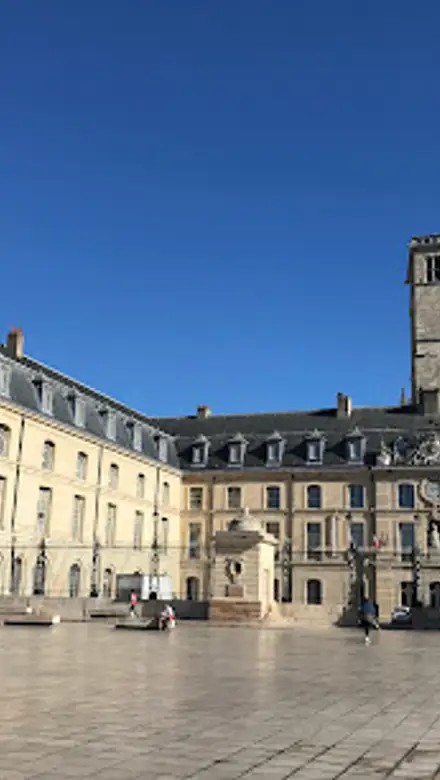
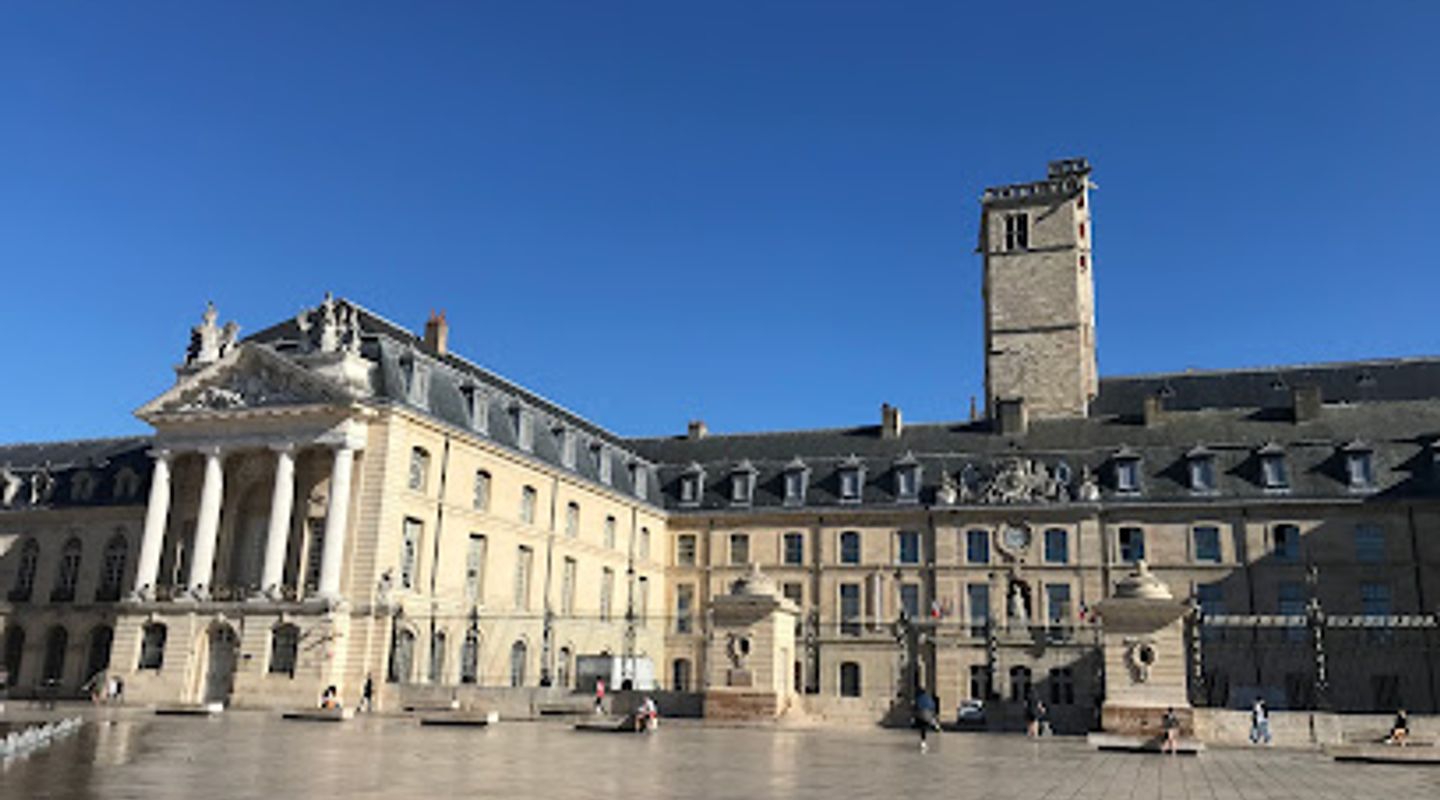
Experience the vibrant history and charm of Liberation Square in Dijon, where stunning architecture meets lively cafes and beautiful fountains.
Liberation Square, located in the heart of Dijon, is a vibrant historical plaza that invites tourists to explore its scenic beauty, fascinating architecture, and lively atmosphere. Surrounded by charming cafes and lush fountains, this square is perfect for relaxation or enjoying local delicacies.
A brief summary to Liberation Square
- Pl. de la Libération, Dijon, 21000, FR
- Click to display

Know before you go
Hi, I'm Eve. Here are a few practical things to know before exploring Liberation Square.
- Visit during the early morning or late afternoon for fewer crowds and a more peaceful experience.
- Don't miss the local cafes around the square, which offer delicious pastries and the region's famous wines.
- Check for any local events or markets happening in the square to enjoy a taste of the local culture.
- Bring a camera to capture the stunning architecture and vibrant atmosphere of the square.
- Take time to relax on one of the benches and enjoy the lively ambiance of the square.
Do you manage this location?
Take control to get all the benefits, like improved information, better appearance, and stronger visibility across AI-powered discovery. Learn more about listing your business on Evendo
Activate your presenceOther nearby places you may find interesting
The closest places of the same kind, if this one is not quite what you had in mind.

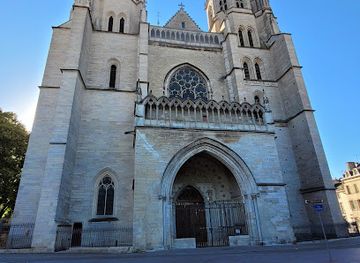
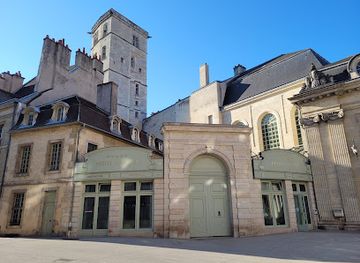
Explore Liberation Square on the Map
A handpicked selection of must-see spots near Liberation Square, mapped for you.
Getting There
-
Walking
If you are starting from the Dijon city center, head towards Rue de la Liberté. Walk straight down this street until you reach the intersection with Place Darcy. Cross over to the other side of the square, and continue straight onto Rue des Godrans. At the end of this street, you will find yourself at the entrance of Liberation Square (Place de la Libération). Follow the signs for 'Pl. de la Libération' as you walk through.
-
Public Transport - Tram
If you are near a tram stop, board tram line T1 or T2 and head towards the station 'Gare SNCF'. Get off at the 'Darcy' stop. From there, exit the tram and walk straight ahead along Rue de la Liberté. Continue walking until you reach the intersection with Place Darcy, then proceed as described above, following Rue des Godrans to Liberation Square.
-
Walking from Dijon Train Station
If you are arriving at Dijon Train Station (Gare de Dijon), exit the station and head towards the main street, Rue du Pont. Turn left onto Rue de la Liberté and follow it straight. This will lead you directly to Place Darcy. From there, follow Rue des Godrans to reach Liberation Square.
Discover more about Liberation Square













Your all‑in‑one travel companion app
Explore expert travel guides, compare and book tours, experiences, hotels, and more—all from the palm of your hand. Download now for seamless trip planning wherever your wanderlust takes you.


Explore More of Dijon
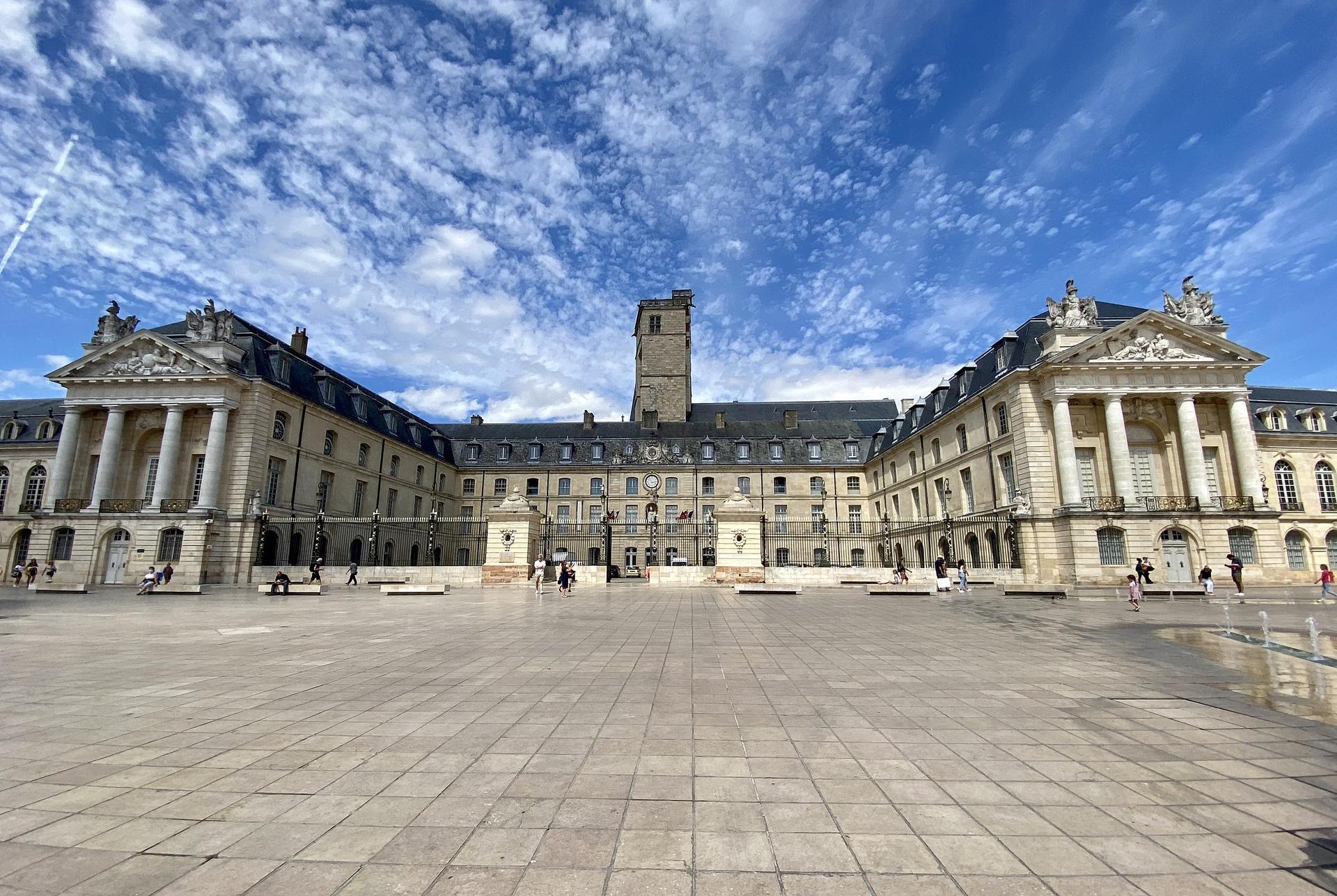
Looking beyond Liberation Square? Discover Dijon for broader travel guides, local hot-spots, and regional highlights.
Explore Dijon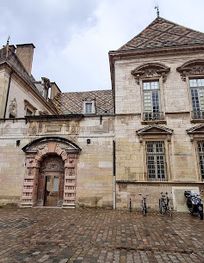
Discover Dijon's Hôtel de Vogüé, a 17th-century architectural gem showcasing a blend of Renaissance and classical design, reflecting the city's rich heritage.

Explore Dijon's Palais des Ducs, a majestic landmark blending Gothic and Neoclassical architecture, housing art treasures and centuries of Burgundian history.