Villars Cave, Dordogne Valley Travel Guide
Explore a breathtaking cave adorned with stunning concretions and authentic prehistoric art dating back 19,000 years in the heart of Dordogne.
Explore the Grotte de Villars, a stunning cave in the Dordogne region of France, adorned with both breathtaking natural concretions and authentic prehistoric paintings dating back 19,000 years. Discover a world of stalactites, stalagmites, and ancient art in this unique geological and historical site.
A brief summary to Villars Cave
- Le Cluzeau, Villars, 24530, FR
- Click to display
- Click to display
- Monday 10 am-12:30 pm
- Tuesday 10 am-12:30 pm
- Wednesday 10 am-12:30 pm
- Thursday 10 am-12:30 pm
- Friday 10 am-12:30 pm
- Saturday 10 am-12:30 pm
- Sunday 10 am-12:30 pm

Know before you go
Hi, I'm Eve. Here are a few practical things to know before exploring Villars Cave.
- The cave maintains a constant temperature of 13°C (55°F), so bring a jacket or sweater, even in summer.
- Book your guided tour in advance, especially during peak season, to avoid disappointment.
- Photography is not allowed inside the cave to protect the paintings and preserve the atmosphere.
- Allow ample time to explore the Prehistoric Garden and enjoy the interactive exhibits.
Do you manage this location?
Take control to get all the benefits, like improved information, better appearance, and stronger visibility across AI-powered discovery. Learn more about listing your business on Evendo
Activate your presenceOther nearby places you may find interesting
The closest places of the same kind, if this one is not quite what you had in mind.

Explore Villars Cave on the Map
A handpicked selection of must-see spots near Villars Cave, mapped for you.
Getting There
-
Driving
If driving, head towards Villars. From Périgueux, take the D710 west for approximately 18 km. Turn left onto the D46 and follow the signs for Villars Cave for about 2 km. Parking is available near the cave entrance. Note that parking can be limited during peak season.
-
Public Transport
To reach Villars Cave by public transport, take a train from Périgueux to Thiviers. From Thiviers, take a taxi to Villars Cave. The taxi fare will be approximately €40-€60. Alternatively, take a local bus from Brantôme towards Villars. From the bus stop, the cave is about a 2 km walk.
-
Walking
If you are in Villars, you can walk to the cave. It's approximately a 25-minute walk from the village center. Head southwest on the D46 road, following the signs to the cave. The path is well-marked.
Discover more about Villars Cave













Your all‑in‑one travel companion app
Explore expert travel guides, compare and book tours, experiences, hotels, and more—all from the palm of your hand. Download now for seamless trip planning wherever your wanderlust takes you.


Explore More of Dordogne Valley
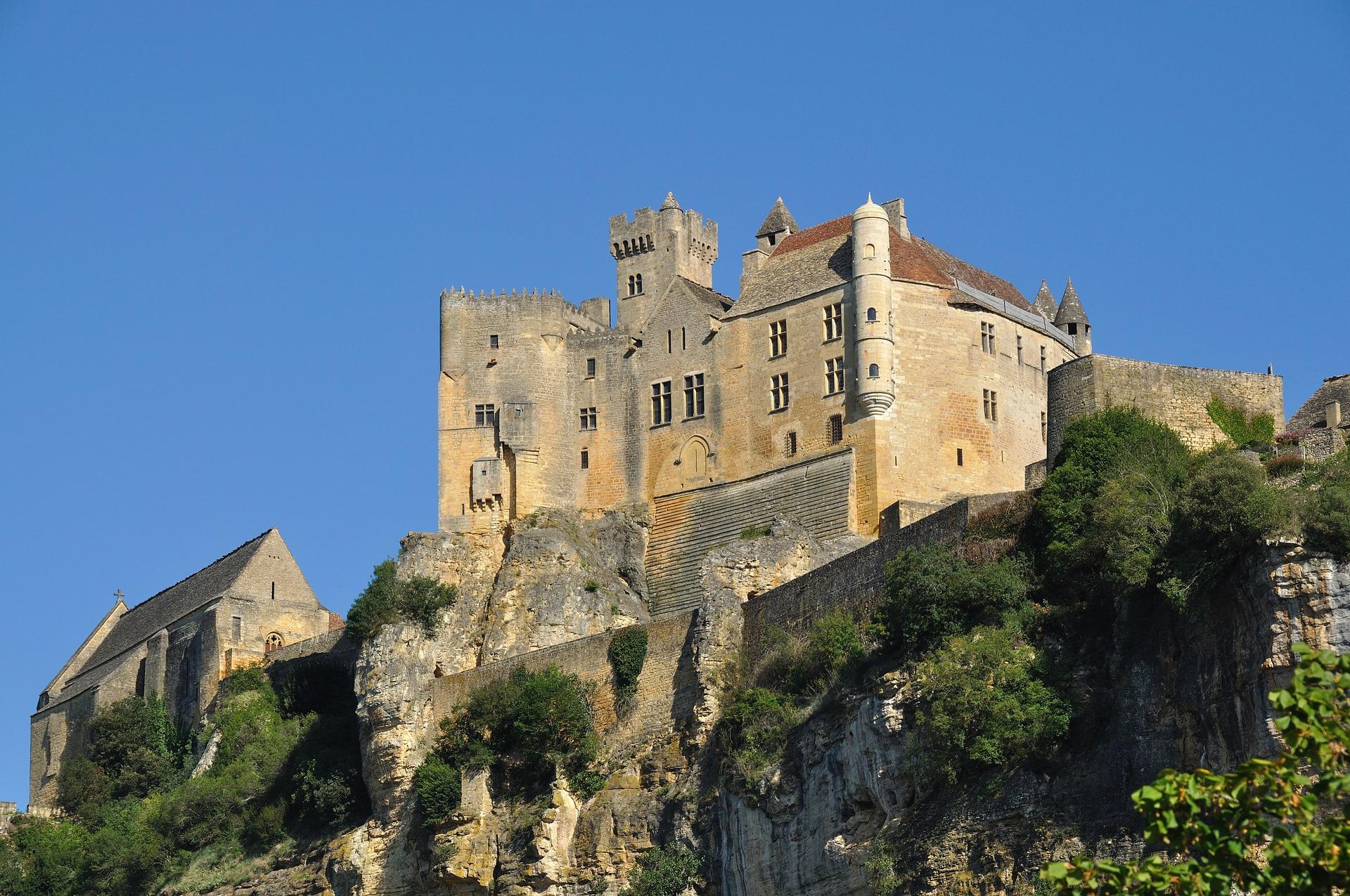
Looking beyond Villars Cave? Discover Dordogne Valley for broader travel guides, local hot-spots, and regional highlights.
Explore Dordogne Valley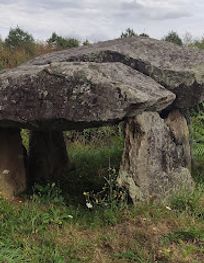
Explore a fascinating Neolithic burial site in Verneuil-sur-Vienne, offering a glimpse into prehistoric life and ancient construction techniques.
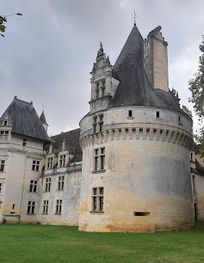
Explore the stunning Château de Puyguilhem, a Renaissance treasure in France, rich in history and architectural beauty, perfect for all tourists.