

Le Gabut, La Rochelle Travel Guide
Free Guide: Colorful Nordic-inspired quarter blending maritime heritage, street art, and bohemian culture on La Rochelle's vibrant waterfront.


A brief summary of Le Gabut
Colorful Nordic-inspired quarter blending maritime heritage, street art, and bohemian culture on La Rochelle's vibrant waterfront.
Le Gabut is a vibrant artistic quarter in La Rochelle, transformed from a former fishing and naval district into a dynamic cultural hub. Located between the Old Port and the Grand Yachts basin, this distinctive neighborhood features colorful wooden architecture inspired by Scandinavian design, street art installations, waterfront cafés, and a bohemian atmosphere that attracts creative communities and visitors year-round.
On-site amenities
 Restrooms
 Drink options
 Drinking water
 Food options
 Seating areas
 Sheltered areas
 Trash bins
 Information boards
- Address
- 17000 La Rochelle
Getting there
On Foot from Old Port
By Bicycle
By Car
Public Transport
Discover more about Le Gabut
Historic Evolution and Architecture
Le Gabut traces its origins to 1568 when a bastion à l'italienne was added to La Rochelle's medieval walls, serving as a defensive fortification. The name itself derives from the Italian word "gabbione," reflecting the structure's military heritage. Throughout the 17th and 18th centuries, the area developed as a maritime hub with quays, warehouses, and naval facilities. The district's transformation accelerated in the 19th century with the construction of two tidal basins—the first completed in 1808 and the second in 1862—which enabled year-round ship mooring and expanded commercial activity. By the late 1800s, following the arrival of the railway and the demolition of the medieval walls in 1887, Le Gabut evolved into a fully integrated maritime quarter.The contemporary appearance of Le Gabut dates to 1989, when Danish architects from the Thorsen group redesigned the neighborhood with distinctive colorful wooden-clad houses in vibrant yellows, blues, and reds. This architectural choice pays homage to La Rochelle's rich historical commercial ties with Scandinavia and the Hanseatic League, creating a striking Nordic aesthetic that contrasts sharply with the city's traditional architecture.
Street Art and Creative Expression
The Gabut friche—a former industrial site located between the Saint-Nicolas Tower and the pivoting bridge—has evolved into France's largest urban art expression space in a city center. For four decades, local, regional, and international graffiti artists have invested this open, public space with constantly evolving murals and street art installations. The friche occupies former naval workshops and warehouses, transforming industrial heritage into an open-air gallery that celebrates contemporary urban creativity and artistic freedom.
Cultural Vibrancy and Events
The neighborhood pulses with youthful, bohemian energy, particularly during summer months when the community hosts dynamic cultural events. The friche has hosted La Belle du Gabut, a seasonal outdoor guinguette (open-air dance venue), and served as the stage for Roscella Bay, an electronic music festival showcasing emerging artists. These gatherings reinforce Le Gabut's identity as a creative meeting point where music, art, and community converge. The neighborhood continues to evolve through participatory urban planning initiatives, with local residents actively shaping future development projects.
Waterfront Promenade and Dining
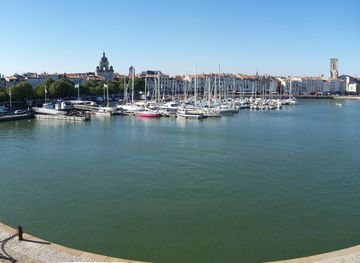
The quays of Le Gabut offer scenic waterfront walks with panoramic views of the basins and historic towers. Restaurants and cafés line the quays, providing terraces overlooking the water where visitors can pause for refreshment while observing boat traffic and maritime activity. The neighborhood serves as a natural transition point between the historic Old Port and La Rochelle's modern southern expansion, connecting visitors to the Aquarium, Maritime Museum, and the leisure port at Les Minimes.
Geographic Position and Accessibility
Situated on a quasi-island formation bounded by the Old Port's tidal basin, the floating basin, and the Grand Yachts basin, Le Gabut occupies a central position in contemporary La Rochelle. The distinctive pivoting bridge at the basin's exit provides dramatic spectacle when raised to allow yacht passage, while pedestrian walkways and cycling paths ensure easy access from the city center. The neighborhood's waterfront location and proximity to major attractions make it an essential stop on any La Rochelle itinerary.
Evendo Review Centre
 Google
Guest reviews
Best time to go
Quietest: Jan, Feb & Dec · at 1am or at 2am or at 3am
Busy times are Evendo estimates for a typical year, to help you plan. Actual crowds vary with events, school holidays and the weather.
Explore Le Gabut on the map
A handpicked selection of must-see spots near Le Gabut, mapped for you.
Get your free copy of our complete guide to Le Gabut, delivered straight to you.
Everything on this page, from opening hours and how to get there to Eve’s tips and the best time to go, in one PDF you can read offline, print or share.
Already have an account? Sign in
Your Le Gabut guide is ready.
We'll send it to · Not you? Sign out

Getting your guide ready…
We are putting together a fresh copy of the Le Gabut guide. This can take up to a minute.
This can take a few moments. If your browser asks, choose Allow so the download can start. You'll find the guide in your Downloads folder.
Nothing happened? Download it again
Sorry, the guide is taking longer than usual. Please try again in a minute, or get it by email instead.
Other nearby places you may find interesting
The closest places of the same kind, if this one is not quite what you had in mind.
-
-
-
-
-


Swipe for more places
More to explore near Le Gabut

 Best experiences near Le Gabut
 Best hotels near Le Gabut
 Best bars near Le Gabut
Do you manage this location?
Take control to get all the benefits, like improved information, better appearance, and stronger visibility across AI-powered discovery.
Explore more
Explore more of La Rochelle
Discover La Rochelle, a charming harbor city on the Atlantic coast of France, known for its rich maritime heritage, delicious seafood, beautiful beaches, and vibrant culture.
Explore La Rochelle
Explore more of France
Explore France: A land of romance, history, and unparalleled beauty, from the iconic streets of Paris to the serene landscapes of Provence and the luxury of the French Riviera.
Explore France
