

Free La Rochelle Travel Guide & Mobile App
Plan your La Rochelle trip with Evendo. Get free guides to top attractions, restaurants, hotels, and bars. Web access or download the mobile app.


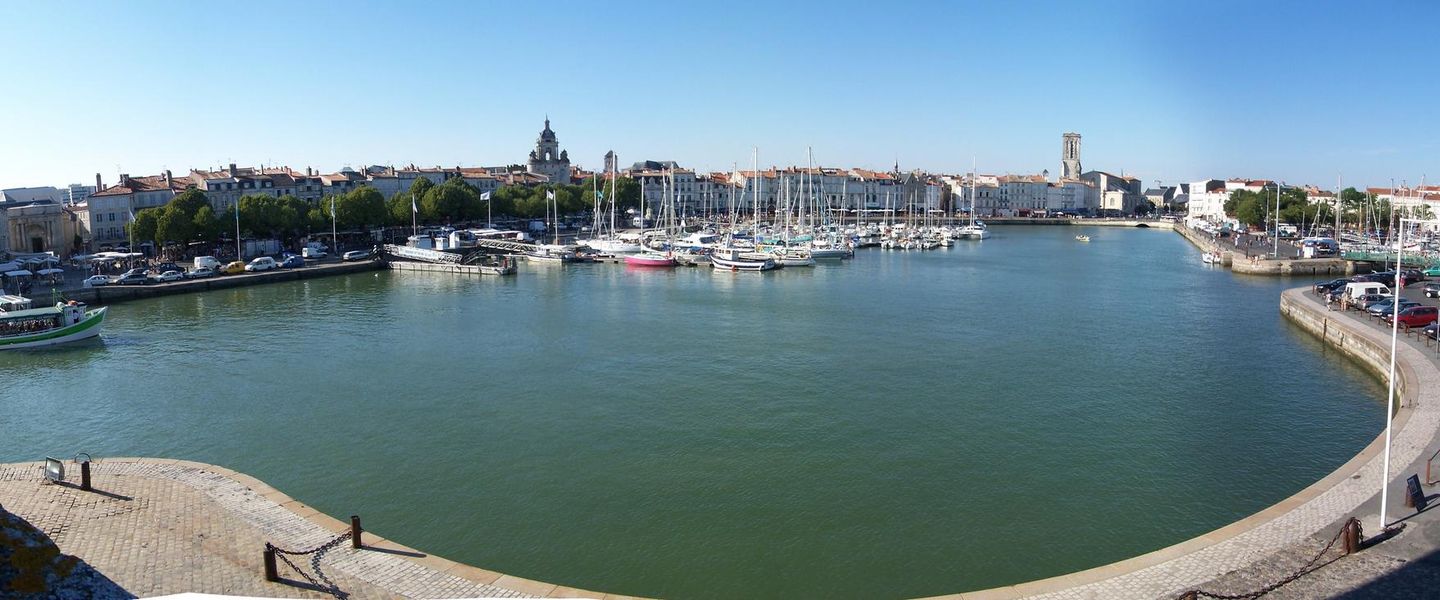


La Rochelle blends medieval harbour towers, Atlantic seafood, Île de Ré access and maritime culture with elegant streets and lively markets today.
Harbour of History
La Rochelle stands on France’s Atlantic coast, in the Charente-Maritime department, where a protected harbour opens towards the islands and broad waters of the Bay of Biscay. Its medieval towers, the Tour de la Chaîne and Tour Saint-Nicolas, still guard the entrance to the Vieux Port, while the Tour de la Lanterne rises nearby as a former lighthouse and prison. These stone sentinels give the waterfront its unmistakable profile and recall the city’s long relationship with trade, fishing and seafaring.Read more about La Rochelle
Streets, Markets and Maritime Life
Atlantic Setting
When is the best time to visit La Rochelle?
Best: July–September · 22–24°C| Month | High (°C) | Rainfall (mm) |
|---|---|---|
| January | 9 | 57 |
| February | 9 | 45 |
| March | 11 | 47 |
| April | 14 | 43 |
| May | 18 | 44 |
| June | 21 | 39 |
| July (best) | 24 | 28 |
| August (best) | 24 | 32 |
| September (best) | 22 | 43 |
| October | 18 | 54 |
| November | 14 | 60 |
| December | 11 | 60 |
Getting to and around La Rochelle
How to get there
Transportation
Best attractions in La Rochelle
La Rochelle’s principal sights gather around the Vieux Port, where the Tour Saint-Nicolas and Tour de la Chaîne frame the harbour entrance and the Tour de la Lanterne stands nearby as a former lighthouse and prison. The old town rewards unhurried exploration beneath its arcades, with merchant houses, small squares and the Hôtel de Ville revealing the city’s medieval and early modern wealth. The Aquarium de La Rochelle presents marine life from local Atlantic waters and oceans around the world, while the Musée Maritime introduces the vessels and working traditions of the port. For a different maritime perspective, the Musée des Automates and Musée des Modèles Réduits offer a playful collection of mechanical figures, ships and miniature scenes. The Musée du Nouveau Monde examines La Rochelle’s connections with the Americas and colonial history. Parks, cycle routes, Plage de la Concurrence and the expansive Port des Minimes extend sightseeing beyond the historic core.
-
Marina
Port Des Minimes
Experience the beauty and vibrant culture of Port Des Minimes, La Rochelle's stunning marina, perfect for relaxation and maritime adventures.
7 min drive · 2.4 km from city centre
-
Aquarium
La Rochelle Aquarium
Explore La Rochelle Aquarium, a captivating marine paradise showcasing diverse sea life and promoting ocean conservation in the heart of La Rochelle, France.
14 min walk · 1.1 km from city centre
-
Marina
Vieux Port de La Rochelle
Discover the historic Vieux Port de La Rochelle, a vibrant marina teeming with culture, stunning views, and delightful culinary experiences.
8 min walk · 0.6 km from city centre
-
City park
Le parc Charruyer
Experience the natural beauty and serene landscapes of Le Parc Charruyer, a city park perfect for relaxation and family fun in La Rochelle.
9 min walk · 0.8 km from city centre


Best landmarks in La Rochelle
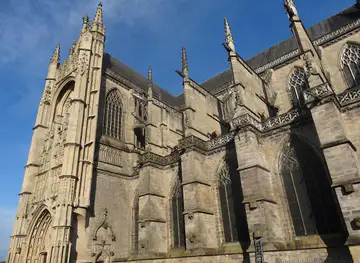
The three harbour towers are La Rochelle’s defining landmarks. Tour Saint-Nicolas, the largest of the group, and Tour de la Chaîne once controlled access to the fortified port, while Tour de la Lanterne served as a lighthouse and later a prison. Together they embody the city’s medieval defensive system and its dependence on maritime trade. The Hôtel de Ville, enclosed by a surviving Gothic wall, reflects the authority of La Rochelle’s historic municipal government, while the Renaissance-style Maison Henri II reveals the prosperity of its merchant elite. The Cathedral of Saint-Louis, built primarily in the eighteenth and nineteenth centuries, represents the city’s Catholic heritage after the upheavals of the Reformation. Along the waterfront, the modern marina at Les Minimes provides a contrasting landmark: a large centre of sailing that expresses La Rochelle’s continuing relationship with the sea.
-
Aquarium
La Rochelle Aquarium
Discover a world of marine life at La Rochelle Aquarium: 12,000+ animals, 600 species, and immersive ocean experiences await!
14 min walk · 1.1 km from city centre
-
Park
Charruyer Park of La Rochelle
Escape to nature in the heart of La Rochelle at Charruyer Park, a green oasis with gardens, streams, and family-friendly attractions.
9 min walk · 0.8 km from city centre
-
Marina
Port Des Minimes
Explore France's largest marina in La Rochelle: sailing, water sports, stunning views, and easy access to the city's historic center.
7 min drive · 2.4 km from city centre
-
Stadium
Stade Marcel Deflandre
Experience the electric atmosphere of French rugby at Stade Marcel Deflandre, home to the passionate Stade Rochelais in La Rochelle.
6 min drive · 2.1 km from city centre


Explore La Rochelle on the map
Plan your La Rochelle trip on one map. See where the top attractions, landmarks, restaurants, bars and hotels are, find what's near where you're staying, and book hotels and experiences in a few clicks.
Neighbourhoods in La Rochelle
-

-

-

-


Swipe for more neighbourhoods
Best hotels in La Rochelle
Best restaurants in La Rochelle
La Rochelle’s dining identity is inseparable from the Atlantic, with oysters from nearby Marennes-Oléron, mussels, fish, prawns and other shellfish appearing in markets and restaurants. The central market is a useful place to see the region’s produce, while the streets around the Vieux Port and Saint-Nicolas quarter offer everything from traditional brasseries to contemporary kitchens. Charentaise influences include butter-rich cooking, local cheeses, pineau des Charentes and the sweet galette charentaise; cagouilles, or snails prepared in a regional style, are another speciality associated with the wider Charentes. In summer, seafood terraces fill the quays, though the city’s food culture is not limited to tourist waterfront dining. Bakeries, cafés, crêperies and wine bars provide simpler options, with menus often reflecting the seasons and the catch available along the coast.
-
Restaurant
Iséo
Discover Iséo: A premier French seafood restaurant in La Rochelle offering fresh, locally sourced dishes in a charming setting.
10 min walk · 0.8 km from city centre
-
Family-friendly
La Boussole
Discover La Boussole in La Rochelle - where French tradition meets Asian fusion in a family-friendly setting.
10 min walk · 0.8 km from city centre
-
French
La Fleur de Sel
Experience authentic French cuisine at La Fleur de Sel in La Rochelle - where every dish tells a story.
10 min walk · 0.8 km from city centre
-
French
Les Fils à Maman La Rochelle
Experience the taste of home-cooked French cuisine at Les Fils à Maman La Rochelle, perfect for brunch lovers and cocktail enthusiasts alike.
11 min walk · 0.8 km from city centre


Best bars in La Rochelle
La Rochelle has a social but generally moderate nightlife, concentrated around the Vieux Port, the Saint-Nicolas quarter and streets near the historic centre. Harbour-side terraces suit an early evening drink, while small bars serve local wines, cocktails, beer and Pineau des Charentes in a relaxed setting. The student population supports a livelier atmosphere around parts of the centre, particularly later in the week, although the city is not defined by large-scale clubbing. Live music, cultural performances and seasonal events add alternatives to bar-hopping, with theatres and concert venues contributing to the evening programme. Visitors should expect activity to ebb and flow with the tourist and university calendars. Quays can be busy in summer, while residential streets require quieter behaviour late at night.
-
Bar
The Famous Pub
Experience La Rochelle's vibrant nightlife at The Famous Pub, where delicious food meets a friendly atmosphere.
7 min walk · 0.5 km from city centre
-
Lounge
Le Dock Café
Experience the vibrant atmosphere of Le Dock Café, a premier lounge and bar in La Rochelle, known for its cocktails, live music, and stunning harbor views.
8 min walk · 0.6 km from city centre
-
Bar
The Jolly Sailor
Experience the vibrant flavors of La Rochelle at The Jolly Sailor, a charming gastropub by the harbor offering delightful dishes and a cozy atmosphere.
7 min walk · 0.5 km from city centre
-
Bar
Barracuda La Rochelle
Experience the vibrant nightlife of La Rochelle at Barracuda, where exceptional cocktails and a lively atmosphere await every visitor.
10 min walk · 0.8 km from city centre


Best nightclubs in La Rochelle
La Rochelle has a social but generally moderate nightlife, concentrated around the Vieux Port, the Saint-Nicolas quarter and streets near the historic centre. Harbour-side terraces suit an early evening drink, while small bars serve local wines, cocktails, beer and Pineau des Charentes in a relaxed setting. The student population supports a livelier atmosphere around parts of the centre, particularly later in the week, although the city is not defined by large-scale clubbing. Live music, cultural performances and seasonal events add alternatives to bar-hopping, with theatres and concert venues contributing to the evening programme. Visitors should expect activity to ebb and flow with the tourist and university calendars. Quays can be busy in summer, while residential streets require quieter behaviour late at night.
-
Lounge
bad boys
Discover the vibrant nightlife at Bad Boys Lounge in La Rochelle, where cocktails, music, and a lively crowd await every night.
5 min walk · 0.4 km from city centre
-
Karaoke bar
Le Plan B
Discover the lively atmosphere of Le Plan B in La Rochelle, a premier karaoke bar and salsa lounge, perfect for an unforgettable night out.
9 min walk · 0.8 km from city centre
-
Disco club
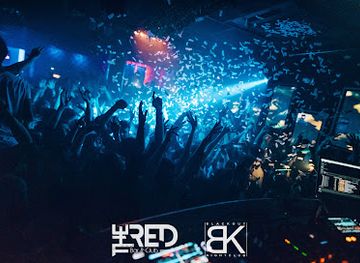
Le Blackout
Discover the vibrant nightlife of La Rochelle at Le Blackout, where music, dancing, and unforgettable moments await.
5 min drive · 1.7 km from city centre
-
Night club
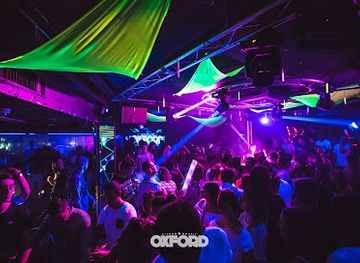
OXFORD CLUB
Discover the pulse of La Rochelle's nightlife at OXFORD CLUB, where live music and vibrant atmosphere create unforgettable experiences.
13 min walk · 1.0 km from city centre


Best shops in La Rochelle
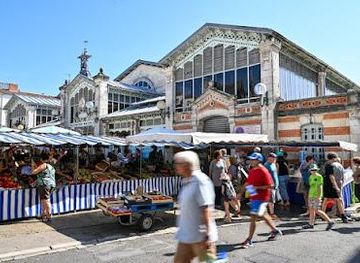
Shopping in La Rochelle ranges from the food stalls of Marché Central to independent boutiques along the arcaded streets of the historic centre. The market is the place to look for oysters, seafood, regional cheeses, Charentais produce, spices and other edible gifts, while specialist shops sell Pineau des Charentes, local wines and traditional biscuits. Streets around Rue du Palais, Rue des Merciers and the Saint-Nicolas quarter combine fashion, homeware, bookshops and smaller independent retailers, with the exact mix changing over time. Visitors will also find maritime-themed goods and practical sailing wear reflecting the port’s identity. For souvenirs, choose regional food products or craft items with a clear local connection rather than generic coastal merchandise. Larger retail areas and supermarkets lie beyond the old centre, where shopping is more functional than historic.
-
Market
Vieux Marché de La Rochelle
Discover the vibrant Vieux Marché de La Rochelle, a culinary haven where local flavors and artisan crafts come together in a charming market setting.
3 min walk · 0.3 km from city centre
-
Department store
Galeries Lafayette La Rochelle
Discover a world of fashion and beauty at Galeries Lafayette La Rochelle, where shopping meets style in a historic setting.
5 min walk · 0.4 km from city centre
-
Gift shop
Nature and Discoveries
Explore Nature and Discoveries, a charming gift shop in La Rochelle offering unique souvenirs and eco-friendly products that embody the spirit of the region.
5 min walk · 0.4 km from city centre
-
Gift shop
L'antre des Sorciers
Explore the enchanting world of L'antre des Sorciers in La Rochelle, where magic meets unique gifts and whimsical treasures await every visitor.
6 min walk · 0.5 km from city centre


Get your free copy of our complete guide to La Rochelle, delivered straight to you.
Everything on this page, from attractions and restaurants to essentials and local phrases, in one PDF you can read offline, print or share.
Already have an account? Sign in
Your La Rochelle guide is ready.
We'll send it to · Not you? Sign out

Getting your guide ready…
We are putting together a fresh copy of the La Rochelle guide. This can take up to a minute.
This can take a few moments. If your browser asks, choose Allow so the download can start. You'll find the guide in your Downloads folder.
Nothing happened? Download it again
Sorry, the guide is taking longer than usual. Please try again in a minute, or get it by email instead.
La Rochelle essentials
Currency and Payment
Safety
Emergency Situations
Do's and Don'ts
Local Tips
From Eve
Local phrases worth knowing
You don't need to get them perfect. A few words go a long way, and locals appreciate the effort.
Basics
| English | Local | Say it |
|---|---|---|
| Hello | Bonjour | [bohn-zhoor] |
| Goodbye | Au revoir | [oh ruh-vwahr] |
| Yes | Oui | [wee] |
| No | Non | [nohn] |
| Please/You're welcome | S'il vous plaît/De rien | [seel voo pleh/duh ryehn] |
| Thank you | Merci | [mehr-see] |
| Excuse me/Sorry | Excusez-moi/Désolé | [ehk-skyew-zay mwa/day-zoh-lay] |
| How are you? | Comment ça va? | [koh-mohn sah vah] |
| Fine. And you? | Bien. Et vous? | [byen. ay voo] |
| Do you speak English? | Parlez-vous anglais? | [par-lay voo ahn-glay] |
| I don't understand | Je ne comprends pas | [zhuh nuh kohm-prahnd pah] |
Eating & Drinking
| English | Local | Say it |
|---|---|---|
| I'd like to see the menu, please | Je voudrais voir la carte, s'il vous plaît | [zhuh voo-dray vwahr lah kart, seel voo pleh] |
| I don't eat meat | Je ne mange pas de viande | [zhuh nuh mahnj pah duh vyand] |
| Cheers! | Santé! | [sahn-tay] |
| I would like to pay, please | Je voudrais payer, s'il vous plaît | [zhuh voo-dray pay-ay, seel voo pleh] |
Emergencies
| English | Local | Say it |
|---|---|---|
| Help! | Au secours! | [oh suh-koor] |
| Go away! | Allez-vous en! | [ah-lay voo zahn] |
| Call the Police! | Appelez la police! | [ah-peh-lay lah poh-lees] |
| Call a doctor! | Appelez un médecin! | [ah-peh-lay uh meh-deh-sahn] |
| I'm lost | Je suis perdu | [zhuh swee pehr-doo] |
| I'm ill | Je suis malade | [zhuh swee mah-lahd] |
Shopping
| English | Local | Say it |
|---|---|---|
| I'd like to buy... | Je voudrais acheter... | [zhuh voo-dray ah-shuh-tay] |
| I'm just looking | Je regarde seulement | [zhuh ruh-gahrd suhl-mahn] |
| How much is it? | Combien ça coûte? | [kohm-byen sah koot] |
| That's too expensive | C'est trop cher | [say troh shair] |
| Can you lower the price? | Pouvez-vous baisser le prix? | [poo-veh voo bay-say luh pree] |
Time & Numbers
| English | Local | Say it |
|---|---|---|
| What time is it? | Quelle heure est-il? | [kell uhr eh-teel] |
| It's one o'clock | Il est une heure | [eel eh tew-nuhr] |
| Half past (10) | Dix et demie | [dees ay duh-mee] |
| Morning | Matin | [mah-tahn] |
| Afternoon | Après-midi | [ah-pray-mee-dee] |
| Evening | Soir | [swahr] |
| Yesterday | Hier | [yehr] |
| Today | Aujourd'hui | [oh-zhoor-dwee] |
| Tomorrow | Demain | [duh-mahn] |
| 1 | Un | [uhn] |
| 2 | Deux | [duh] |
| 3 | Trois | [twah] |
| 4 | Quatre | [katr] |
| 5 | Cinq | [sank] |
| 6 | Six | [sees] |
| 7 | Sept | [sept] |
| 8 | Huit | [wheet] |
| 9 | Neuf | [nuhf] |
| 10 | Dix | [dees] |
Transport & Directions
| English | Local | Say it |
|---|---|---|
| Where's a/the...? | Où est le/la...? | [oo eh luh/la] |
| What's the address? | Quelle est l'adresse? | [kell eh la-dress] |
| Can you show me (on the map)? | Pouvez-vous me montrer (sur la carte)? | [poo-veh voo muh mohn-tray (soor lah kart)] |
| When's the next (bus)? | Quand est le prochain (bus)? | [kahnd eh luh proh-shahn (boos)] |
| A ticket (to ....) | Un billet (pour ....) | [uhn bee-yay (poor)] |
History of La Rochelle
Origins as a Medieval Port
La Rochelle emerged as a significant settlement in the eleventh and twelfth centuries, benefiting from its sheltered Atlantic position and access to the waterways of Aunis. The town developed under the influence of the counts of Poitou and later the dukes of Aquitaine, while a growing merchant community connected it to coastal and international trade. The port handled salt, wine and other regional products, and its prosperity encouraged the construction of churches, arcaded commercial streets and defensive works. By the thirteenth century, La Rochelle had become one of the important ports of the western French coast. The harbour towers visible today belong to later phases of fortification, but they express the strategic importance acquired during this medieval expansion.
An English-Aligned Atlantic Town
During the later Middle Ages, La Rochelle’s position was shaped by the rivalry between the French crown and the English monarchy. The town retained important municipal privileges and commercial interests, and its merchants traded widely across the Atlantic and northern European seas. La Rochelle was associated with the duchy of Aquitaine, which came under English rule for long periods before the French reconquest during the Hundred Years’ War. French forces recovered the city in 1372 after a naval victory over an English fleet near La Rochelle, an event that strengthened royal control of the coast. The port’s strategic role continued, and successive rulers reinforced its walls and harbour defences.
Reformation and the Siege of 1628
La Rochelle became a major stronghold of French Protestantism during the sixteenth century. Its Huguenot population and political liberties placed it in opposition to the growing centralisation of the French monarchy, particularly under Louis XIII and Cardinal Richelieu. The decisive confrontation came in 1627–1628, when royal forces besieged the city. A massive sea barrier was built across the harbour to prevent relief by water, and famine eventually forced La Rochelle to surrender. The siege ended its political autonomy and marked a major stage in the consolidation of royal power. Religious tensions remained significant until the broader restrictions imposed on Protestant worship under Louis XIV.
Trade, Colonies and Maritime Prosperity
After the siege, La Rochelle was reintegrated more firmly into the French state, but its port continued to support commercial activity. Wine, salt and agricultural products from the surrounding region remained important, while maritime trade connected the city with North America, the Caribbean and the wider Atlantic world. From the seventeenth century, merchants participated in colonial commerce, including the transatlantic slave trade, a difficult history that forms part of the city’s documented relationship with empire and the Atlantic economy. The prosperity of merchant families contributed to the construction and embellishment of town houses. Later commercial changes and the rise of larger ports altered La Rochelle’s position, but its maritime character endured.
Revolution, Industry and the Railway
The French Revolution transformed local administration and social structures, while La Rochelle became the prefecture of the new Charente-Inférieure department, now Charente-Maritime. Nineteenth-century improvements reshaped the port and connected the city more closely to national markets. The arrival of the railway in 1857 encouraged the movement of goods and passengers, supporting commerce and industrial development. Canning, shipbuilding and related maritime activities became increasingly important, and the harbour evolved beyond its medieval boundaries. At the same time, the historic centre preserved much of its earlier urban form, creating the contrast between old merchant streets, modern transport infrastructure and expanding waterfront districts that remains characteristic of La Rochelle.
War, Reconstruction and a Maritime Future
La Rochelle was occupied by German forces during the Second World War and remained one of the last areas of France to be liberated in 1945. The submarine base constructed during the occupation still stands as a substantial reminder of the city’s wartime strategic importance, although it is not a conventional visitor monument. In the post-war period, La Rochelle developed as a centre for tourism, sailing, higher education and environmental awareness. The creation of the large Port des Minimes marina in the 1970s strengthened its role in recreational boating, while pedestrianisation and heritage conservation reinforced the appeal of the old centre. Contemporary La Rochelle combines its historic port identity with a strong relationship to cycling, marine culture and coastal protection.
La Rochelle in Photos
Browse through our photo collection highlighting the charm and character of the destination.
Cities near La Rochelle
The closest cities to La Rochelle, if you have time for more than one stop.
-

-

-

-
-


Swipe for more cities
Explore more

Explore more of France
Explore France: A land of romance, history, and unparalleled beauty, from the iconic streets of Paris to the serene landscapes of Provence and the luxury of the French Riviera.
Explore France