Jardin d'été Travel Guide
Free Guide: Discover Arles's Jardin d'été: a historic park offering shaded paths, beautiful fountains, and a tranquil escape in the heart of the city, nestled near the ancient Roman theater.


A brief summary of Jardin d'été
Discover Arles's Jardin d'été: a historic park offering shaded paths, beautiful fountains, and a tranquil escape in the heart of the city, nestled near the ancient Roman theater.
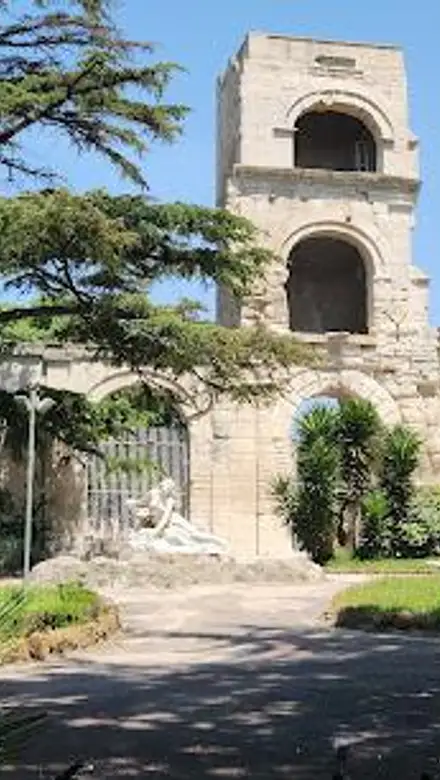
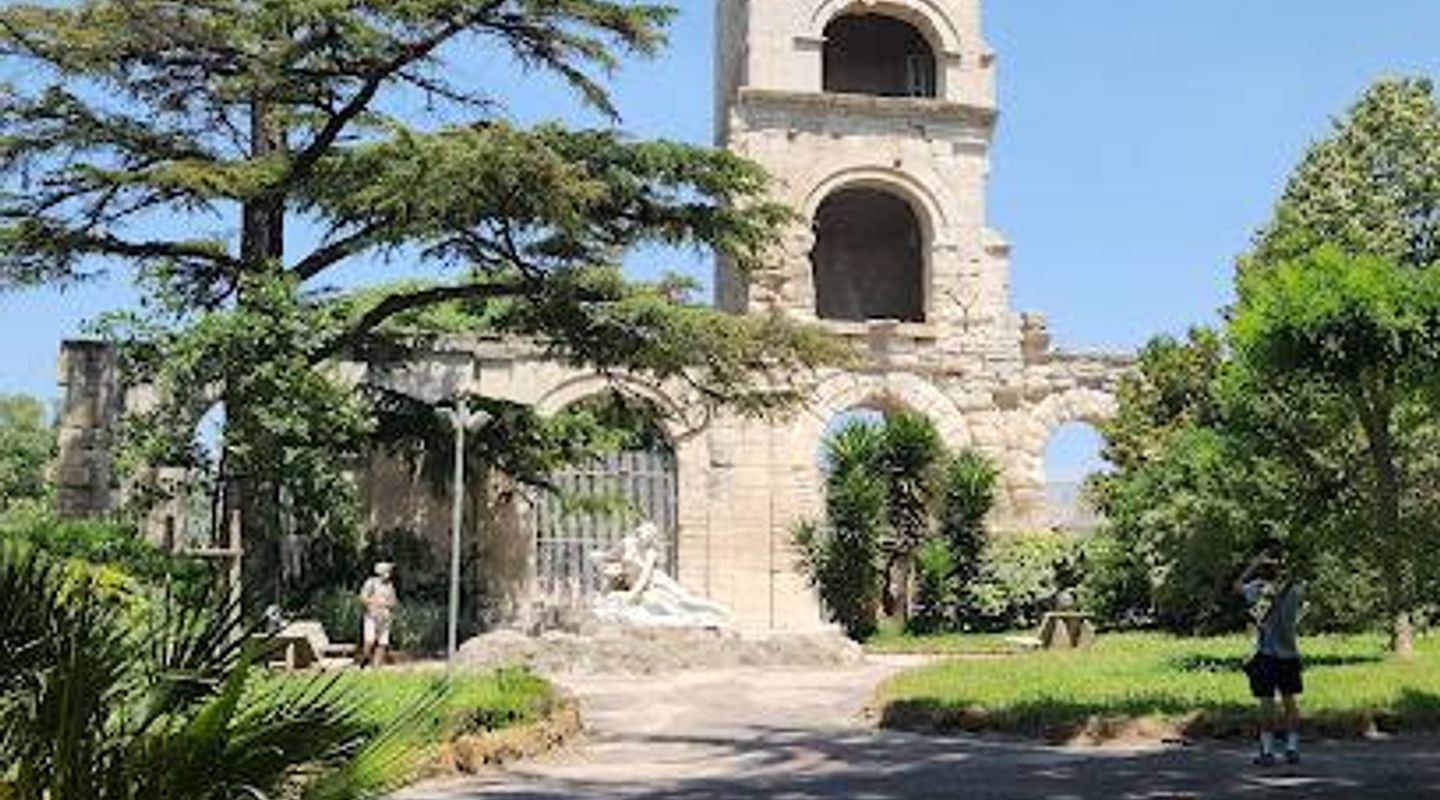
Escape the sun-drenched streets of Arles in the Jardin d'été, a verdant park offering respite and charm. Established in 1840 and expanded in 1864, this 10,000-square-meter garden provides a refreshing contrast to the city's ancient stones. Stroll along shaded paths, admire the fountains and statues, or simply relax on a bench and soak in the tranquil atmosphere. The garden also features a playground, making it a delightful spot for families. Its location, nestled between the Boulevard des Lices and the ancient Roman theater, makes it an easily accessible and worthwhile stop for any visitor to Arles. The Jardin d'été offers a blend of history, art, and nature, creating a peaceful haven in the heart of the city. Open daily, it's the perfect place to unwind and recharge during your exploration of Arles.
Opening hours
- Every day7 am–8:30 pm
Opening hours as listed on the venue’s Google Business Profile. Hours can change for services and special events, so check with the venue before you go.
- Address
- Bd des Lices, 13200 Arles
- Phone
- Website
Getting there
Walking
Public Transport
Taxi/Ride-Share
Driving
Discover more about Jardin d'été
Overview
The Jardin d'été, or Summer Garden, is a cherished green space in the heart of Arles, offering a tranquil escape from the bustling city streets. Conceived in 1840 and expanded in 1864 by architect Auguste Véran, the garden was designed to complement the nearby ancient Roman theater, creating a harmonious blend of nature and history. Spanning over 10,000 square meters, the Jardin d'été is a carefully landscaped oasis featuring a variety of trees, flowerbeds, statues, and fountains. The garden's design incorporates both formal and informal elements, with straight paths and manicured lawns juxtaposed against winding trails and naturalistic plantings. This creates a diverse and engaging environment that appeals to a wide range of visitors. One of the garden's most notable features is its collection of statues, which includes both mythological and commemorative figures. These sculptures add a touch of artistry and intrigue to the landscape, inviting visitors to pause and reflect. The central fountain, adorned with a statue of Niobe, is a particularly striking example of the garden's artistic elements. The play of water and light creates a mesmerizing effect, enhancing the garden's serene atmosphere. In addition to its aesthetic appeal, the Jardin d'été also serves as a functional space for recreation and relaxation. Benches are strategically placed throughout the garden, providing ample seating for visitors to rest and enjoy the surroundings. A playground offers a dedicated space for children to play, making the garden a popular destination for families. The garden's shaded pathways provide a welcome respite from the summer heat, making it an ideal place to stroll and escape the sun. The Jardin d'été's location is another key factor in its appeal. Situated between the Boulevard des Lices and the ancient Roman theater, the garden is easily accessible from many of Arles's main attractions. This central location makes it a convenient stop for tourists exploring the city's historical and cultural landmarks. The garden also serves as a gateway to the Roman theater, providing a scenic approach to this iconic site. The garden's history is intertwined with the development of Arles as a tourist destination. In the 19th century, as the city began to attract more visitors, the Jardin d'été played an important role in enhancing the city's appeal. The garden provided a green space for tourists to relax and enjoy the city's natural beauty, while also serving as a showcase for local art and culture. Today, the Jardin d'été continues to be a vital part of Arles's cultural landscape. The garden hosts a variety of events throughout the year, including concerts, festivals, and theatrical performances. These events bring life and energy to the garden, further enhancing its role as a community gathering place. The garden is also a popular spot for picnics, weddings, and other special occasions. The Jardin d'été is more than just a park; it is a living testament to Arles's rich history and vibrant culture. Its blend of natural beauty, artistic elements, and functional design makes it a unique and cherished destination for both locals and tourists alike. Whether you are seeking a peaceful escape, a place to play, or a glimpse into Arles's past, the Jardin d'été offers something for everyone. Visiting the Jardin d'été is a must for anyone exploring Arles. Its central location, combined with its tranquil atmosphere and diverse attractions, makes it an essential part of any Arles itinerary. Take a stroll through its shaded pathways, admire its statues and fountains, and soak in the beauty of this green oasis in the heart of the city. The Jardin d'été is a place where history, art, and nature come together to create a truly unforgettable experience. The Jardin d'été stands as a testament to the enduring power of green spaces in urban environments. It provides a vital connection to nature, offering a respite from the stresses of city life. Its carefully designed landscape and diverse attractions make it a place where people can relax, play, and connect with each other. The Jardin d'été is a true gem of Arles, a place that will continue to be cherished for generations to come.
Evendo Review Centre
 Google
Guest reviews
Explore Jardin d'été on the map
A handpicked selection of must-see spots near Jardin d'été, mapped for you.
Get your free copy of our complete guide to Jardin d'été, delivered straight to you.
Everything on this page, from opening hours and how to get there to Eve’s tips and the best time to go, in one PDF you can read offline, print or share.
Already have an account? Sign in
Your Jardin d'été guide is ready.
We'll send it to · Not you? Sign out

Getting your guide ready…
We are putting together a fresh copy of the Jardin d'été guide. This can take up to a minute.
This can take a few moments. If your browser asks, choose Allow so the download can start. You'll find the guide in your Downloads folder.
Nothing happened? Download it again
Sorry, the guide is taking longer than usual. Please try again in a minute, or get it by email instead.
Unlock the best of Jardin d'été
Skip-the-line tickets, guided tours with entry, and walking tours of the area, booked in a few clicks.


Other nearby places you may find interesting
The closest places of the same kind, if this one is not quite what you had in mind.
-
-
-
-
-


Swipe for more places
More to explore near Jardin d'été

 Best experiences near Jardin d'été

 Best hotels near Jardin d'été

 Best landmarks near Jardin d'été

 Best attractions near Jardin d'été

 Best shops near Jardin d'été

 Best restaurants near Jardin d'été

 Best bars near Jardin d'été
Do you manage this location?
Take control to get all the benefits, like improved information, better appearance, and stronger visibility across AI-powered discovery.
Explore more

Explore more of Luberon
Discover Luberon, a stunning region in Provence, France, known for its charming villages, beautiful landscapes, and rich cultural heritage.
Explore Luberon
Explore more of France
Explore France: A land of romance, history, and unparalleled beauty, from the iconic streets of Paris to the serene landscapes of Provence and the luxury of the French Riviera.
Explore France