Background

Glanum: A Journey Through Ancient Provence

Explore Glanum, an exceptionally preserved Roman city near Saint-Rémy-de-Provence, offering a captivating glimpse into ancient life with temples, baths, and stunning mountain views.

4.4

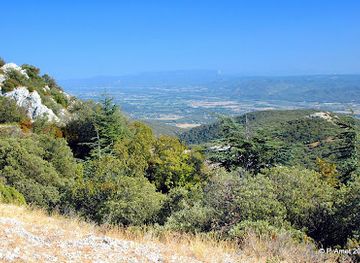
Step back in time at Glanum, an exceptionally preserved Roman city nestled near Saint-Rémy-de-Provence. This archaeological site offers a captivating glimpse into the lives of the people who inhabited this region centuries ago. Wander through the ruins of temples, public baths, and residential areas, imagining the bustling activity that once filled these streets. The site's stunning backdrop, framed by the Alpilles mountains, enhances the experience, creating a serene and evocative atmosphere. Glanum provides a unique opportunity to explore Roman history in a beautiful Provençal setting, making it a must-see destination for history enthusiasts and anyone seeking a deeper connection to the past. Its well-preserved state and the ongoing archaeological work make each visit a chance to discover something new about this ancient city and its inhabitants. Explore the heart of Provence's Roman past and uncover the stories etched in stone at Glanum.

A brief summary to Les Antiques de Glanum

  • Monday 12 am-12 am
  • Tuesday 12 am-12 am
  • Wednesday 12 am-12 am
  • Thursday 12 am-12 am
  • Friday 12 am-12 am
  • Saturday 12 am-12 am
  • Sunday 12 am-12 am

Local tips

  • Visit during the shoulder season (spring or fall) for fewer crowds and pleasant weather.
  • Wear comfortable shoes as the site involves walking on uneven, rocky terrain.
  • Consider a guided tour to gain deeper insights into the history and significance of Glanum.
  • Combine your visit with a trip to the nearby Antiques monuments for a comprehensive Roman experience.
  • Check the official website for seasonal hours and any special events or exhibitions.
widget icon

Getting There

  • Driving

    From Saint-Rémy-de-Provence, follow the D5 road (Route des Baux de Provence) south for approximately 2 km. Glanum will be on your right, clearly signposted. Parking is available on-site. Parking costs approximately €4 per day.

  • Public Transport

    While there isn't a direct bus stop at Glanum, you can take a local bus from Saint-Rémy-de-Provence towards Les Baux-de-Provence and alight at a stop near the D5 road. From there, it's approximately a 15-20 minute walk to the site. A single bus fare costs around €2.

  • Taxi/Ride-Share

    A taxi or ride-share from the center of Saint-Rémy-de-Provence to Glanum will take about 5-10 minutes and cost approximately €15-€20.

Unlock the Best of Les Antiques de Glanum

Buy tickets

    No tickets available

Book tours with entry

    No tours available

Book tours without entry

    No tours available

Discover more about Les Antiques de Glanum

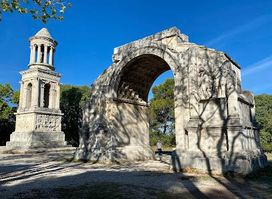
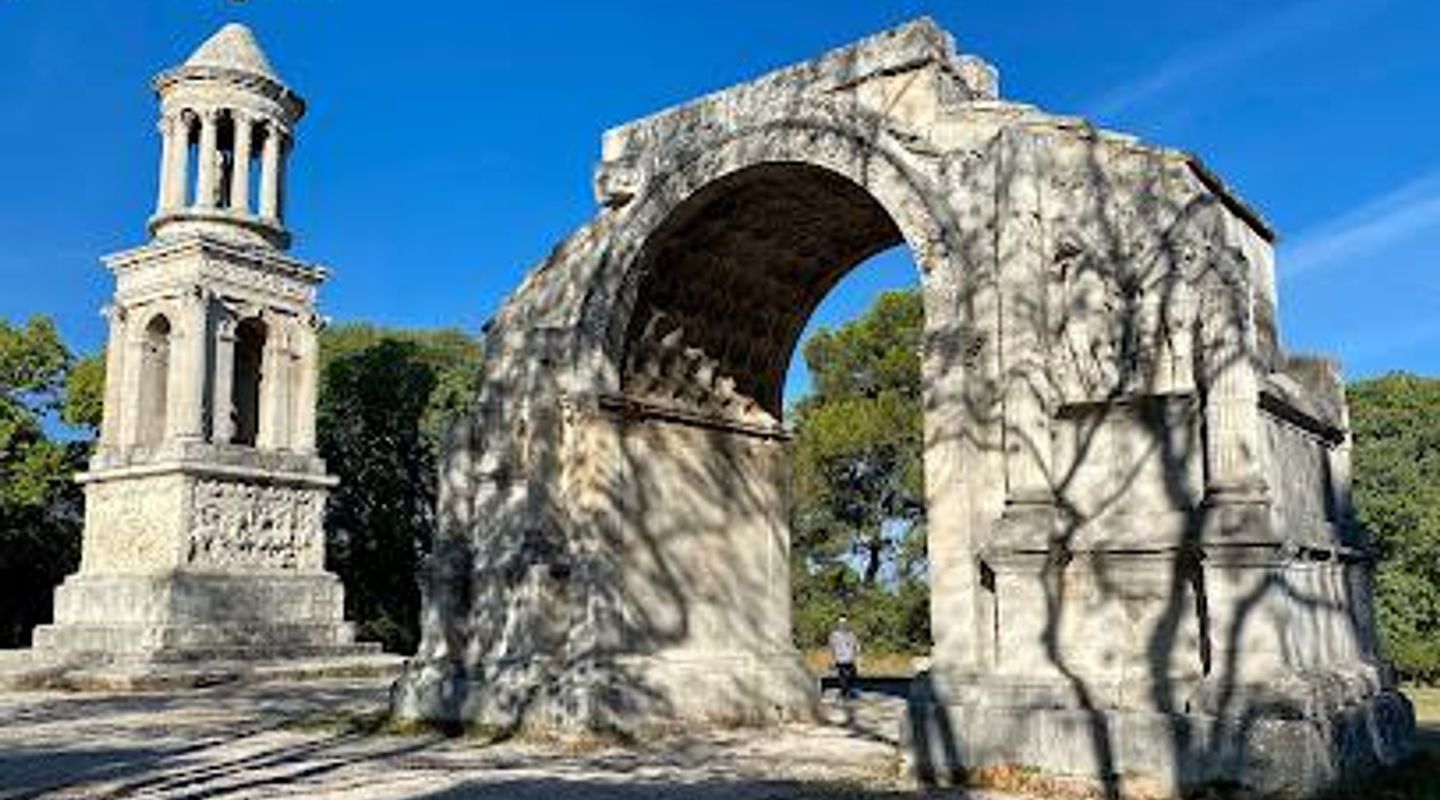
Glanum, located just south of Saint-Rémy-de-Provence, is an ancient city that offers a remarkable window into the past. Founded by the Gauls and later Romanized, Glanum flourished for centuries before being abandoned in the 3rd century AD. Today, the archaeological site reveals the remnants of a once-thriving urban center, complete with temples, public buildings, and private residences. As you enter Glanum, you're immediately transported to another era. The site is remarkably well-preserved, allowing visitors to easily imagine the city as it once was. The ruins of the Temple of Hercules stand proudly, showcasing the architectural prowess of the Romans. Nearby, the remains of the public baths offer a glimpse into the daily life of Glanum's inhabitants. Imagine the citizens gathering here to socialize and cleanse themselves in these communal spaces. The residential areas of Glanum provide further insights into the lives of its people. Wander through the foundations of houses and shops, picturing the bustling activity that once filled these streets. The site's museum displays artifacts unearthed during excavations, including pottery, tools, and sculptures, providing a tangible connection to the past. Glanum's history is complex and fascinating. Originally founded by a Celtic people who had contact with the Greeks from Marseille, the settlement gradually adopted Roman customs and architecture after the Roman conquest of the region in the 2nd century BC. The city reached its peak during the reign of Emperor Augustus, becoming an important center for trade and culture. However, Glanum's prosperity was not to last. In the 3rd century AD, the city was destroyed by Germanic invaders and subsequently abandoned. Over time, the ruins were buried and forgotten, only to be rediscovered in the early 20th century. Since then, archaeologists have worked tirelessly to excavate and restore the site, revealing its secrets to the world. Visiting Glanum is an immersive experience that engages all the senses. The scent of wild herbs fills the air, while the sound of cicadas provides a constant backdrop. The sun-baked stones radiate warmth, and the panoramic views of the Alpilles mountains are simply breathtaking. It's a place where history comes alive, and where you can connect with the past in a profound way. Beyond the main archaeological site, Glanum also includes the Antiques, a pair of remarkably well-preserved Roman monuments located just outside the city walls. These consist of a mausoleum and a triumphal arch, both dating back to the 1st century AD. The mausoleum is particularly impressive, standing over 18 meters tall and adorned with intricate carvings. The triumphal arch, though smaller, is equally elegant, commemorating Roman military victories. Together, Glanum and the Antiques offer a comprehensive picture of Roman life in Provence. They are a testament to the enduring legacy of the Roman Empire and a reminder of the rich history that lies beneath our feet. Whether you're a history buff, an architecture enthusiast, or simply someone who appreciates beauty, Glanum is sure to captivate and inspire. To fully appreciate Glanum, it's worth taking a guided tour. Knowledgeable guides can provide valuable insights into the site's history and significance, pointing out details that you might otherwise miss. Alternatively, you can explore the site at your own pace, using the information panels and maps provided. Glanum is not just a collection of old stones; it's a living, breathing testament to the past. It's a place where you can connect with the people who lived here centuries ago, and where you can gain a deeper understanding of the forces that have shaped our world. So, if you're planning a trip to Provence, be sure to include Glanum on your itinerary. You won't be disappointed. The ongoing archaeological work at Glanum means that new discoveries are constantly being made. Each visit offers the potential to uncover something new about this ancient city and its inhabitants. The dedication of the archaeologists and historians involved in preserving Glanum ensures that future generations will be able to appreciate its significance. Glanum stands as a powerful reminder of the cyclical nature of history. Civilizations rise and fall, empires come and go, but the echoes of the past remain, waiting to be rediscovered. By visiting Glanum, you're not just seeing ancient ruins; you're engaging with a story that spans millennia. The site is open to the public year-round, with varying hours depending on the season. It's advisable to check the official website for the most up-to-date information before planning your visit. Comfortable shoes are a must, as you'll be doing a fair amount of walking on uneven ground. And don't forget your camera, as there are plenty of photo opportunities to be had. Glanum is more than just a tourist attraction; it's a place of learning, reflection, and inspiration. It's a place where you can escape the hustle and bustle of modern life and immerse yourself in the tranquility of the past. It's a place where you can connect with your own humanity and gain a new perspective on the world around you. So, come and experience the magic of Glanum for yourself. You'll be glad you did.

Popular Experiences near Les Antiques de Glanum

Popular Hotels near Les Antiques de Glanum

Select Currency