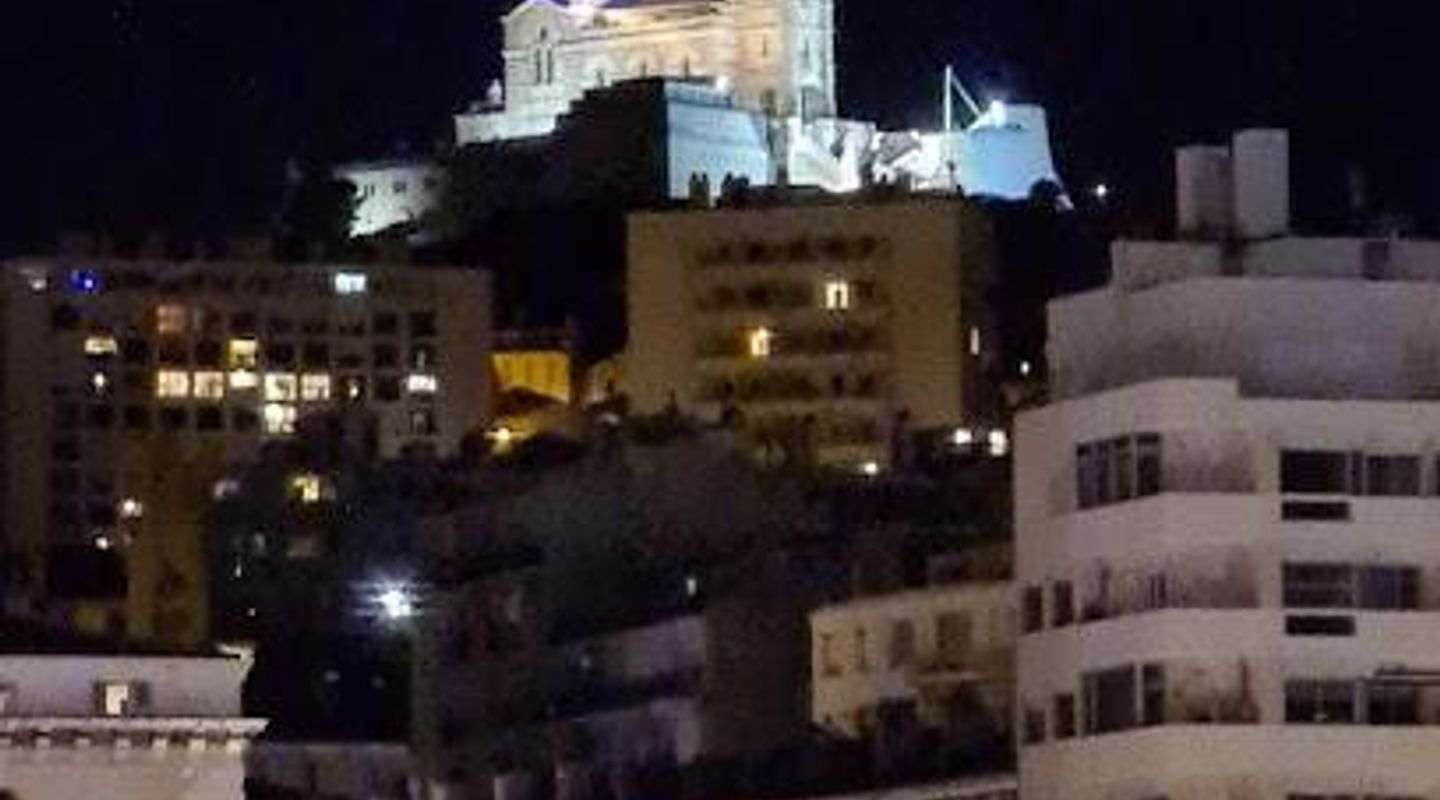
Old Port, Marseille Travel Guide
Discover the vibrant heart of Marseille at the Vieux Port, a historic harbor where ancient history meets modern life, offering a captivating blend of culture, cuisine, and Mediterranean charm.
The Vieux Port (Old Port) of Marseille is more than just a harbor; it's the historical and cultural heart of the city, pulsating with life and steeped in over 2600 years of history. From its origins as the ancient Greek settlement of Massalia to its modern-day role as a vibrant marina and social hub, the Vieux Port offers a captivating glimpse into Marseille's soul. Wander along the bustling quays, lined with cafes, restaurants, and the daily fish market, and soak in the atmosphere of this iconic landmark. Explore nearby attractions like Fort Saint-Jean, Fort Saint-Nicolas, and the architecturally stunning Mucem, or simply relax and watch the boats bobbing in the harbor. The Vieux Port is a must-see destination for any visitor seeking to experience the true essence of Marseille, offering a blend of history, culture, and Mediterranean charm.
A brief summary to Old Port
- Marseille, FR

Know before you go
Hi, I'm Eve. Here are a few practical things to know before exploring Old Port.
- Visit the fish market early in the morning (around 8:00 AM) to witness the bustling atmosphere and see the fresh catch of the day.
- Take the ferry across the port for a quick and scenic ride, offering unique perspectives of the harbor and its surroundings.
- Explore the Le Panier district, located just north of the port, for its colorful streets, street art, and local artisan shops.
- Enjoy a bouillabaisse at one of the restaurants around the port, but be prepared for a pricier meal as it's a local specialty.
- Check for local events and festivals happening at the Vieux Port, as it's a popular venue for celebrations and gatherings.
Do you manage this location?
Take control to get all the benefits, like improved information, better appearance, and stronger visibility across AI-powered discovery. Learn more about listing your business on Evendo
Activate your presenceOther nearby places you may find interesting
The closest places of the same kind, if this one is not quite what you had in mind.
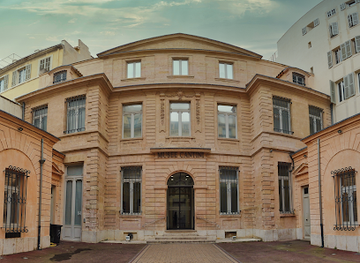

Explore Old Port on the Map
A handpicked selection of must-see spots near Old Port, mapped for you.
Unlock the Best of Old Port
Buy tickets
-
No tickets available
Book tours with entry


Getting There
-
Public Transport
From Gare Saint-Charles (Marseille's main train station), take Metro Line 1 (direction La Rose) to the Vieux Port station. The ride is direct and takes approximately 5 minutes. A single ticket costs €1.70 and is valid for one hour on the entire RTM network (bus, metro, tram). Upon exiting the metro station, you'll find yourself directly on the Quai des Belges, in the heart of the Vieux Port.
-
Walking
From the Canebière (Marseille's main street), walk south towards the harbor. The Vieux Port is located at the end of the Canebière, approximately a 10-15 minute walk. As you approach, you'll see the harbor and the iconic mirrored canopy on the Quai des Belges. This is a straightforward and pleasant walk, allowing you to soak in the city's atmosphere.
-
Taxi/Ride-Share
Taxis and ride-sharing services (Uber, Bolt) are readily available throughout Marseille. A taxi ride from Gare Saint-Charles to the Vieux Port typically costs between €12-€21 and takes around 10-15 minutes, depending on traffic. Be sure to confirm the fare with the driver or check the app estimate before starting your journey. There are taxi ranks outside the train station and along the Canebière.
-
Driving
Driving directly to the Vieux Port is possible, but parking can be challenging, especially during peak season. Several parking garages are located near the port, including Q-Park Vieux Port / Hôtel de Ville and Indigo Charles de Gaulle. Expect to pay around €3.00 per hour or €19.20 for 24 hours. Consider parking further away and walking or taking public transport for a less stressful experience.
Discover more about Old Port













Your all‑in‑one travel companion app
Explore expert travel guides, compare and book tours, experiences, hotels, and more—all from the palm of your hand. Download now for seamless trip planning wherever your wanderlust takes you.


Explore More of Marseille
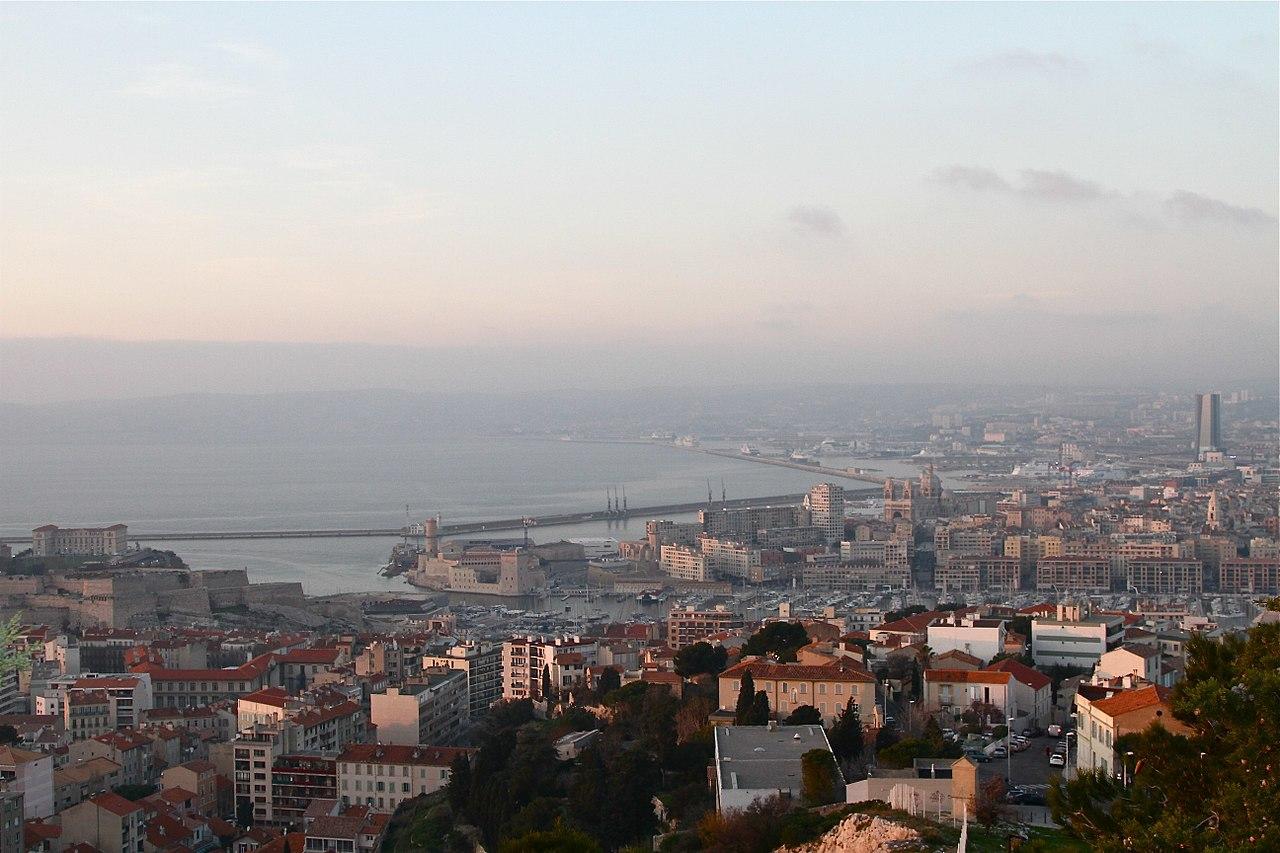
Looking beyond Old Port? Discover Marseille for broader travel guides, local hot-spots, and regional highlights.
Explore Marseille
Discover Marseille's vibrant street art scene at the Escaliers du Cours Julien, a colorful and ever-changing canvas in the heart of the city's bohemian district, a must-see for art lovers.

Discover the vibrant heart of Marseille at the Vieux Port, where 2600 years of history, culture, and maritime tradition come alive along its bustling quays and iconic landmarks.