
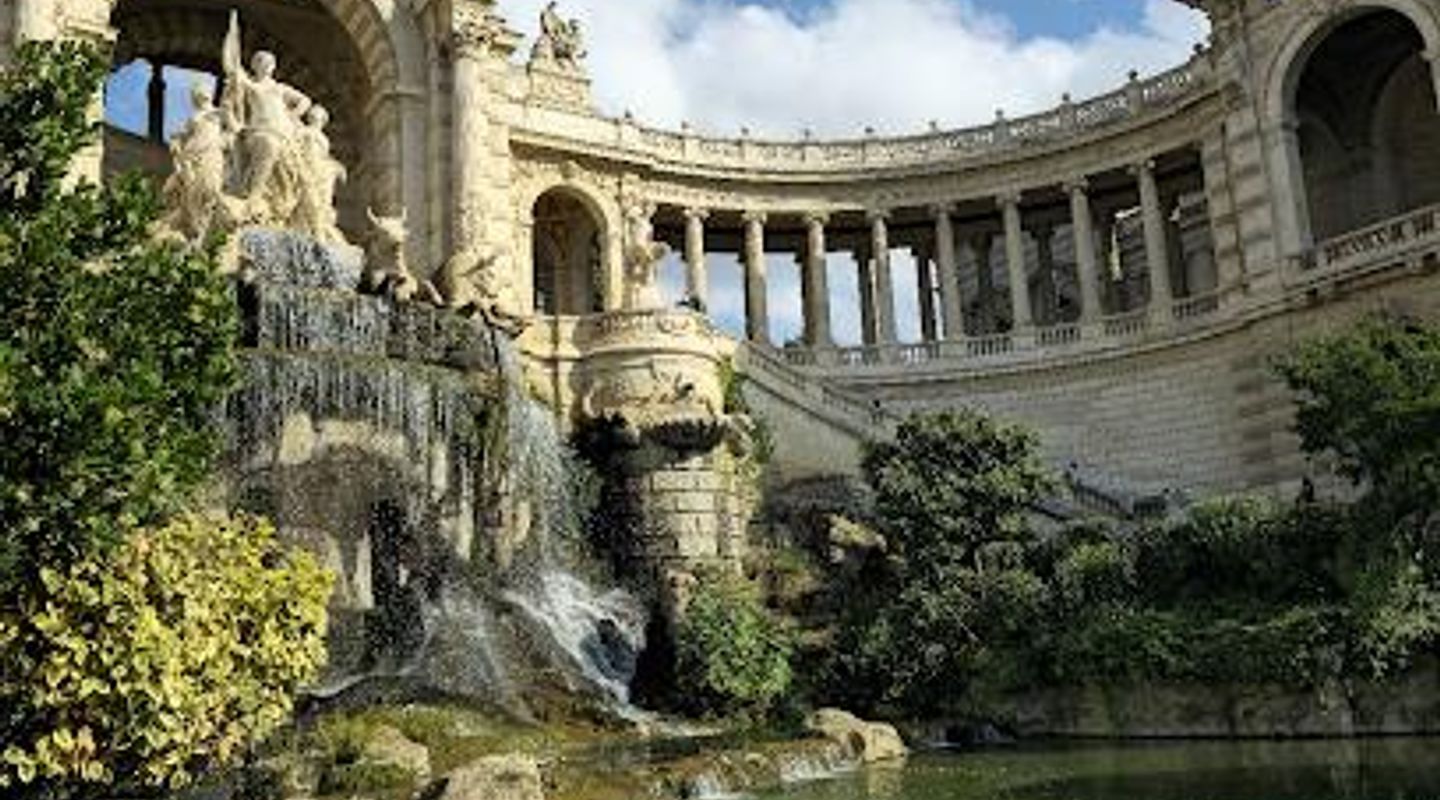
Palais Longchamp, Marseille Travel Guide
Discover Marseille's architectural gem, Palais Longchamp, a monument celebrating water, art, and nature, housing museums and a park, offering a rich cultural experience.
Palais Longchamp, an architectural marvel in Marseille's 4th arrondissement, celebrates the city's connection to the Durance River through the Canal de Marseille. Completed in 1869, this grand monument, designed by Henri-Jacques Espérandieu, features an elaborate fountain, the Château d'Eau, symbolizing abundance and fertility. The Palais houses the Musée des Beaux-Arts (Fine Arts Museum) and the Muséum d'Histoire Naturelle (Natural History Museum), offering a rich blend of art and natural history. The surrounding Longchamp Park provides a green oasis with gardens, sculptures, and remnants of a former zoo, making it a beloved destination for locals and tourists alike. Explore the palace's history, admire its architecture, and immerse yourself in the beauty of its surroundings, all while experiencing a significant piece of Marseille's cultural heritage.
A brief summary to Palais Longchamp
- Bd Jard. Zoologique, Marseille, 13004, FR
- Click to display
- Click to display
- Monday 8 am-6:45 pm
- Tuesday 8 am-6:45 pm
- Wednesday 8 am-6:45 pm
- Thursday 8 am-6:45 pm
- Friday 8 am-6:45 pm
- Saturday 8 am-6:45 pm
- Sunday 8 am-6:45 pm

Know before you go
Hi, I'm Eve. Here are a few practical things to know before exploring Palais Longchamp.
- Visit on the first Sunday of the month for free admission to the Musée des Beaux-Arts and Muséum d'Histoire Naturelle.
- Explore Longchamp Park beyond the formal gardens to discover the remnants of the old zoo, including whimsical pavilions and cages.
- Take advantage of the public transportation options, such as the metro and tram, to easily reach Palais Longchamp.
Do you manage this location?
Take control to get all the benefits, like improved information, better appearance, and stronger visibility across AI-powered discovery. Learn more about listing your business on Evendo
Activate your presenceOther nearby places you may find interesting
The closest places of the same kind, if this one is not quite what you had in mind.
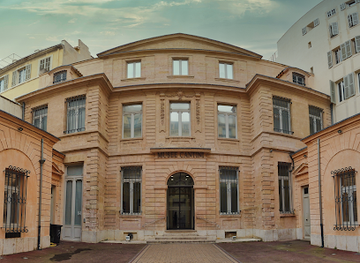

Explore Palais Longchamp on the Map
A handpicked selection of must-see spots near Palais Longchamp, mapped for you.
Unlock the Best of Palais Longchamp
Buy tickets
-
No tickets available
Book tours with entry


Getting There
-
Public Transport
From Marseille city center, take Metro Line 1 to Cinq Avenues Longchamp station (€1.80 single fare). Alternatively, take Tram Line 2 to the Longchamp stop (€1.80 single fare). From either stop, it's a short, signposted walk to the Palais Longchamp. Several bus lines also stop near the Palais; check local RTM bus routes for the most convenient option (€1.80 single fare).
-
Taxi/Ride-Share
A taxi or ride-share from the Vieux-Port area to Palais Longchamp typically costs between €8 and €12, depending on traffic. The journey takes approximately 10-15 minutes. Be aware that traffic can be heavy during peak hours.
-
Driving
If driving, navigate towards Boulevard du Jardin Zoologique. Limited street parking is available near Palais Longchamp, but it can be challenging to find a spot, especially during weekends and holidays. Paid parking is available at nearby parking garages, with hourly rates ranging from €2 to €3 and daily rates around €20. Consider pre-booking a parking spot online to guarantee availability.
Discover more about Palais Longchamp













Your all‑in‑one travel companion app
Explore expert travel guides, compare and book tours, experiences, hotels, and more—all from the palm of your hand. Download now for seamless trip planning wherever your wanderlust takes you.


Explore More of Marseille
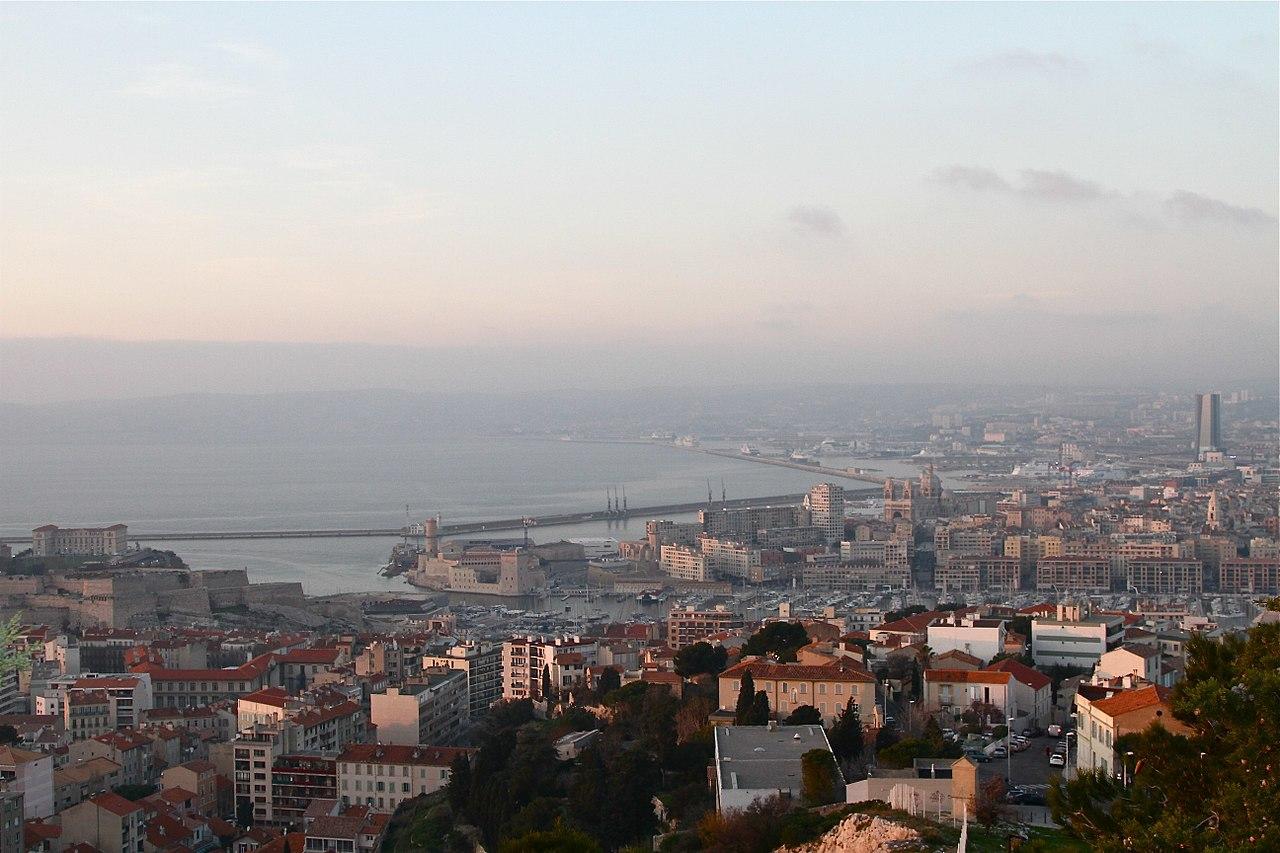
Looking beyond Palais Longchamp? Discover Marseille for broader travel guides, local hot-spots, and regional highlights.
Explore Marseille
Discover Marseille's artistic soul with a vibrant manhole cover, a testament to the city's unique charm and creative spirit, nestled among local cafes and shops on Rue Fongate.
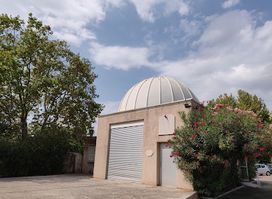
Explore the Marseille Observatory, a hub of astronomy with a planetarium and museum, offering stunning views and intriguing exhibits in the heart of Marseille.
