

Écluse d’Ayguesvives Travel Guide
Free Guide: Discover the charm of Écluse d’Ayguesvives, a historic lock on the Canal du Midi, offering picturesque views and a tranquil escape into French history and natural beauty.


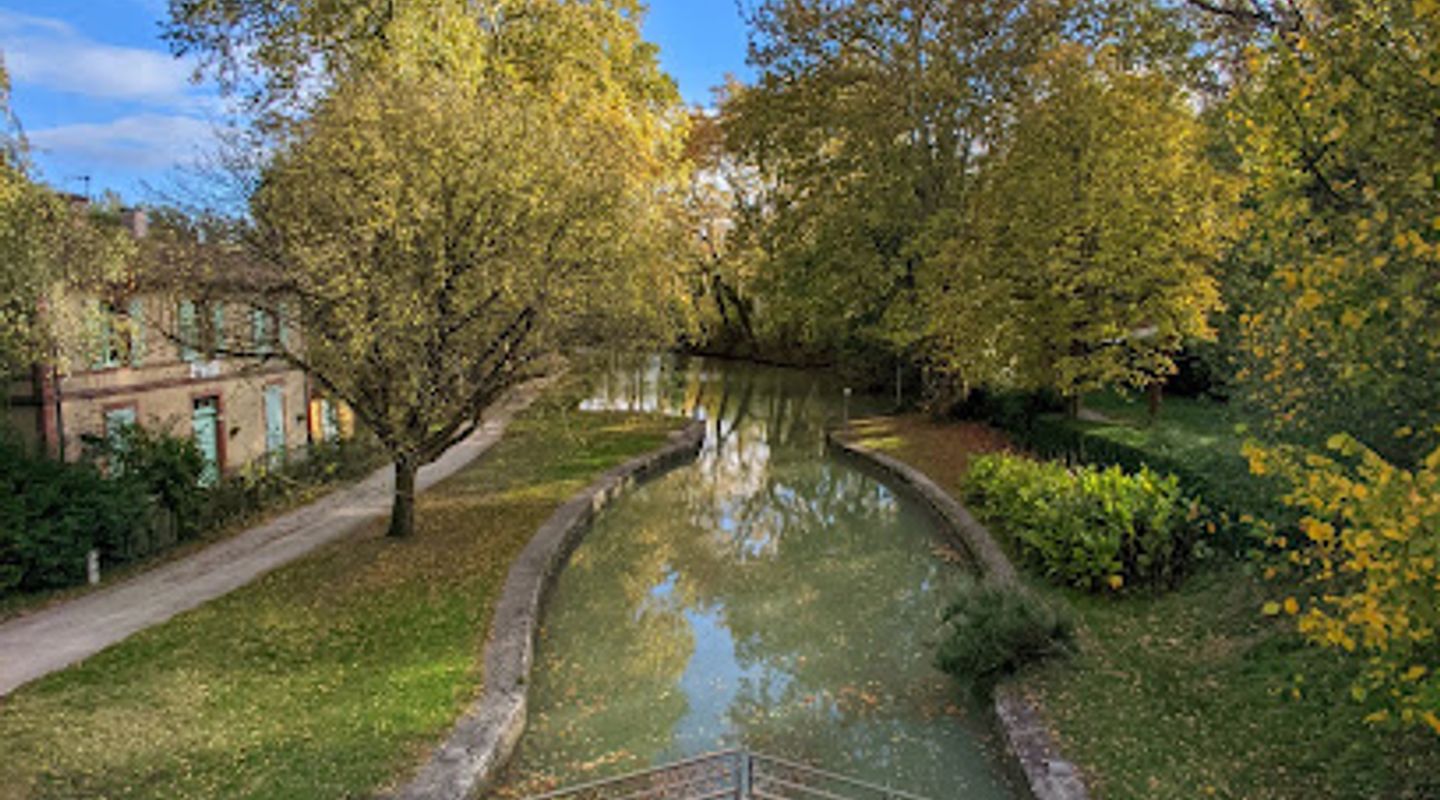
A brief summary of Écluse d’Ayguesvives
Discover the charm of Écluse d’Ayguesvives, a historic lock on the Canal du Midi, offering picturesque views and a tranquil escape into French history and natural beauty.
The Écluse d’Ayguesvives, or Ayguesvives Lock, is a charming single-chamber lock on the historic Canal du Midi in the Haute-Garonne department of France. Constructed around 1670, this lock is situated approximately 28.1 km from Toulouse, offering a picturesque glimpse into the canal's 17th-century engineering. The lock is a popular spot for cyclists and walkers exploring the canal's towpaths, providing a tranquil setting to observe the workings of the canal and the surrounding Lauragais countryside. The nearby village of Ayguesvives offers amenities and a glimpse into local French life, making the lock a worthwhile stop for those seeking a peaceful and authentic experience along the Canal du Midi. Whether you're boating, cycling, or simply strolling, the Écluse d’Ayguesvives provides a delightful pause to appreciate the canal's historical and natural beauty.
- Address
- 31450 Ayguesvives
- Website
Getting there
Walking
Public Transport
Driving
Discover more about Écluse d’Ayguesvives
Overview
The Écluse d’Ayguesvives, also known as the Ticaille Lock, is a single-chamber lock on the Canal du Midi, nestled in the commune of Ayguesvives in the Haute-Garonne department. Built around 1670, it stands as a testament to the remarkable engineering of Pierre-Paul Riquet, the canal's designer. Located 28.1 kilometers from Toulouse (Ponts-Jumeaux), the lock is an integral part of the canal's ascent from west to east, positioned at an altitude of 159 meters. The adjacent locks are the Écluse du Sanglier to the east and the Écluse de Montgiscard to the west. The lock's historical significance is underscored by the fact that Thomas Jefferson, during his travels, documented it, highlighting its importance as a key feature of the Canal du Midi. The Écluse d’Ayguesvives, like many other locks along the canal, played a crucial role in facilitating navigation and trade, enabling boats to traverse the varying elevations of the landscape. Today, the Écluse d’Ayguesvives offers a serene and picturesque setting for visitors. The lock is easily accessible via the canal's towpaths, which are popular with cyclists and walkers. These paths provide a tranquil way to explore the canal and the surrounding Lauragais countryside. The gentle flow of the water, the shade of the plane trees lining the canal, and the historic architecture of the lock create a peaceful atmosphere that invites relaxation and reflection. The village of Ayguesvives, located near the lock, offers a glimpse into local French life. Visitors can explore the village's charming streets, sample local cuisine at its restaurants, and discover the region's rich cultural heritage. The village provides essential amenities for travelers, making the Écluse d’Ayguesvives a convenient and enjoyable stop along the Canal du Midi. The Canal du Midi itself is a UNESCO World Heritage site, recognized for its historical and engineering significance. Constructed in the 17th century, the canal was a groundbreaking feat of engineering, connecting the Atlantic Ocean and the Mediterranean Sea. The canal's construction was driven by the desire to create a direct passage between the two bodies of water, avoiding the Strait of Gibraltar and the Spanish-controlled trade routes. Pierre-Paul Riquet successfully convinced King Louis XIV and his minister, Colbert, of the project's importance, securing funding and royal approval. The canal's design incorporated innovative solutions to overcome the challenges of the terrain, including the construction of numerous locks, aqueducts, and tunnels. The Écluse d’Ayguesvives is one of many locks that demonstrate the ingenuity of Riquet and his team. These locks allowed boats to ascend and descend the varying elevations of the landscape, ensuring the canal's navigability. The Canal du Midi has played a significant role in the economic and social development of the Languedoc region. It facilitated the transport of goods, including wheat, wine, woollen cloth, silk, and salt, boosting trade and commerce. The canal also contributed to the region's cultural exchange, connecting communities and fostering a sense of shared identity. While the transport of goods has diminished over time, the Canal du Midi remains a vital waterway for tourism and recreation. Pleasure boats now glide along the canal, offering visitors a unique perspective on the region's history and natural beauty. The canal's towpaths have been transformed into scenic routes for cyclists and walkers, providing opportunities for outdoor recreation and exploration. The Écluse d’Ayguesvives is a testament to the enduring legacy of the Canal du Midi. It is a place where history, engineering, and natural beauty converge, offering visitors a memorable and enriching experience. Whether you're boating, cycling, or simply strolling along the towpaths, the Écluse d’Ayguesvives provides a delightful pause to appreciate the canal's significance and the charm of the surrounding countryside. To fully appreciate the Écluse d’Ayguesvives, consider exploring the nearby Écluse du Sanglier, another notable lock on the Canal du Midi. The Écluse du Sanglier, a double lock, is located just a short distance east of Ayguesvives and is known for its picturesque setting and intriguing history. According to local legend, the lock was named after a wild boar that was trapped and killed during its construction. Visiting the Écluse d’Ayguesvives offers a chance to step back in time and experience the tranquility of the Canal du Midi. It's a reminder of the ingenuity and vision that shaped this remarkable waterway and its lasting impact on the region.
Evendo Review Centre
 Google
Guest reviews
Explore Écluse d’Ayguesvives on the map
A handpicked selection of must-see spots near Écluse d’Ayguesvives, mapped for you.
Get your free copy of our complete guide to Écluse d’Ayguesvives, delivered straight to you.
Everything on this page, from opening hours and how to get there to Eve’s tips and the best time to go, in one PDF you can read offline, print or share.
Already have an account? Sign in
Your Écluse d’Ayguesvives guide is ready.
We'll send it to · Not you? Sign out

Getting your guide ready…
We are putting together a fresh copy of the Écluse d’Ayguesvives guide. This can take up to a minute.
This can take a few moments. If your browser asks, choose Allow so the download can start. You'll find the guide in your Downloads folder.
Nothing happened? Download it again
Sorry, the guide is taking longer than usual. Please try again in a minute, or get it by email instead.
Other nearby places you may find interesting
The closest places of the same kind, if this one is not quite what you had in mind.
-
-
-
-
-


Swipe for more places
More to explore near Écluse d’Ayguesvives

 Best experiences near Écluse d’Ayguesvives
 Best hotels near Écluse d’Ayguesvives
 Best landmarks near Écluse d’Ayguesvives
 Best attractions near Écluse d’Ayguesvives
 Best shops near Écluse d’Ayguesvives
 Best restaurants near Écluse d’Ayguesvives
 Best bars near Écluse d’Ayguesvives
Do you manage this location?
Take control to get all the benefits, like improved information, better appearance, and stronger visibility across AI-powered discovery.
Explore more

Explore more of Midi-Pyrénées
Explore the natural splendor, rich history, and vibrant culture of Midi-Pyrénées, a picturesque region in southwestern France offering diverse experiences for every traveler.
Explore Midi-Pyrénées
Explore more of France
Explore France: A land of romance, history, and unparalleled beauty, from the iconic streets of Paris to the serene landscapes of Provence and the luxury of the French Riviera.
Explore France
