

Free Midi-Pyrénées Travel Guide & Mobile App
Explore Midi-Pyrénées with free travel guides. Discover regional history, expert tips, proposed trips, and audio guides on web or mobile app.


Explore Midi-Pyrénées, from Toulouse’s brick heritage and rural markets to medieval villages, limestone plateaux and the high Pyrenees.
Read more about Midi-Pyrénées
When is the best time to visit Midi-Pyrénées?
Best: June–July, September · 24–28°C| Month | High (°C) | Rainfall (mm) |
|---|---|---|
| January | 10 | 57 |
| February | 11 | 53 |
| March | 15 | 55 |
| April | 18 | 63 |
| May | 21 | 72 |
| June (best) | 25 | 61 |
| July (best) | 28 | 49 |
| August | 28 | 53 |
| September (best) | 24 | 58 |
| October | 20 | 69 |
| November | 14 | 66 |
| December | 10 | 64 |
Getting to and around Midi-Pyrénées
How to get there
Transportation
Top city travel guides in Midi-Pyrénées
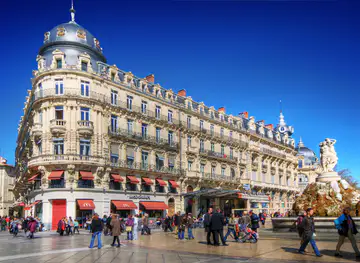
The cities of Midi-Pyrénées, and the easiest places to base yourself.
-

-

-
-


Swipe for more cities
Destinations in Midi-Pyrénées
Resorts, valleys and scenic spots worth a trip of their own.
-

-

-

-

-

-


Swipe for more destinations
Best attractions in Midi-Pyrénées
Midi-Pyrénées offers a wide spectrum of attractions, from Toulouse's medieval streets, museums and riverfront to the red-brick episcopal city of Albi and the market towns of the Gers, Lot and Aveyron. Historic villages are a major draw: Conques is celebrated for its Romanesque abbey and setting, while Saint-Cirq-Lapopie, Najac and Cordes-sur-Ciel combine hilltop positions with dense medieval architecture. The region's natural attractions are equally varied, including the Causses du Quercy and Grands Causses, the limestone gorges of the Lot and Tarn, and the high valleys and cirques of the Pyrenees. Visitors can hike, cycle, canoe, climb, ski or explore caves such as Niaux in Ariège, subject to conservation controls. Lourdes has a distinctive religious and pilgrimage focus, while the Canal du Midi provides opportunities for walking, cycling and slow boat travel around Toulouse. Museums, abbeys, gardens, local food markets and village festivals add cultural depth without reducing the region to a single heritage theme.
-
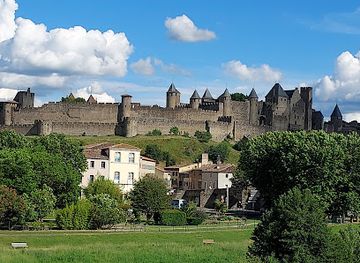
Fortress
Cité de Carcassonne
Explore the Cité de Carcassonne, a UNESCO World Heritage site, and step back in time to discover one of Europe's most impressive medieval fortresses with its ramparts, towers and rich history.
-
National park
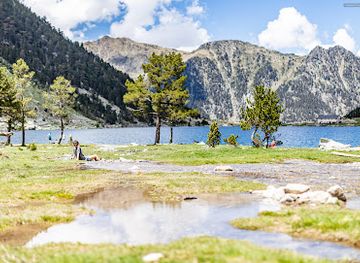
Parc national des Pyrénées
Discover the untamed beauty of the French Pyrenees: Hike through stunning landscapes, encounter diverse wildlife, and immerse yourself in the rich cultural heritage of this natural sanctuary.
-
National park
Ordesa y Monte Perdido National Park
Explore the stunning natural beauty of Ordesa y Monte Perdido National Park, a UNESCO World Heritage site in the Pyrenees, perfect for outdoor adventures.
-
Tourist attraction
Pont d'Espagne
Discover the breathtaking beauty of Pont d'Espagne in the French Pyrenees: cascading waterfalls, stunning mountain views, and endless hiking adventures await in this natural paradise.


Best landmarks in Midi-Pyrénées
The Basilica of Saint-Sernin in Toulouse is one of the region's most important Romanesque monuments, a vast pilgrimage church whose brick and stone architecture reflects the city's medieval prominence. Nearby, the Capitole and the old streets of Toulouse express the civic and mercantile importance of the Garonne capital. Albi's Sainte-Cécile cathedral and former episcopal city form a powerful brick-built landmark above the Tarn, while the Pont Vieux adds a medieval river crossing to the cityscape. In the Lot, the cliffside village of Saint-Cirq-Lapopie and the pilgrimage sanctuary at Rocamadour are among the region's most recognisable settings. Conques Abbey, with its sculpted west façade and Romanesque structure, is a defining monument of Aveyron. Further south, the Cirque de Gavarnie is a major natural landmark, enclosed by dramatic Pyrenean walls and waterfalls. Cordes-sur-Ciel and Najac provide different examples of fortified hilltop settlement, while the Canal du Midi represents the engineering ambition of seventeenth-century France around Toulouse.
-
Fortress
Cité de Carcassonne
Discover the enchanting Cité de Carcassonne, a medieval fortress showcasing stunning architecture and rich history in the heart of France.
-
Tourist attraction
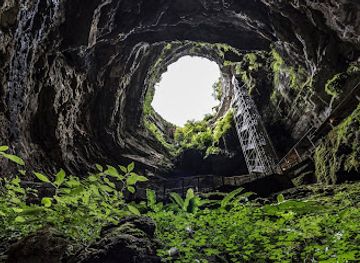
Gouffre de Padirac
Explore the breathtaking underground world of Gouffre de Padirac, a stunning natural wonder in the heart of France with mesmerizing caverns and serene rivers.
-
National park
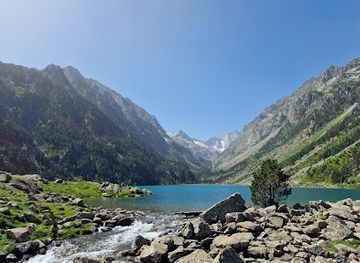
Parc national des Pyrénées
Explore the breathtaking beauty and diverse wildlife of Parc National des Pyrénées, a stunning national park straddling France and Spain, perfect for outdoor adventures.
-
Tourist attraction
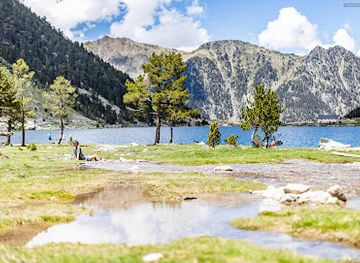
Pont d'Espagne
Discover the breathtaking beauty of Pont d'Espagne, a stunning bridge and hiking area in the heart of the French Pyrenees, perfect for nature lovers.
Explore Midi-Pyrénées on the map
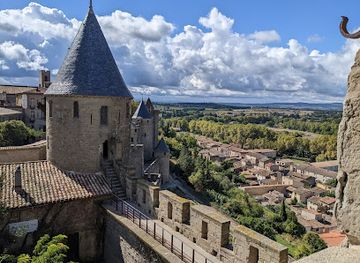
Plan your trip on one map. See where the top cities, national parks and sights are, and book hotels and experiences in a few clicks.
Best hotels in Midi-Pyrénées
Best restaurants in Midi-Pyrénées
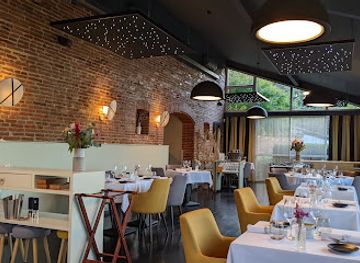
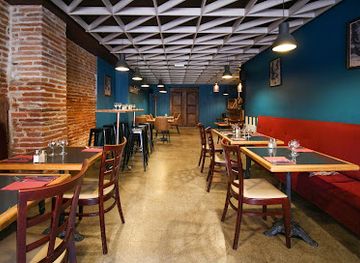
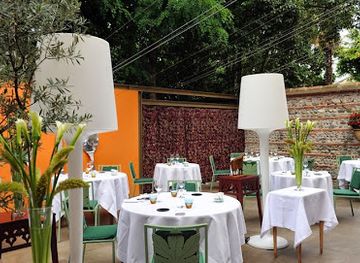
Dining in Midi-Pyrénées reflects the contrast between Toulouse, rural Gascony, the limestone uplands and the Pyrenean valleys. Toulouse is closely associated with cassoulet, while southwest cooking more broadly makes generous use of duck, goose, beans, garlic, seasonal vegetables and preserved meats. Gers and the surrounding Gascon countryside are known for farm produce and Armagnac, and the Lot and Aveyron contribute cheeses, cured meats, lamb, veal and hearty dishes shaped by upland farming. Regional specialities vary from one department to another, so menus reward curiosity rather than assumptions. Look for covered market halls, village markets, traditional auberges, family-run restaurants, cafés and rural inns, as well as contemporary dining in Toulouse and the larger towns. Bakeries and patisseries are useful for picnic supplies, while local producers sell cheeses, foie gras, honey, walnuts, wines and preserves. Menus often change with the season, particularly outside the cities.
-
French
Au Pois Gourmand restaurant terrasse gastronomique
Savor exquisite French cuisine at Au Pois Gourmand, a gastronomic gem in Toulouse with a stunning terrace ambiance.
-
Fine Dining
Restaurant L'aparté- Jérémy MORIN
Experience culinary artistry at Restaurant L'aparté in Montrabé, where every dish is a masterpiece of haute French cuisine.
-
French
Aux Pieds sous la Table
Experience authentic French cuisine in Toulouse at Aux Pieds sous la Table – where every meal tells a story.
-
Fine Dining
Restaurant Michel Sarran
Experience the pinnacle of fine dining at Restaurant Michel Sarran in Toulouse - where exquisite flavors meet artistic presentation.
Best bars in Midi-Pyrénées
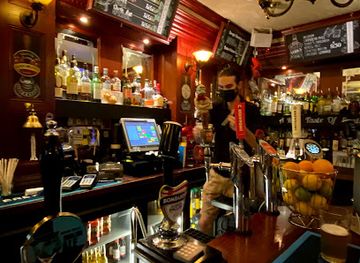
Evening life is concentrated in Toulouse, where bars, cafés, live-music venues and restaurants cluster around the historic centre, the Garonne and student districts. Albi, Montauban, Rodez, Tarbes and other larger towns offer a smaller selection of wine bars, traditional cafés, cultural venues and late-evening restaurants. Across the Gers, Lot and Aveyron, the social focus is more often the village café, bar-tabac, traditional inn or seasonal outdoor event than a large nightclub scene. Toulouse has the region's broadest choice of contemporary cocktail bars and clubs, but opening arrangements and venues change, so local listings are useful. In mountain resorts and pilgrimage towns, evenings may be busier during the main summer or winter season and quieter outside it. Wine, Armagnac and regional beer can be sampled alongside non-alcoholic drinks; alcohol is not necessary to participate in local evening culture.
-
Bar
Le Bar Basque Toulouse
Discover the vibrant flavors of Basque cuisine at Le Bar Basque in Toulouse – a culinary gem for tapas lovers and wine enthusiasts.
-
Bar
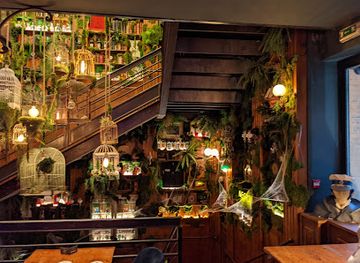
The Botanist Pub
Experience the best of Irish hospitality and Toulouse tapas at The Botanist Pub, a vibrant bar and restaurant in the heart of the city.
-
Bar
L'Ecrin
Discover L'Ecrin: Toulouse's premier bar and adult entertainment destination for vibrant performances and unforgettable experiences.
-
Bar
The George and Dragon
Discover The George and Dragon in Toulouse – where British pub culture meets French charm, offering delicious food and vibrant atmosphere.


Best nightclubs in Midi-Pyrénées
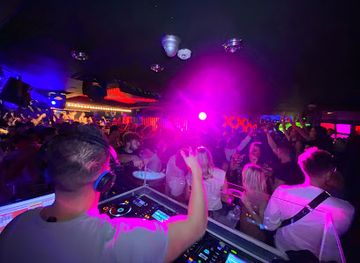
Evening life is concentrated in Toulouse, where bars, cafés, live-music venues and restaurants cluster around the historic centre, the Garonne and student districts. Albi, Montauban, Rodez, Tarbes and other larger towns offer a smaller selection of wine bars, traditional cafés, cultural venues and late-evening restaurants. Across the Gers, Lot and Aveyron, the social focus is more often the village café, bar-tabac, traditional inn or seasonal outdoor event than a large nightclub scene. Toulouse has the region's broadest choice of contemporary cocktail bars and clubs, but opening arrangements and venues change, so local listings are useful. In mountain resorts and pilgrimage towns, evenings may be busier during the main summer or winter season and quieter outside it. Wine, Armagnac and regional beer can be sampled alongside non-alcoholic drinks; alcohol is not necessary to participate in local evening culture.
-
Night club
O Club By Charleston
O Club By Charleston: A vibrant nightlife hub in Toulouse where music, dance, and unforgettable experiences await.
-
Disco club
ICE CLUB
Discover ICE CLUB in Toulouse: A vibrant disco haven where music and dance unite for an unforgettable nightlife experience.
-
Night club
Le Purple
Discover the vibrant nightlife of Toulouse at Le Purple, a premier night club offering an energetic atmosphere and unforgettable experiences.
-
Night club
Le Nine Club
Experience the vibrant nightlife at Le Nine Club in Toulouse, where music and dance come together to create unforgettable nights.



Best shops in Midi-Pyrénées
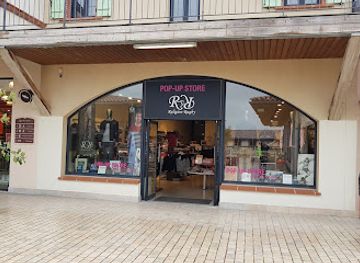
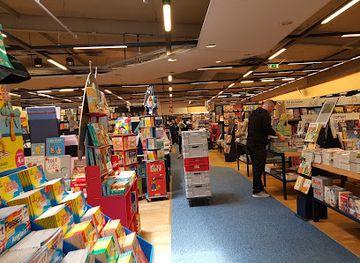
Shopping varies sharply between Toulouse's urban retail streets and the small markets of the rural departments. Toulouse offers the widest choice of independent fashion, books, design, food shops and everyday retail, while Albi, Montauban, Auch, Cahors, Rodez and Tarbes combine conventional high streets with specialist shops in historic centres. Village and covered markets are especially useful for regional food: cheeses, walnuts, honey, preserves, cured meats, foie gras, Armagnac and local wines are popular purchases, although products should be packed and transported according to travel regulations. Craft shops and galleries in towns such as Cordes-sur-Ciel, Conques and Saint-Cirq-Lapopie often carry ceramics, textiles, leather goods, prints and locally made objects. In mountain areas, shops focus more on walking equipment, regional produce and practical outdoor goods than on luxury retail. Market days vary by town and season, so confirm locally rather than planning around an assumed schedule.
-
Outlet mall
Nailloux Outlet Village
Experience the charm of Nailloux Outlet Village, where fashion meets affordability in an inviting outdoor shopping paradise.
-
Gift shop
Cultura
Explore your creative side at Cultura in Portet-sur-Garonne, a diverse shop for gifts, crafts, books, and musical instruments.
-
Shopping mall
Centre Commercial Espace Saint Georges
Experience the best of shopping, dining, and entertainment at Centre Commercial Espace Saint Georges in Toulouse, a vibrant destination for every traveler.
-
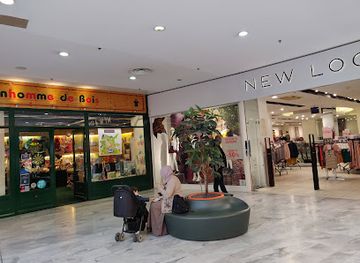
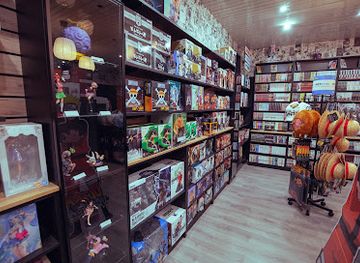
Comic book store
Crossover Mangas - Toulouse
Discover the vibrant world of manga, anime, and Japanese delicacies at Crossover Mangas in Toulouse - a must-visit for all pop culture enthusiasts.
Get your free copy of our complete guide to Midi-Pyrénées, delivered straight to you.
Everything on this page, from attractions and restaurants to essentials and local phrases, in one PDF you can read offline, print or share.
Already have an account? Sign in
Your Midi-Pyrénées guide is ready.
We'll send it to · Not you? Sign out

Getting your guide ready…
We are putting together a fresh copy of the Midi-Pyrénées guide. This can take up to a minute.
This can take a few moments. If your browser asks, choose Allow so the download can start. You'll find the guide in your Downloads folder.
Nothing happened? Download it again
Sorry, the guide is taking longer than usual. Please try again in a minute, or get it by email instead.
Midi-Pyrénées essentials
Currency and Payment
Safety
Emergency Situations
Do's and Don'ts
Local Tips
From Eve
Local phrases worth knowing
You don't need to get them perfect. A few words go a long way, and locals appreciate the effort.
Basics
| English | Local | Say it |
|---|---|---|
| Hello | Bonjour | [bohn-zhoor] |
| Goodbye | Au revoir | [oh ruh-vwahr] |
| Yes | Oui | [wee] |
| No | Non | [noh] |
| Please/You're welcome | S'il vous plaît | [seel voo pleh] |
| Thank you | Merci | [mehr-see] |
| Excuse me/Sorry | Excusez-moi | [ehk-skew-zay mwah] |
| How are you? | Comment ça va? | [koh-mohn sah vah] |
| Fine. And you? | Bien. Et vous? | [byahn. eh voo] |
| Do you speak English? | Parlez-vous anglais? | [par-lay voo ahn-glay] |
| I don't understand | Je ne comprends pas | [zhuh nuh kohm-prahn pah] |
Eating & Drinking
| English | Local | Say it |
|---|---|---|
| I'd like to see the menu, please | Je voudrais voir le menu, s'il vous plaît | [zhuh voo-dray vwar luh meh-nu, seel voo pleh] |
| I don't eat meat | Je ne mange pas de viande | [zhuh nuh mahnzh pah duh vyahnd] |
| Cheers! | Santé! | [sahn-tay] |
| I would like to pay, please | Je voudrais payer, s'il vous plaît | [zhuh voo-dray pay-ay, seel voo pleh] |
Emergencies
| English | Local | Say it |
|---|---|---|
| Help! | À l'aide! | [ah led] |
| Go away! | Allez-vous-en! | [ah-lay voo zahn] |
| Call the Police! | Appelez la police! | [ah-peh-lay lah poh-lees] |
| Call a doctor! | Appelez un médecin! | [ah-peh-lay uhn meh-deh-seen] |
| I'm lost | Je suis perdu | [zhuh swee pair-doo] |
| I'm ill | Je suis malade | [zhuh swee mah-lahd] |
Shopping
| English | Local | Say it |
|---|---|---|
| I'd like to buy... | Je voudrais acheter... | [zhuh voo-dray ah-sheh-tay] |
| I'm just looking | Je regarde juste | [zhuh ruh-gard zhoost] |
| How much is it? | C'est combien? | [seh kohm-byen] |
| That's too expensive | C'est trop cher | [seh troh shair] |
| Can you lower the price? | Pouvez-vous baisser le prix? | [poo-vay voo beh-say luh pree] |
Time & Numbers
| English | Local | Say it |
|---|---|---|
| What time is it? | Quelle heure est-il? | [kel uhr eh-teel] |
| It's one o'clock | Il est une heure | [eel eh ewn uhr] |
| Half past (10) | Dix heures et demie | [dees uhr eh duh-mee] |
| Morning | Matin | [mah-tahn] |
| Afternoon | Après-midi | [ah-pray mee-dee] |
| Evening | Soir | [swahr] |
| Yesterday | Hier | [ee-ehr] |
| Today | Aujourd'hui | [oh-zhoor dwee] |
| Tomorrow | Demain | [duh-mahn] |
| 1 | Un | [uhn] |
| 2 | Deux | [duhr] |
| 3 | Trois | [trwah] |
| 4 | Quatre | [katr] |
| 5 | Cinq | [sank] |
| 6 | Six | [sees] |
| 7 | Sept | [set] |
| 8 | Huit | [weet] |
| 9 | Neuf | [nuhf] |
| 10 | Dix | [dees] |
Transport & Directions
| English | Local | Say it |
|---|---|---|
| Where's a/the...? | Où est un/le...? | [oo eh uhn/luh] |
| What's the address? | Quelle est l'adresse? | [kel eh l'ah-dress] |
| Can you show me (on the map)? | Pouvez-vous me montrer (sur la carte)? | [poo-vay voo muh mohn-tray (sur lah kart)] |
| When's the next (bus)? | Quand est le prochain (bus)? | [kahn eh luh proh-shen (byoo)] |
| A ticket (to ....) | Un billet (pour....) | [uhn bee-yay (poor....)] |
History of Midi-Pyrénées
Prehistoric caves and early settlement
The limestone landscapes of the Lot, Aveyron and Ariège preserve important evidence of prehistoric occupation. Caves and rock shelters contain traces of Palaeolithic communities, while later Neolithic peoples left burial monuments, tools and evidence of farming. The decorated cave of Niaux in Ariège is particularly significant for its prehistoric art, although access is controlled to protect the interior. Across the Causses and river valleys, archaeology shows how changing climates, domestication and trade gradually reshaped the region before the arrival of written history.
Roman Toulouse and the ancient south-west
Roman power transformed the settlements and routes of what is now Midi-Pyrénées. Tolosa, the predecessor of Toulouse, became an important centre connected to the wider network of Roman roads and commerce. Other towns developed around roads, river crossings and agricultural estates, while Roman engineering and administration left traces in the region's urban foundations and archaeological collections. The Garonne corridor helped link the Mediterranean world with Atlantic-facing territories, making the area a zone of exchange rather than an isolated frontier.
Medieval counties, pilgrimage and fortified towns
During the Middle Ages, the region was divided among powerful counties, viscounties and ecclesiastical lordships, including Toulouse, Rouergue, Quercy and Armagnac. Abbeys and churches expanded along pilgrimage routes, while hilltop settlements and fortified towns controlled valleys, crossings and trade. Conques, Moissac and the churches of the Lot and Aveyron preserve major evidence of medieval religious culture. Bastides, planned towns founded especially in the thirteenth and fourteenth centuries, reflect efforts by rulers and local lords to encourage settlement and organise commerce.
The Cathar period and the Albigensian Crusade
The religious movement labelled Catharism gained followers in parts of southern France during the twelfth and early thirteenth centuries. Opposition to the Catholic Church and the political independence of the counts of Toulouse contributed to the Albigensian Crusade, launched in 1209. The conflict brought warfare, sieges and major political change to the wider Languedoc, with the county of Toulouse eventually drawn more firmly into the French royal sphere. Although the most famous Cathar fortresses lie beyond Midi-Pyrénées in other parts of Occitanie, the region's medieval politics, religious foundations and fortified settlements were affected by the upheaval.
Canals, river trade and early modern prosperity
The development of the Canal du Midi in the seventeenth century strengthened links between Toulouse and the Mediterranean, complementing older trade routes along the Garonne and Tarn. Grain, wine, textiles and other goods could move more efficiently, while Toulouse consolidated its role as a regional commercial and administrative centre. Elsewhere, agriculture, livestock and local craft industries shaped market towns such as Auch, Cahors, Montauban and Rodez. The canal and surviving river infrastructure remain visible reminders of an era when water transport was central to regional economic planning.
The French Revolution and changing administration
The Revolution dismantled the old provincial and seigneurial order and replaced it with departments, including Haute-Garonne, Gers, Lot, Aveyron, Tarn, Tarn-et-Garonne, Ariège and Hautes-Pyrénées. These administrative divisions still influence travel and local identity. Religious institutions lost much of their former political power, while civic buildings, prefectures and new legal structures expressed the centralising ambitions of modern France. The region's historic patchwork therefore survived culturally even as government and public administration were reorganised.
Industrialisation, aviation and the modern region
Industrial growth remained uneven, but railways, mining, food processing and engineering changed the region during the nineteenth and twentieth centuries. Toulouse later became a major centre for aviation and aerospace, building on manufacturing and research institutions whose influence extends across contemporary Occitanie. Rural areas experienced agricultural modernisation, depopulation and, more recently, renewed interest in heritage, outdoor recreation and food production. The former Midi-Pyrénées administrative region was merged with Languedoc-Roussillon in 2016 to create Occitanie, though the name remains widely used for travel and cultural purposes.
Midi-Pyrénées in Photos
Browse through our photo collection highlighting the charm and character of the destination.
Neighbouring regions of Midi-Pyrénées
The closest regions to Midi-Pyrénées, if you have time for more than one.
-
-

-

-

-


Swipe for more regions
Explore more

Explore more of France
Explore France: A land of romance, history, and unparalleled beauty, from the iconic streets of Paris to the serene landscapes of Provence and the luxury of the French Riviera.
Explore France