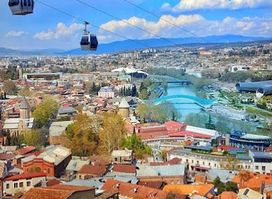
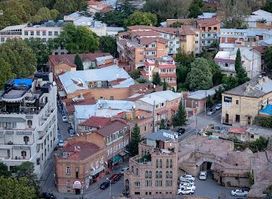
Old Tbilisi, Mtskheta Travel Guide
Explore the historic heart of Georgia's capital, where ancient sulfur springs meet diverse architecture and vibrant culture.
Old Tbilisi is the historical center of Georgia's capital, characterized by its charming cobblestone streets, traditional balconied houses, and diverse architectural influences. It's a vibrant mix of cultures and eras, showcasing the city's rich history and enduring spirit.
A brief summary to Old Tbilisi
- Tbilisi, Old Tbilisi, GE

Know before you go
Hi, I'm Eve. Here are a few practical things to know before exploring Old Tbilisi.
- Wear comfortable shoes for walking on the cobblestone streets and exploring the hilly terrain of Old Tbilisi.
- Bargain with taxi drivers before starting your journey, or use ride-hailing apps like Bolt or Yandex for transparent pricing.
- Try traditional Georgian cuisine at local restaurants and sample regional wines at specialized wine shops.
- Visit the sulfur baths for a unique cultural experience, but be aware that some may have a strong smell.
- Take the cable car to Narikala Fortress for stunning views of Old Tbilisi and the surrounding area.
Do you manage this location?
Take control to get all the benefits, like improved information, better appearance, and stronger visibility across AI-powered discovery. Learn more
Activate your presenceOther nearby places you may find interesting
The closest places of the same kind, if this one is not quite what you had in mind.
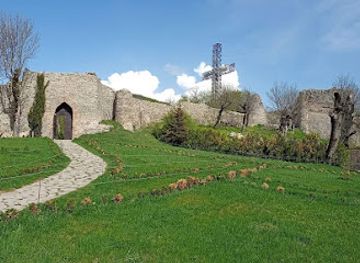

Explore Old Tbilisi on the Map
A handpicked selection of must-see spots near Old Tbilisi, mapped for you.
Getting There
-
Walking
Old Tbilisi is best explored on foot due to its narrow, winding streets. From Freedom Square, head west towards Kote Afkhazi Street (formerly Leselidze Street), a main thoroughfare lined with shops and restaurants. Explore the side streets and alleys branching off from Kote Afkhazi Street to discover hidden courtyards, historic buildings, and local shops. Be prepared for some uphill walking as you approach Narikala Fortress and the sulfur baths.
-
Public Transport
The Tbilisi Metro is an efficient way to reach Old Tbilisi. Take the Red Line to Liberty Square Station. From there, it's a short walk to the heart of Old Tbilisi. Alternatively, numerous buses serve the area. Check the Tbilisi Transport website or use the Moovit app for schedules and routes. A single metro or bus fare is 1 GEL, and a travel card can be purchased at metro stations. The card is suitable for metro, bus, minibus, and cable cars.
-
Taxi
Taxis are readily available in Tbilisi and can be hailed on the street or booked through apps like Bolt and Yandex. A short taxi ride within Old Tbilisi should cost around 5-10 GEL, but it's best to negotiate the fare beforehand or use a ride-hailing app for a fixed price. Be aware that traffic can be heavy, especially during peak hours.
-
Cable Car
For access to Narikala Fortress, consider taking the cable car from Rike Park. The cable car ride offers scenic views of Old Tbilisi and the Mtkvari River. The one-way fare is 2.5 GEL, and you'll need a MetroMoney card or a bank card to ride. The cable car operates from 10 am to 12 am during summer and from 10 am to 10 pm in winter.
Discover more about Old Tbilisi













Your all‑in‑one travel companion app
Explore expert travel guides, compare and book tours, experiences, hotels, and more—all from the palm of your hand. Download now for seamless trip planning wherever your wanderlust takes you.


Explore More of Mtskheta
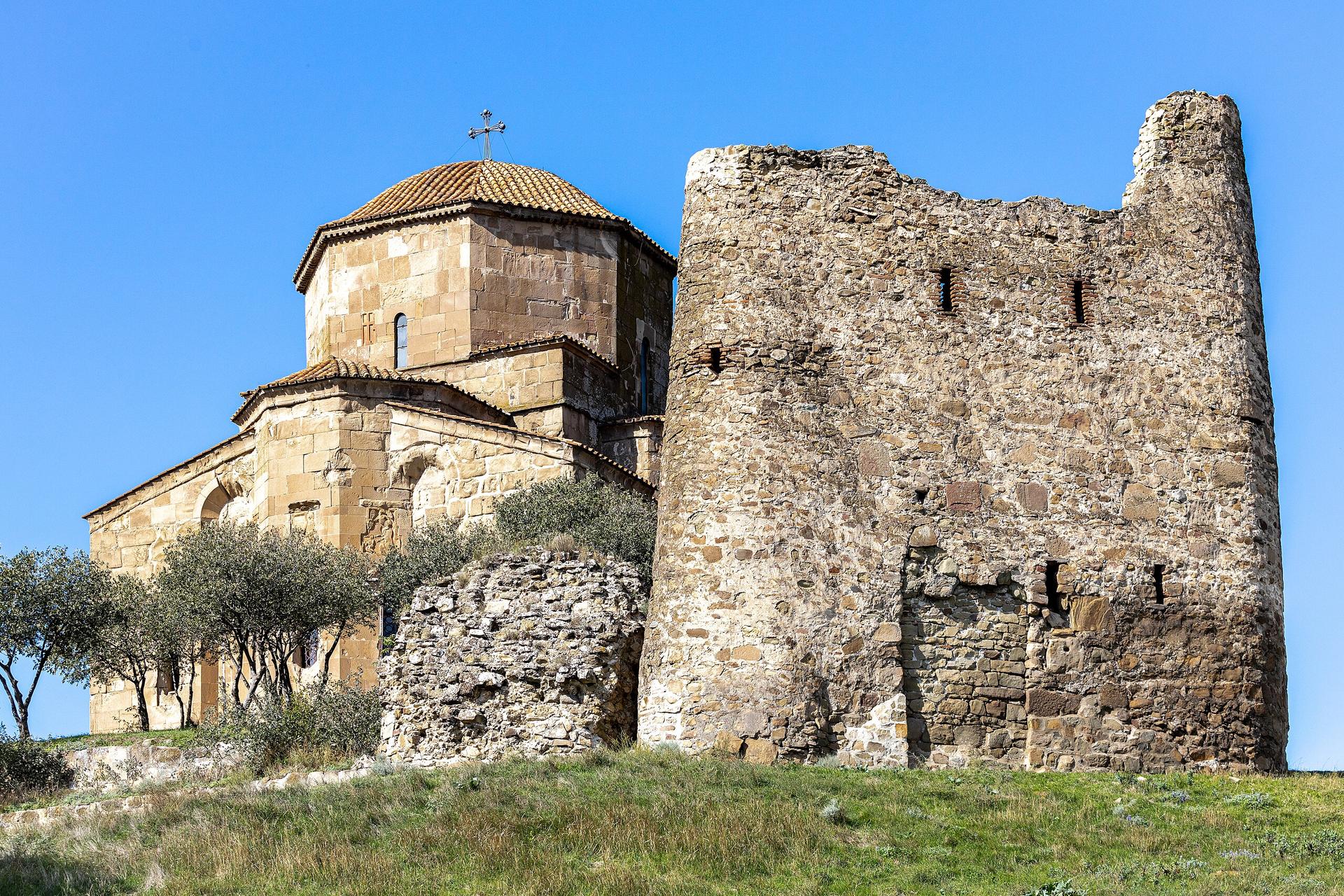
Looking beyond Old Tbilisi? Discover Mtskheta for broader travel guides, local hot-spots, and regional highlights.
Explore Mtskheta