

Free Mtskheta Travel Guide & Mobile App
Plan your Mtskheta trip with Evendo. Get free guides to top attractions, restaurants, hotels, and bars. Web access or download the mobile app.


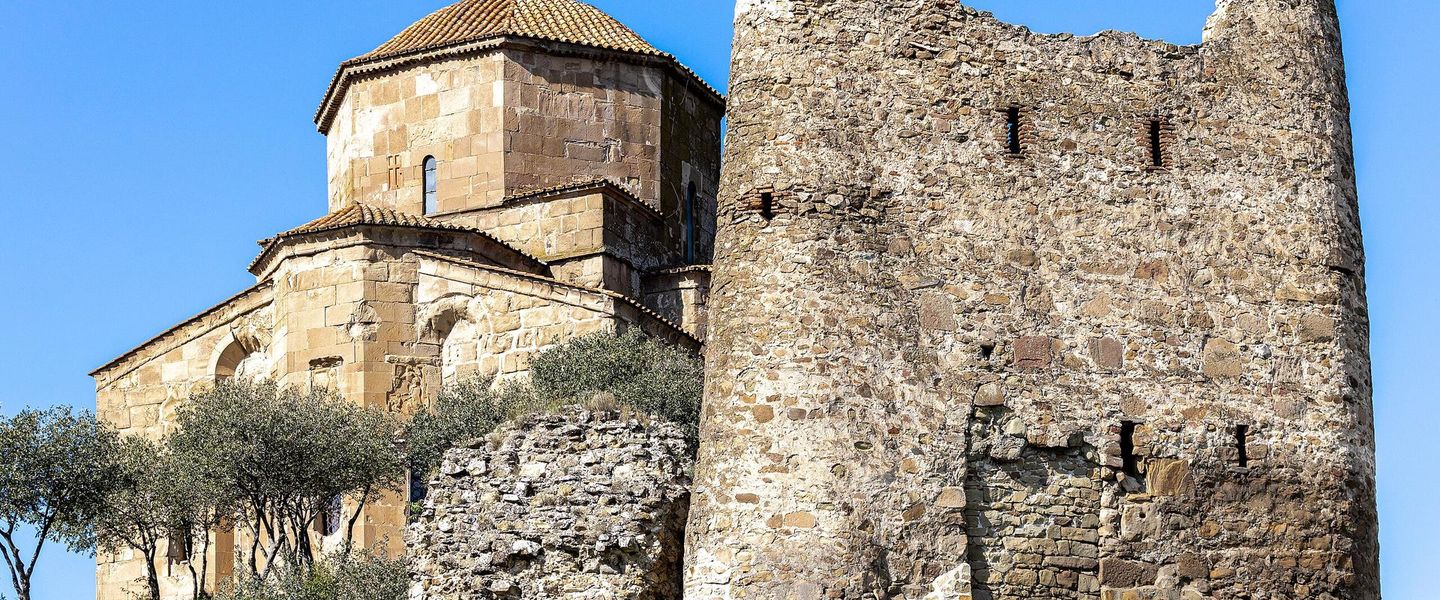


Mtskheta, Georgia's ancient capital, pairs UNESCO-listed monasteries, river valleys and living Orthodox tradition near Tbilisi for cultural travellers.
Ancient Crossroads
Mtskheta lies at the meeting of the Mtkvari and Aragvi rivers, a short journey north-west of Tbilisi. Once the capital of the eastern Georgian kingdom of Iberia, it remains one of the country’s most important historical and religious centres. Its compact old town is dominated by Svetitskhoveli Cathedral, while the hilltop Jvari Monastery looks across the confluence of the rivers towards the surrounding Caucasian foothills. Together with the historic churches of Samtavro and other monuments, these sites form a UNESCO World Heritage ensemble that gives Mtskheta an importance far beyond its modest size.Read more about Mtskheta
Churches, Rivers and Old Streets
When is the best time to visit Mtskheta?
Best: April–May, September · 21–27°C| Month | High (°C) | Rainfall (mm) |
|---|---|---|
| January | 6 | 32 |
| February | 9 | 29 |
| March | 15 | 39 |
| April (best) | 21 | 52 |
| May (best) | 27 | 67 |
| June | 31 | 85 |
| July | 34 | 95 |
| August | 33 | 90 |
| September (best) | 27 | 75 |
| October | 20 | 60 |
| November | 12 | 47 |
| December | 7 | 38 |
Getting to and around Mtskheta
How to get there
Transportation
Best attractions in Mtskheta
Mtskheta’s principal attractions form a compact heritage circuit, beginning with Svetitskhoveli Cathedral in the old town. Its vast interior, carved stonework and active liturgical life convey the importance of the former capital more effectively than a simple architectural visit. Nearby Samtavro Monastery combines a historic church complex with a continuing monastic presence, while the Archaeological Museum introduces artefacts from the settlements and burial grounds that made Mtskheta a major centre in antiquity. Across the river valley, Jvari Monastery provides both a significant early Georgian Christian monument and a wide view over the meeting of the Mtkvari and Aragvi. The old streets between these sites contain small cafés, craft shops and local food businesses, and paths beside the rivers reveal the broader landscape that shaped the town’s strategic history. Together, the attractions offer religious heritage, archaeology, architecture and open scenery within a relatively small area.
-
Amusement park
Mtatsminda Park
Experience Tbilisi from above at Mtatsminda Park: amusement rides, stunning views, and family fun await!
38 min drive · 18 km from city centre
-
Bridge
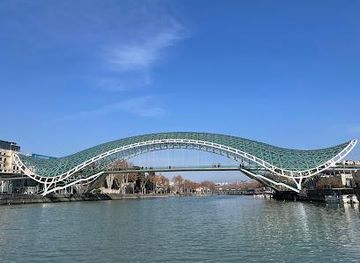
Bridge of Peace
Walk across Tbilisi's iconic Bridge of Peace for stunning views, a dazzling light show, and a connection between the city's historic past and modern future.
38 min drive · 18 km from city centre
-
Cathedral
Svetitskhoveli Cathedral
Explore the majestic Svetitskhoveli Cathedral in Mtskheta, Georgia, a UNESCO World Heritage site rich in history and spiritual significance.
5 min walk · 0.4 km from city centre
-
Tourist attraction
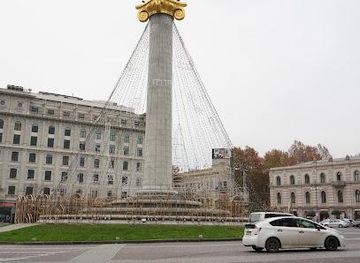
Liberty square
Experience the vibrant heart of Tbilisi at Liberty Square, a cultural landmark blending history and modernity in Georgia's capital.
38 min drive · 18 km from city centre


Best landmarks in Mtskheta
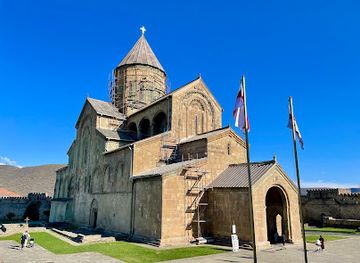
Svetitskhoveli Cathedral is Mtskheta’s defining landmark, an eleventh-century Georgian Orthodox cathedral built on a site associated with the country’s conversion to Christianity and the tradition of Christ’s robe. Its stone façades, sculptural details and painted interior express the development of Georgian ecclesiastical architecture, while royal and religious associations give the building national significance. On the hill above the river junction, Jvari Monastery is a finely proportioned early medieval church whose setting is inseparable from its meaning; the elevated position overlooks the landscape of the former capital. Samtavro Monastery, within the town, connects a later religious complex with traditions surrounding Saint Nino and early Georgian Christianity. Together these landmarks chart Mtskheta’s movement from royal centre to enduring spiritual capital, with the rivers and wooded hills providing an essential part of the historic setting recognised by UNESCO.
-
Cathedral
Svetitskhoveli Cathedral
Discover the architectural splendor and spiritual essence of Svetitskhoveli Cathedral, a cornerstone of Georgia's rich cultural heritage.
5 min walk · 0.4 km from city centre
-
Historical landmark
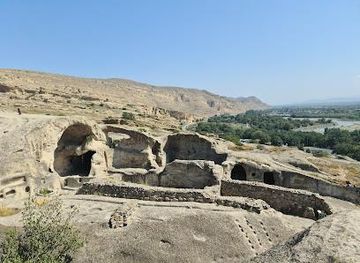
Uplistsikhe
Discover Uplistsikhe: An ancient cave town in Georgia, blending history and breathtaking landscapes for an unforgettable adventure.
1 h 4 min drive · 44 km from city centre
-
Orthodox church
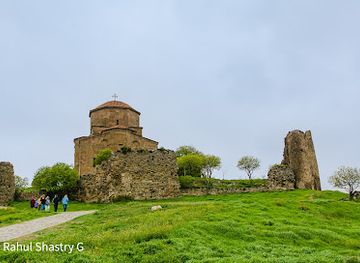
Jvari Monastery
Discover the spiritual heart of Georgia at Jvari Monastery, a UNESCO World Heritage site offering breathtaking views and rich cultural heritage.
18 min walk · 1.4 km from city centre
-
Tourist attraction
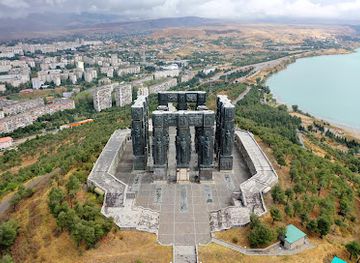
Chronicles of Georgia
Explore the Chronicles of Georgia, a stunning historical landmark and museum that beautifully narrates the rich history and culture of Georgia.
31 min drive · 11 km from city centre
Explore Mtskheta on the map
Plan your Mtskheta trip on one map. See where the top attractions, landmarks, restaurants, bars and hotels are, find what's near where you're staying, and book hotels and experiences in a few clicks.
Best hotels in Mtskheta
Best restaurants in Mtskheta
Mtskheta’s dining scene is modest in scale but closely connected to Georgian home cooking. Restaurants and small cafés around the cathedral commonly serve familiar dishes such as khinkali dumplings, khachapuri cheese bread, lobio beans, grilled meats, aubergine with walnut and seasonal salads flavoured with herbs. Bread is often baked in a tone oven, while churchkhela, made from nuts dipped in thickened grape juice, is a characteristic Georgian sweet found in shops and market stalls. The town’s location in eastern Georgia places it within the culinary traditions of Kartli, where walnuts, grapes, beans, tarragon and fresh coriander are important ingredients. Meals may be leisurely, and a Georgian supra-style spread can include numerous shared plates rather than a single main course. Around the historic centre, dining is geared towards day visitors, while nearby villages and roads offer a more rural setting for family-run eateries and wine-oriented stops.
-
Restaurant
Salobie
Discover authentic Georgian flavors at Salobie, where tradition meets taste in every dish.
6 min drive · 1.9 km from city centre
-
Food court
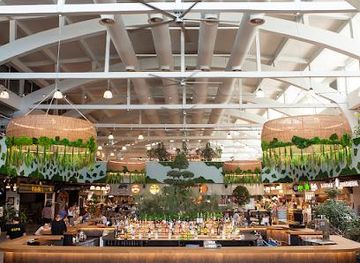
Bazari Orbeliani
Experience authentic Georgian flavors at Bazari Orbeliani in Tbilisi’s vibrant Old Town - a culinary paradise with diverse local dishes.
38 min drive · 18 km from city centre
-
Restaurant
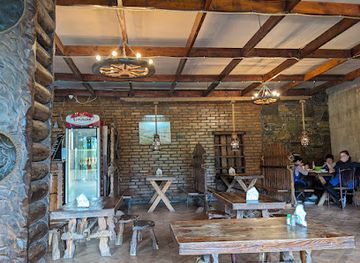
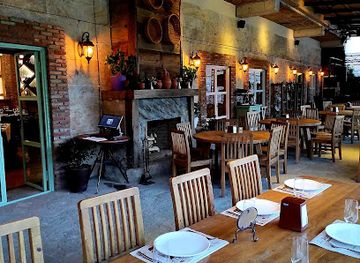
Tsiskvili in Mtskheta
Experience authentic Georgian cuisine with stunning river views at Tsiskvili in Mtskheta - a must-visit culinary gem.
6 min walk · 0.5 km from city centre
-
Restaurant
Armazis Kheoba
Experience the rich flavors of authentic Georgian cuisine at Armazis Kheoba in historic Mtskheta.
10 min drive · 3.4 km from city centre
Best bars in Mtskheta
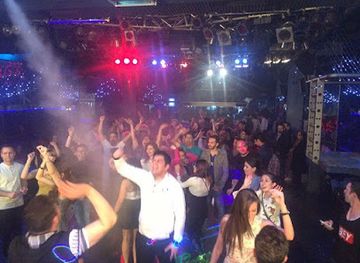
Mtskheta is principally a heritage and pilgrimage town, so its evening scene is quieter than Tbilisi’s and there is little reason to expect a concentration of nightclubs. After the day-trippers leave, the centre settles into a calm rhythm of small restaurants, cafés and hotel dining rooms, with evenings often centred on Georgian food, wine and conversation rather than late entertainment. Some guesthouses and restaurants may offer informal wine tasting or live music on particular occasions, but such activities are not a permanent nightlife infrastructure. Visitors seeking cocktail bars, clubs, major concerts or a wider choice of late venues generally find them in Tbilisi, which is within practical reach by road. In Mtskheta, respect for the town’s religious character is important: noisy behaviour around churches and monasteries is inappropriate, especially during services or observances.
-
Restaurant
Tsiskvili in Mtskheta
Discover culinary excellence at Tsiskvili in Mtskheta, where traditional Georgian flavors meet stunning landscapes for an unforgettable dining experience.
6 min walk · 0.5 km from city centre
-
Restaurant
Marani Hall მარანი ჰოლი
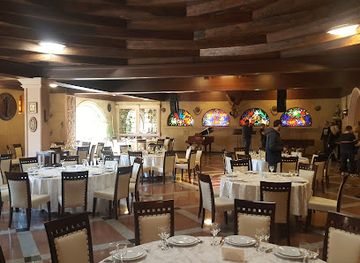
Experience the essence of Georgian cuisine at Marani Hall in Mtskheta, where tradition meets elegance, and every meal is a celebration.
4 min walk · 0.4 km from city centre
-
Restaurant
Fresh Cafe
Experience authentic Georgian cuisine at Fresh Cafe in Mtskheta, where local flavors meet a welcoming atmosphere for all travelers.
16 min walk · 1.3 km from city centre
-
Georgian
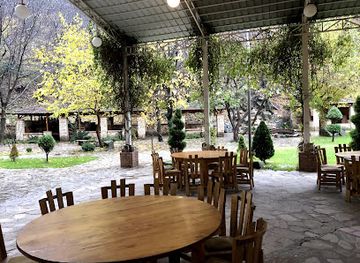
Restaurant Check-In Garden
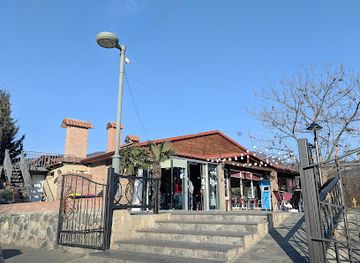
Discover the taste of Georgia at Restaurant Check-In Garden, where authentic dishes meet a charming garden atmosphere in Mtskheta.
5 min walk · 0.4 km from city centre
Best nightclubs in Mtskheta
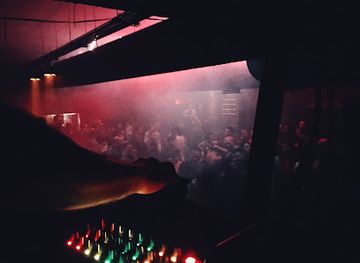
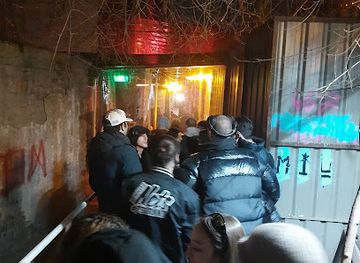
Mtskheta is principally a heritage and pilgrimage town, so its evening scene is quieter than Tbilisi’s and there is little reason to expect a concentration of nightclubs. After the day-trippers leave, the centre settles into a calm rhythm of small restaurants, cafés and hotel dining rooms, with evenings often centred on Georgian food, wine and conversation rather than late entertainment. Some guesthouses and restaurants may offer informal wine tasting or live music on particular occasions, but such activities are not a permanent nightlife infrastructure. Visitors seeking cocktail bars, clubs, major concerts or a wider choice of late venues generally find them in Tbilisi, which is within practical reach by road. In Mtskheta, respect for the town’s religious character is important: noisy behaviour around churches and monasteries is inappropriate, especially during services or observances.
-
Night club
KHIDI CLUB 中 კლუბი ხიდი
Discover KHIDI CLUB: Tbilisi's premier night club offering an electrifying atmosphere, amazing music, and stunning riverside views.
34 min drive · 14 km from city centre
-
Night club
Night Office
Dive into Tbilisi's nightlife at Night Office, a vibrant club offering electrifying music and an unforgettable party atmosphere.
38 min drive · 18 km from city centre
-
Night club
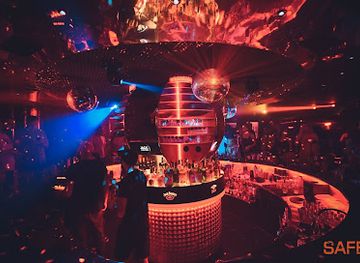
Safe Night Club
Dive into the heart of Tbilisi's nightlife at Safe Night Club, where electrifying music and exquisite cocktails await every night until dawn.
39 min drive · 19 km from city centre
-
Night club
TES club
Unleash your nightlife spirit at TES Club, Tbilisi's hottest destination for dancing and entertainment until dawn.
37 min drive · 17 km from city centre
Best shops in Mtskheta
Shopping in Mtskheta is concentrated around the historic centre and is geared towards locally made souvenirs, Georgian food products and small-scale craft rather than extensive modern retail. Stalls and independent shops sell churchkhela, dried fruit, honey, preserves, spices and bottles of Georgian wine, while visitors may also find embroidered textiles, felt goods, ceramics, carved wooden objects and religious souvenirs. The streets near Svetitskhoveli Cathedral have the most visible visitor-oriented trade, although stock and opening patterns vary. It is worth checking labels and packaging when buying wine or food to take home, and bargaining should be polite and modest rather than assumed. Mtskheta is not a major fashion or luxury-shopping destination; its appeal lies in products connected with Georgian hospitality, rural food traditions and Orthodox heritage. For department stores, design shops and a far broader retail selection, Tbilisi is the practical regional alternative.
-
Shopping mall
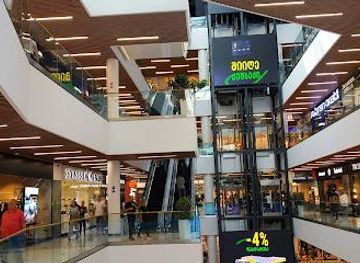
Galleria Tbilisi
Explore Galleria Tbilisi, a premier shopping destination blending modern retail with the charm of Old Tbilisi, perfect for every tourist's itinerary.
38 min drive · 18 km from city centre
-
Produce market
Dezerter Bazaar
Experience the Heart of Tbilisi at Dezerter Bazaar – A Colorful Market of Fresh Produce and Local Culture.
35 min drive · 15 km from city centre
-
Shopping mall
Lilo Mall
Discover the vibrant Lilo Mall in Tbilisi, a shopping paradise offering diverse retail, dining, and entertainment experiences for every traveler.
49 min drive · 29 km from city centre
-
Shopping mall
Karvasla
Experience the heart of Tbilisi at Karvasla Shopping Mall, where shopping meets culture in an unforgettable Georgian atmosphere.
36 min drive · 16 km from city centre


Get your free copy of our complete guide to Mtskheta, delivered straight to you.
Everything on this page, from attractions and restaurants to essentials and local phrases, in one PDF you can read offline, print or share.
Already have an account? Sign in
Your Mtskheta guide is ready.
We'll send it to · Not you? Sign out

Getting your guide ready…
We are putting together a fresh copy of the Mtskheta guide. This can take up to a minute.
This can take a few moments. If your browser asks, choose Allow so the download can start. You'll find the guide in your Downloads folder.
Nothing happened? Download it again
Sorry, the guide is taking longer than usual. Please try again in a minute, or get it by email instead.
Mtskheta essentials
Currency and Payment
Safety
Emergency Situations
Do's and Don'ts
Local Tips
From Eve
Local phrases worth knowing
You don't need to get them perfect. A few words go a long way, and locals appreciate the effort.
Basics
| English | Local | Say it |
|---|---|---|
| Hello | გამარჯობა | [gamardjoba] |
| Goodbye | ნახვამდი | [nakhvamdi] |
| Yes | დიახ | [diakh] |
| No | არა | [ara] |
| Please/You're welcome | გთხოვთ | [gtkhovt] |
| Thank you | მადლობა | [madloba] |
| Excuse me/Sorry | შემცდელი ვარ | [shemtsdeli var] |
| How are you? | როგორ ხარ? | [rogor khar] |
| Fine. And you? | კარგად. შენ? | [kargad. shen] |
| Do you speak English? | იცი ინგლისური? | [itsi inglisuri] |
| I don't understand | არ მეუწყება | [ar meutsqeba] |
Eating & Drinking
| English | Local | Say it |
|---|---|---|
| I'd like to see the menu, please | გთხოვთ, მენიუს ნახოთ | [gtkhovt, menuis nakhoto] |
| I don't eat meat | არ მინახავ | [ar minakhav] |
| Cheers! | გადასპილება! | [gadaspileba] |
| I would like to pay, please | გთხოვთ, გადაიხტოთ | [gtkhovt, gadaiqtot] |
Emergencies
| English | Local | Say it |
|---|---|---|
| Help! | დახმარება! | [dakhmareba] |
| Go away! | წადი! | [tsadi] |
| Call the Police! | დაუდასტურეთ პოლიცია! | [daudasturet politsia] |
| Call a doctor! | მახვილი მიანინეთ! | [mkhvil mianinet] |
| I'm lost | ვარ დაკარგული | [var dakarguli] |
| I'm ill | ვარ აწარმა | [var atsarma] |
Shopping
| English | Local | Say it |
|---|---|---|
| I'd like to buy... | გთხოვთ, შევიძინოთ... | [gtkhovt, shevidzinot...] |
| I'm just looking | მხოლოდ ნახევარს ველოდები | [mkholod nakhewars velodebi] |
| How much is it? | რამდენი არის? | [ramdeni aris] |
| That's too expensive | ეს ძალიან მაღალია | [es dzalian magalia] |
| Can you lower the price? | შეიძინეთ ფასი? | [sheidzinet fasi] |
Time & Numbers
| English | Local | Say it |
|---|---|---|
| What time is it? | რა დროა? | [ra droa] |
| It's one o'clock | ერთი საათია | [erti saatia] |
| Half past (10) | ათის ნახული | [atis nakhuli] |
| Morning | დილი | [dili] |
| Afternoon | საღამო | [saghamo] |
| Evening | საღამო | [saghamo] |
| Yesterday | გუშინ | [gushin] |
| Today | დღეს | [dgess] |
| Tomorrow | ხვალ | [khval] |
| 1 | ერთი | [erti] |
| 2 | ორი | [ori] |
| 3 | სამი | [sami] |
| 4 | ოთხი | [otkhi] |
| 5 | ხუთი | [khuti] |
| 6 | ექვსი | [ekvsi] |
| 7 | შვიდი | [shvidi] |
| 8 | რვა | [rva] |
| 9 | ცხრა | [tskhra] |
| 10 | ათი | [ati] |
Transport & Directions
| English | Local | Say it |
|---|---|---|
| Where's a/the...? | სადაა... | [sadaa] |
| What's the address? | რა არის მისამართი? | [ra aris mismart] |
| Can you show me (on the map)? | შეიჩიანეთ მარათზე? | [sheichianet maratze] |
| When's the next (bus)? | როდის არის შემდეგი (ავტობუსი)? | [rodis aris shemdegi] |
| A ticket (to ....) | ბილეთი (მიმართ) | [bileti mimart] |
History of Mtskheta
Early Mtskheta and Iberian Rule
Mtskheta developed at the junction of the Mtkvari and Aragvi rivers and became the principal centre of the ancient kingdom of Iberia, the eastern Georgian kingdom known in Georgian sources as Kartli. Archaeological evidence from the wider area records settlement from prehistoric times, while classical writers describe the town’s importance by antiquity. Its position connected routes crossing the Caucasus with the valleys of eastern Georgia, encouraging trade, craft production and political influence. Defensive and ceremonial sites around the town reflect its role as a royal centre. Although later capitals displaced it administratively, Mtskheta’s early prominence established the historical identity that continues to define the town.
Christianity Comes to Georgia
According to Georgian tradition, Christianity was proclaimed in Iberia in the early fourth century through the preaching of Saint Nino, and King Mirian III adopted Christianity as the kingdom’s faith. Mtskheta became the centre of the new Georgian church, linking royal authority with Christian worship. The tradition of the holy robe—said to have been brought to Mtskheta from Jerusalem—helped establish the town’s enduring religious importance. The first Christian buildings have not survived in their original form, but the cathedral and monasteries visible today occupy a landscape shaped by this foundational transformation. Mtskheta remains associated with the Christianisation of Georgia and with the country’s Orthodox spiritual identity.
From Royal Capital to Religious Centre
The political capital of Iberia moved from Mtskheta to Tbilisi in the fifth century, but the older city retained its ecclesiastical authority and ceremonial prestige. Its location continued to matter during periods of Persian, Arab and regional Georgian political influence, while churches and monastic institutions preserved religious learning and artistic traditions. The cathedral complex developed over successive centuries, reflecting the resources and ambitions of Georgian rulers and church leaders. Mtskheta’s reduced political role did not make it peripheral: as the seat of the Georgian patriarchate for much of the country’s history, it remained a major destination for pilgrimage and an important symbol of continuity.
Medieval Churches and Monastic Heritage
The monuments associated with Mtskheta took much of their present form during Georgia’s medieval period, when architecture and religious patronage flourished. Jvari Monastery, begun in the sixth century on a hill overlooking the river junction, is an influential early Georgian church whose position gives it both visual and spiritual authority. Svetitskhoveli Cathedral was rebuilt in the eleventh century under the direction of architect Arsukisdze, replacing earlier structures on the site. Samtavro Monastery also preserves layers of medieval religious history. These buildings survived periods of invasion, political upheaval and changing dynasties, and their inscriptions, carvings and frescoes record the development of Georgian Christian art.
Modern Preservation and Pilgrimage
Mtskheta entered the modern era as a historic town whose religious significance remained active rather than merely commemorative. Churches continued to serve worshippers, while archaeological research clarified the depth of settlement around the former capital. In 1994, the Historical Monuments of Mtskheta—including Jvari Monastery, Svetitskhoveli Cathedral and Samtavro Monastery—were inscribed on the UNESCO World Heritage List for their testimony to the development of medieval ecclesiastical architecture in the Caucasus. Conservation has since focused on protecting the monuments and their setting. Today, pilgrimage, Georgian cultural identity, heritage tourism and ordinary town life overlap within a compact historical landscape.
Travel experiences inspired by this city
-
 12 Day Trip
Caves and Culture: A Friends’ Journey to Uplistsikhe, Georgia
Explore Georgia's rock-hewn city of Uplistsikhe with friends: cave temples, Mtkvari vistas, nearby Gori, and qvevri wine culture on a flexible, history-rich escape.
12 Day Trip
Caves and Culture: A Friends’ Journey to Uplistsikhe, Georgia
Explore Georgia's rock-hewn city of Uplistsikhe with friends: cave temples, Mtkvari vistas, nearby Gori, and qvevri wine culture on a flexible, history-rich escape.
 16 Aug 2026
By Amir Hosseini -
 9 Day Trip
Solo Through Stone: Nine Days in Uplistsikhe and Central Georgia
Explore Georgia’s ancient Uplistsikhe on a solo trip—history-rich rock caves, local cuisine, and easy day trips from Gori, plus practical tips for first-timers.
9 Day Trip
Solo Through Stone: Nine Days in Uplistsikhe and Central Georgia
Explore Georgia’s ancient Uplistsikhe on a solo trip—history-rich rock caves, local cuisine, and easy day trips from Gori, plus practical tips for first-timers.
 12 Aug 2026
By Loide Johannes
Swipe for more travel diaries
Mtskheta in Photos
Browse through our photo collection highlighting the charm and character of the destination.
Cities near Mtskheta
The closest cities to Mtskheta, if you have time for more than one stop.
-

-

-

-

-


Swipe for more cities

