Hohe Düne - Ostzingst, Baltic Sea Coast Travel Guide
Discover the unspoiled beauty of Hohe Düne in Zingst: Hike through stunning dunes, observe rare birds, and immerse yourself in the serene Vorpommersche Boddenlandschaft National Park.
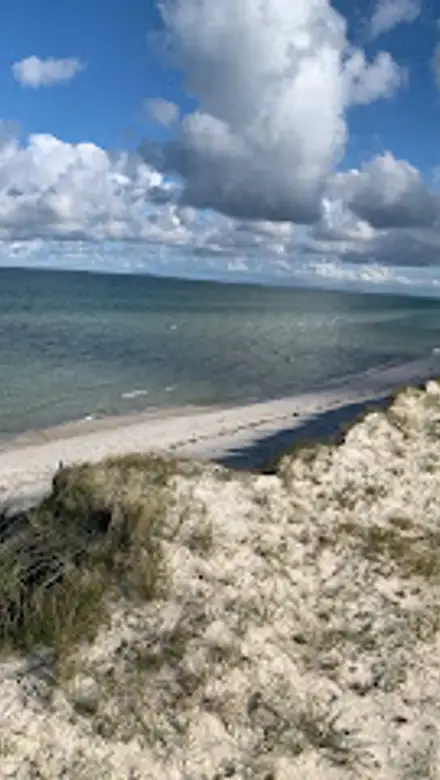
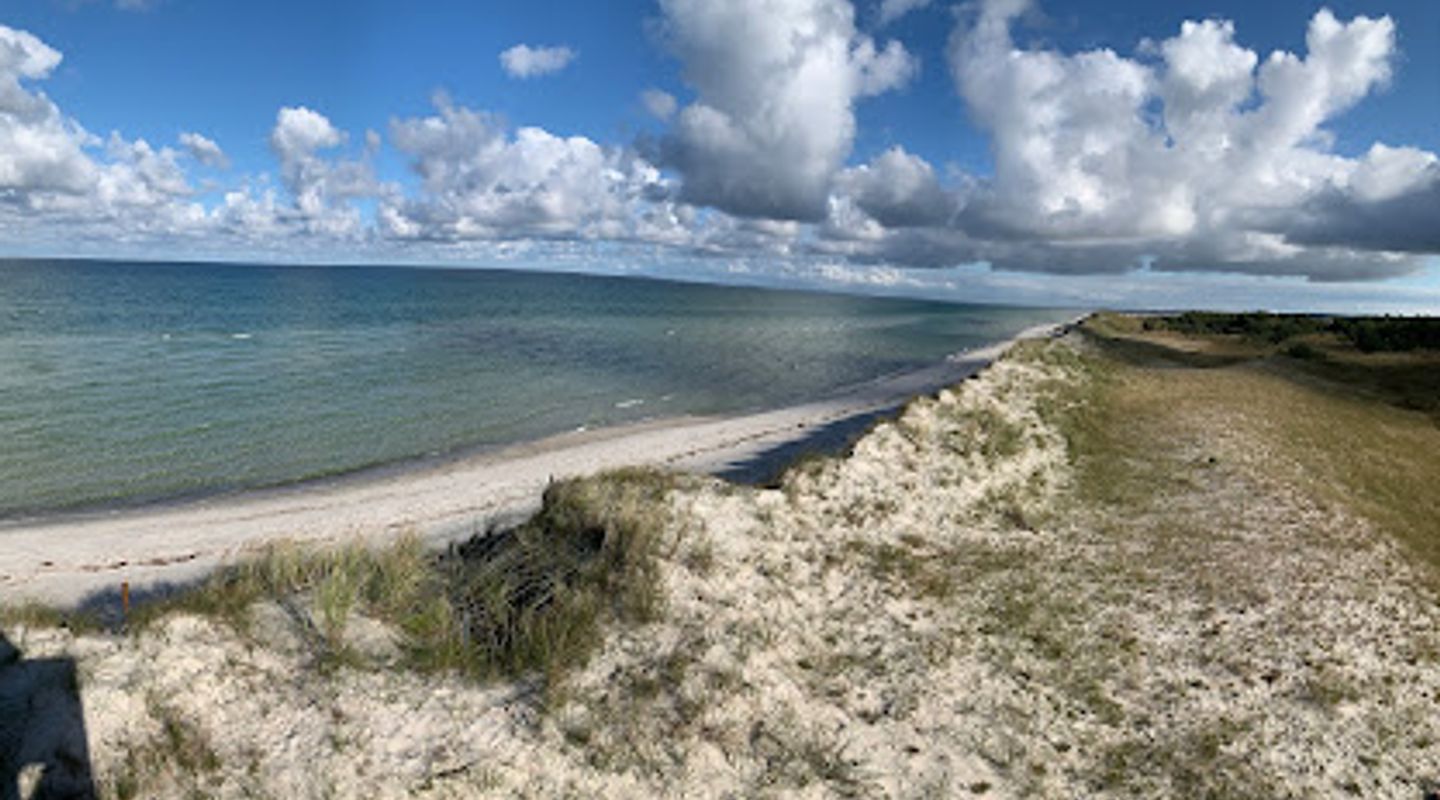
Hohe Düne, situated on the eastern tip of the Zingst peninsula within the Vorpommersche Boddenlandschaft National Park, is a captivating destination for nature enthusiasts and those seeking serene coastal beauty. This area boasts the highest white dune massif on the German Baltic coast, offering panoramic views of the Baltic Sea and the unique Bodden landscape. A haven for hikers, cyclists, and birdwatchers, Hohe Düne provides an opportunity to immerse oneself in the unspoiled natural environment. The shifting sands, diverse flora, and abundant birdlife create a dynamic and unforgettable experience. Whether you're seeking a peaceful retreat or an active outdoor adventure, Hohe Düne promises a memorable escape into nature's embrace. The area's rich history, coupled with its ecological significance, makes it a truly special place to explore and appreciate.
A brief summary to Hohe Düne - Ostzingst
- Zingst, 18374, DE

Know before you go
Hi, I'm Eve. Here are a few practical things to know before exploring Hohe Düne - Ostzingst.
- Bring binoculars for optimal birdwatching, especially during the crane migration season in autumn.
- Rent a bike in Zingst for a scenic and eco-friendly way to explore the National Park and reach Hohe Düne.
- Check the National Park's website for seasonal closures or restrictions, particularly during the crane migration period.
- Pack sunscreen, a hat, and plenty of water, as there is limited shade on the dunes.
- Visit the "Sundische Wiese" National Park information center to learn about the area's history and ecology.
Do you manage this location?
Take control to get all the benefits, like improved information, better appearance, and stronger visibility across AI-powered discovery. Learn more about listing your business on Evendo
Activate your presenceOther nearby places you may find interesting
The closest places of the same kind, if this one is not quite what you had in mind.


Explore Hohe Düne - Ostzingst on the Map
A handpicked selection of must-see spots near Hohe Düne - Ostzingst, mapped for you.
Getting There
-
Walking/Biking
From the center of Zingst, the most common way to reach Hohe Düne is by walking or biking eastwards. Follow the well-marked path along the dike towards Pramort, which is the area directly adjacent to Hohe Düne. The path is mostly flat and well-maintained, making it suitable for both walking and cycling. From the Strandübergang 1 (beach access point 1), continue along the path for approximately 5 km to reach the Hohe Düne observation point. Note that during construction work on Ostzingst, the old road to Pramort may be closed for the last 2 km, requiring a detour via a circular hiking trail. Check local information for current conditions. Parking is available at designated parking lots in Zingst, such as those near the harbor or Strandübergang 32 (Am Bahndamm), with day tickets costing around €6. From the parking area, follow signs for the National Park and Hohe Düne. There are no specific entrance fees to access Hohe Düne itself, as it is part of the National Park.
Discover more about Hohe Düne - Ostzingst













Your all‑in‑one travel companion app
Explore expert travel guides, compare and book tours, experiences, hotels, and more—all from the palm of your hand. Download now for seamless trip planning wherever your wanderlust takes you.


Explore More of Baltic Sea Coast
Looking beyond Hohe Düne - Ostzingst? Discover Baltic Sea Coast for broader travel guides, local hot-spots, and regional highlights.
Explore Baltic Sea Coast
Explore the geological wonders of Rügen Island at the Kreidemuseum, an unmissable museum showcasing stunning chalk formations and rich history.

Discover the timeless beauty and rich history of Schloss Hohendorf, a captivating castle in Groß Mohrdorf perfect for romantic getaways and cultural explorations.