Background

Siebenschneiderstein: Rügen's Northernmost Point

Discover the majestic Siebenschneiderstein, Rügen's northernmost point: a colossal glacial erratic offering stunning Baltic Sea views and a glimpse into the island's glacial past.

4.6

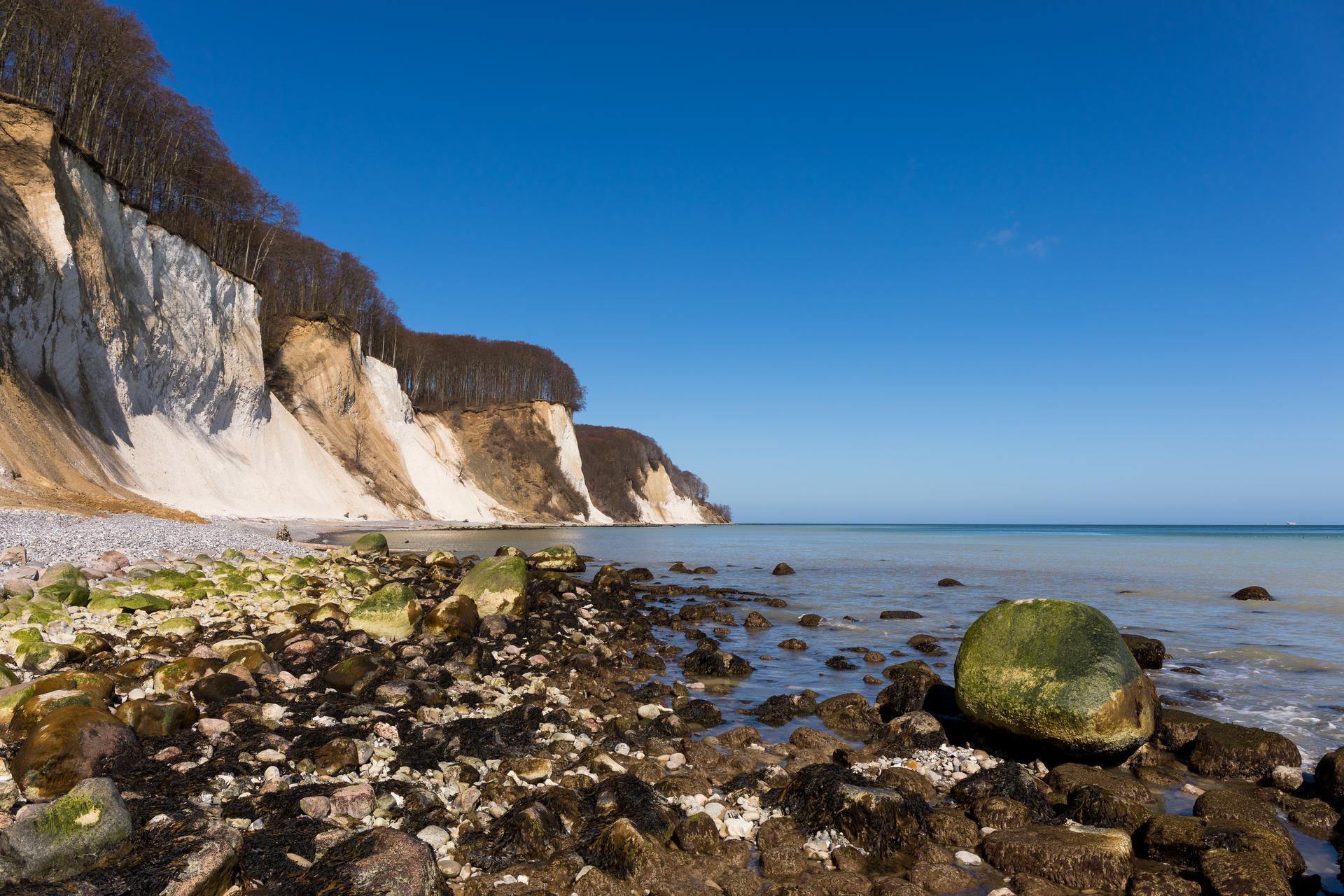
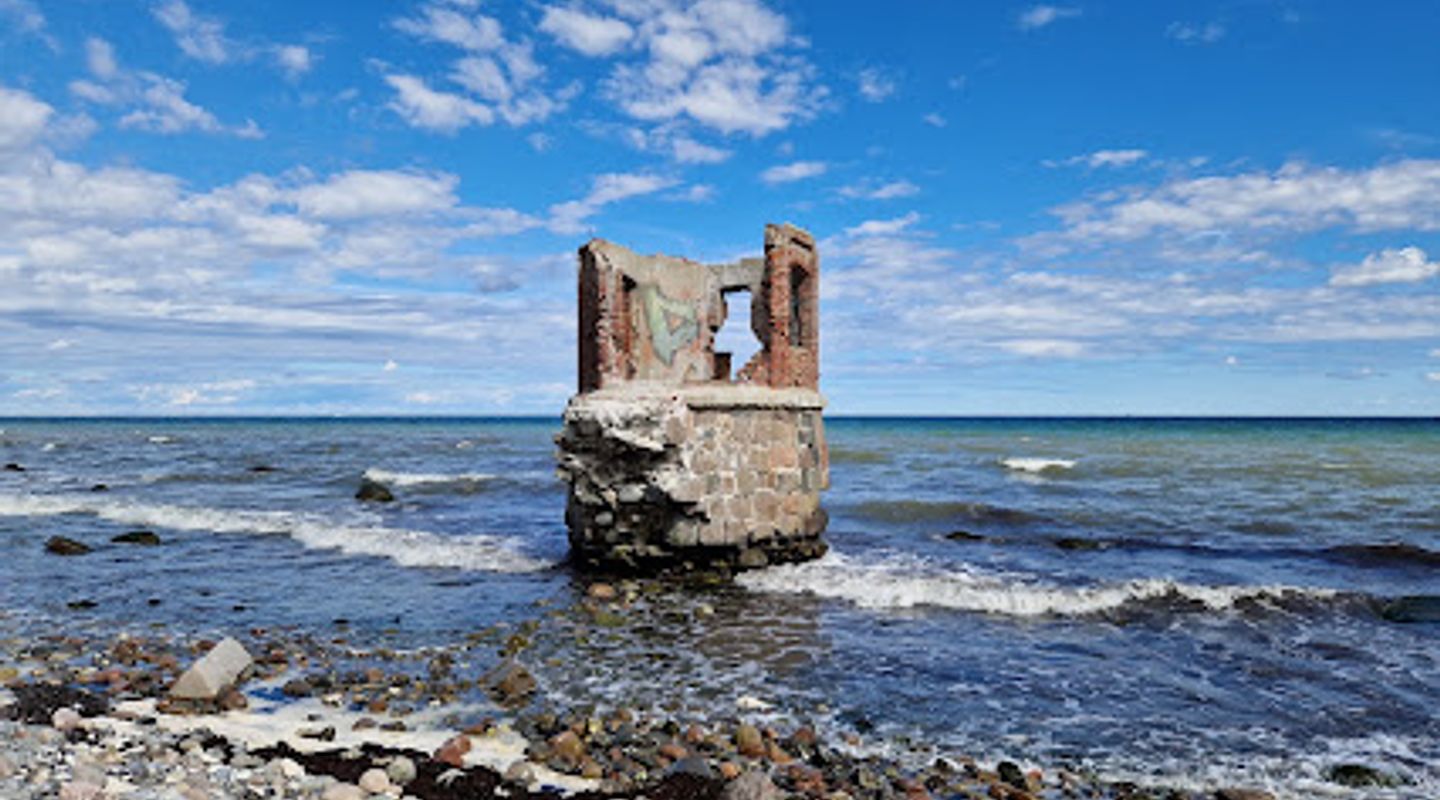
The Siebenschneiderstein, a colossal glacial erratic, marks the northernmost point of Rügen Island and, consequently, Eastern Germany. Situated near Cape Arkona, this 165-tonne boulder lies on the Baltic Sea beach, a short distance from the Gellort cliffs. More than just a geological curiosity, the Siebenschneiderstein offers a tangible connection to the island's glacial past and a stunning vantage point for experiencing the raw beauty of the Baltic coastline. Hiking trails wind along the cliffs, providing breathtaking views and access to the stone. The area is a haven for nature lovers and photographers, offering a unique blend of natural history and scenic splendor. While the stone itself is the main attraction, the surrounding landscape of Cape Arkona, with its lighthouses and coastal formations, enhances the experience, making it a memorable destination on Rügen.

A brief summary to Siebenschneiderstein

  • 18556, DE

Local tips

  • Wear sturdy shoes for the hike down to the beach, as the path can be steep and uneven.
  • Combine your visit with a trip to Cape Arkona's lighthouses and the Slavic temple ruins for a full day of exploration.
  • Check the weather forecast before you go, as coastal conditions can change rapidly.
  • Bring a picnic to enjoy on the beach, as there are limited food options directly at the Siebenschneiderstein.
  • Consider visiting during the shoulder seasons (May/June or September/October) for fewer crowds and pleasant weather.
widget icon

Getting There

  • Walking

    From the Cape Arkona parking area in Putgarten, follow the signs towards Cape Arkona. Pass the lighthouses and navigation tower. Continue along the cliff path towards Gellort, which is about 1 km northwest of the main Cape Arkona area. The path to the Siebenschneiderstein is clearly marked. Be prepared for a descent down a sometimes steep set of stairs or a sloping path to reach the beach where the stone is located. This walk is approximately 30-45 minutes from the parking area. Parking at the main lot in Putgarten costs approximately €7 per day.

  • Public Transport

    Take the Kap-Arkona-Bahn (Cape Arkona road train) from the Putgarten parking area to the Cape Arkona area. From there, follow the walking directions above to reach the Siebenschneiderstein. A round-trip ticket on the Kap-Arkona-Bahn costs approximately €6. Alternatively, local buses serve Putgarten; from the bus stop, follow signs to Cape Arkona and then proceed as described above. Bus fares vary depending on the origin point, but a short trip within Putgarten is typically around €2-3.

Unlock the Best of Siebenschneiderstein

Buy tickets

    No tickets available

Book tours with entry

    No tours available

Book tours without entry

    No tours available

Discover more about Siebenschneiderstein

The Siebenschneiderstein, or 'Seven-Cutter Stone,' is a prominent glacial erratic located on the island of Rügen, Germany. This massive boulder, a relic of the last ice age, rests on the Baltic Sea beach near Gellort, approximately one kilometer northwest of Cape Arkona. Its significance lies not only in its impressive size but also in its geographical distinction as the northernmost point of the island and, by extension, the former East Germany. Geologically, the Siebenschneiderstein is a testament to the powerful forces that shaped the Baltic Sea region. During the last glacial period, ice sheets transported this enormous rock from Scandinavia, depositing it on the Rügen coastline as the glaciers retreated. The stone's composition differs from the local bedrock, further highlighting its foreign origin. Its sheer size, estimated at 165 tonnes with a volume of 61 cubic meters, makes it one of the largest erratics on Rügen, captivating visitors with its imposing presence. Historically, the Siebenschneiderstein has served as a landmark and a point of orientation for sailors and coastal communities. Its name, shrouded in local folklore, adds to its mystique. One popular legend suggests that seven tailors sought shelter from a storm under the stone, hence the moniker 'Seven-Cutter Stone.' While the veracity of this tale remains unconfirmed, it reflects the stone's enduring presence in the local cultural narrative. Today, the Siebenschneiderstein is a popular tourist destination, attracting visitors with its unique blend of natural beauty and historical significance. The journey to the stone itself is an integral part of the experience. Hiking trails meander along the dramatic Gellort cliffs, offering panoramic views of the Baltic Sea and the rugged coastline. The path leading down to the beach can be steep in places, but the reward is well worth the effort. Upon reaching the shore, visitors can marvel at the sheer size of the Siebenschneiderstein, its weathered surface bearing witness to centuries of exposure to the elements. The surrounding area of Cape Arkona further enhances the appeal of the Siebenschneiderstein. Cape Arkona boasts two historic lighthouses, a navigation tower, and the remnants of the Jaromarsburg, a Slavic temple fortress. These landmarks provide a glimpse into the island's rich history and offer additional opportunities for exploration. The fishing village of Vitt, nestled nearby, is a charming enclave of traditional thatched-roof houses, providing a picturesque setting for a leisurely stroll. For nature enthusiasts, the coastal landscape around the Siebenschneiderstein is a haven of biodiversity. The cliffs are home to various seabird species, while the Baltic Sea teems with marine life. The area is also part of the Jasmund National Park, renowned for its ancient beech forests and dramatic chalk cliffs. Visitors can explore the park's extensive network of hiking trails, immersing themselves in the pristine natural environment. The Siebenschneiderstein offers a unique and compelling experience for travelers seeking to connect with nature, history, and local culture. Its remote location and rugged beauty provide a welcome escape from the hustle and bustle of modern life. Whether you are a geology enthusiast, a history buff, or simply a lover of scenic landscapes, the Siebenschneiderstein is sure to leave a lasting impression. To make the most of your visit, consider these additional points: * **Best time to visit:** The summer months (June-August) offer the most pleasant weather for exploring the coastline. However, the shoulder seasons (May and September) can also be rewarding, with fewer crowds and milder temperatures. * **What to bring:** Wear comfortable shoes suitable for hiking on uneven terrain. Bring layers of clothing, as the coastal weather can be unpredictable. Don't forget sunscreen, a hat, and sunglasses, especially during the summer months. A camera is essential for capturing the stunning scenery. * **Accessibility:** The path leading down to the beach can be challenging for those with mobility issues. Consider checking the current conditions and accessibility information before your visit. * **Nearby attractions:** Combine your visit to the Siebenschneiderstein with a trip to Cape Arkona, the fishing village of Vitt, and the Jasmund National Park. This will allow you to experience the full range of attractions that Rügen Island has to offer. * **Local culture:** Engage with the friendly locals and learn about the history and traditions of the region. Sample the local cuisine, which features fresh seafood and regional specialties. The Siebenschneiderstein is more than just a rock; it is a symbol of Rügen's natural beauty, historical significance, and cultural heritage. A visit to this remarkable site is an unforgettable experience that will leave you with a deeper appreciation for the wonders of the Baltic Sea region. As you stand before this ancient boulder, feel the wind in your hair, listen to the crashing waves, and imagine the forces that shaped this dramatic landscape. The Siebenschneiderstein is a place where time stands still, allowing you to connect with the past and appreciate the enduring power of nature. Whether you are seeking adventure, relaxation, or simply a moment of contemplation, the Siebenschneiderstein offers something for everyone. Come and discover the magic of Rügen's northernmost point and create memories that will last a lifetime. The journey to the Siebenschneiderstein is an adventure in itself, winding through picturesque landscapes and offering glimpses into the island's rich history. As you approach the cape, the air fills with the salty scent of the sea, and the anticipation builds. The final steps down to the beach reveal the magnificent boulder in all its glory, a testament to the enduring power of nature and a reminder of the forces that shaped this remarkable island. The Siebenschneiderstein awaits, ready to share its secrets and inspire your imagination.

Popular Experiences near Siebenschneiderstein

Popular Hotels near Siebenschneiderstein

Select Currency