Köpenick Palace: A Baroque Jewel in Berlin
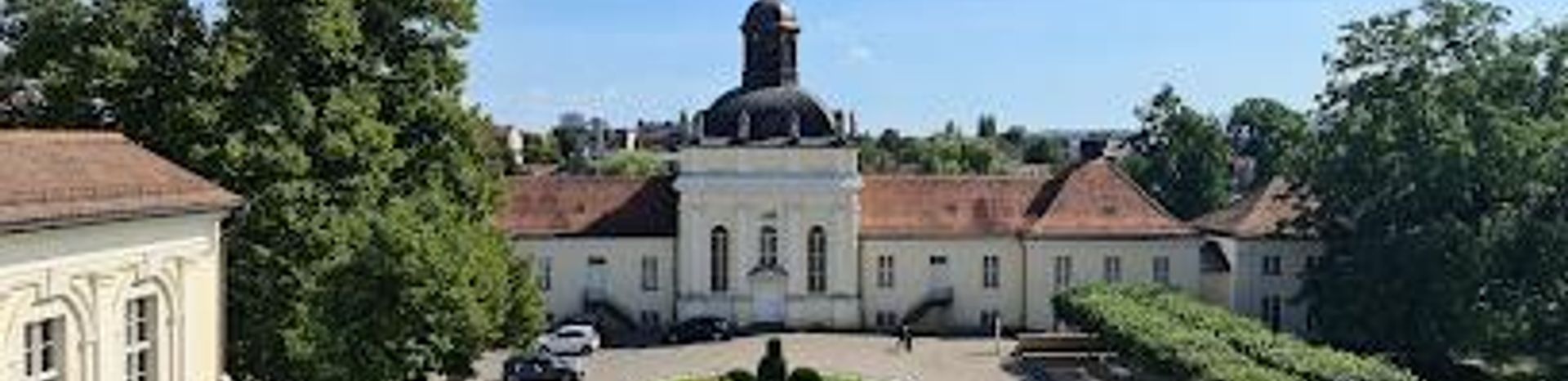
Discover Köpenick Palace: Berlin's Baroque gem, housing stunning decorative arts on a historic island in the Dahme River.
Köpenick Palace, a stunning Baroque palace on an island in Berlin's Dahme River, boasts a rich history dating back to Slavic settlements. Today, it houses the Museum of Decorative Arts, showcasing European craftsmanship from the Renaissance to the Rococo periods.
A brief summary to Köpenick Palace
- Schlossinsel 1, Berlin, Treptow-Köpenick, 12557, DE
- +4930266424242
- Visit website
- Wednesday 11 am-5 pm
- Thursday 11 am-5 pm
- Friday 11 am-5 pm
- Saturday 11 am-6 pm
- Sunday 11 am-6 pm
Local tips
- Visit on weekdays for a less crowded and more intimate experience.
- Explore the palace gardens for beautiful views and a tranquil atmosphere.
- Check the museum's schedule for special exhibitions and events.
- Bring a camera to capture the palace's reflection in the surrounding water.

Getting There
-
Public Transport
From central Berlin, take the S-Bahn line S47 to Köpenick station. From there, take tram lines 62, 63, or 68, or bus lines 164 or 165 to Schloßplatz Köpenick. The palace is a short walk from the Schloßplatz Köpenick stop. A single public transport fare within Berlin (AB zone) is typically around €3.
-
Walking
From the Rathaus Köpenick (Köpenick Town Hall), cross the bridge onto Schlossinsel. Follow the path to the palace entrance. The walk is approximately 5 minutes. No costs are involved.
Discover more about Köpenick Palace
Iconic landmarks you can’t miss

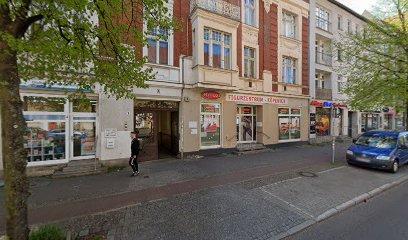
Bahnhofstraße 4
1.2 km
Uncover the architectural beauty of Bahnhofstraße 4 in Berlin's Treptow-Köpenick, where history meets modernity in a captivating setting.
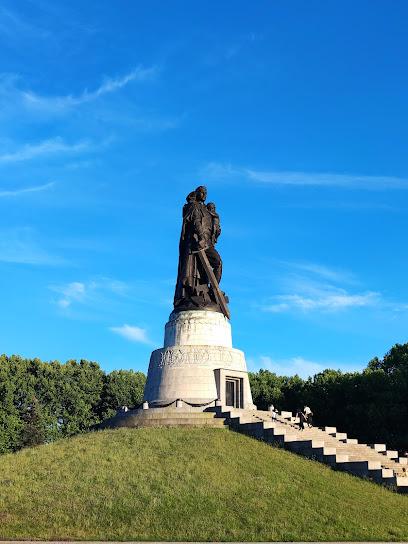
Soviet War Memorial Treptow
8.3 km
Discover the solemn beauty of the Soviet War Memorial Treptow, a historic site honoring the fallen soldiers of World War II in Berlin's serene landscapes.
Frankfurter Allee
10.0 km
Experience the vibrant culture and history of Berlin along Frankfurter Allee, a lively street brimming with shops, cafes, and local attractions.
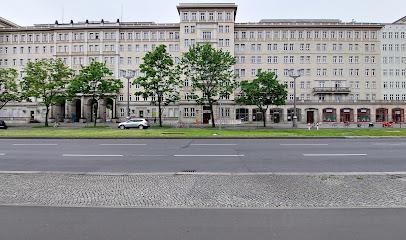
Oberbaumbrücke & Am Oberbaum
10.8 km
Explore Oberbaumbrücke, Berlin's iconic bridge connecting Friedrichshain and Kreuzberg, rich in history and vibrant local culture.
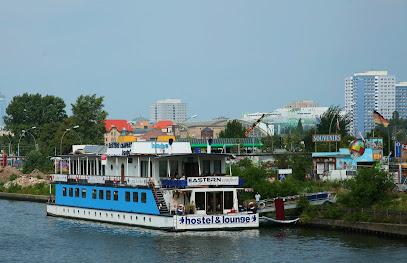
Oberbaum Bridge
10.8 km
Experience the beauty and history of Berlin at Oberbaum Bridge, a stunning architectural marvel connecting vibrant neighborhoods across the River Spree.
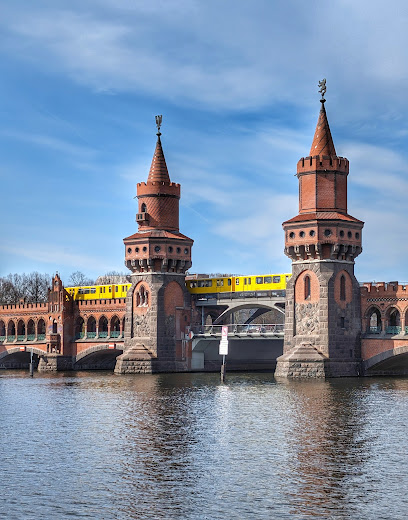
Mühlenstraße 78
10.9 km
Discover the architectural beauty and rich history of Mühlenstraße 78 in Berlin's lively Friedrichshain-Kreuzberg borough, a must-visit for tourists.
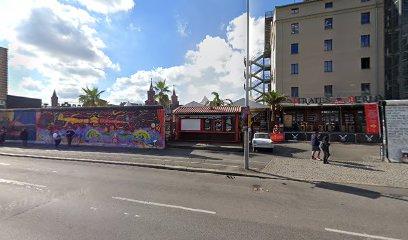
Graffiti Wall of Fame
11.0 km
Experience Berlin's raw, unfiltered street art scene at the Graffiti Wall of Fame, a dynamic canvas where artists freely express themselves in the heart of Friedrichshain-Kreuzberg.
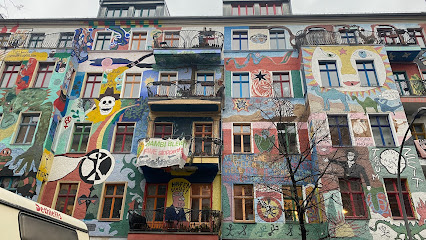
Schlesisches Tor
11.0 km
Discover the vibrant atmosphere, rich history, and eclectic culture surrounding Schlesisches Tor in Berlin's Friedrichshain-Kreuzberg district.
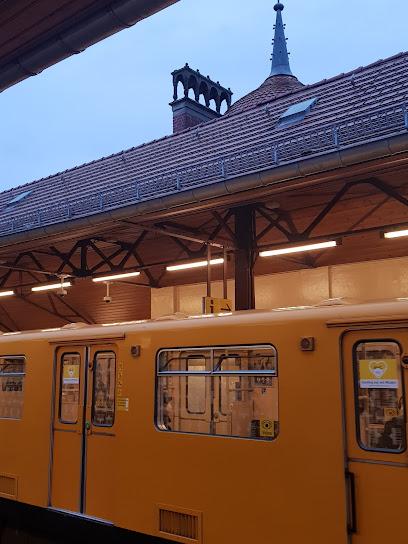
Die Berliner Mauer
11.1 km
Explore the Berlin Wall, a powerful memorial showcasing the city's history of division and resilience through captivating art and poignant stories.
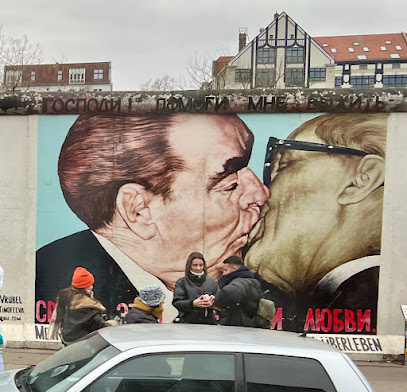
Mühlenstraße
11.3 km
Discover Mühlenstraße: A Vibrant Street of Art, Culture, and History in Berlin's Friedrichshain-Kreuzberg District.
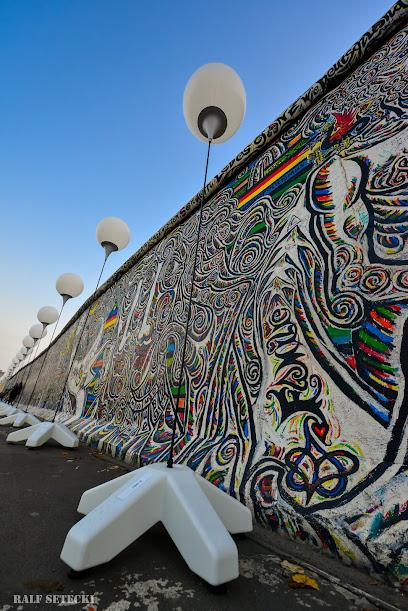
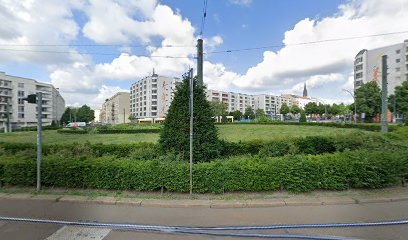
Bersarinplatz
11.6 km
Explore Bersarinplatz in Berlin's Friedrichshain: a historical square reflecting Berlin's complex past, from its wartime destruction to its vibrant present, offering a glimpse into the city's resilience.
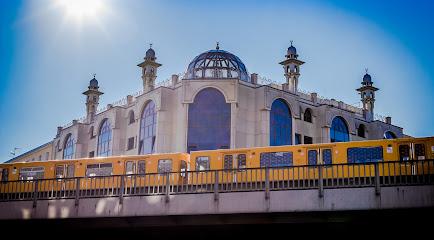
Omar Moschee
11.7 km
Discover the serene beauty and cultural richness of the Omar Moschee in Berlin's vibrant Kreuzberg, a modern mosque fostering interfaith dialogue and community engagement.
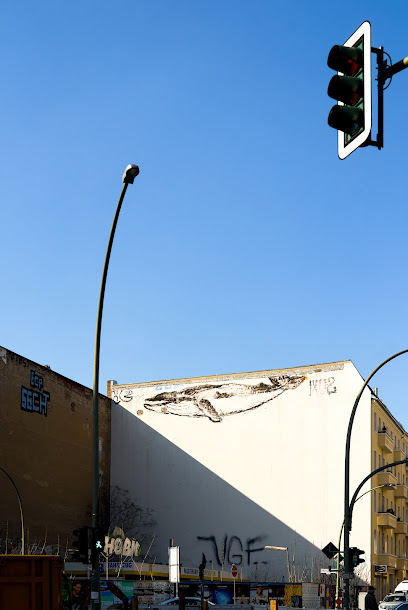
Der Wal von Friedrichshain
11.8 km
Discover Der Wal von Friedrichshain, a captivating Berlin landmark blending art and history in the vibrant Friedrichshain-Kreuzberg district, offering a unique urban experience.
Mariannenpl.
12.0 km
Explore the vibrant Mariannenplatz in Berlin's Kreuzberg district, a charming square filled with history, art, and local culture.
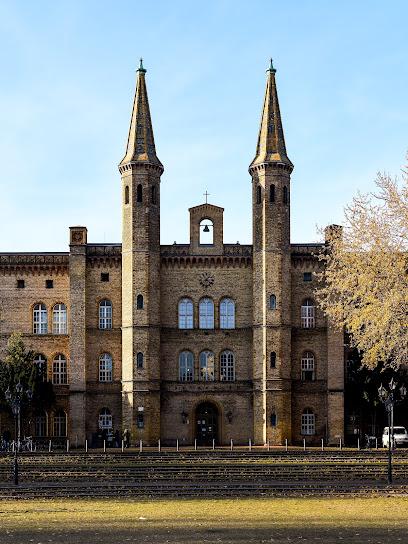
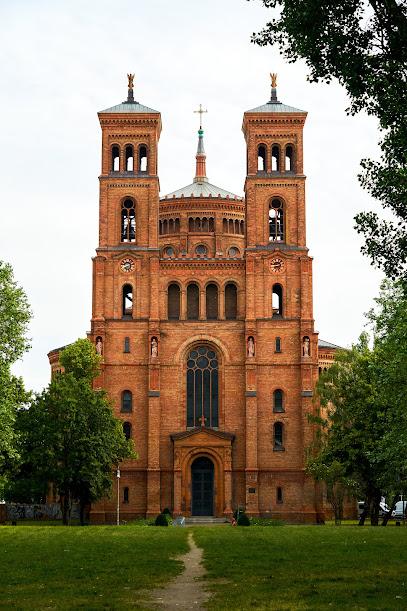
St. Thomas Church, Berlin
12.1 km
Explore the architectural beauty and historical significance of St. Thomas Church, a serene retreat in Berlin's vibrant Friedrichshain-Kreuzberg district.
Unmissable attractions to see

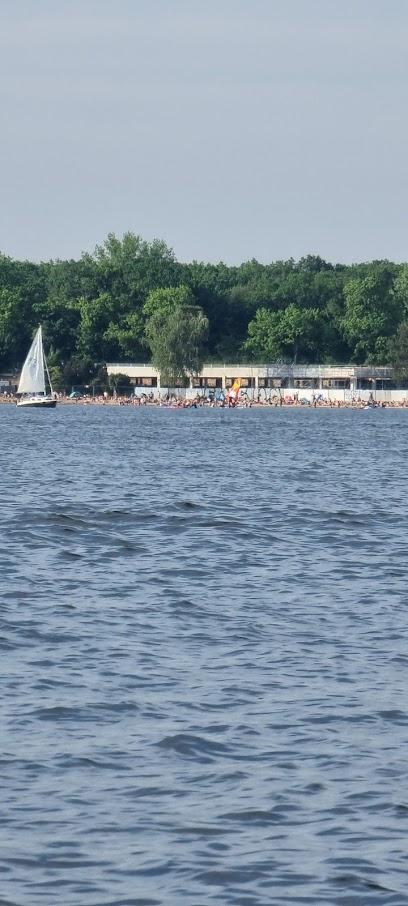
Müggelsee
4.3 km
Explore Müggelsee: Berlin's largest lake, a serene haven for nature lovers and adventure seekers alike, surrounded by stunning landscapes and vibrant wildlife.
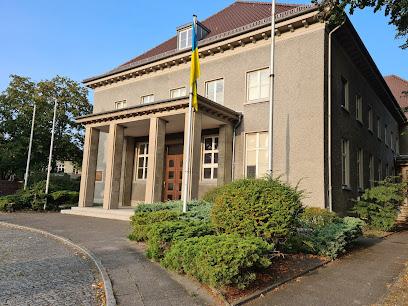
Museum Berlin-Karlshorst
5.3 km
Explore the Museum Berlin-Karlshorst, where history unfolds through captivating exhibits on WWII and the path to peace in Europe.
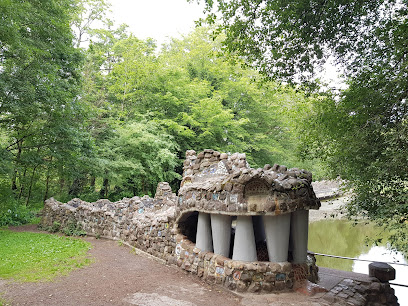
Kleiner Spreewald
9.1 km
Discover a miniature Spreewald near Berlin: Explore canals, nature trails, and unique sculptures in this charming park, perfect for families and nature lovers seeking a tranquil escape.
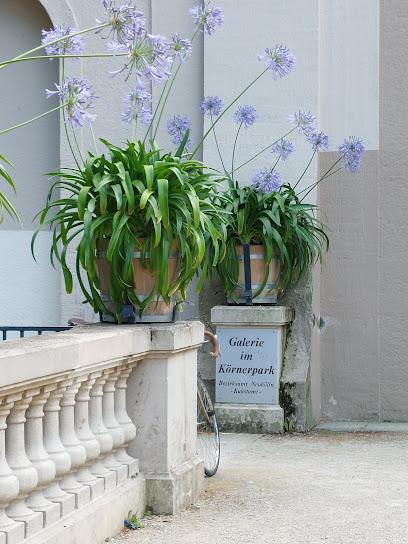
KÖRNERPARK
9.7 km
Explore KÖRNERPARK: A serene blend of nature and art in Berlin's Neukölln district, perfect for relaxation and cultural immersion.
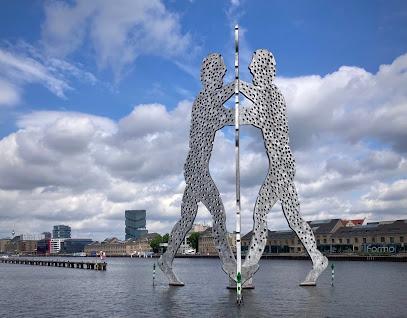
Molecule Man
9.8 km
Experience the breathtaking Molecule Man sculpture in Berlin, a symbol of unity and creativity at the heart of the city.
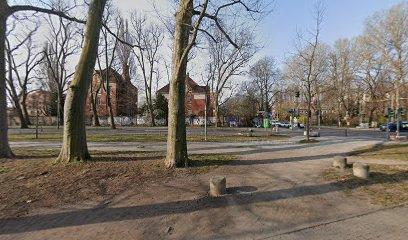
Am Treptower Park 1
9.8 km
Discover the tranquility of Treptower Park in Berlin, an expansive green oasis with rich history, beautiful landscapes, and a perfect spot for relaxation.
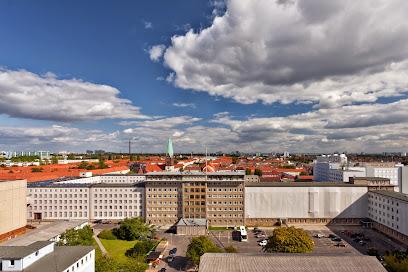
Stasi Museum
9.8 km
Discover the chilling legacy of the Stasi at Berlin's Stasi Museum, where history unfolds through compelling exhibits and personal narratives.
SchwuZ
10.3 km
Discover SchwuZ, Berlin's iconic night club in Neukölln, celebrating diversity with eclectic music and vibrant nightlife experiences.
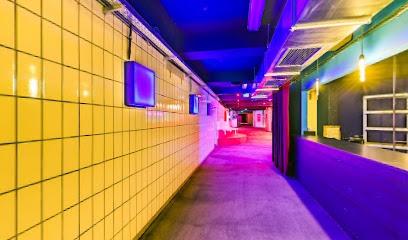
Vexperio GmbH
10.3 km
Discover Berlin's rich history and vibrant culture with tailored tours from Vexperio GmbH, your expert travel companion in the city.
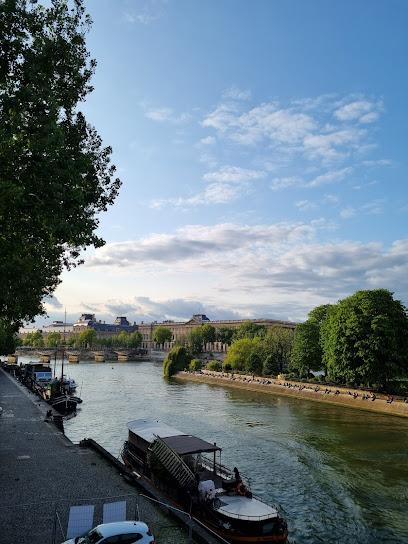
Make a Break - Escape Room Berlin
10.3 km
Experience thrilling adventures and brain-teasing puzzles at Make a Break - Berlin's top escape room destination for unforgettable fun.
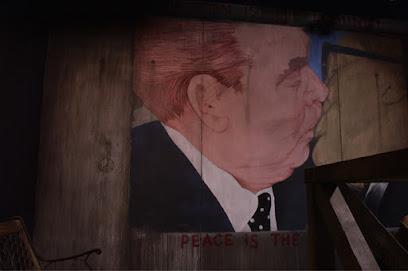
artwerk Berlin
10.4 km
Explore Berlin's vibrant art scene at Artwerk Berlin, a dynamic hub in Friedrichshain showcasing contemporary works and fostering local talent.
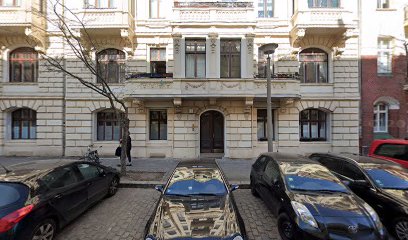
GoBoat Boat Rental - Berlin Osthafen
10.5 km
Discover Berlin from a new perspective with GoBoat Boat Rental, where adventure meets relaxation on the city's beautiful waterways.
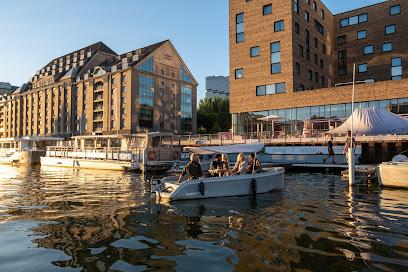
Hotrod Tour Berlin
10.7 km
Discover the heart of Berlin in an unforgettable way with Hotrod Tours, combining thrill and history on this unique sightseeing adventure.

Oberbaum City
10.7 km
Discover Oberbaum City: Where Berlin's history and modern culture unite on the iconic Oberbaum Bridge, a symbol of resilience and reunification.
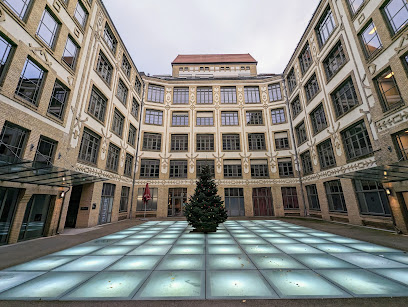
teledisko gold
10.7 km
Discover the electrifying nightlife at Teledisko Gold in Berlin, where retro disco meets modern entertainment in a vibrant atmosphere.
Essential places to dine

Vorwerck Restaurant - Erlebnis & Event
9.9 km
Discover culinary excellence at Vorwerck Restaurant in Berlin - where fine dining meets unforgettable events.
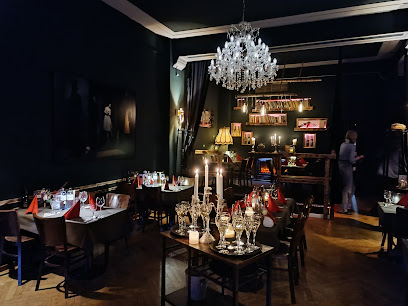
Masteca e Tasi
9.9 km
Experience authentic Italian cuisine at Masteca e Tasi in Berlin's Friedrichshain-Kreuzberg district – where every meal feels like a trip to Italy.
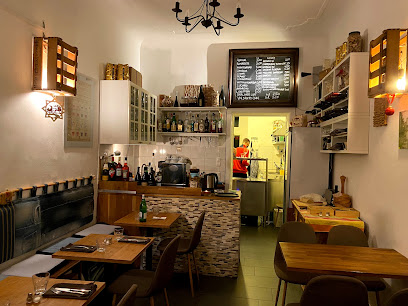
Butterhandlung | Restaurant | Berlin | Friedrichshain | Bar | Club
10.3 km
Discover Butterhandlung: A Unique Vegan Restaurant & Bar Experience in Berlin's Friedrichshain District.
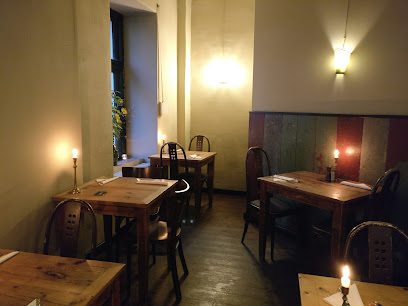
Restaurant Schneeweiß
10.6 km
Discover authentic Austrian flavors at Restaurant Schneeweiß in Berlin's lively Friedrichshain-Kreuzberg district.
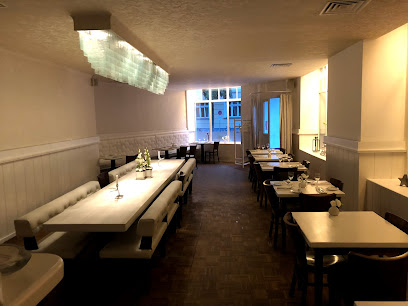
Cafe Datscha
10.7 km
Discover authentic Eastern European flavors at Café Datscha in Berlin's vibrant Friedrichshain district—where comfort meets culinary delight.
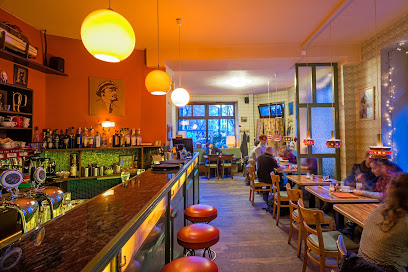
NYOM Restaurant
10.8 km
Discover authentic Vietnamese cuisine at NYOM Restaurant in Berlin's vibrant Friedrichshain-Kreuzberg district.

MAMMAM Garküche Street Food aus Vietnam und Thailand
10.8 km
Savor authentic Vietnamese and Thai street food at MAMMAM Garküche in Berlin's vibrant Friedrichshain-Kreuzberg district.
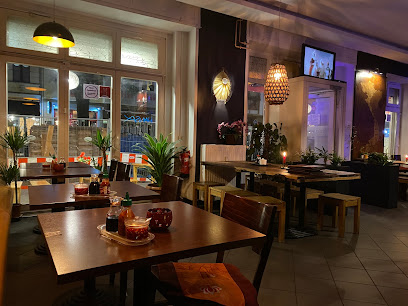
Umami
10.8 km
Discover Berlin's Umami: A must-visit Asian restaurant offering vibrant flavors and exceptional dining experiences in Friedrichshain-Kreuzberg.
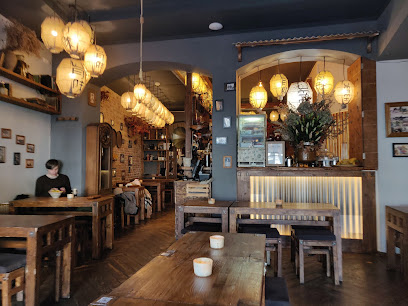
What a Treat Friedrichshain Restaurant-Berlin
10.9 km
Discover culinary excellence at What a Treat Friedrichshain – where local flavors meet international flair in the heart of Berlin.
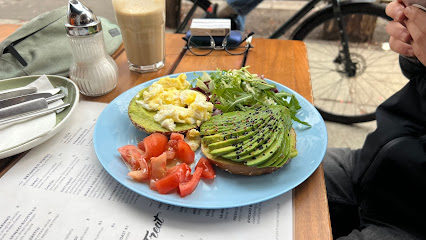
Burgermeister Schlesisches Tor
10.9 km
Discover Burgermeister Schlesisches Tor: Where iconic burgers meet Berlin's vibrant street food culture under the U-Bahn.
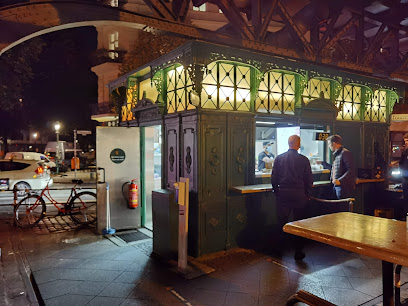
Restaurant VOLT
11.2 km
Experience exquisite German cuisine at Restaurant VOLT, where tradition meets innovation along Berlin's scenic Paul-Lincke-Ufer.
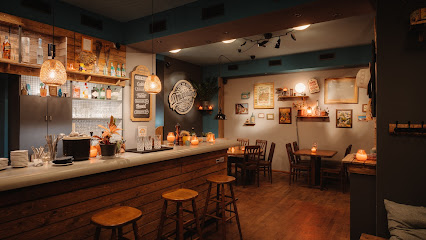
MATANGA - Fusion Tapas & Cocktails
11.2 km
Discover MATANGA in Berlin: A fusion tapas restaurant serving innovative dishes and handcrafted cocktails in a vibrant atmosphere.
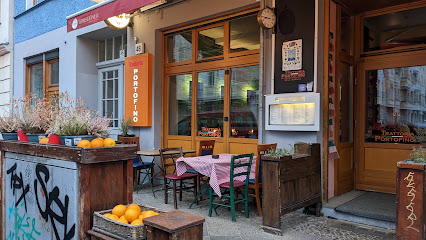
Restaurant Trattoria Portofino
11.4 km
Savor authentic Italian flavors at Trattoria Portofino in Berlin - where every bite transports you to Italy's culinary heart.
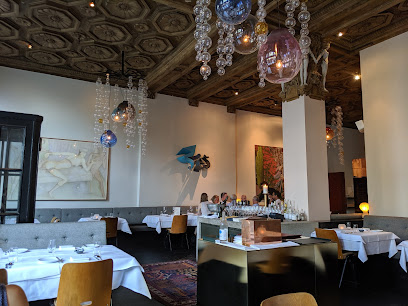
Richard
11.5 km
Experience the exquisite fusion of French and Mediterranean flavors at Restaurant Richard in Berlin's vibrant Friedrichshain-Kreuzberg district.
Lila restaurant
11.8 km
Discover Lila Restaurant in Berlin: A unique dining experience by the canal featuring fresh flavors and vibrant atmosphere.
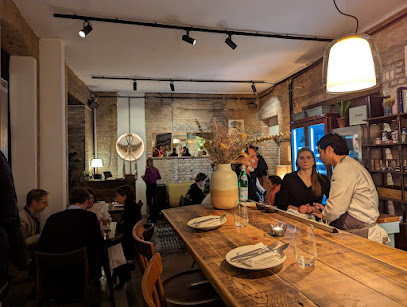
Markets, malls and hidden boutiques

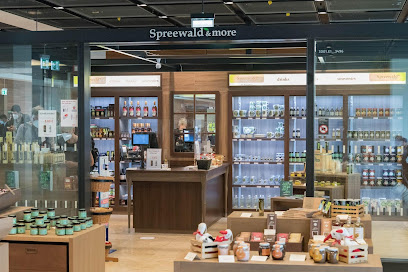
Spreewald & more Flughafen Berlin Brandenburg
9.8 km
Explore Spreewald & More at Flughafen Berlin Brandenburg for unique souvenirs and delightful local cuisine during your travels.
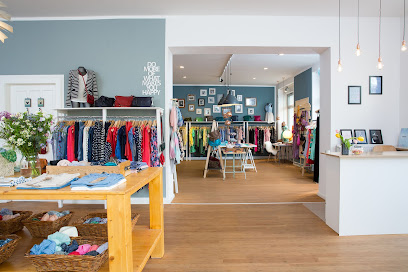
Peccato
10.5 km
Explore Peccato in Berlin for unique, stylish clothing that captures the essence of contemporary fashion in a vibrant atmosphere.
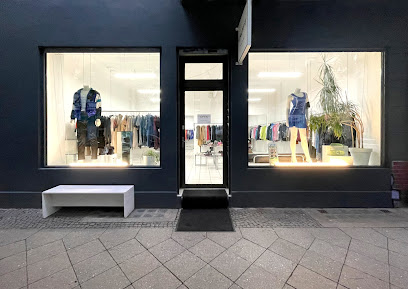
CALYPT Store
10.6 km
Explore the unique vintage clothing selection at CALYPT Store, a hidden gem in Berlin's Friedrichshain-Kreuzberg district, perfect for fashion enthusiasts.
Broke + Schön Fhain
10.6 km
Explore Berlin's creative heartbeat at Broke + Schön Fhain, where unique gifts and fashion meet local artistry in a charming boutique setting.
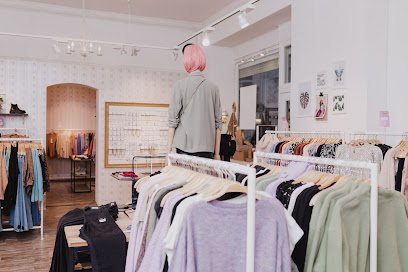
SALT BERLIN
10.6 km
Explore sustainable fashion at SALT Berlin – a vintage clothing store filled with unique finds and eco-friendly style.
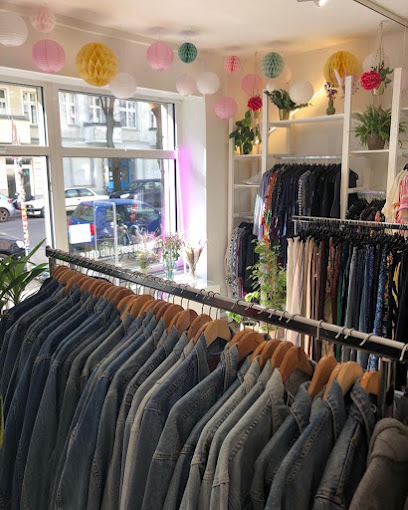
The Good Store
10.7 km
Explore The Good Store in Berlin's Neukölln for unique clothing that showcases the city's vibrant fashion culture and sustainable practices.
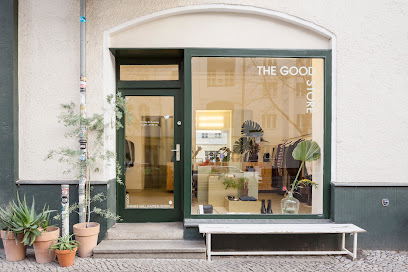
Pink Cadillac
10.7 km
Explore Pink Cadillac, Berlin's vibrant vintage clothing store, where fashion and culture collide in a colorful shopping experience.
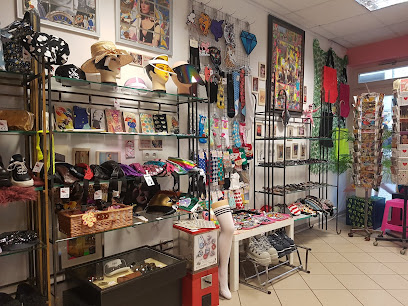
Coexist
10.8 km
Explore Coexist, a unique boutique in Berlin's Friedrichshain-Kreuzberg, offering curated treasures and local artistry.
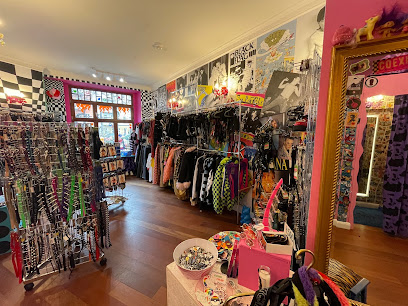
Berliner Modeinstitut
10.9 km
Discover the unique charm of vintage fashion and accessories at Berliner Modeinstitut, a must-visit boutique in Berlin's vibrant Friedrichshain district.
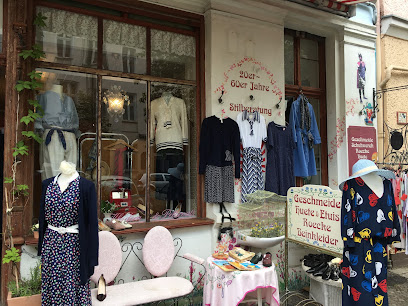
THIS CITY ROCKS, Berlin Design Shop
10.9 km
Explore Berlin's creative heart at THIS CITY ROCKS - your go-to destination for unique gifts, local art, and stylish design.
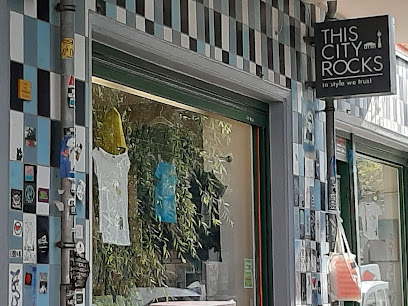
Freak Out
10.9 km
Discover unique fashion and accessories at Freak Out, a charming gift shop in Berlin's Friedrichshain district, perfect for memorable souvenirs.
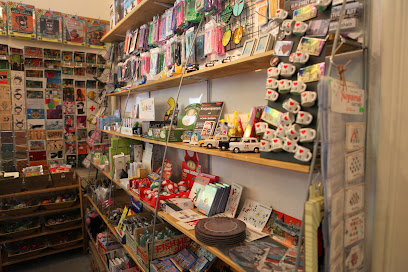
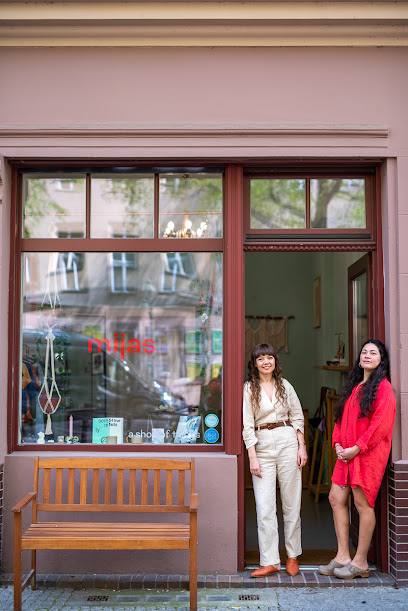
mijas: a shop of things
10.9 km
Explore Mijas, a unique gift shop in Berlin, offering handmade treasures and creative workshops for an unforgettable shopping experience.
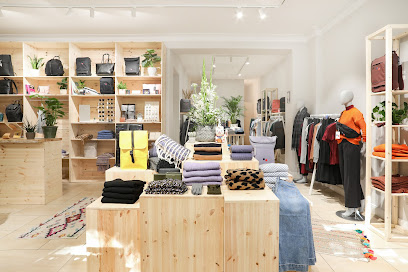
HEY ALEX
11.0 km
Explore the unique charm of Hey Alex, a boutique in Berlin offering stylish fashion accessories, clothing, and distinctive gifts.
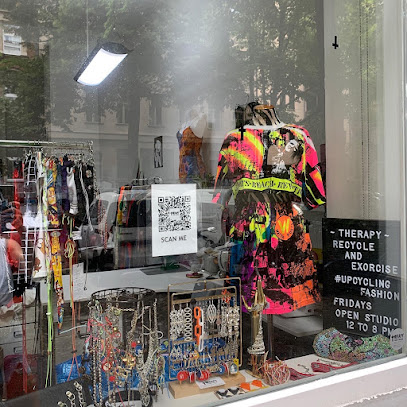
tHERAPY Recycle and Exorcise - Unique genderless circular fashion
11.1 km
Explore sustainable, genderless fashion and eco-friendly services at tHERAPY in Berlin's creative hub.
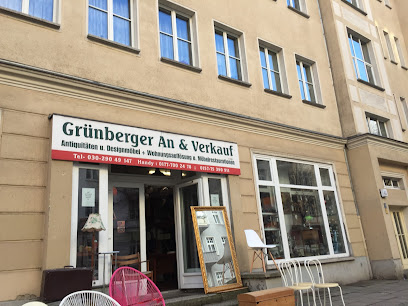
GruenBergerShop Berlin
11.1 km
Explore the eclectic charm of GrünBergerShop Berlin, where antique treasures await to add character to your home.
Essential bars & hidden hideouts

Krass Böser Wolf
9.5 km
Experience Berlin's nightlife at Krass Böser Wolf, a vibrant bar in Friedrichshain-Kreuzberg, offering a wide selection of drinks and a lively atmosphere.
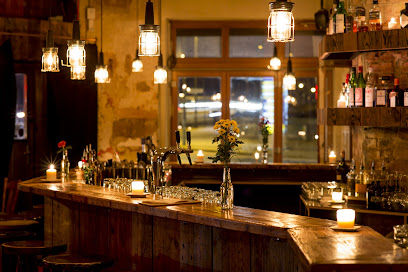
HOME Bar
9.9 km
Discover the vibrant energy and extensive craft beer selection at HOME Bar, a popular hotspot in Berlin's Friedrichshain-Kreuzberg.
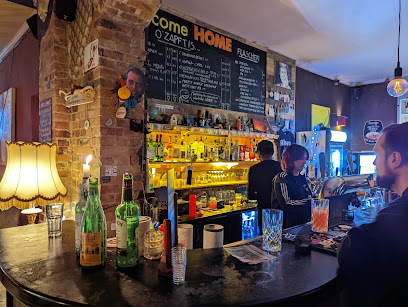
Geronimo
10.0 km
Unwind at Geronimo, a vibrant bar in Berlin's Friedrichshain-Kreuzberg, offering an eclectic mix of drinks and lively atmosphere for every night out.
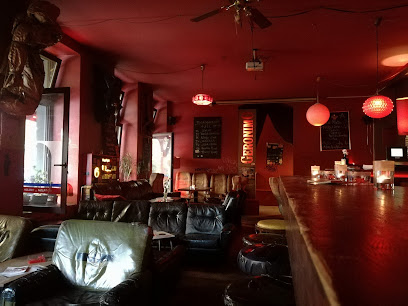
Klunkerkranich
10.5 km
Discover Klunkerkranich: A rooftop cultural center in Berlin offering stunning views, vibrant nightlife, and a unique blend of art and community.
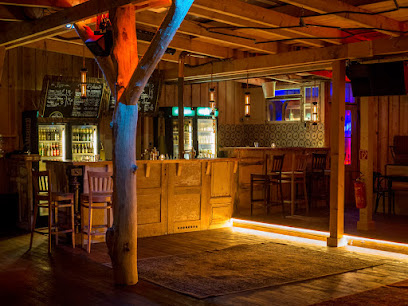
EKŌ BAR BERLIN
10.6 km
Experience the fusion of Japanese culture and Berlin nightlife at EKŌ BAR BERLIN, where innovative cocktails meet a cozy atmosphere.
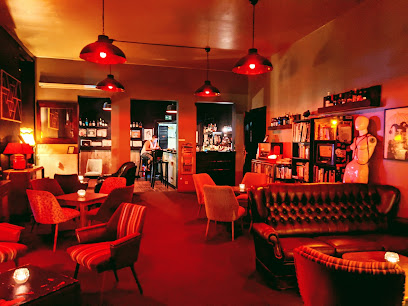
HASE - red rabbit bar
10.7 km
Experience Berlin's vibrant nightlife at HASE - a cozy bar known for its creative cocktails and lively atmosphere in Friedrichshain-Kreuzberg.
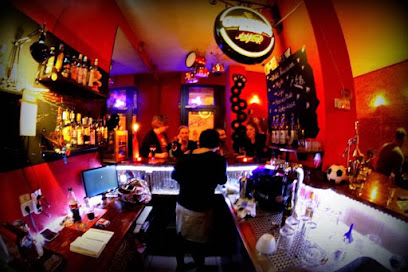
Primitiv Bar - Berlin
10.7 km
Discover the vibrant energy of Primitiv Bar in Berlin, where affordable drinks meet a lively atmosphere in the heart of Friedrichshain.
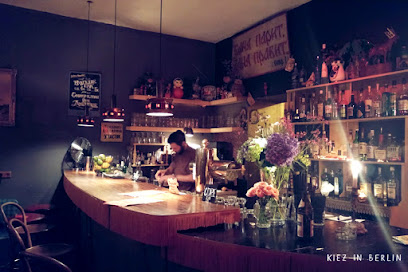
Goldfisch Bar
10.9 km
Experience the vibrant nightlife at Goldfisch Bar in Berlin, a cocktail haven offering creative drinks and a lively atmosphere that captivates all.
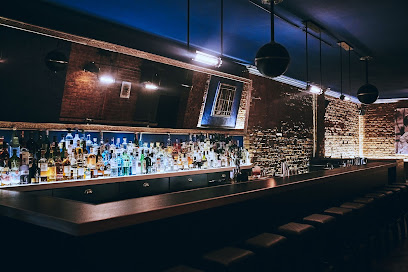
Kaia bar
10.9 km
Discover the vibrant cocktail culture at Kaia Bar, a lively hotspot in Berlin's Friedrichshain-Kreuzberg district, perfect for nightlife enthusiasts.
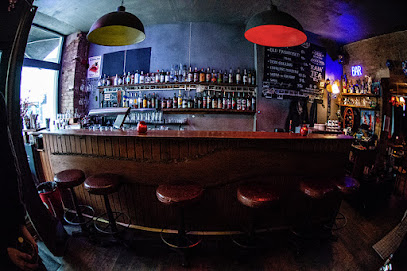
booze bar berlin
10.9 km
Discover Booze Bar Berlin, a lively bar offering creative cocktails and a vibrant atmosphere in the heart of Friedrichshain's nightlife.
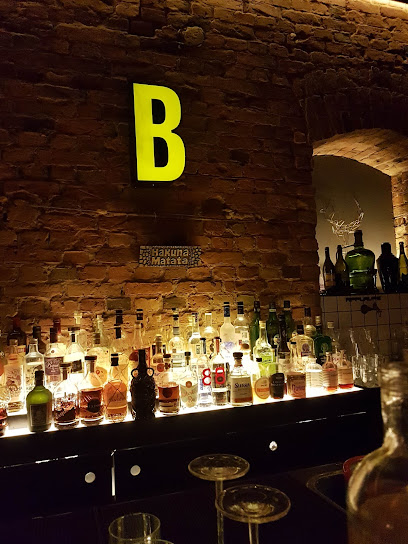
Luft und Liebe Bar Berlin
10.9 km
Experience the vibrant nightlife of Berlin at Luft und Liebe Bar, where creative cocktails meet cozy atmospheres in Friedrichshain.
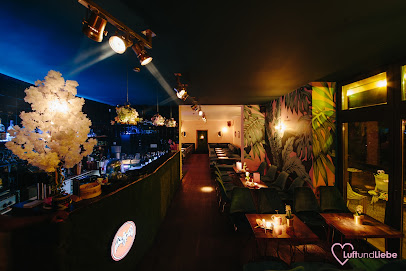
Sohnemann Bar
11.0 km
Sohnemann Bar: A vibrant cocktail haven in Berlin's Friedrichshain-Kreuzberg, perfect for nightlife enthusiasts and social butterflies.
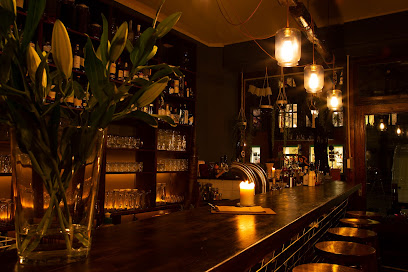
Kirk Bar
11.0 km
Discover the vibrant nightlife at Kirk Bar, a beloved Berlin destination for unique cocktails and an inviting atmosphere.
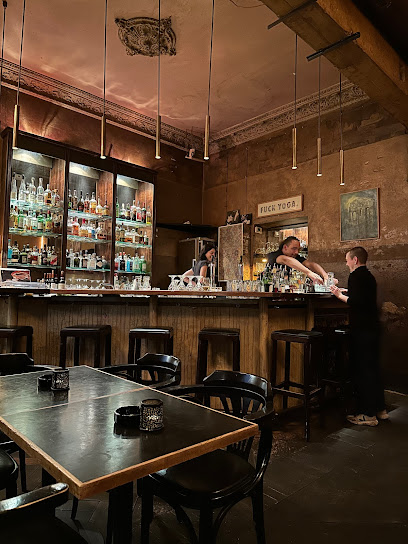
MacLaren's Pub
11.2 km
Discover the warmth and charm of MacLaren's Pub in Berlin, where hearty dishes and a vibrant atmosphere await every visitor.
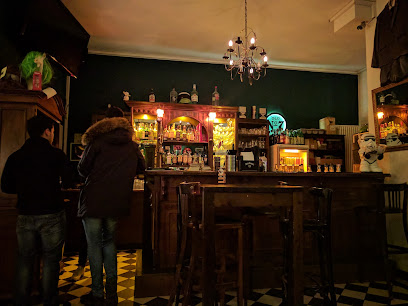
Bei Schlawinchen - Berlin
11.6 km
Discover the eclectic pub and restaurant experience at Bei Schlawinchen in Berlin's vibrant Friedrichshain-Kreuzberg district, where delicious cuisine meets a lively atmosphere.