Airlift Memorial, Berlin Travel Guide
Free Guide: A poignant reminder of the Berlin Airlift, this iconic monument symbolizes resilience, international solidarity, and the triumph of the human spirit during the Cold War.


A brief summary of Airlift Memorial
A poignant reminder of the Berlin Airlift, this iconic monument symbolizes resilience, international solidarity, and the triumph of the human spirit during the Cold War.
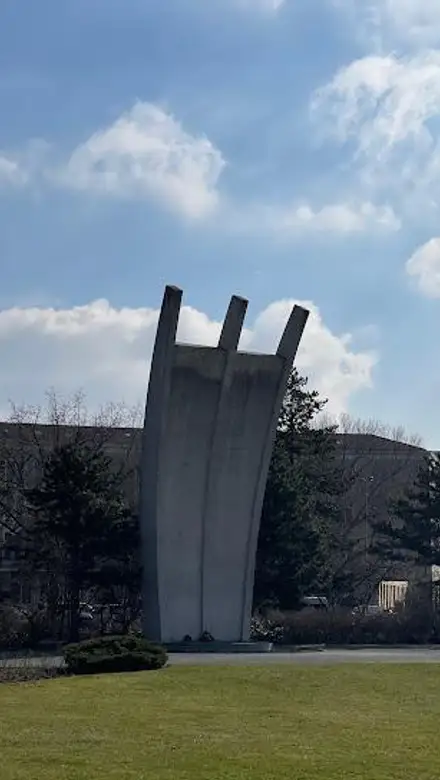
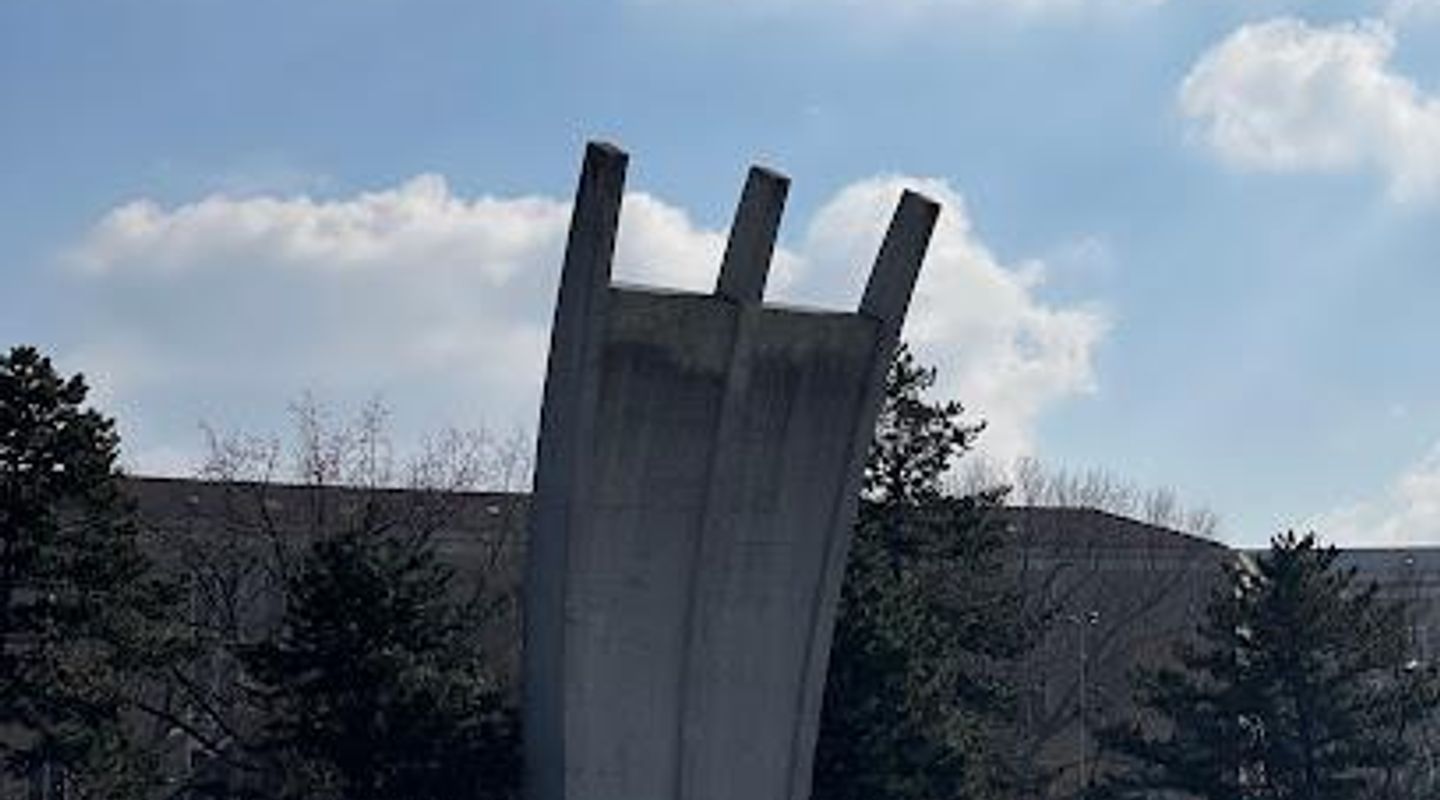
The Airlift Memorial, located on Platz der Luftbrücke in Berlin, commemorates the Berlin Airlift of 1948-1949, a pivotal event in the Cold War. This striking monument, often called the 'Hunger Rake' by locals, symbolizes the unwavering support of the Allied forces who supplied West Berlin during the Soviet blockade. The memorial's three prongs represent the air corridors used to deliver essential goods, standing as a powerful reminder of resilience and international solidarity. Visiting this landmark offers a poignant glimpse into Berlin's divided past and the triumph of human spirit over adversity. The site is easily accessible and provides a space for reflection on the sacrifices made to preserve freedom.
Opening hours
- Every dayOpen 24 hours
Opening hours as listed on the venue’s Google Business Profile. Hours can change for services and special events, so check with the venue before you go.
- Address
- Platz d. Luftbrücke 2, 12101 Berlin
- Phone
- Website
Getting there
Public Transport
Taxi/Ride-Share
Driving
Discover more about Airlift Memorial
Overview
The Airlift Memorial, or Luftbrückendenkmal in German, stands as a solemn and powerful reminder of the Berlin Airlift, a defining moment in the Cold War. Located on Platz der Luftbrücke (Air Bridge Square) in the Tempelhof-Schöneberg district of Berlin, the monument commemorates the extraordinary efforts of the Allied forces to supply West Berlin during the Soviet blockade of 1948-1949. Following World War II, Germany and its capital city, Berlin, were divided into four sectors, each controlled by one of the Allied powers: the United States, Great Britain, France, and the Soviet Union. Despite being located deep within Soviet-controlled East Germany, West Berlin remained under the control of the Western Allies. In June 1948, the Soviet Union imposed a blockade on all land and water routes into West Berlin, effectively cutting off the city's supply lines. The aim was to force the Western Allies to relinquish control of West Berlin, thereby bringing the entire city under Soviet influence. Faced with a dire situation, the Western Allies launched a massive airlift operation to supply the 2.2 million residents of West Berlin with food, fuel, medicine, and other essential goods. For over 15 months, hundreds of Allied aircraft flew around the clock, braving challenging weather conditions and the constant threat of Soviet interference, to deliver vital supplies to the beleaguered city. The operation, known as the Berlin Airlift or 'Operation Vittles,' became a symbol of Western resolve and humanitarian commitment. The Airlift Memorial, designed by architect Eduard Ludwig, was inaugurated in 1951 to commemorate this remarkable feat of logistics and human compassion. The 20-meter-high reinforced concrete sculpture takes the form of three stylized prongs reaching towards the sky, often likened to a 'Hunger Rake' by Berliners. These prongs symbolize the three air corridors used by the Allied aircraft to transport supplies from West Germany to West Berlin: north towards Hamburg, south towards Frankfurt am Main, and west towards Hanover. The monument's location on Platz der Luftbrücke, in front of the former Tempelhof Airport, is particularly significant. Tempelhof Airport served as one of the primary airfields for the airlift operation, with Allied planes landing every few minutes to unload their cargo. The airport has since been decommissioned and transformed into a public park, but the Airlift Memorial remains a poignant reminder of its pivotal role in Berlin's history. A bronze band at the base of the memorial commemorates the 79 pilots and crew members who lost their lives during the airlift operation. Their names are inscribed on the monument as a testament to their sacrifice and dedication. The memorial also serves as a reminder of the broader human cost of the Cold War and the sacrifices made to defend freedom and democracy. Today, the Airlift Memorial stands as a powerful symbol of international solidarity, resilience, and the triumph of the human spirit over adversity. It is a popular destination for tourists and locals alike, who come to pay their respects to those who participated in the airlift and to reflect on the lessons of the Cold War. The memorial also serves as a reminder of the importance of international cooperation and the enduring values of freedom, democracy, and humanitarianism. In addition to the Airlift Memorial in Berlin, identical monuments can be found in Frankfurt am Main and Celle, the two West German cities from which many of the airlift flights originated. These monuments serve as a collective reminder of the sacrifices made by the Allied forces and the unwavering support they provided to the people of West Berlin during a time of great crisis. Visiting the Airlift Memorial offers a unique opportunity to delve into Berlin's divided past and to gain a deeper understanding of the Cold War era. The monument's striking design, its historical significance, and its poignant symbolism make it a must-see destination for anyone interested in history, politics, or human resilience. The surrounding Tempelhofer Feld park provides a space for reflection and contemplation, allowing visitors to connect with the past and to appreciate the enduring legacy of the Berlin Airlift.
Evendo Review Centre
 Google
Guest reviews
Explore Airlift Memorial on the map
A handpicked selection of must-see spots near Airlift Memorial, mapped for you.
Get your free copy of our complete guide to Airlift Memorial, delivered straight to you.
Everything on this page, from opening hours and how to get there to Eve’s tips and the best time to go, in one PDF you can read offline, print or share.
Already have an account? Sign in
Your Airlift Memorial guide is ready.
We'll send it to · Not you? Sign out

Getting your guide ready…
We are putting together a fresh copy of the Airlift Memorial guide. This can take up to a minute.
This can take a few moments. If your browser asks, choose Allow so the download can start. You'll find the guide in your Downloads folder.
Nothing happened? Download it again
Sorry, the guide is taking longer than usual. Please try again in a minute, or get it by email instead.
Other nearby places you may find interesting
The closest places of the same kind, if this one is not quite what you had in mind.
-
-
-
-
-


Swipe for more places
More to explore near Airlift Memorial

 Best experiences near Airlift Memorial
 Best hotels near Airlift Memorial
 Best landmarks near Airlift Memorial
 Best attractions near Airlift Memorial
 Best shops near Airlift Memorial
 Best restaurants near Airlift Memorial
 Best bars near Airlift Memorial
Do you manage this location?
Take control to get all the benefits, like improved information, better appearance, and stronger visibility across AI-powered discovery.
Explore more

Explore more of Berlin
Berlin: A fascinating blend of history, culture, and modernity, offering everything from historic landmarks to vibrant nightlife and culinary delights.
Explore Berlin
Explore more of Germany
Experience Germany: where history meets innovation, and urban energy blends with natural beauty. Discover diverse cultures, delicious cuisine, and stunning landscapes.
Explore Germany