Detlev-Rohwedder-Haus, Berlin Travel Guide
Free Guide: Explore the Detlev-Rohwedder-Haus in Berlin: A historical landmark that embodies Germany's complex past, from Nazi headquarters to the heart of reunification, offering guided tours and insights.


A brief summary of Detlev-Rohwedder-Haus
Explore the Detlev-Rohwedder-Haus in Berlin: A historical landmark that embodies Germany's complex past, from Nazi headquarters to the heart of reunification, offering guided tours and insights.
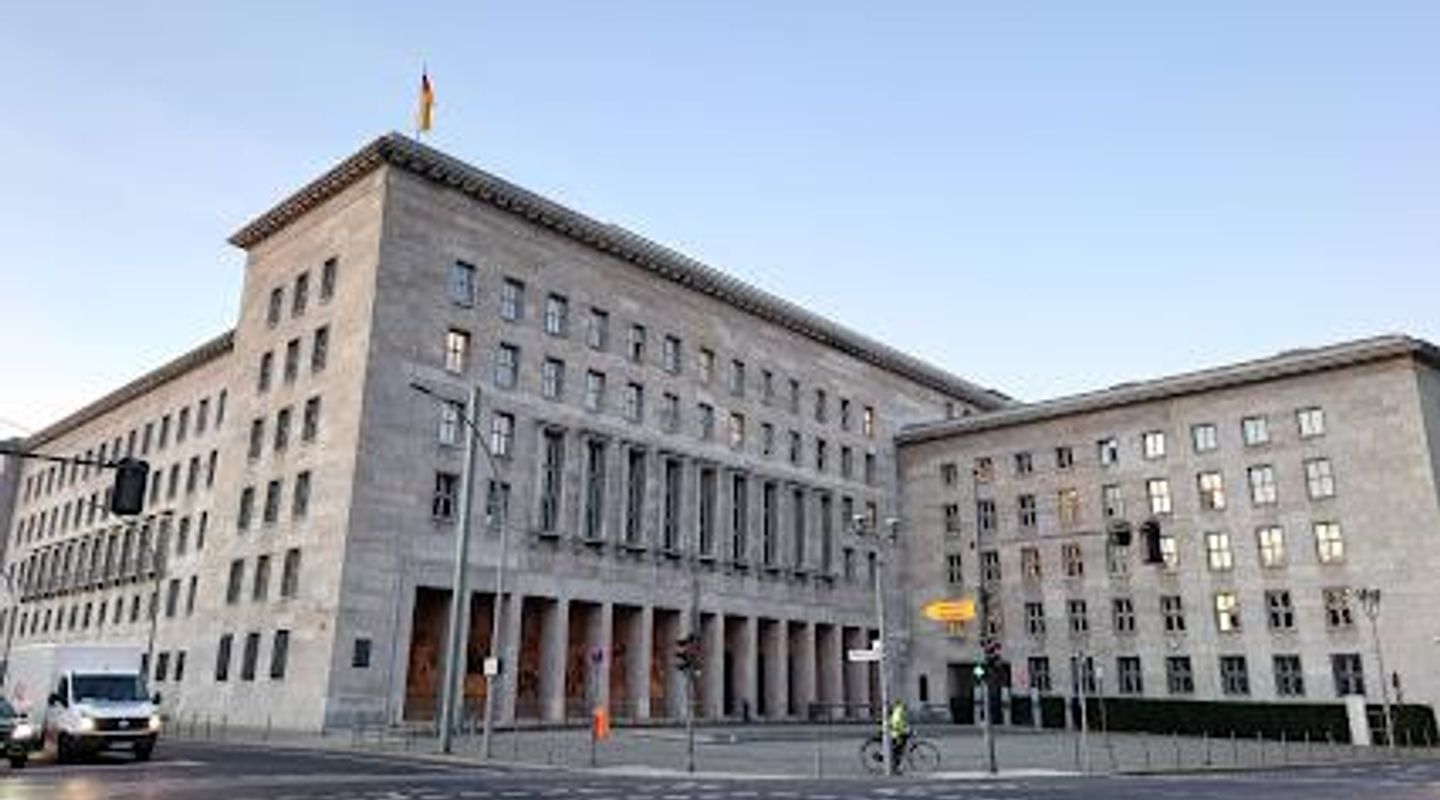
The Detlev-Rohwedder-Haus, located on Wilhelmstraße in Berlin, is more than just a building; it's a powerful symbol of Germany's complex and often turbulent past. Built in the mid-1930s as the headquarters of Hermann Göring's Air Ministry, it later became the House of Ministries for East Germany and, after reunification, the seat of the Federal Ministry of Finance. Its sheer size and imposing architecture reflect the ambitions of the Nazi regime, while its subsequent roles speak to the divisions and eventual reunification of Germany. Today, it stands as a reminder of pivotal moments in history, offering visitors a chance to reflect on the forces that have shaped modern Berlin and Germany.
Opening hours
- Every dayOpen 24 hours
Opening hours as listed on the venue’s Google Business Profile. Hours can change for services and special events, so check with the venue before you go.
- Address
- Wilhelmstraße 97, 10117 Berlin
- Phone
- Website
Getting there
Public Transport
Taxi/Ride-Share
Driving
Discover more about Detlev-Rohwedder-Haus
Overview
The Detlev-Rohwedder-Haus, situated at Wilhelmstraße 97 in the heart of Berlin, is a landmark steeped in history, bearing witness to some of the most significant events of the 20th century. Originally constructed between 1935 and 1936, it served as the Reich Aviation Ministry (Reichsluftfahrtministerium), the headquarters of the German Air Force under Hermann Göring. Designed by architect Ernst Sagebiel, the building was intended to project the power and authority of the Nazi regime. Its imposing neoclassical style and massive scale made it one of the largest office buildings in Europe at the time. The building's architecture is characterized by its symmetrical wings, vast courtyards, and extensive gardens. It boasted over 2,000 rooms and nearly seven kilometers of corridors, a testament to the sprawling bureaucracy it housed. Despite its size and strategic importance, the Detlev-Rohwedder-Haus survived the Allied bombings of Berlin during World War II with relatively little damage. During the Battle of Berlin in 1945, the building served as a command post for the central defense sector. Following the war, the building was taken over by the Soviet military administration and later became the House of Ministries of East Germany (GDR). It was here, in the building's Festsaal (ceremonial hall), that the German Democratic Republic was founded on October 7, 1949. The building also became a focal point during the East German uprising of June 17, 1953, when political demonstrations took place in front of it, which were suppressed by Soviet forces. After German reunification in 1990, the building initially housed departments of the Ministry of Finance and the Treuhandanstalt, the agency responsible for privatizing former East German state-owned enterprises. In 1991, Detlev Rohwedder, then-president of the Treuhandanstalt, was assassinated by the Red Army Faction (RAF), a far-left terrorist group. In 1992, the building was renamed the Detlev-Rohwedder-Haus in his honor. Since 1999, the Detlev-Rohwedder-Haus has served as the headquarters of the Federal Ministry of Finance. Today, visitors can explore the building's rich history through guided tours, which offer insights into its architectural features, its role in key historical events, and the work of the Finance Ministry. The building also hosts art exhibitions and other cultural events, making it a vibrant center for both government and public engagement. Visiting the Detlev-Rohwedder-Haus provides a unique opportunity to delve into Germany's past and understand the forces that have shaped its present. From its origins as a symbol of Nazi power to its role in the division and reunification of Germany, the building stands as a testament to the country's resilience and its commitment to democracy and progress. The building is a protected historical landmark, and while general public access may be limited, special tours and open house days offer a chance to explore its interiors and learn more about its fascinating story. The Detlev-Rohwedder-Haus is more than just a building; it is a living monument to German history. Located in the vibrant Mitte district, the Detlev-Rohwedder-Haus is surrounded by other significant landmarks, including the Brandenburg Gate, the Memorial to the Murdered Jews of Europe, and the Reichstag Building. This makes it an ideal starting point for exploring Berlin's rich cultural and historical tapestry. The area is well-served by public transportation, with several U-Bahn and S-Bahn stations within walking distance, making it easily accessible from all parts of the city. The Detlev-Rohwedder-Haus offers a compelling journey through German history, architecture, and politics. Whether you are a history enthusiast, an architecture buff, or simply curious about Berlin's past, a visit to this iconic building is sure to be a memorable and enriching experience. The building stands as a reminder of the past and a symbol of hope for the future, embodying the spirit of a city that has overcome division and emerged as a global center for culture, innovation, and progress.
Evendo Review Centre
 Google
Guest reviews
Explore Detlev-Rohwedder-Haus on the map
A handpicked selection of must-see spots near Detlev-Rohwedder-Haus, mapped for you.
Get your free copy of our complete guide to Detlev-Rohwedder-Haus, delivered straight to you.
Everything on this page, from opening hours and how to get there to Eve’s tips and the best time to go, in one PDF you can read offline, print or share.
Already have an account? Sign in
Your Detlev-Rohwedder-Haus guide is ready.
We'll send it to · Not you? Sign out

Getting your guide ready…
We are putting together a fresh copy of the Detlev-Rohwedder-Haus guide. This can take up to a minute.
This can take a few moments. If your browser asks, choose Allow so the download can start. You'll find the guide in your Downloads folder.
Nothing happened? Download it again
Sorry, the guide is taking longer than usual. Please try again in a minute, or get it by email instead.
Unlock the best of Detlev-Rohwedder-Haus
Skip-the-line tickets, guided tours with entry, and walking tours of the area, booked in a few clicks.
 Tour with entry
Historical Hitler Berlin Self Guided Walking Tour and Audio Guide
from $6.38 Tour with entry
Berlin WWII and Third Reich Self Guided Walking Tour with an APP
from $9.49 Tour with entry
Discover Berlin Half-Day Walking Tour
from $21.32 Tour with entry
Berlin Third Reich Sites: Half-Day Walking Tour
from $21.32
 Tour
TourBerlin World War II and Cold War Self Guided Tour via Mobile App
from $6.64 Tour
TourWalking Berlin's Nazi History: A Self Guided Audio Tour
from $11.39 Tour
TourExplore Berlin: See All The Iconic Sights & Some Hidden Gems
from $24.41 Tour
TourBerlin Under the Third Reich: Discover WWII Sites and History
from $426.37
Other nearby places you may find interesting
The closest places of the same kind, if this one is not quite what you had in mind.
-
-
-
-
-


Swipe for more places
More to explore near Detlev-Rohwedder-Haus

 Best experiences near Detlev-Rohwedder-Haus
 Best hotels near Detlev-Rohwedder-Haus
 Best landmarks near Detlev-Rohwedder-Haus
 Best attractions near Detlev-Rohwedder-Haus
 Best shops near Detlev-Rohwedder-Haus
 Best restaurants near Detlev-Rohwedder-Haus
 Best bars near Detlev-Rohwedder-Haus
Do you manage this location?
Take control to get all the benefits, like improved information, better appearance, and stronger visibility across AI-powered discovery.
Explore more

Explore more of Berlin
Berlin: A fascinating blend of history, culture, and modernity, offering everything from historic landmarks to vibrant nightlife and culinary delights.
Explore Berlin
Explore more of Germany
Experience Germany: where history meets innovation, and urban energy blends with natural beauty. Discover diverse cultures, delicious cuisine, and stunning landscapes.
Explore Germany