Gethsemanekirche: A Beacon of History and Hope
Discover Berlin's soul at Gethsemanekirche: a Neo-Gothic landmark, haven for peaceful revolution, and testament to the city's enduring spirit in Prenzlauer Berg.
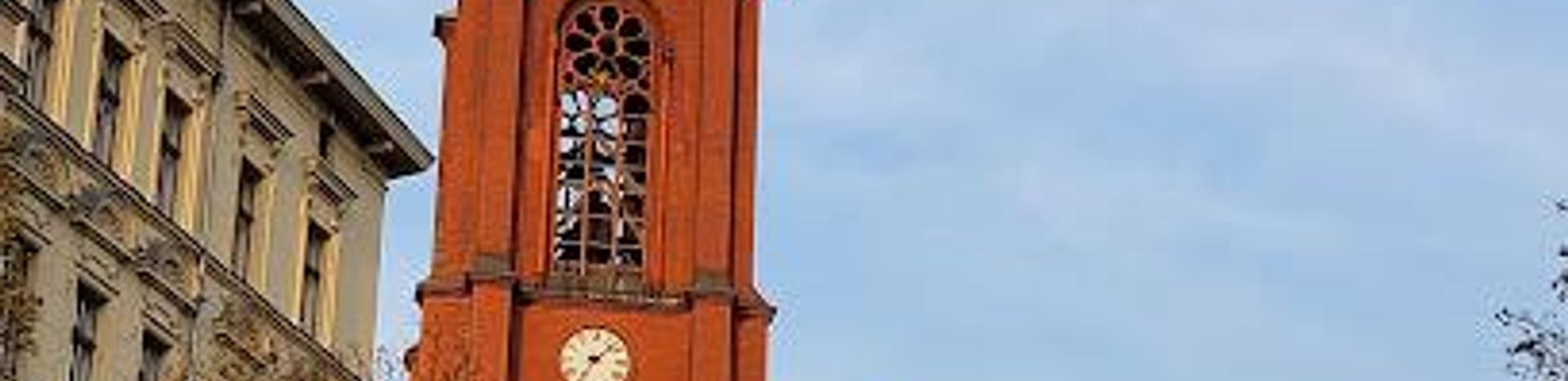
The Gethsemanekirche, a striking Neo-Gothic church in Berlin's Prenzlauer Berg, is more than just an architectural landmark; it's a symbol of peace, resistance, and German reunification. Built in the late 19th century, it gained prominence as a meeting point for dissidents during the East German regime. Its towering presence and historical significance make it a compelling destination for those seeking to understand Berlin's complex past and vibrant present. The church continues to host services, concerts, and cultural events, fostering a sense of community and reflection. Visitors can admire its intricate design, explore its art, and contemplate its role in shaping modern Germany. Gethsemanekirche stands as a testament to the power of peaceful protest and the enduring spirit of Berlin.
A brief summary to Gethsemanekirche - Ev. Kirchengemeinde Prenzlauer Berg-Nord
- Stargarder Str. 77, Berlin, Pankow, 10437, DE
- +49304457745
- Visit website
Local tips
- Attend a Sunday service to experience the church's vibrant community and hear its renowned organ.
- Visit in December to see the traditional nativity scene and enjoy Christmas concerts.
- Take a guided tour to learn about the church's history and its role in the Peaceful Revolution.
- Explore the surrounding Prenzlauer Berg neighborhood, known for its cafes, shops, and street art.
- Look for the "Fighter in the Spirit" sculpture, a copy of Ernst Barlach's work, outside the church, symbolizing resistance and hope.

Getting There
-
Public Transport
The Gethsemanekirche is easily accessible via public transport. Take the U2 subway line to Eberswalder Straße station or the M10 tram to Gethsemanestraße. From either stop, it's a short walk of a few blocks. The U-Bahn station S+U Schönhauser Allee is also nearby (5 min walk). A single ride ticket (Einzelfahrausweis) costs around €3.00.
-
Walking
From Schönhauser Allee, a main thoroughfare in Prenzlauer Berg, walk east on Stargarder Straße. The church will be visible on the left after a few blocks, at the intersection of Stargarder Straße and Gethsemanestraße. The walk is approximately 5-10 minutes. No costs involved.
-
Taxi/Ride-Share
A taxi or ride-share from Alexanderplatz to Gethsemanekirche will take approximately 15-20 minutes, depending on traffic, and cost around €15-€20. Be sure to specify the address: Stargarder Str. 77, 10437 Berlin.
-
Driving
Driving to Gethsemanekirche is possible, but parking in the immediate vicinity can be challenging. Limited street parking is available, but it is often metered. Parking fees typically range from €2-€3 per hour. Consider using a parking garage in the area, though these can also be expensive. Be aware of resident parking zones.
Discover more about Gethsemanekirche - Ev. Kirchengemeinde Prenzlauer Berg-Nord
Iconic landmarks you can’t miss

THE TOWER
0.8 km
Discover THE TOWER in Berlin's Pankow district: a historical landmark nestled in the vibrant Prenzlauer Berg, offering a unique glimpse into the city's past and present.
Oderberger Str. 4
1.1 km
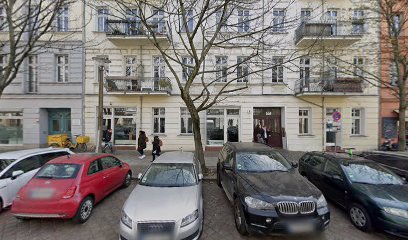
Explore the architectural beauty and vibrant atmosphere of Berlin at Oderberger Str. 4, a historical gem in the heart of Pankow.
Bornholmer Str.
1.2 km
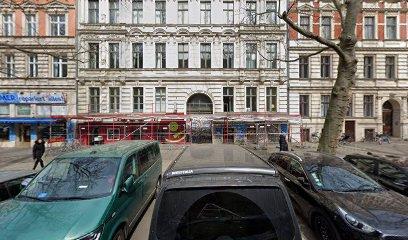
Explore Bornholmer Str. in Berlin, a historic street symbolizing the reunification of East and West, rich in culture, history, and vibrant local life.
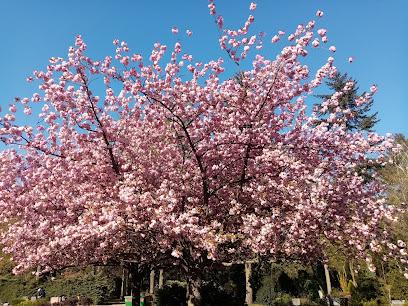
Bernauer Str. 63
1.2 km
Discover the historic significance of Bernauer Str. 63 in Berlin, a poignant reminder of the city's divided past and a vibrant cultural hub.
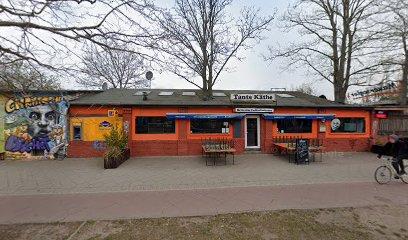
FRANZ HUTH memorial plaque
1.4 km
A poignant memorial in Berlin's Prenzlauer Berg commemorating Franz Huth, an anti-fascist resistance fighter murdered by the Nazis, serving as a reminder of courage and sacrifice.
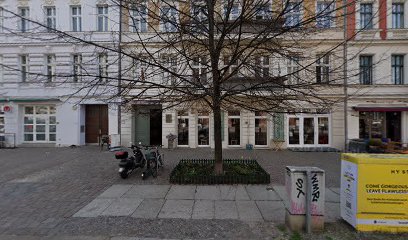
Wolf in the city Mural by Alaniz
1.6 km
Discover the thought-provoking Wolf in the City mural by Alaniz in Berlin's Pankow, a vibrant testament to street art, social justice, and cultural identity.
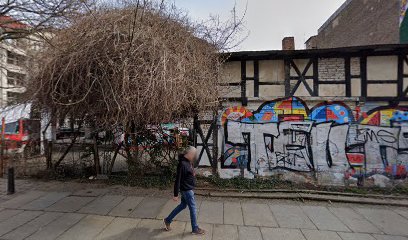
Bernauer Str.
1.8 km
Experience Berlin's rich history and vibrant culture at Bernauer Strasse, where the past and present intertwine in a remarkable urban landscape.
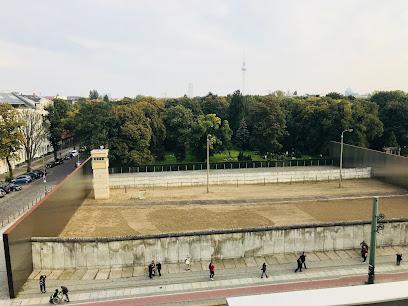
Alter Taubenschlag
1.8 km
Explore Alter Taubenschlag, a charming tourist attraction in Berlin's Pankow district, where local culture and history come alive.
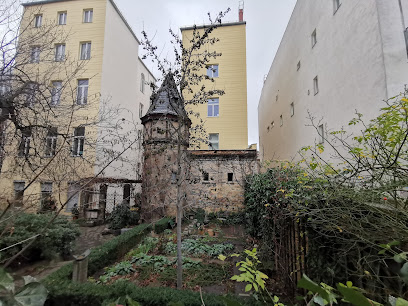
Rosa-Luxemburg-Platz 1
2.3 km
Experience the vibrant atmosphere of Rosa-Luxemburg-Platz, a cultural and historical hub in the heart of Berlin, surrounded by art and urban life.
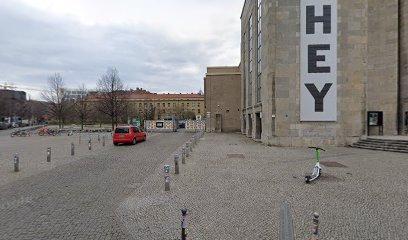
Invalidenstraße 10
2.4 km
Explore Invalidenstraße 10, a historical gem in Berlin's Mitte district, showcasing the city's rich architectural heritage and vibrant cultural scene.
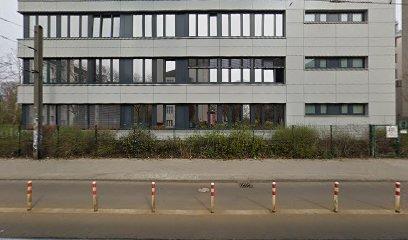
Visitor Center of the Berlin Wall Memorial
2.5 km
Explore the history of the Berlin Wall at the Visitor Center on Bernauer Strasse, the perfect starting point for understanding the division and reunification of Berlin.
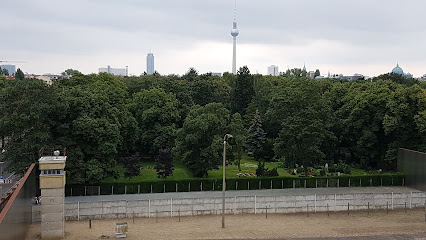
Monument to the Polish soldiers and German anti-fascists
2.6 km
Discover Berlin's powerful tribute to courage and unity at the Monument to Polish Soldiers and German Anti-Fascists, a must-visit historical landmark.
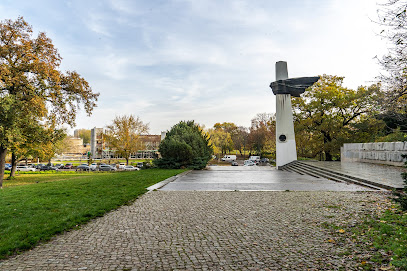
Monument to the International Brigades
2.6 km
A powerful memorial in Berlin's Volkspark Friedrichshain honoring the German volunteers who fought against fascism in the Spanish Civil War, symbolizing international solidarity.
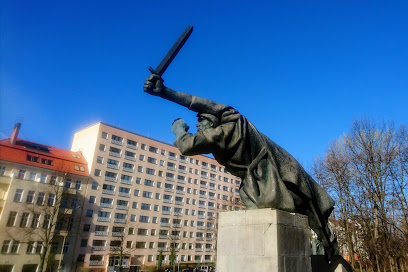
Volkspark Friedrichshain
2.6 km
Discover Berlin's oldest public park: Volkspark Friedrichshain, a vibrant green space offering history, recreation, and natural beauty in the heart of the city.
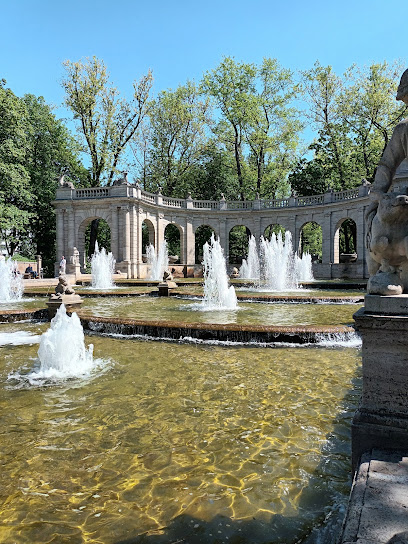
Elisabeth-Schwarzhaupt-Platz 3
2.6 km
Experience the serene beauty of Elisabeth-Schwarzhaupt-Platz, a tranquil urban oasis in the heart of Berlin, perfect for relaxation and leisure.
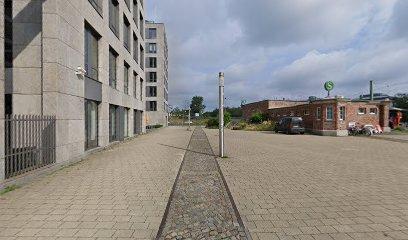
Unmissable attractions to see

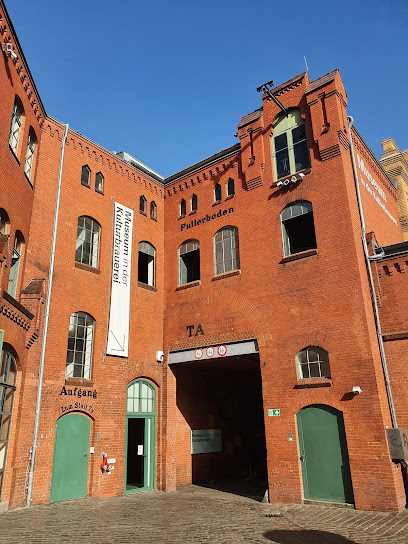
Museum at the Kulturbrauerei
0.8 km
Explore the captivating history of Berlin at the Museum at the Kulturbrauerei, where culture and heritage come alive in a unique setting.
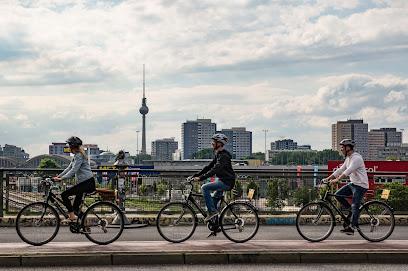
Berlin on Bike - Radtouren & Fahrradverleih
0.9 km
Experience Berlin's history and culture on two wheels with guided tours and bike rentals from Berlin on Bike in the vibrant Kulturbrauerei.
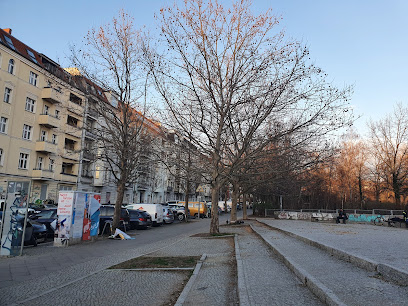
Falkplatz
0.9 km
Discover the serene beauty of Falkplatz, a state park in Berlin that offers relaxation, community events, and vibrant local culture.
Sonnenuhr am Zeiss-Großplanetarium
0.9 km
Explore the Sonnenuhr am Zeiss-Großplanetarium, a captivating blend of art and science in Berlin, where time and astronomy beautifully intertwine.
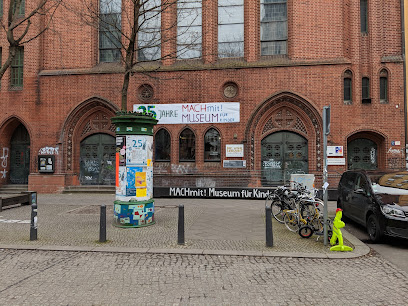
MACHmit! Museum for Children
0.9 km
Discover the joy of learning through play at MACHmit! Museum for Children in Berlin, where creativity and fun come together for a memorable family experience.
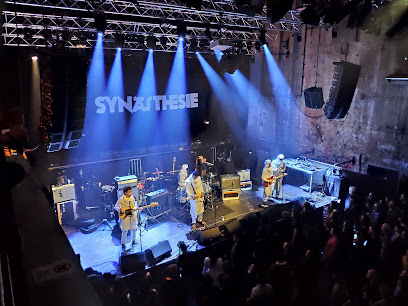
Kesselhaus in der Kulturbrauerei
0.9 km
Experience the vibrant cultural pulse of Berlin at Kesselhaus in der Kulturbrauerei, a premier venue for live music and artistic events.
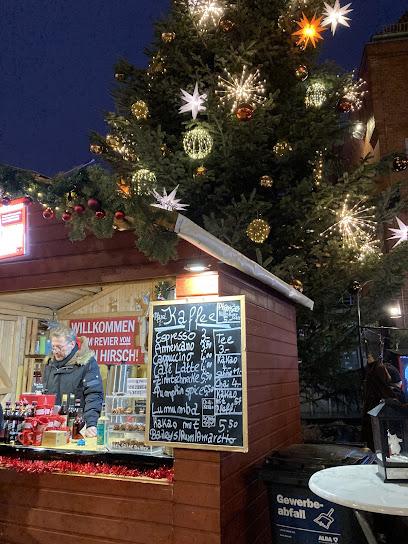
Lucia Weihnachtsmarkt in der Kulturbrauerei
0.9 km
Experience the magic of Christmas at Lucia Weihnachtsmarkt in Berlin's Kulturbrauerei, a festive wonderland filled with artisan crafts, delicious treats, and joyful entertainment.
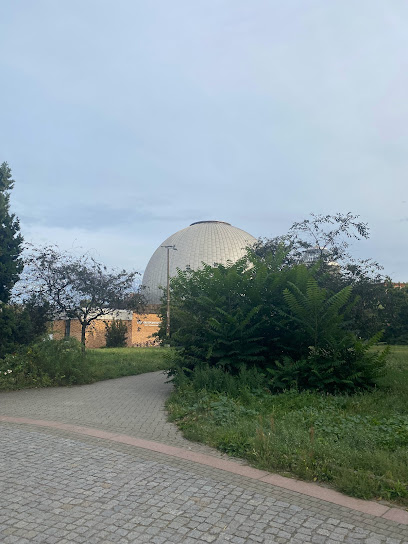
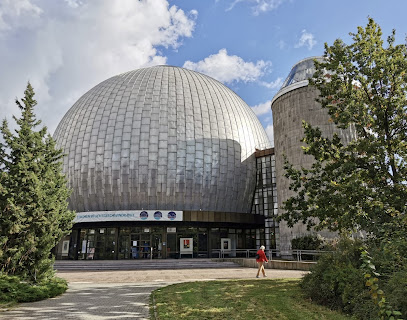
Zeiss Major Planetarium
0.9 km
Experience the wonders of the cosmos at Zeiss Major Planetarium, Berlin's premier destination for star shows and educational exhibits.
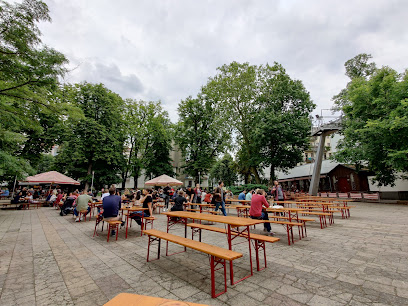
Prater Beer Garden
0.9 km
Experience the heart of Berlin's beer culture at Prater Beer Garden – A lively destination filled with tradition, great brews, and delicious German fare.
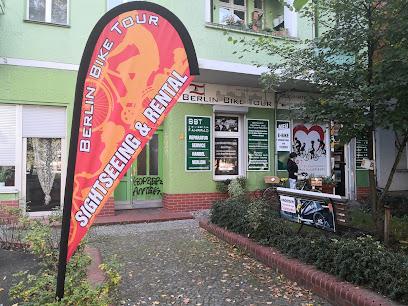
BBT-Sightseeing & More - Radtouren, E-Bike Touren, zu Fuß Führungen
1.1 km
Unleash the joy of exploring Berlin on two wheels with BBT-Sightseeing & More, offering guided tours, E-bike rentals, and immersive walking experiences.
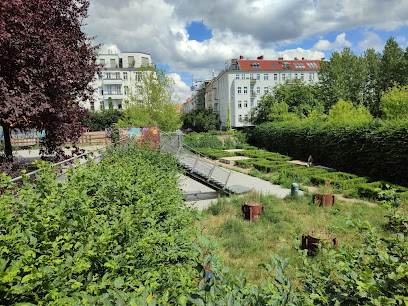
Mauerpark
1.1 km
Experience the lively atmosphere of Mauerpark, Berlin's cultural hotspot, where history, art, and community come together in a vibrant green oasis.
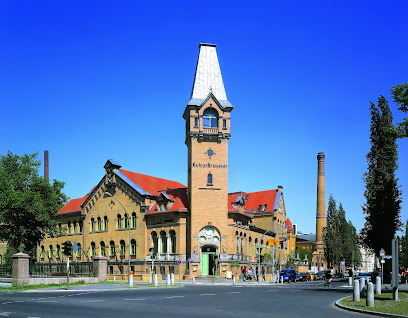
Kulturbrauerei
1.1 km
Discover the vibrant cultural scene at Kulturbrauerei, Berlin's historic brewery turned lively event venue and artistic hub.
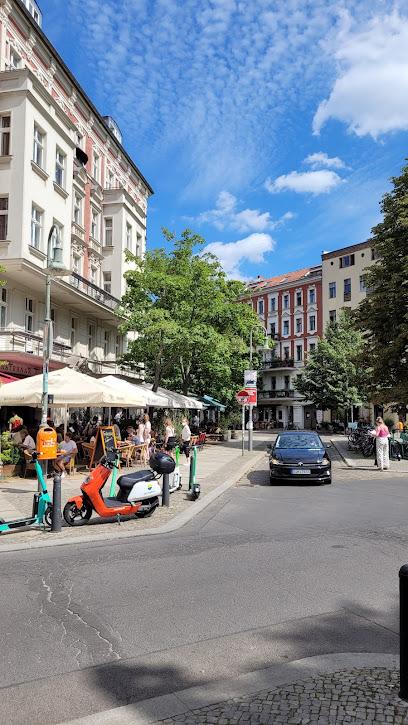
Prenzlauer Berg
1.1 km
Experience the vibrant culture, historic architecture, and lively atmosphere of Prenzlauer Berg, a must-visit district in Berlin for every traveler.
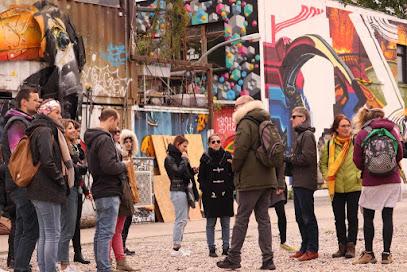
Alternative Berlin Tours
1.2 km
Explore Berlin like never before with Alternative Berlin Tours - a unique journey through the city's hidden gems and vibrant culture.
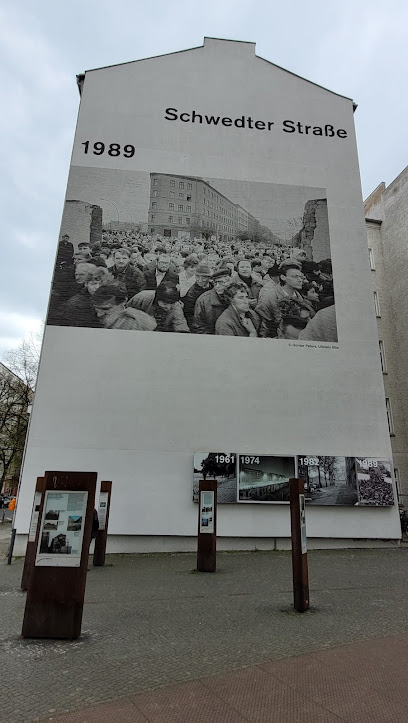
The Berlin Wall and its Fall at Schwedter Strasse
1.2 km
Explore the Berlin Wall at Schwedter Strasse, an enduring symbol of hope and resilience, reflecting on the past and celebrating unity in modern Berlin.
Essential places to dine

Frau Mittenmang
0.4 km
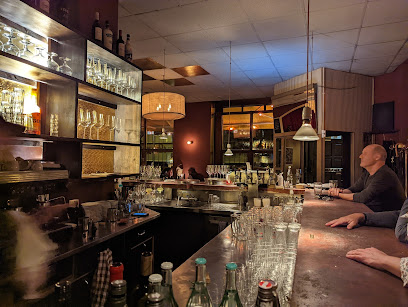
Experience authentic German cuisine at Frau Mittenmang in Berlin's Pankow district—where tradition meets taste.
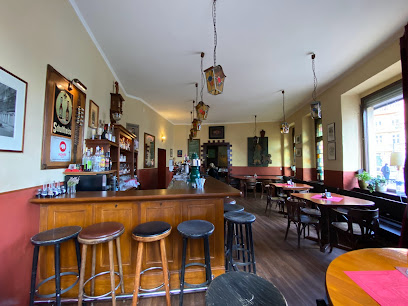
Zum Schusterjungen
0.8 km
Experience authentic German flavors at Zum Schusterjungen in Berlin's Pankow district - where tradition meets taste.
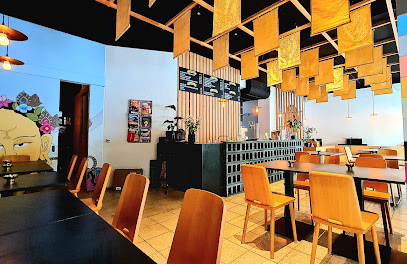
Holy Everest
0.8 km
Experience authentic Nepalese cuisine at Holy Everest in Berlin's Pankow district - where every dish tells a story!
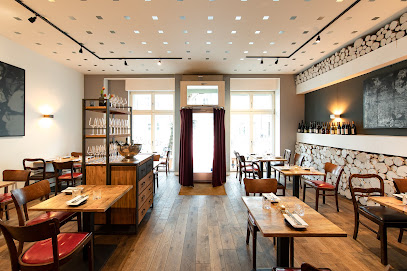
Restaurant Bricole
0.8 km
Experience culinary excellence at Restaurant Bricole in Berlin - where modern European flavors meet French tradition in an elegant setting.
MaMi's Food&Wine
1.1 km
Discover culinary excellence at MaMi's Food&Wine in Berlin – where tradition meets innovation in every delicious bite.
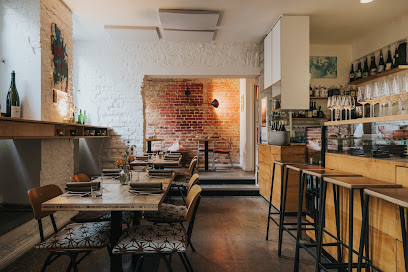
Mitho Cha! P-Berg
1.2 km
Discover authentic Nepalese flavors at Mitho Cha! P-Berg - where every dish tells a story.
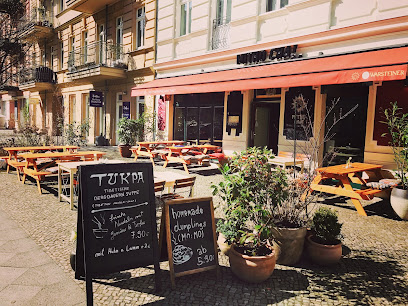
A-Petit Restaurant Berlin
1.4 km
Discover the flavors of Asia at A-Petit Restaurant in Berlin - a top destination for sushi lovers and Asian cuisine enthusiasts.
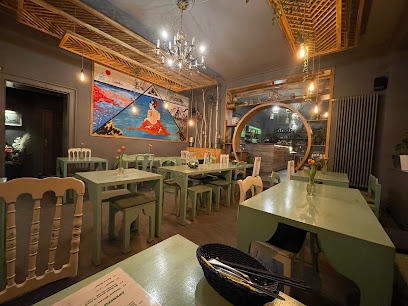
KUSHMANN'S X NEON
1.4 km
Discover KUSHMANN'S X NEON: A culinary delight blending Mediterranean cuisine with an exciting cocktail bar in the heart of Berlin.
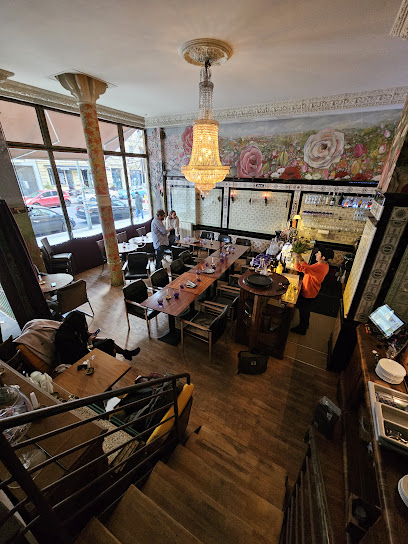
Zur Haxe
1.4 km
Experience the heart of Bavaria in Berlin at Zur Haxe – indulge in authentic German dishes in a cozy setting.
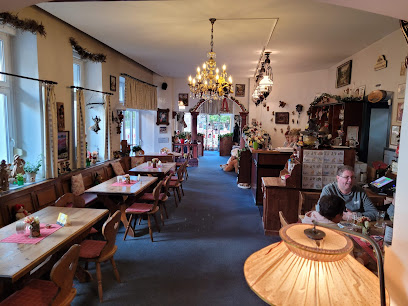
Altberliner Restaurant
1.4 km
Discover Berlin's culinary heritage at Altberliner Restaurant - where authentic German flavors come alive.
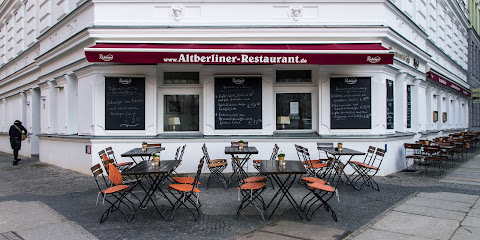
Masel Topf
1.4 km
Experience authentic Israeli flavors at Masel Topf in Berlin – where every dish tells a story.
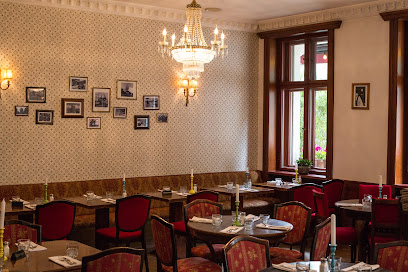
PeterPaul
2.1 km
Discover contemporary German cuisine at PeterPaul in Berlin's Mitte district – where tradition meets innovation in every bite.
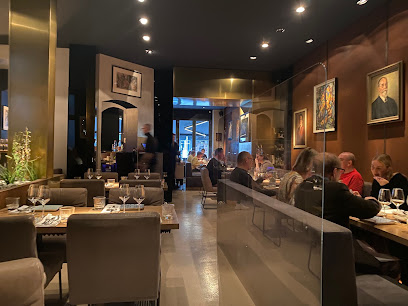
Katz Orange
2.3 km
Discover Katz Orange: An eclectic fine dining experience in Berlin's Mitte district offering exquisite German cuisine and an inviting atmosphere.
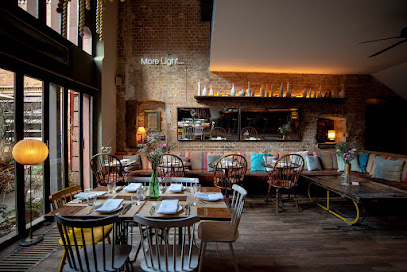
Bandol sur mer
2.5 km
Experience the exquisite flavors and breathtaking scenery of Bandol sur Mer on your next visit to the French Riviera.
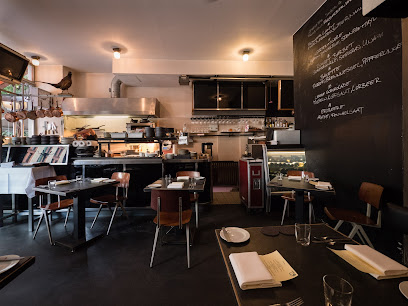
Salamat
2.6 km
Discover authentic Middle Eastern flavors at Salamat in Berlin's Mitte district – where every dish tells a story.
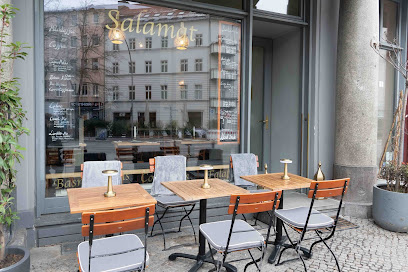
Markets, malls and hidden boutiques

DEAR
0.1 km
Discover unique vintage finds at DEAR, Berlin's charming secondhand store in Pankow, where sustainable fashion meets eclectic style.
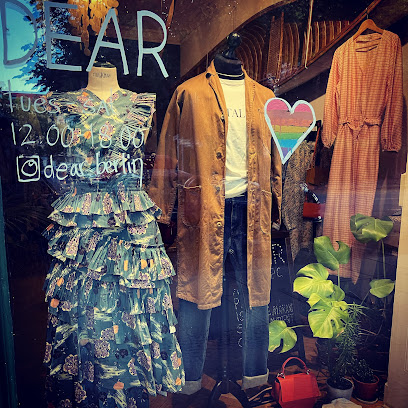
das goodshaus. Lifestyle Concept Store
1.0 km
Explore das goodshaus, a unique lifestyle concept store in Berlin, offering a delightful selection of gifts and artistic stationery.
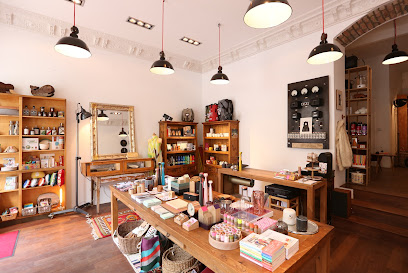
wunderwerk store Berlin-Prenzlauer Berg
1.0 km
Explore sustainable fashion at Wunderwerk Store in Berlin-Prenzlauer Berg, where contemporary design meets eco-conscious shopping.
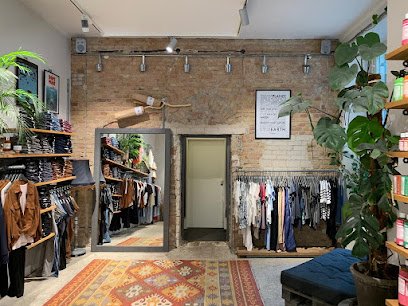
Jyoti - FairWorks
1.1 km
Explore Jyoti - FairWorks in Berlin for ethically sourced clothing, unique accessories, and a commitment to fair trade fashion.
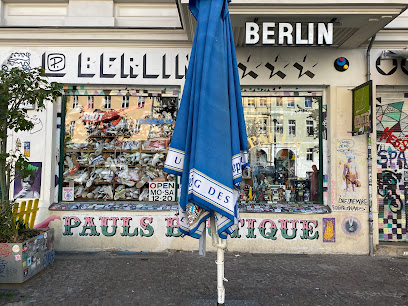
Pauls Boutique/Berlin
1.1 km
Explore Paul’s Boutique in Berlin for unique vintage clothing and sustainable fashion treasures. A must-visit thrift store in the heart of Pankow.
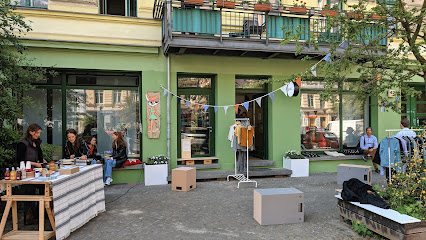
Flagshipstore
1.1 km
Explore Flagshipstore Berlin for a unique selection of eclectic European fashion in a vibrant shopping atmosphere.
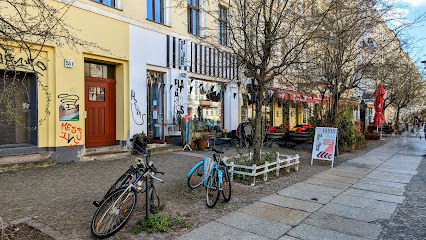
Loretta
1.1 km
Explore Loretta, Berlin's ultimate vintage clothing store, for unique fashion finds and a delightful shopping experience.
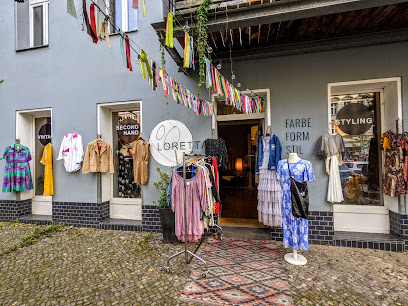
Dudes Factory
1.2 km
Discover Dudes Factory, Berlin's iconic streetwear store, offering unique designs that embody the city's dynamic fashion scene.
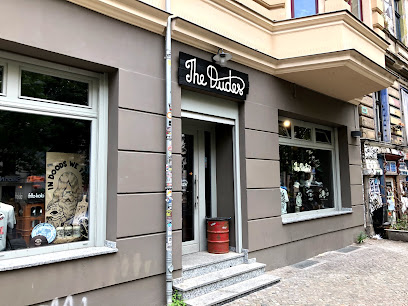
KNAACKPUNKT Vintage & New Design Clothing
1.5 km
Explore KNAACKPUNKT Vintage & New Design Clothing in Berlin - a blend of vintage charm and modern fashion for every style enthusiast.
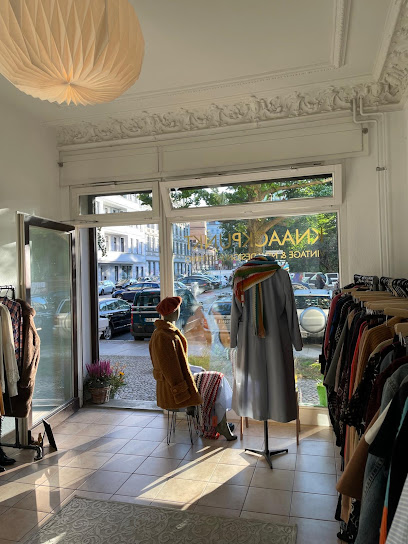
ein000 - Eintausend Berlin Shopping Guide
1.6 km
Explore ein000 for a unique shopping experience, showcasing Berlin's contemporary fashion and local designs in the heart of the city.
vintage
1.7 km
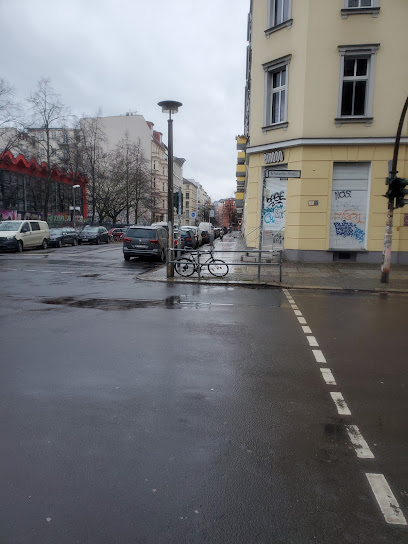
Explore a vintage store in Berlin's Pankow district, filled with unique treasures and timeless charm that reflect the city's rich history.
Soul Objects
1.7 km
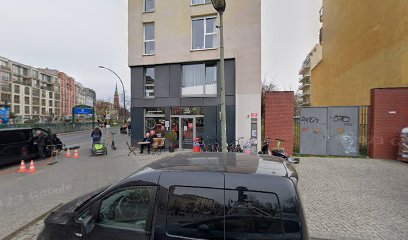
Explore the artistic treasures of Berlin at Soul Objects, your go-to destination for unique gifts, art, and handcrafted treasures.
OFT Vintage Shop Berlin
1.8 km
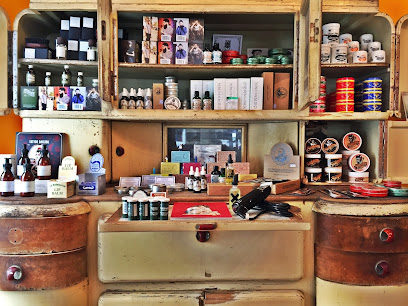
Explore the charm of vintage fashion and unique antiques at OFT Vintage Shop in Berlin, where every item tells a story.
Rotation Boutique / Nachhaltige Mode / Schallplatten
2.1 km
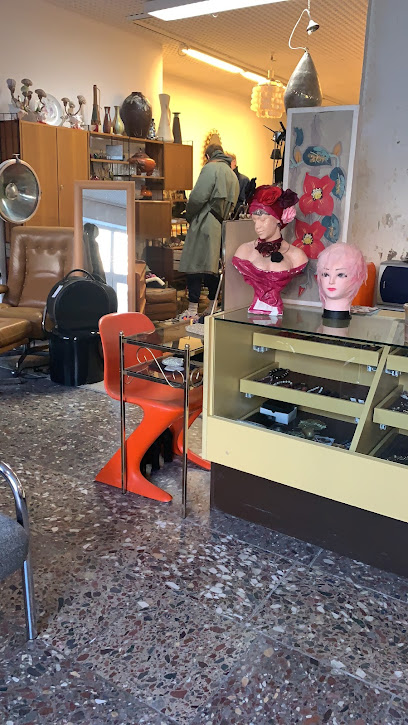
Discover the intersection of sustainable fashion and music at Rotation Boutique in Berlin's Mitte district, where style meets eco-consciousness.
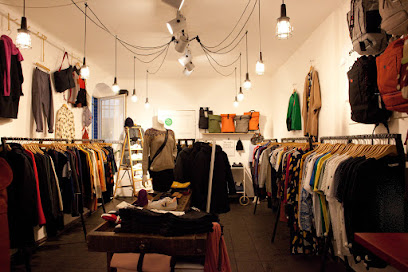
Pauls Chapter Mitte
2.2 km
Experience the charm of sustainable fashion at Pauls Chapter Mitte, Berlin's premier used clothing store, offering unique vintage finds in a stylish setting.
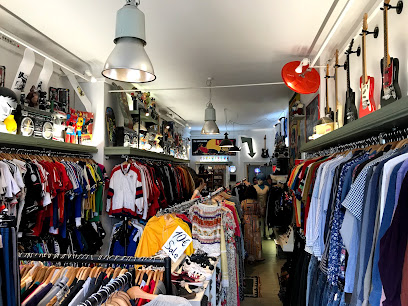
Essential bars & hidden hideouts

DieBar
0.1 km
Experience the vibrant nightlife at DieBar in Berlin's Pankow district, where great drinks and a lively atmosphere await every visitor.
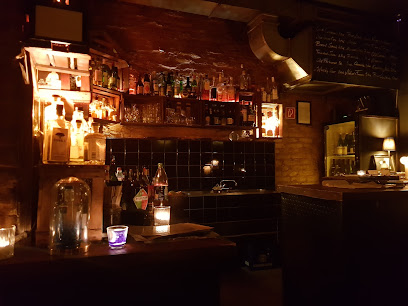
Badfish Bar
0.2 km
Discover the vibrant nightlife at Badfish Bar, a must-visit cocktail bar and pub in Berlin’s Pankow district, where great drinks and a lively atmosphere await.
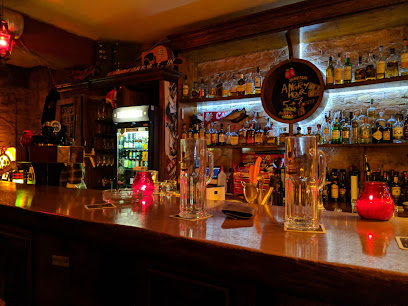
Bar Becketts Kopf
0.2 km
Discover the art of cocktails at Bar Becketts Kopf, Berlin's intimate cocktail bar offering innovative drinks and a cozy atmosphere for your night out.
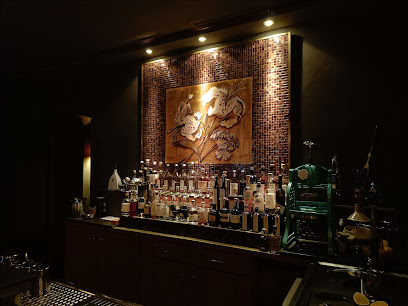
Zum Starken August
0.5 km
Immerse yourself in Berlin's vibrant nightlife at Zum Starken August, where circus magic meets a lively pub atmosphere for an unforgettable experience.
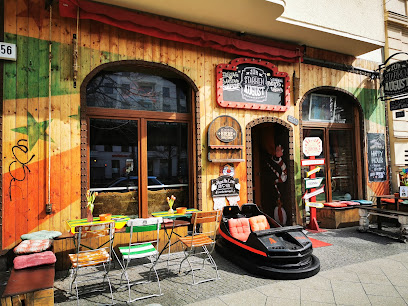
Zu mir oder zu dir
0.6 km
Discover 'Zu mir oder zu dir', a cozy bar in Pankow offering an extensive drink menu and a vibrant atmosphere perfect for enjoying Berlin's nightlife.
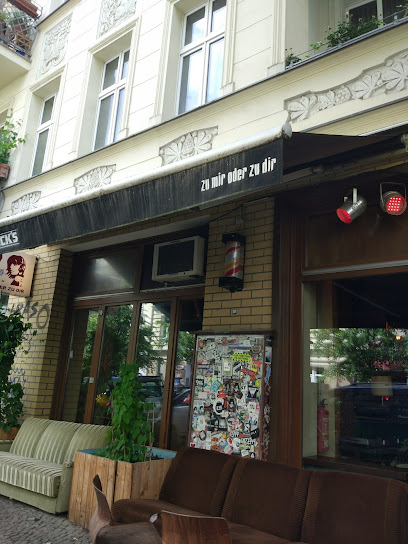
Höschen bar
0.7 km
Discover Höschen Bar in Pankow, Berlin - a vibrant cocktail bar known for its innovative drinks and cozy ambiance, perfect for a night out with friends.
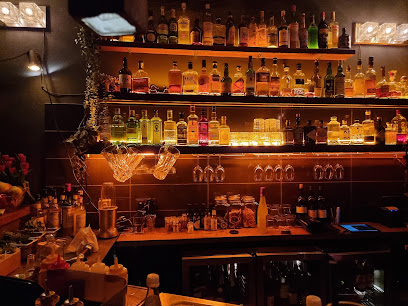
Bräugier BrewPub
0.8 km
Discover the vibrant world of craft beer at Bräugier BrewPub, a top brewpub in Berlin's Prenzlauer Berg, offering unique brews and a lively atmosphere.
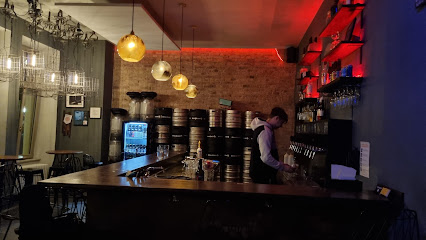
Bar Luxus
1.1 km
Discover the stylish ambiance and innovative cocktails at Bar Luxus, a must-visit nightlife destination in Berlin's Prenzlauer Allee.
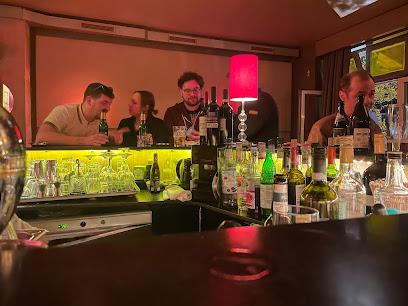
Kaminbar
1.2 km
Discover the artistic charm of Kaminbar in Berlin, where cocktails meet creativity in a vibrant atmosphere filled with live music and local art.
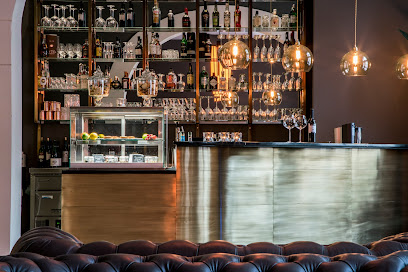
Uluru Resort
1.2 km
Discover Uluru Resort, where Australian charm meets Berlin's vibrant pub culture, offering great drinks, lively events, and a warm welcome.
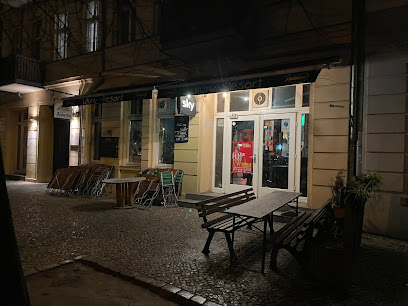
Bar 55
1.4 km
Experience the vibrant nightlife of Berlin at Bar 55, a cozy bar in Pankow offering a wide selection of drinks and a lively atmosphere.
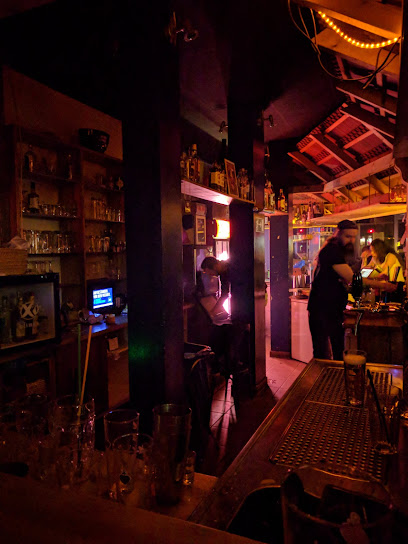
The Dorothy Bar
1.5 km
Discover Berlin's vibrant nightlife at The Dorothy Bar, where innovative cocktails and a cozy atmosphere create the perfect evening escape.
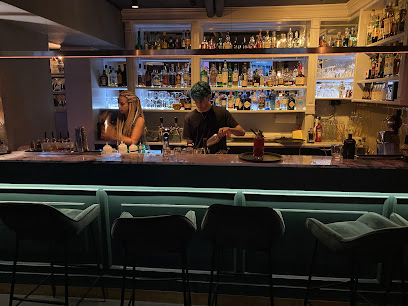
Buck and Breck
2.1 km
Discover Buck and Breck, a stylish cocktail bar in Berlin's Mitte district, where expertly crafted drinks and a cozy atmosphere await.
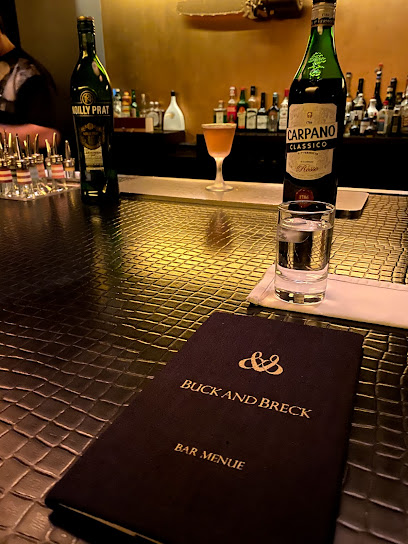
100 Gramm Bar
2.1 km
Discover 100 Gramm Bar in Berlin, the ultimate cocktail destination blending stylish ambiance with unique mixology in the heart of the city.
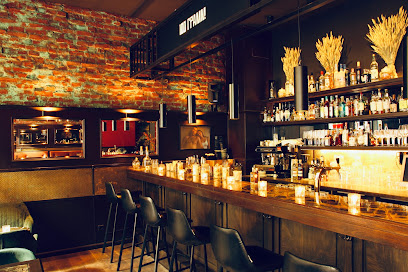
Saphire Bar
2.1 km
Experience the art of mixology at Saphire Bar, a chic cocktail lounge in Berlin's vibrant Pankow district, perfect for unforgettable nights out.