
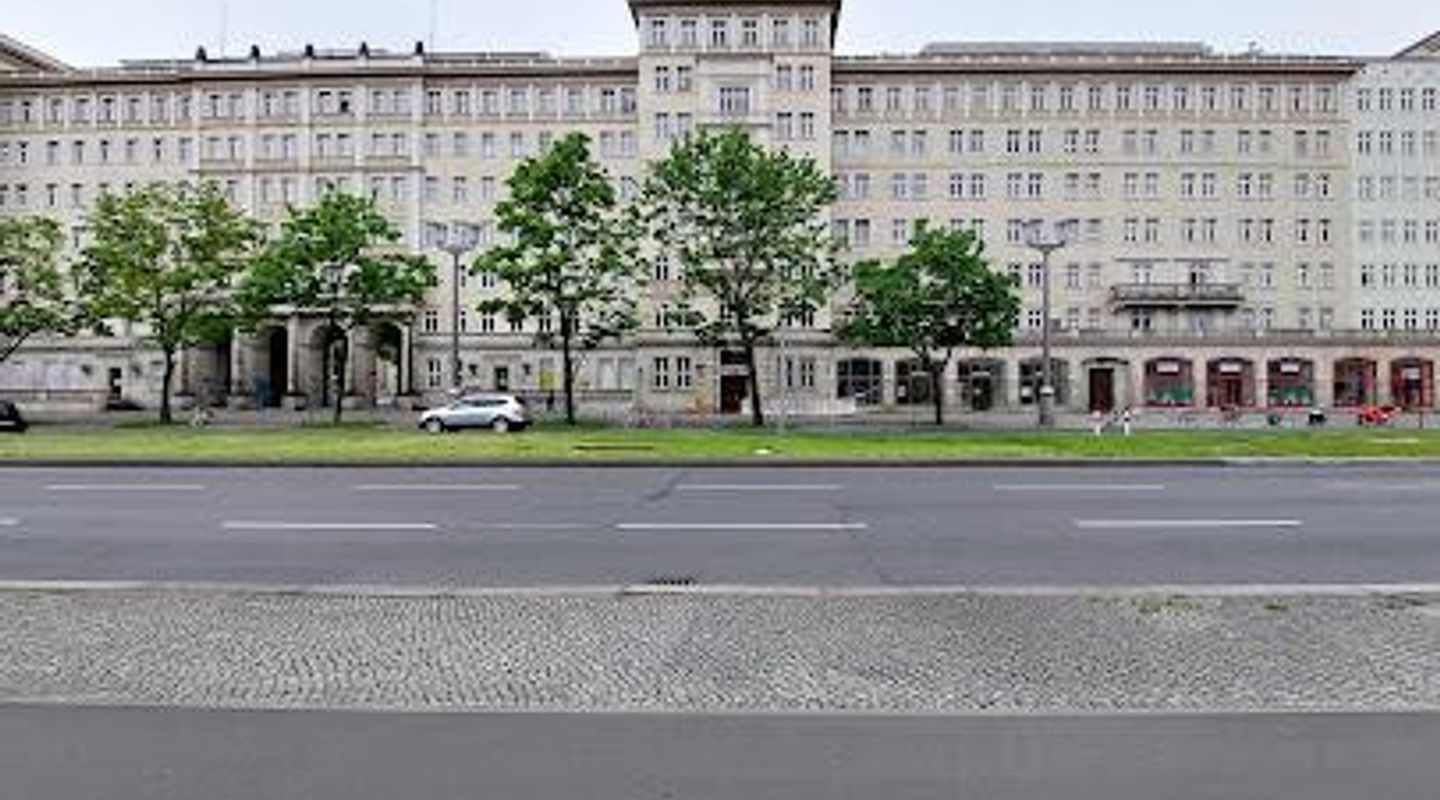
Frankfurter Allee, Brandenburg Travel Guide
Discover Berlin's Frankfurter Allee: A historic boulevard blending grand socialist architecture with modern urban life, offering diverse shops, eateries, and cultural experiences.
Frankfurter Allee, one of Berlin's oldest thoroughfares, offers a captivating blend of historical significance and contemporary urban life. Originally part of the route connecting Berlin to Frankfurt (Oder), it gained prominence in the GDR era as Stalinallee, a showcase of Soviet neoclassical architecture. Today, it stretches from Frankfurter Tor to Karl-Marx-Allee, boasting a vibrant mix of shops, restaurants, and cultural attractions. The street's architecture tells a story of Berlin's past, from its grand socialist ambitions to its modern-day revival. With excellent public transport links, Frankfurter Allee serves as a perfect starting point to explore Berlin's diverse neighborhoods and historical landmarks, offering a glimpse into the city's dynamic spirit and evolution.
A brief summary to Frankfurter Allee
- Berlin, DE

Know before you go
Hi, I'm Eve. Here are a few practical things to know before exploring Frankfurter Allee.
- Explore the side streets branching off Frankfurter Allee to discover hidden gems like independent shops, cozy cafes, and local art galleries.
- Visit during the day to fully appreciate the architecture and street life, or in the evening for a vibrant nightlife experience.
- Take advantage of the excellent public transport connections to easily explore other parts of Berlin from Frankfurter Allee.
Do you manage this location?
Take control to get all the benefits, like improved information, better appearance, and stronger visibility across AI-powered discovery. Learn more about listing your business on Evendo
Activate your presenceOther nearby places you may find interesting
The closest places of the same kind, if this one is not quite what you had in mind.
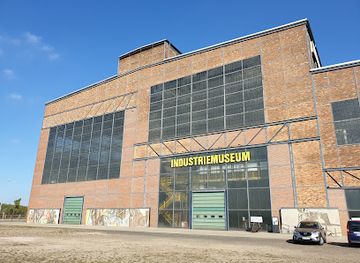
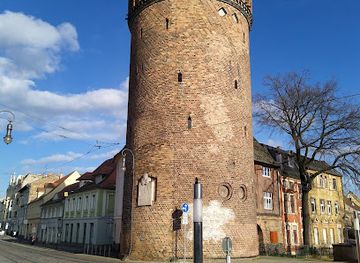
Explore Frankfurter Allee on the Map
A handpicked selection of must-see spots near Frankfurter Allee, mapped for you.
Unlock the Best of Frankfurter Allee
Buy tickets
-
No tickets available
Book tours with entry


Book tours without entry
-
No tours available
Getting There
-
Public Transport
The U5 U-Bahn line runs directly under Frankfurter Allee, providing easy access. Stations along the street include Frankfurter Tor, Samariterstraße, Frankfurter Allee, Magdalenenstraße, and Lichtenberg. A single fare within Berlin (AB zone) is around €3.20. The S-Bahn also serves Frankfurter Allee station (S41, S42, S8, S85), offering connections to other parts of the city. A short trip ticket for the S-Bahn costs approximately €2.20.
-
Taxi/Ride-Share
A taxi or ride-share from Alexanderplatz to Frankfurter Allee typically costs between €12-€18, depending on traffic and the specific drop-off point along the street. The journey usually takes 15-20 minutes.
-
Driving
If driving, parking is available in the Ring-Center parking garage (Frankfurter Allee 113-117). The first hour is often free, with subsequent hours costing around €3, and a daily maximum of €6-€18. Alternatively, the Plaza Frankfurter Allee has a Tiefgarage at Voigtstraße 2, with similar hourly and daily rates. Street parking is limited and can be difficult to find.
Discover more about Frankfurter Allee













Your all‑in‑one travel companion app
Explore expert travel guides, compare and book tours, experiences, hotels, and more—all from the palm of your hand. Download now for seamless trip planning wherever your wanderlust takes you.


Explore More of Brandenburg
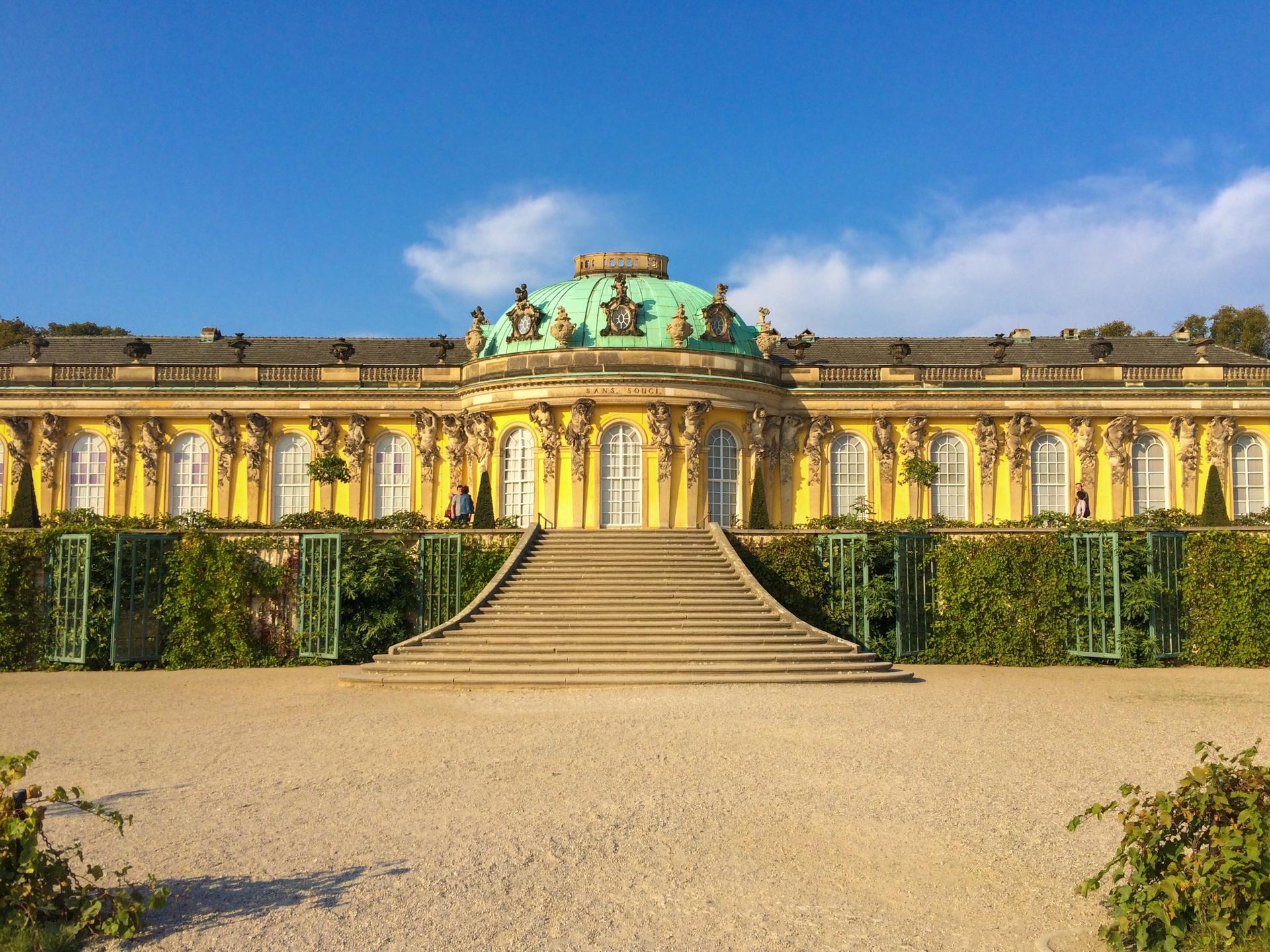
Looking beyond Frankfurter Allee? Discover Brandenburg for broader travel guides, local hot-spots, and regional highlights.
Explore Brandenburg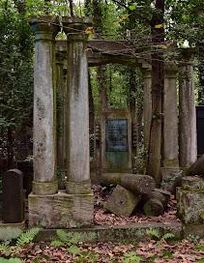
Explore Europe's largest Jewish cemetery in Berlin, a serene landscape of history, art, and remembrance, where over 115,000 stories whisper through the trees.
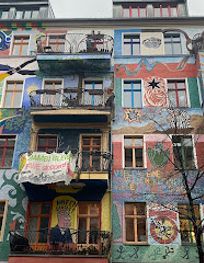
Experience Berlin's raw, unfiltered street art scene at the Graffiti Wall of Fame, a dynamic canvas where artists freely express themselves in the heart of Friedrichshain-Kreuzberg.
