

Free Brandenburg Travel Guide & Mobile App
Explore Brandenburg with free travel guides. Discover regional history, expert tips, proposed trips, and audio guides on web or mobile app.


Explore Brandenburg for Potsdam palaces, glacial lakes, Spreewald waterways, forested cycling routes and historic towns beyond Berlin.
Read more about Brandenburg
When is the best time to visit Brandenburg?
Best: June–August · 22–24°C| Month | High (°C) | Rainfall (mm) |
|---|---|---|
| January | 3 | 35 |
| February | 4 | 30 |
| March | 9 | 35 |
| April | 13 | 40 |
| May | 19 | 50 |
| June (best) | 22 | 60 |
| July (best) | 24 | 60 |
| August (best) | 23 | 55 |
| September | 19 | 45 |
| October | 14 | 40 |
| November | 7 | 35 |
| December | 4 | 40 |
Getting to and around Brandenburg
How to get there
Transportation
Top city travel guides in Brandenburg
The cities of Brandenburg, and the easiest places to base yourself.
-

-

-

-


Swipe for more cities
Destinations in Brandenburg
Resorts, valleys and scenic spots worth a trip of their own.
-

-

-

-

-


Swipe for more destinations
Best attractions in Brandenburg
Brandenburg's attractions range from royal architecture to extensive outdoor landscapes. Potsdam forms the cultural centre, with Sanssouci Palace and its park, the Neues Palais, Cecilienhof and the Dutch Quarter illustrating different chapters of Prussian and twentieth-century history. Brandenburg an der Havel offers a contrasting medieval and ecclesiastical heritage, while Rheinsberg combines a lake setting with a palace associated with Frederick the Great's early life. The region's natural appeal lies in its water: the Havel lakes, the Scharmützelsee, the Ruppiner Lake District and the canals of the Spreewald support swimming, boating, fishing and cycling. Protected areas such as the Lower Oder Valley National Park provide wetland habitats and opportunities for birdwatching, while the Biosphere Reserve landscapes of the Spreewald and Flusslandschaft Elbe-Brandenburg reveal the ecological variety of the state. In the south-east, former lignite-mining areas are being reshaped into a chain of lakes, creating an evolving landscape of water, woodland and industrial memory. Historic towns, village churches, gardens, farm shops and cycle routes fill the spaces between these larger destinations.
-
Historical place
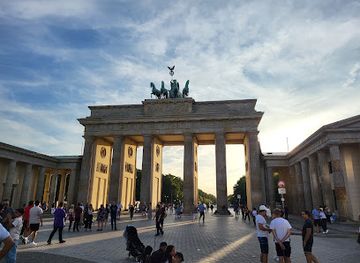
Brandenburg Gate
Explore the historic Brandenburg Gate, a neoclassical masterpiece in Berlin symbolizing peace and unity, surrounded by vibrant culture and history.
-
Plaza
Alexanderplatz
Discover the vibrant Alexanderplatz in Berlin, a historic square blending culture, shopping, and dining in the heart of the city.
-
Zoo
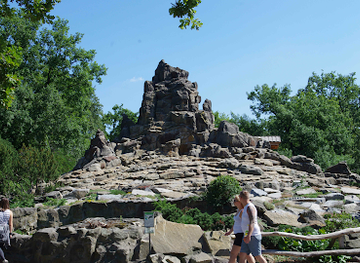
Berlin Zoological Garden
Experience the magic of wildlife at Berlin Zoological Garden, a historic zoo that offers unforgettable encounters with animals from around the world.
-
Plaza
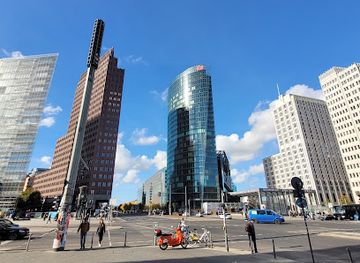
Potsdamer Platz
Explore Potsdamer Platz, a vibrant plaza in Berlin, blending modern architecture, cultural attractions, and rich history in one dynamic space.

Best landmarks in Brandenburg
Sanssouci Palace and its landscaped park are Brandenburg's defining architectural landmarks, expressing the eighteenth-century ambitions of the Prussian court through terraces, formal gardens and a series of royal buildings. Nearby, the Neues Palais provides a grander statement of royal representation, while Cecilienhof is associated with the 1945 Potsdam Conference and the political reordering of post-war Europe. Brandenburg an der Havel's cathedral and the churches of its historic island and old town preserve the city's medieval importance as an ecclesiastical and commercial centre. In the north, Rheinsberg Palace stands beside the Grienericksee and represents the cultured courtly world of the eighteenth century. The brick monastery at Chorin is a major example of north German Brick Gothic architecture, set amid woodland north-east of Berlin. Natural landmarks are equally important: the branching waterways of the Spreewald, the broad Havel lakes around Potsdam and the marshes of the Lower Oder Valley give Brandenburg a visual identity shaped as much by water and open space as by monuments.
-
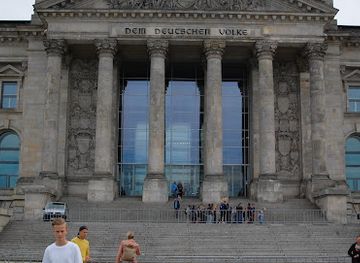
Historical place
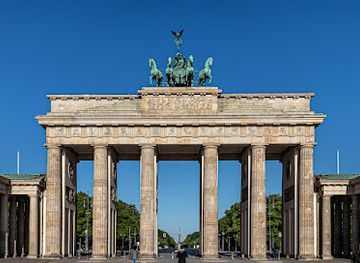
Brandenburg Gate
Experience the grandeur of Berlin's iconic Brandenburg Gate, a symbol of German unity and a witness to history, standing proudly on Pariser Platz for centuries.
-
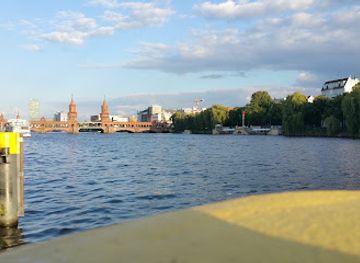
Memorial
East Side Gallery
Experience history and art intertwined at the East Side Gallery, the world's largest open-air gallery on the remains of the Berlin Wall, a symbol of freedom and unity.
-
Plaza
Potsdamer Platz
Experience Berlin's modern heart at Potsdamer Platz: a vibrant hub of architecture, entertainment, and history, reborn from the ashes of war and division into a symbol of unity and progress.
-
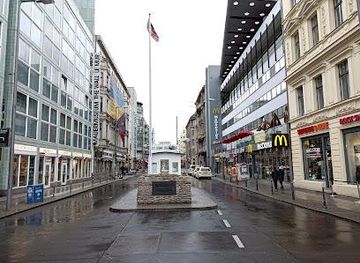
Historical landmark
Checkpoint Charlie
Discover Checkpoint Charlie, Berlin's iconic historical landmark that symbolizes the city's Cold War past and offers a unique glimpse into its rich history.
Explore Brandenburg on the map
Plan your trip on one map. See where the top cities, national parks and sights are, and book hotels and experiences in a few clicks.
Best hotels in Brandenburg
Best restaurants in Brandenburg
Brandenburg's food culture is closely connected with its farms, forests and inland waters. Asparagus from Beelitz is a celebrated seasonal product, while Spreewald gherkins, regional potatoes, apples, honey and locally grown vegetables are common in farm shops and country kitchens. Pike-perch, zander and other freshwater fish appear on menus around the lakes and rivers, although availability varies by season and restaurant. Traditional Brandenburg cooking can be found in village inns and regional restaurants, often alongside familiar north German and Prussian-influenced dishes. Potsdam and larger towns offer a broader choice of contemporary German, international and vegetarian dining, while rural areas favour cafés, bakeries, breweries and informal dining attached to farms or gardens. Visitors should also look for locally produced fruit wines, beers and spirits, together with seasonal menus based on game, mushrooms or asparagus. Weekly markets and direct-sales farms provide a useful way to understand the region's agricultural character without relying solely on formal restaurants.
-
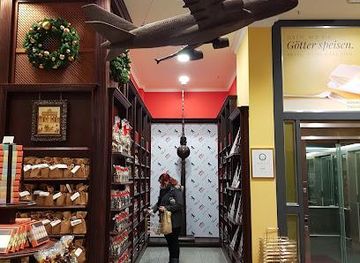
Chocolate shop
Rausch Schokoladenhaus
Step into the world's largest chocolate house beside Gendarmenmarkt, where 1,500m² of pure Edelkakao indulgence awaits with endless pralines, live patisserie, and café views.
-
Restaurant
Café am Neuen See
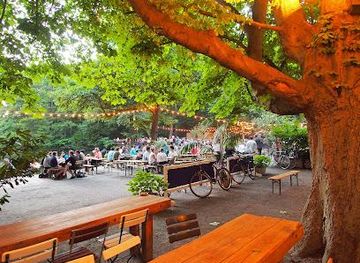
Berlin's enchanting lakeside haven in Tiergarten: Cozy restaurant fireside romance meets sunlit beer garden vibes, savoring bio pizzas and seasonal feasts with serene water views.
-
German
Nante-Eck
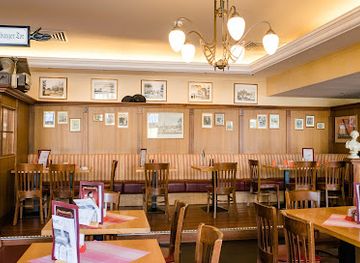
Experience authentic German cuisine at Nante-Eck in Berlin’s Mitte district—where tradition meets taste in a cozy atmosphere.
-
German
Berliner Republik
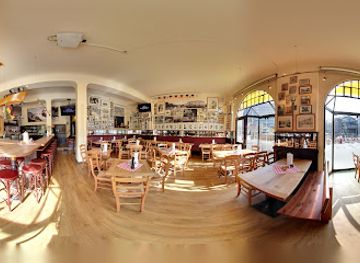
Discover Berliner Republik: A Culinary Haven in Berlin's Mitte District Offering Authentic German Cuisine and Lively Atmosphere.
Best bars in Brandenburg
Brandenburg's evening life is varied but generally more relaxed and locally focused than Berlin's. Potsdam has the broadest choice of bars, cafés, beer gardens, wine bars and cultural venues, with evening activity concentrated around the historic centre and the areas near the Havel. University and railway towns such as Cottbus and Frankfurt (Oder) have a younger bar and live-music scene, while smaller towns tend to rely on traditional pubs, restaurants and occasional cultural events. Around the lakes, summer brings outdoor terraces, waterside restaurants and beer gardens, although such venues are often seasonal. In rural Brandenburg, evenings are more likely to centre on a village inn, a brewery, a concert or a community event than on a large nightclub. Visitors staying in the Spreewald or remote lake districts should check the last return connection and arrange transport in advance rather than assuming that late-night public services will be available.
-
Bar
BrewDog Berlin Mitte
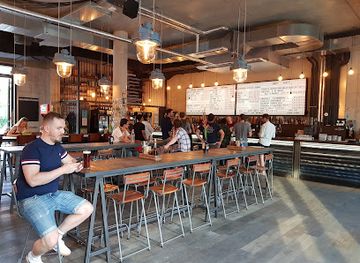
Discover the vibrant atmosphere and diverse craft beer selection at BrewDog Berlin Mitte, where every sip tells a story.
-
Cocktail bar
meisterschueler
Discover Berlin's Meisterschueler: a cocktail bar and art gallery where creativity meets nightlife in the heart of the city.
-
Bar
Charlie's Beach
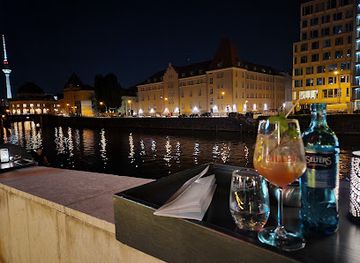
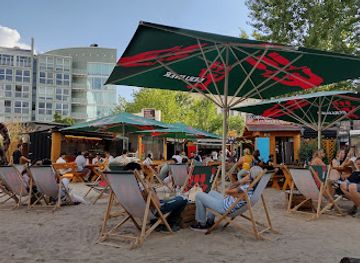
Discover the perfect blend of relaxation and excitement at Charlie's Beach, a vibrant bar in Berlin's Mitte district with delightful drinks and a lively atmosphere.
-
Pub
Altstadt Pub
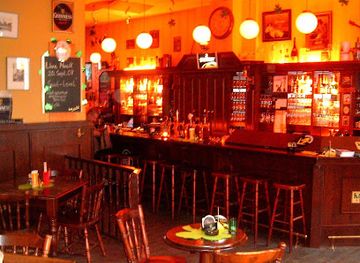
Discover the local charm and lively atmosphere of Altstadt Pub in Brandenburg an der Havel - the perfect place to unwind with friends over drinks.
Best nightclubs in Brandenburg
Brandenburg's evening life is varied but generally more relaxed and locally focused than Berlin's. Potsdam has the broadest choice of bars, cafés, beer gardens, wine bars and cultural venues, with evening activity concentrated around the historic centre and the areas near the Havel. University and railway towns such as Cottbus and Frankfurt (Oder) have a younger bar and live-music scene, while smaller towns tend to rely on traditional pubs, restaurants and occasional cultural events. Around the lakes, summer brings outdoor terraces, waterside restaurants and beer gardens, although such venues are often seasonal. In rural Brandenburg, evenings are more likely to centre on a village inn, a brewery, a concert or a community event than on a large nightclub. Visitors staying in the Spreewald or remote lake districts should check the last return connection and arrange transport in advance rather than assuming that late-night public services will be available.
-
Night club
Maxxim
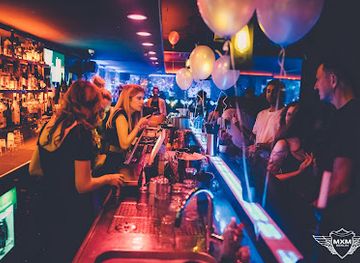
Experience the electrifying nightlife at Maxxim, Berlin's premier night club, featuring world-class DJs and a vibrant atmosphere.
-
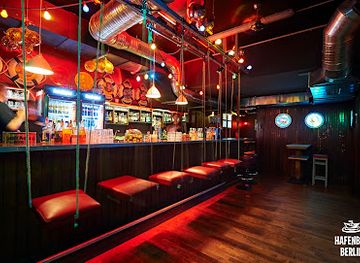
Disco club
Hafenbar Berlin
Discover the vibrant nightlife at Hafenbar Berlin, where dancing, drinks, and a lively atmosphere await in the heart of the city.
-
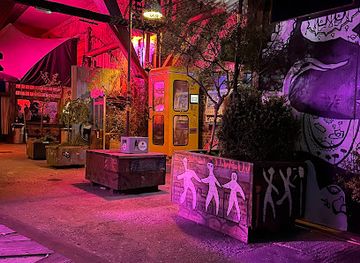
Night club
Kater Blau
Discover Kater Blau, Berlin's iconic night club that blends eclectic music, art, and a vibrant atmosphere for an unforgettable nightlife experience.
-
Night club
Golden Gate
Discover the pulsating heart of Berlin's nightlife at Golden Gate, a vibrant night club known for its eclectic music and lively atmosphere.

Best shops in Brandenburg
Shopping in Brandenburg is usually rooted in market towns, independent high streets, farm shops and local production rather than large-scale luxury retail. Potsdam provides the widest urban choice, including the central pedestrian streets, boutiques, bookshops, galleries and food shops around the historic centre. Cottbus, Brandenburg an der Havel, Neuruppin and Frankfurt (Oder) have their own town-centre retail areas, while smaller places offer bakeries, craft shops, antiques and practical local services. Farmers' markets and direct-sale stalls are good sources of Beelitz asparagus, Spreewald pickles, honey, preserves, fruit, regional beer and seasonal produce. In the Spreewald, look for traditional pickled foods and locally made crafts, while pottery, textiles and woodwork can be found through independent studios and regional galleries. Opening days and hours vary significantly outside the main towns, so rural shopping is best combined with a planned market visit or farm-shop stop.
-
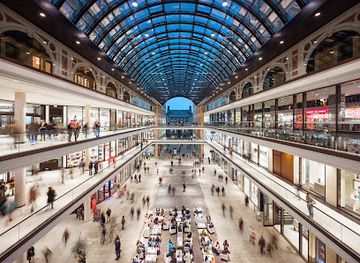
Shopping mall
Mall of Berlin
Discover an unparalleled shopping experience at the Mall of Berlin, where international brands meet vibrant dining and entertainment.
-
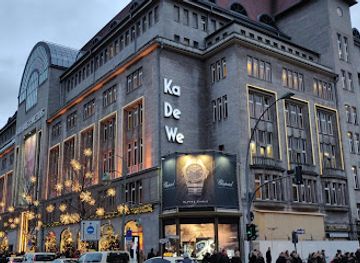
Shopping mall
KaDeWe - Kaufhaus des Westens
KaDeWe: A magnificent shopping paradise in the heart of Berlin, blending luxury retail with gourmet delights and cultural experiences.
-
 Outlet mall
Designer Outlet Berlin
Shop top brands at Designer Outlet Berlin - the ultimate destination for fashion enthusiasts seeking great deals.
-
Shopping mall
ALEXA Berlin
Explore ALEXA Berlin, a bustling shopping mall with diverse stores, delicious dining, and entertainment options for an unforgettable experience in the heart of the city.
Get your free copy of our complete guide to Brandenburg, delivered straight to you.
Everything on this page, from attractions and restaurants to essentials and local phrases, in one PDF you can read offline, print or share.
Already have an account? Sign in
Your Brandenburg guide is ready.
We'll send it to · Not you? Sign out

Getting your guide ready…
We are putting together a fresh copy of the Brandenburg guide. This can take up to a minute.
This can take a few moments. If your browser asks, choose Allow so the download can start. You'll find the guide in your Downloads folder.
Nothing happened? Download it again
Sorry, the guide is taking longer than usual. Please try again in a minute, or get it by email instead.
Brandenburg essentials
Currency and Payment
Safety
Emergency Situations
Do's and Don'ts
Local Tips
From Eve
Local phrases worth knowing
You don't need to get them perfect. A few words go a long way, and locals appreciate the effort.
Basics
| English | Local | Say it |
|---|---|---|
| Hello | Hallo | [Hah-loh] |
| Goodbye | Auf Wiedersehen | [Owf Vee-der-zay-en] |
| Yes | Ja | [Yah] |
| No | Nein | [Nyn] |
| Please/You're welcome | Bitte | [Bi-teh] |
| Thank you | Danke | [Dahn-keh] |
| Excuse me/Sorry | Entschuldigung | [Ent-shool-dee-goong] |
| How are you? | Wie geht's? | [Vee gates?] |
| Fine. And you? | Gut. Und dir? | [Gooot. Oond deer?] |
| Do you speak English? | Sprechen Sie Englisch? | [Shpreh-chen Zee Eng-lish?] |
| I don't understand | Ich verstehe nicht | [Ish fer-shtay-eh nikht] |
Eating & Drinking
| English | Local | Say it |
|---|---|---|
| I'd like to see the menu, please | Ich möchte die Speisekarte sehen, bitte | [Ish merkh-teh dee Shpie-ze-kar-teh zay-en, bi-teh] |
| I don't eat meat | Ich esse kein Fleisch | [Ish ess-eh kyn Flysh] |
| Cheers! | Prost! | [Prohst!] |
| I would like to pay, please | Ich möchte bezahlen, bitte | [Ish merkh-teh beh-tsah-len, bi-teh] |
Emergencies
| English | Local | Say it |
|---|---|---|
| Help! | Hilfe! | [Hil-feh!] |
| Go away! | Geh weg! | [Gay vek!] |
| Call the Police! | Rufen Sie die Polizei! | [Roo-fen Zee dee Po-li-tsai!] |
| Call a doctor! | Rufen Sie einen Arzt! | [Roo-fen Zee eye-nen Arts-t!] |
| I'm lost | Ich habe mich verlaufen | [Ish hah-beh mikh fer-lau-fen] |
| I'm ill | Ich bin krank | [Ish bin krangk] |
Shopping
| English | Local | Say it |
|---|---|---|
| I'd like to buy... | Ich möchte ... kaufen | [Ish merkh-teh ... kou-fen] |
| I'm just looking | Ich schaue nur | [Ish shau-eh noor] |
| How much is it? | Wie viel kostet es? | [Vee feel kost-et es?] |
| That's too expensive | Das ist zu teuer | [Dahs ist tsu toy-er] |
| Can you lower the price? | Können Sie den Preis senken? | [Kern-en Zee den Pryce zen-ken?] |
Time & Numbers
| English | Local | Say it |
|---|---|---|
| What time is it? | Wie spät ist es? | [Vee shpayt ist es?] |
| It's one o'clock | Es ist ein Uhr | [Es ist ine Oohr] |
| Half past (10) | Halb (10) | [Halb (10)] |
| Morning | Morgen | [Mor-gen] |
| Afternoon | Nachmittag | [Nahkh-mit-tahg] |
| Evening | Abend | [Ah-bent] |
| Yesterday | Gestern | [Ges-tern] |
| Today | Heute | [Hoy-teh] |
| Tomorrow | Morgen | [Mor-gen] |
| 1 | Eins | [Ayns] |
| 2 | Zwei | [Tsvy] |
| 3 | Drei | [Dry] |
| 4 | Vier | [Veer] |
| 5 | Fünf | [Fünf] |
| 6 | Sechs | [Zex] |
| 7 | Sieben | [Zee-ben] |
| 8 | Acht | [Aht] |
| 9 | Neun | [Noyn] |
| 10 | Zehn | [Tsen] |
Transport & Directions
| English | Local | Say it |
|---|---|---|
| Where's a/the...? | Wo ist ein/das ...? | [Vo ist ine/dahs ...?] |
| What's the address? | Wie ist die Adresse? | [Vee ist dee Ah-dres-se?] |
| Can you show me (on the map)? | Können Sie mir (auf der Karte) zeigen? | [Kern-en Zee meer (owf der Kar-teh) tsai-gen?] |
| When's the next (bus)? | Wann kommt der nächste (Bus)? | [Vahn kommt der nay-sh-teh (Boos)?] |
| A ticket (to ....) | Ein Ticket (nach ...) | [Ine Ti-ket (nahkh ...)] |
History of Brandenburg
Early Settlement and Slavic Heritage
Brandenburg's landscape has been shaped by settlement since prehistoric times, with archaeological evidence recording farming communities, burial sites and long patterns of movement through the region. Following the decline of Roman influence north of the frontier, Slavic-speaking groups established settlements around the Havel, Spree and Oder. The Hevelli centred on the Brandenburg an der Havel area, while Lusatian Sorbs and Wends maintained a strong cultural presence in the south-east. Their legacy remains visible in place names, village traditions and the bilingual cultural landscape of the Spreewald.
The Medieval Margraviate
The medieval German expansion east of the Elbe brought Brandenburg into the orbit of the Holy Roman Empire. Albert the Bear of the House of Ascania became Margrave of Brandenburg in 1157, and the margraviate developed through castle-building, town foundations, monasteries and agricultural colonisation. Brandenburg an der Havel retained particular symbolic importance because the margrave's title and the region's Christian political structures were associated with the town. Cistercian foundations, village layouts and surviving churches across the state still reveal this period of territorial consolidation.
The Hohenzollerns and the Electorate
In 1415, the Hohenzollern Frederick VI of Nuremberg became Margrave and Elector of Brandenburg, beginning a dynastic connection that would last for centuries. Under the Hohenzollerns, Brandenburg became a central component of a growing north German power. Berlin and the Havel towns gained political importance, while estates, military institutions and administrative reforms tied the scattered territories more closely together. The Electorate's position within the Holy Roman Empire and its connections with Prussia laid foundations for the later prominence of Berlin and Potsdam.
Prussian Power and the Potsdam Residence
From the seventeenth century, Brandenburg was increasingly linked with the rise of Brandenburg-Prussia. The Great Elector strengthened the state's administration and military capacity, while later rulers developed Potsdam as a royal residence. Sanssouci and other palaces, landscaped parks and planned urban spaces expressed the ambitions of the Prussian monarchy. Potsdam's courtly culture coexisted with a disciplined rural administration and military presence across the province. Many of Brandenburg's most significant historic landscapes, especially around Potsdam, date from this long period of royal patronage.
Industrialisation and the Railway Age
The nineteenth century transformed Brandenburg through railways, canals, mining and manufacturing. Berlin's expansion stimulated brickmaking, engineering, food production and building industries in surrounding districts, while the Lusatian region became an important centre of lignite extraction. Railway lines opened market access for towns and agricultural producers, and new industrial settlements appeared beside older villages. The effects remain visible in former mining areas, industrial monuments, workers' housing and the network of transport corridors that connected Brandenburg with Berlin and the wider German economy.
War, Division and the German Democratic Republic
Brandenburg suffered heavily during the Second World War, and its post-war political geography changed when it became part of the Soviet occupation zone and, from 1949, the German Democratic Republic. The state was dissolved as an administrative unit in 1952, with its territory divided among several districts, before being re-established after German reunification in 1990. The socialist period left housing estates, agricultural cooperatives, industrial sites and military areas across the region. Since reunification, some former extraction and industrial landscapes have been restored as lakes, nature areas and cultural sites.
Brandenburg in Photos
Browse through our photo collection highlighting the charm and character of the destination.
Neighbouring regions of Brandenburg
The closest regions to Brandenburg, if you have time for more than one.
-

-

-

-

-


Swipe for more regions
Explore more

Explore more of Germany
Experience Germany: where history meets innovation, and urban energy blends with natural beauty. Discover diverse cultures, delicious cuisine, and stunning landscapes.
Explore Germany